TL;DR
Play games included with Prime
Start a Prime free trial and play with Amazon Luna on your devices.
Start playingAs an affiliate, we earn on qualifying purchases.
Warming a cold bathroom safely involves choosing energy-efficient heating options like infrared or electric underfloor systems, ensuring proper ventilation, and avoiding electrical hazards. These practical tips help you stay cozy while keeping safety front and center.
Few things are as uncomfortable as stepping into a freezing bathroom on a chilly morning. The cold, damp air can send a shiver down your spine, especially if you’re older or recovering from illness. But cranking up the heat isn’t always simple or safe—electric heaters pose risks, and high bills can add up fast.
In this guide, you’ll learn straightforward, effective ways to warm your bathroom without risking electrical hazards or wasting energy. Whether you’re fixing a cold spot or preparing for winter, these practical tips will help you stay cozy and safe every time you step inside.
Choose bathroom-rated electric heaters with safety features like automatic shut-off and temperature controls.
Install or consider underfloor heating for consistent, energy-efficient warmth that feels luxurious.
Use smart thermostats for precise control, saving energy and reducing risk of overheating.
Seal gaps and insulate pipes or walls to retain heat and cut down on energy waste.
Always prioritize electrical safety—keep cords away from water, don’t overload outlets, and monitor appliance condition.
Simple Ways to Warm Up a Cold Bathroom Safely
Few things are as uncomfortable as stepping into a freezing bathroom on a chilly morning. Cranking up the heat isn’t always simple or safe — this guide shows you straightforward, effective ways to stay cozy without risking electrical hazards or wasting energy.
5 Proven Strategies InsideChoose the Safest Electric Heaters for Your Bathroom
Electric space heaters can turn a chilly bathroom into a warm retreat — if you pick the right one. Look for models rated for bathroom use, with automatic shut-off, tip-over protection, and an IP rating of at least IP24 for damp conditions.
Infrared Panels
Infrared heaters warm objects and people directly rather than the air, reducing energy waste and air-circulation hazards. A wall-mounted panel heats you quickly without blowing cold air.
Bathroom-Rated Space Heaters
Compact models with automatic shut-off and tip-over protection are widely recommended for temporary warmth. Always keep them away from water sources and never leave them unattended.
Towel Radiators
Wall-mounted electric towel warmers provide steady background heat plus warm towels. Low surface temperatures and fixed installation keep them safely out of splash zones.
Non-Negotiable Safety Checks
A heater with insufficient safety features might overheat or cause electrical fires, especially in a humid environment. The balance between adequate warmth and safety depends on placement, features, and usage habits.
Verify GFCI protection
All bathroom outlets must be ground-fault protected to prevent shock in damp conditions.
Keep cords away from water
Never run heater cords near tubs, sinks, or showers — and never overload a circuit.
Stay below 120°F (49°C)
The U.S. CPSC recommends keeping heater surface temperatures under 120°F to prevent burns.
Inspect cords & outlets
Regularly check for damage or wear. Replace frayed cords immediately — never patch them.
Overly powerful heaters lead to unnecessary energy consumption and higher bills, while under-specced ones risk overheating. Use timers or built-in thermostats to maintain a safe, consistent temperature without overdoing it.
From Cold Tile to Cozy Mornings in Four Steps
Underfloor heating runs at low temperatures, making it safe and energy-efficient — while smart thermostats deliver heat exactly when you need it. Here’s how the pieces fit together.
Seal & Insulate
Weatherstrip doors, seal window gaps, and insulate pipes so heat stays where you put it.
Install Heat Source
Lay DIY-friendly electric mats under tile, or mount a wall panel for instant radiant warmth.
Add Smart Control
Program a Wi-Fi thermostat to warm the room an hour before you wake — no wasted energy.
Ventilate Smartly
Run the exhaust fan to manage humidity, preventing mold in the now-warm, damp space.
Luxurious, Even Warmth at Low Temperatures
Electric mats or water-based systems keep the air dry and mold-free, run quietly and invisibly, and eliminate cold floors entirely. While installation costs are higher upfront, the consistent warmth reduces the need for other heating sources, leading to lower bills over time. Just confirm your flooring material is compatible before you commit.
The Safe-Heat Spectrum
Comfort and safety live in the green zone. As surface temperatures climb past 120°F (49°C), burn risk rises sharply — especially for children and older adults.
Heating Methods Head-to-Head
Weigh upfront cost against safety, efficiency, and comfort to find the right fit for your bathroom and budget.
| Method | Upfront Cost | Safety in Damp Rooms | Energy Efficiency | Warmth Type |
|---|---|---|---|---|
| Infrared panel | ~ Moderate | ✓ High (IP-rated) | ✓ High | Direct, instant |
| Portable space heater | ✓ Low | ~ Conditional | ~ Moderate | Quick, localized |
| Electric underfloor | ✗ High | ✓ High (fixed) | ✓ High | Even, constant |
| Towel radiator | ~ Moderate | ✓ High | ~ Moderate | Gentle background |
| Central heat extension | ~ Moderate | ✓ High | ✗ Low for small rooms | Ambient, slow |
Insulation: The Secret Weapon
Good insulation reduces the workload on your heating system, lowering bills and easing strain on electrical components. These quick wins stop warm air escaping and cold air creeping in.
Practical Tips for Safe, Warm Bathrooms
Quick, actionable steps you can take today. A caregiver might set a timer on a small heater to turn on 30 minutes before a family member wakes up — warm, safe, and energy-smart.
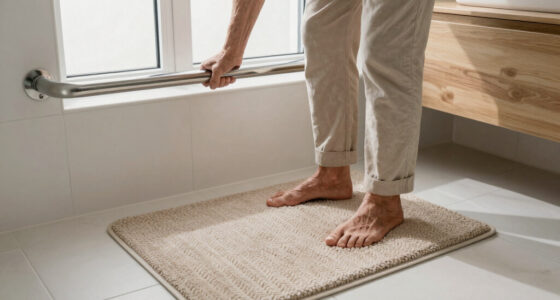
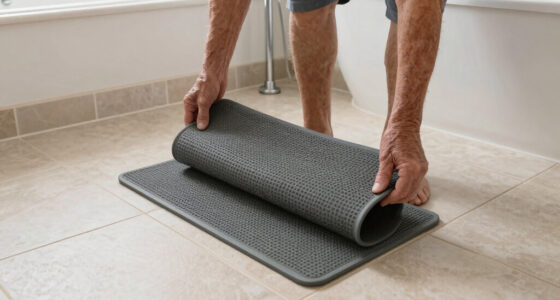
Use non-slip rugs
Trap heat and prevent slips on cold tiles — comfort and safety in one move.
Timer your space heater
Avoid overheating with a plug-in timer or built-in thermostat schedule.
Keep cords clear of water
Route all electrical cords well away from tubs, sinks, and damp zones.
Ventilate while heating
Run the exhaust fan to prevent excess humidity and mold growth.
Seal door & window gaps
Weatherstripping and door sweeps preserve the warmth you pay for.
Pre-warm with smart control
Set heating to start an hour before wake-up — no wasted overnight energy.
Choose the Safest Electric Heaters for Your Bathroom
Electric space heaters can turn a chilly bathroom into a warm retreat—if you pick the right one. Look for models rated for bathroom use, with safety features like automatic shut-off and tip-over protection. Infrared heaters, for example, warm objects and people directly, reducing the risk of air circulation hazards.
For instance, a small infrared panel mounted on the wall can heat you quickly without blowing cold air or creating fire hazards. Make sure the heater is rated with an IP (Ingress Protection) number suitable for damp conditions—at least IP24.
Always keep heaters away from water sources, and never leave them unattended when on. Using timers or built-in thermostats helps maintain a safe, consistent temperature without overdoing it.
According to safety guidelines, keep bathroom heaters below 120°F (49°C) to prevent burns. Regularly inspect cords and outlets for damage—never overload a circuit.
Choosing the right electric heater isn’t just about safety — it’s about understanding the implications of your choice. A heater with insufficient safety features might overheat or cause electrical fires, especially in a humid environment. Conversely, overly powerful heaters can lead to unnecessary energy consumption and higher bills. The tradeoff is finding a balance between adequate warmth and safety, which depends on proper placement, features, and usage habits.
electric bathroom heater with safety features
As an affiliate, we earn on qualifying purchases.
As an affiliate, we earn on qualifying purchases.
Install or Use Underfloor Heating for Steady Warmth
Underfloor heating offers a luxurious, even warmth that feels like a gentle hug when you step in. Electric mats or water-based systems are more accessible now, with DIY-friendly options available for small bathrooms.
Imagine stepping onto a warm, textured tile that radiates heat from beneath—no more cold toes or chilly mornings. Installation can be as simple as laying electric mats under existing flooring or hiring a professional for water-based systems.
Since underfloor heating runs at low temperatures, it’s safe and energy-efficient. Plus, it keeps the air dry and mold-free, which is a bonus in damp environments.
According to recent trends, modern systems are designed with smart thermostats that allow precise control, saving energy and avoiding overheating. It’s a quiet, invisible way to add comfort without clutter or safety worries.
Deepening the understanding of underfloor heating reveals its advantages and potential tradeoffs. While the installation cost can be higher upfront, the consistent warmth it provides reduces the need for other heating sources, leading to lower energy bills over time. However, improper installation or choosing incompatible flooring materials can diminish effectiveness or cause damage. It’s essential to weigh the initial investment against long-term comfort and savings, and to consider whether your flooring type supports the heating system you select.
underfloor heating system for bathroom
As an affiliate, we earn on qualifying purchases.
As an affiliate, we earn on qualifying purchases.
Use Smart Thermostats to Control Bathroom Heating
Smart thermostats aren’t just for your living room—they’re game-changers for bathroom comfort. These devices connect to your Wi-Fi and let you set specific temperatures, timers, and even control heating remotely.
Imagine waking up in the morning, and your bathroom is already warm—set the system to turn on an hour before you get up. You avoid wasting energy and can fine-tune the heat to your comfort level.
Many models have safety features like temperature limits and alerts if something’s wrong. They also integrate with voice assistants and apps, giving you control right from your phone.
Research shows that smart controls can cut energy bills by up to 15% while providing a safer, more comfortable environment—especially helpful for older adults or caregivers managing multiple home systems.
Understanding the deeper implications of smart thermostats reveals their role in safety and energy management. By precisely controlling when and how the heat is delivered, they prevent overheating and reduce unnecessary energy use. The tradeoff involves initial setup and potential reliance on technology, which may require some familiarity or assistance. For caregivers, this means a safer environment with less manual intervention, but it also emphasizes the importance of cybersecurity and regular updates to ensure ongoing safety and efficiency.
smart thermostat for bathroom heating
As an affiliate, we earn on qualifying purchases.
As an affiliate, we earn on qualifying purchases.
Add Insulation and Draft Proofing to Keep Heat In
Good insulation isn’t just for walls—it’s a secret weapon against cold bathrooms. Sealing gaps around doors, windows, and vents can trap warm air inside, making your heating efforts much more effective.
Picture a drafty bathroom door letting in icy air every time you open it. Applying weatherstripping or door sweeps can block these leaks and keep warmth sealed in.
Installing a simple foam or rubber seal along window frames or around vents adds another layer of protection. For added comfort, consider thick rugs or thermal curtains—these trap heat and soften the hard surfaces, making the room feel warmer.
Understanding the importance of insulation and draft-proofing goes beyond just comfort — it directly impacts energy efficiency and safety. Proper insulation reduces the workload on your heating system, leading to lower energy bills and less strain on electrical components. Draft-proofing prevents cold air from entering and warm air from escaping, which is crucial in maintaining a stable temperature, especially in older or poorly insulated homes. The tradeoff involves some initial effort and expense, but the long-term savings and comfort improvements often outweigh these costs. Additionally, insulating pipes prevents freezing and potential damage, further enhancing safety and reliability of your heating system.
As an affiliate, we earn on qualifying purchases.
Practical Tips for Maintaining Safe, Warm Bathrooms
Here are quick, actionable steps to keep your bathroom cozy and safe:
- Place a non-slip rug or mat to trap heat and prevent slips on cold tiles.
- Use a timer or thermostat with space heaters to avoid overheating.
- Keep electrical cords away from water and damp areas.
- Ventilate when heating to prevent excess humidity that can cause mold.
- Seal gaps around doors and windows to preserve warmth.
For example, a caregiver might set a timer on a small heater to turn on 30 minutes before a family member wakes up, ensuring a warm, safe environment without wasting energy.
Remember, safety always comes first—regularly check appliances and keep them away from water sources.
Maintaining safety in a heated bathroom involves more than just turning on a heater. It requires understanding how different safety measures interact — using timers prevents overheating, proper insulation reduces electrical risks, and regular inspections catch potential hazards early. These combined efforts minimize the risk of electrical fires, burns, or mold growth, creating a safer environment for all users, especially vulnerable populations like older adults.
Frequently Asked Questions
What is the safest way to heat a bathroom without risking electrical hazards?
Use heaters rated specifically for bathroom use, with safety features like automatic shut-off and tip-over protection. Keep electrical devices away from water sources and never overload outlets. Regularly inspect cords and plugs for damage, and follow manufacturer instructions carefully.
Are portable space heaters safe to use in bathrooms?
Yes, but only if they are rated for damp or wet environments (look for IP ratings). Choose models with automatic shut-off features, and always place them on stable, dry surfaces away from water sources. Use timers to prevent overheating and supervise their use.
How can I insulate my bathroom to keep it warmer naturally?
Seal gaps around doors, windows, and vents with weatherstripping or draft stoppers. Add thick rugs, thermal curtains, and insulated window coverings. Insulate pipes and walls if possible, which can boost heat retention significantly.
What are the best energy-efficient heating options for small bathrooms?
Electric infrared panels, underfloor heating systems, and smart thermostats rank among the most efficient. They deliver targeted warmth with minimal waste, and programmable controls help manage energy use effectively.
Can I install underfloor heating myself, or should I hire a professional?
For electric mats, DIY installation is possible if you follow manufacturer instructions carefully. Water-based systems generally require professional help due to plumbing and electrical complexities. Always prioritize safety and local building codes.
Conclusion
Warming your bathroom doesn’t have to be complicated or risky. Simple adjustments—like adding insulation, choosing the right heater, and controlling temperature smartly—make a big difference in comfort and safety.
Imagine stepping into a warm, inviting space every morning, feeling safe and cozy. A little planning and care turn a cold bathroom from a discomfort into a haven of warmth and safety you can rely on.
Fall yard work Picks
leaf blowers
As an affiliate, we earn on qualifying purchases.