
TL;DR
Play games included with Prime
Start a Prime free trial and play with Amazon Luna on your devices.
Start playingAs an affiliate, we earn on qualifying purchases.
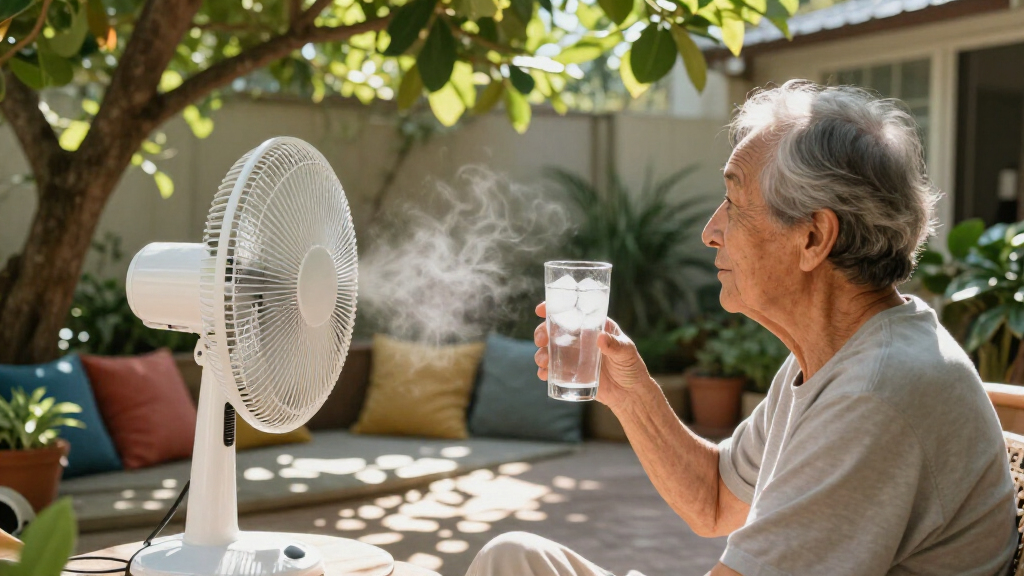
Staying cool outside depends on reducing heat gain, helping your body release heat, and keeping up with fluids. Combining shade, fans, and hydration is the best way to beat the heat safely.
When the sun beats down and temperatures climb, your body faces a relentless challenge: keep your core temperature steady. If you’ve ever felt drained after a day in the blazing sun, you know heat isn’t just uncomfortable — it’s dangerous. But the good news? Simple tools like fans, shade, and water can make a big difference.
This guide explores how these everyday strategies work, how to use them effectively, and what you need to stay safe during outdoor heat waves. Whether you’re gardening, attending a summer picnic, or just enjoying a walk, understanding these essentials can help you beat the heat with confidence.
Combine shade, fans, and regular water intake for the best protection against outdoor heat.
Shade reduces radiant heat exposure but isn’t enough alone—use it with airflow and hydration.
Fans help sweat evaporate but are less effective in humid or very hot conditions; misting fans can boost cooling.
Start hydration early and sip fluids regularly—don’t wait until you’re thirsty to drink.
Watch for signs of heat illness, and act quickly if symptoms like dizziness or confusion appear.
Keeping Cool Outdoors: Fans, Shade, and Hydration
Safe cooling is a layered system: reduce incoming heat, help your body release heat, and replace the fluids lost through sweat. Shade, airflow, and hydration work best together—and must be adjusted for humidity, sunlight, and exertion.
Shade blocks the heat you cannot see
Air temperature tells only part of the story. Direct sunlight adds radiant heat to your body, while reflective surfaces can redirect that energy into an otherwise shaded area.
Dense tree shade
Leaves block solar radiation and cool nearby air as moisture evaporates. Dense coverage is often more comfortable than a thin fabric canopy.
Awning or umbrella
Movable shade can follow the shifting sun. Choose a broad, ventilated design and reposition it during the hottest part of the day.
Enclosed shelter
A poorly ventilated tent may trap hot, humid air. Shade is useful only when accumulated heat can escape from the structure.
Concrete, sand, water, and pale surfaces can reflect sunlight beneath a canopy. Favor deep shade, open sides, cooler ground, and a position that remains protected as the sun moves.
Fans move air—not temperature
Airflow accelerates sweat evaporation and can improve comfort. Its value falls as humidity rises, and very hot air may provide little cooling when it is well above skin temperature.
Relative evaporative cooling potential
Conceptual comparison based on moisture in the air and normal sweating.
Shade + fan
Block solar heat first, then move air across exposed or lightly damp skin.
Misting fan
A fine mist can boost evaporation in drier air, but loses effectiveness as humidity rises.
Comfort is not clearance
Feeling a breeze does not mean strenuous activity is safe. Reduce pace and take breaks.
Hydrate before thirst becomes intense
Regular fluid intake supports sweating, circulation, and temperature control. Start well hydrated, sip steadily, and match your drink strategy to duration and sweat loss.
Start prepared
Drink before outdoor activity rather than beginning with a fluid deficit.
Sip regularly
Use frequent drink breaks instead of waiting until thirst becomes severe.
Replace salts
Add electrolytes, ordinary meals, or salty snacks during prolonged heavy sweating.
Avoid excess
Do not consume large volumes of plain water rapidly; blood sodium can become dangerously diluted.
| Situation | Water | Electrolytes | Best Practice |
|---|---|---|---|
| Short, light outing | ✓ Usually adequate | ~ Optional | Begin hydrated and drink to match conditions. |
| Prolonged activity | ✓ Essential | ✓ Often useful | Drink regularly and replace sweat losses gradually. |
| Heavy or repeated sweating | ✓ Essential | ✓ Recommended | Use an electrolyte drink, meals, or salty snacks. |
| Rapid excessive intake | ✗ Unsafe approach | ~ Balance matters | Avoid forcing large amounts of fluid at once. |
| Alcohol during heat | ✗ Not a substitute | ✗ No protection | Limit or avoid it; judgment and hydration may suffer. |
Temperature alone is not the risk
Humidity, direct sun, wind, clothing, workload, health, and acclimatization interact. A “feels like” value calculated for shade may underestimate exposure in full sun.
Use the right heat signal
The outdoor cooling chain
Protection works as a connected system. If one link weakens—such as evaporation in humid air—strengthen the others and reduce exposure.
How shade keeps you cool — and what to watch out for
Shade is your first line of defense against the sun’s harsh rays. It doesn’t just block the sun; it reduces radiant heat transfer from the sun’s rays directly hitting your skin, which is often more intense than the air temperature. This reduction in radiant heat can significantly lower your body’s overall heat gain, making a substantial difference in how hot you feel. Think of shade as a barrier that prevents your skin from absorbing the sun’s energy, which otherwise would increase your core temperature.
Dense tree shade is especially effective because leaves not only block sunlight but also cool the surrounding air through evaporation of moisture. This natural cooling effect can sometimes make shaded areas several degrees cooler than in direct sunlight, providing relief and reducing the risk of heat-related illnesses. Conversely, a thin canopy or umbrella offers less protection, especially if it’s not well-ventilated, which can trap heat and moisture, leading to increased discomfort. Enclosed tents or poorly ventilated structures can trap hot air, negating any shade benefits and potentially raising your temperature instead.
It’s also important to consider that surfaces like concrete, sand, and water reflect sunlight, which can increase radiant heat exposure even in shaded areas. As the sun moves across the sky, the effectiveness of a particular shade diminishes, so planning your outdoor space to maximize shade during peak heat hours (typically 11 a.m. to 3 p.m.) is crucial. An adaptable shade setup—like an awning or movable umbrella—allows you to stay protected as the sun shifts, maintaining a cooler microclimate around you.
Understanding these nuances helps you choose and position shade sources effectively, reducing radiant heat transfer and lowering your body’s heat load. This not only improves comfort but also decreases the risk of heat exhaustion or heat stroke, especially during prolonged outdoor activity.
As an affiliate, we earn on qualifying purchases.
Fans boost sweat evaporation — but know their limits
Fans don’t lower the outdoor air temperature; instead, they facilitate your body’s natural cooling process—sweat evaporation. When your sweat evaporates from your skin, it carries heat away, helping to regulate your internal temperature. This process is vital because our bodies are most efficient at cooling through evaporation, especially in dry conditions. A fan enhances this by increasing airflow over your skin, which accelerates the evaporation rate, making you feel cooler even if the air temperature remains high.
However, the effectiveness of fans depends heavily on environmental conditions. In dry air, increased airflow can significantly boost evaporative cooling, providing substantial relief. But in humid conditions, the air already contains a high moisture content, which hampers evaporation. When sweat cannot evaporate easily, the fan’s benefit diminishes, and it may even make you feel more uncomfortable because it can strip away the moisture on your skin without cooling it effectively. This is why fans are less helpful in very humid environments and why misting fans—adding a fine water spray—can temporarily improve cooling by increasing local evaporation.
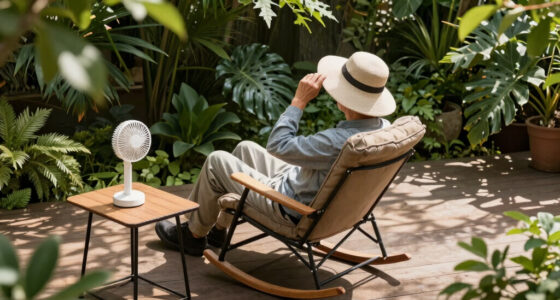
Despite their limitations, fans are a valuable tool when used correctly. They work best when combined with shade and hydration, creating a layered approach to cooling. For example, sitting in the shade with a fan blowing gently on you can maximize evaporation and reduce your body’s heat load. Conversely, relying solely on a fan in extreme heat or humidity might give a false sense of relief without actually lowering your core temperature. Recognizing these tradeoffs is essential for safe outdoor activity during hot weather.
In summary, fans are most effective as part of a comprehensive cooling strategy, helping your body shed heat through evaporation. Being aware of their limits ensures you use them wisely and avoid overestimating their cooling power in challenging conditions.
As an affiliate, we earn on qualifying purchases.
Hydration: The secret weapon before thirst strikes
Staying well-hydrated is your most reliable defense against heat exhaustion and dehydration. The critical point is that by the time you feel thirsty, your body is already experiencing a deficit of fluids, which can impair your ability to regulate temperature and perform physical activities safely. Preventative hydration helps maintain your body’s cooling mechanisms and prevents the onset of heat-related illnesses.
Start drinking water before you go outdoors and continue at regular intervals—every 15-20 minutes—regardless of whether you feel thirsty. This approach ensures your fluids stay balanced and your body can efficiently dissipate heat. Think of hydration as filling your reservoir before a long journey; once it’s low, it’s much harder to catch up, and your risk of overheating increases.
For short outings, water may be sufficient. But during extended physical activity or in very hot and humid conditions, electrolyte drinks become important because they help replenish sodium, potassium, and other minerals lost through sweating. These electrolytes are crucial for nerve function and muscle contraction, and their depletion can lead to cramps and fatigue. Pairing water with salty snacks or meals provides an effective, low-cost way to restore electrolyte balance without relying solely on commercial sports drinks.
Overhydration is also a concern—drinking excessive amounts of water rapidly can lead to hyponatremia, a dangerous condition where blood sodium levels become dangerously low. Moderation and balance are key. Monitoring urine color—pale yellow generally indicates good hydration—can help gauge your fluid status, but remember that certain medications and health conditions can affect this indicator. The goal is consistent, balanced hydration that supports your body’s cooling capacity without overdoing it.
As an affiliate, we earn on qualifying purchases.
Frequently Asked Questions
Does a fan actually lower body temperature outdoors?
Fans help by increasing sweat evaporation, which cools your skin. They don’t lower the surrounding air temperature but can make you feel significantly cooler—especially in dry or moderate humidity conditions.
Is shade enough during extreme heat?
Shade reduces solar radiation but isn’t enough alone. Combine it with rest, hydration, airflow, and cooler locations to stay safe during high temperatures.
Are misting fans better than ordinary fans?
Yes, especially in dry climates. The water spray enhances evaporation, absorbing heat from your skin. In humid weather, their advantage lessens because evaporation slows down.
How much water should I drink outdoors?
It varies, but regular sipping every 15-20 minutes is safer than waiting until you’re thirsty. Adjust intake based on activity level, weather, and personal needs—more during heavy sweating or prolonged activity.
Can I drink too much water?
Yes. Drinking large amounts quickly can cause hyponatremia—dangerous blood sodium dilution. Pace your drinks and include electrolytes if sweating heavily for extended periods.
As an affiliate, we earn on qualifying purchases.
Conclusion
Staying cool outdoors isn’t about a single trick — it’s about layering strategies. Shade, fans, and hydration work together to keep you safe and comfortable. Think of it like a well-balanced recipe: each ingredient matters.
Next time you plan an outdoor activity, remember these simple tools. They’re your best defense against the sun’s harshest days, helping you enjoy the outdoors safely and with dignity. After all, feeling cool and safe is what makes outdoor moments truly enjoyable.
NFL season / tailgating Picks
team gear
As an affiliate, we earn on qualifying purchases.