
TL;DR
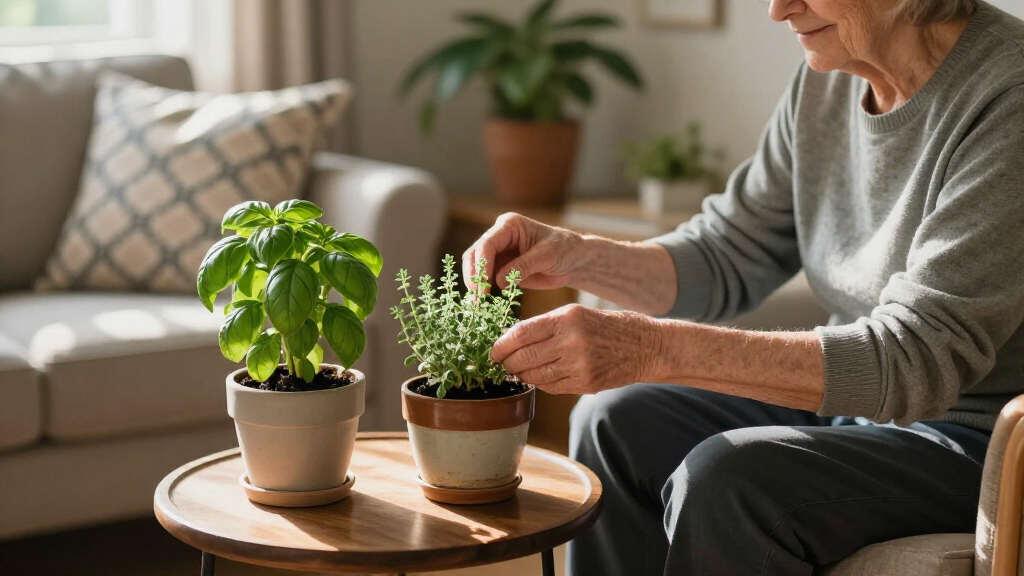
You can grow a lush herb garden without bending or kneeling. By choosing the right containers, herbs, and layout, even limited mobility shouldn’t keep you from tending your own herbs comfortably from a chair.
Imagine slicing fresh basil or snipping sprigs of mint, all from your favorite chair. Sounds simple, right? Yet, many traditional gardens aren’t built for limited mobility, leaving some people feeling shut out of this joyful activity.
Creating a garden you can tend from a chair isn’t just about convenience — it’s about dignity, independence, and reconnecting with nature, no matter your physical limits. In this guide, you’ll learn how to choose the best containers, herbs, and layout for a garden that brings plants within comfortable reach, transforming your space into a fragrant, thriving oasis.
Choose containers and beds that allow for easy access from a seated position, focusing on height and reach.
Group herbs by their water and sunlight needs to simplify care routines and promote healthy growth.
Use lightweight, stable containers and ergonomic tools to reduce physical strain and increase safety.
Position herbs for easy harvesting and routine maintenance, keeping the most used plants close at hand.
Design your garden with safe paths, stable seating, and good drainage to make gardening safer and more enjoyable.
Herb Gardens You Can Tend From a Chair
A lush herb garden doesn’t require bending, kneeling, or stretching. With the right containers, herbs, and layout, limited mobility doesn’t have to keep you from snipping fresh basil or sprigs of mint — all from your favorite seat. This is gardening with dignity, independence, and fragrance within arm’s reach.
“Accessible herb gardens increase engagement and well-being for older adults — well-designed containers reduce physical strain by up to 70%.”
Key Insight · Accessible Garden ResearchPick the Perfect Garden Format
The right setup makes all the difference. Choose a format that matches your space, mobility, and style — the common thread is bringing soil to a comfortable working height with stable footing all around.
Tabletop Planters
A sturdy table at waist height with pots placed close together lets you harvest herbs without stretching or bending. Ideal for patios and balconies.
Raised Beds with Knee Clearance
Open space underneath allows a wheelchair or knees to slide under, so you face the plants directly rather than working sideways.
Railing & Window Boxes
Mounted at a comfortable height, railing planters turn a balcony or porch into a fragrant herb haven — no leaning required.
Vertical Gardens
Stacked growing pockets and towers. Place frequently harvested herbs in the middle rows where reach is easiest.
Rolling Planter Carts
Locking casters let you reposition plants to catch sun or shade — and bring them to you, instead of you to them.
Indoor Windowsill Gardens
Positioned near an accessible window, with supplemental grow lights when natural light falls short. Gardening from an armchair, year-round.
Within Arm’s Reach — No Twisting or Overreaching
Measure your arm span and sitting height before you plan. Place empty pots at different heights and test what feels natural — before filling anything with soil. Reducing stretch and twist minimizes fatigue and injury risk, especially with joint issues or limited strength.
Measure
Arm span and seated elbow height define your garden’s true dimensions.
Test Reach
Place empty pots at various heights; find the comfortable zone before planting.
Position
Soil surface at or just below seated elbow height; narrow beds for one-side access.
Clear the Paths
Firm, level, slip-resistant walkways — free of hoses, tools, and raised edges.
The Golden Rule of Height
Soil at or just below elbow height when seated means no bending down and no reaching up. Adjustable-height tables and multi-level tiered towers let you fine-tune for every task — harvesting basil at the easiest level, watering at another.
Container Stability Checklist
Lightweight pots are easy to move — but avoid tall, narrow shapes that tip when filled with mature plants. Choose wide, stable, weather-resistant containers, and leave room around your chair to maneuver safely.
Match Herbs to Water & Light Needs
Don’t mix everything in one container for convenience. Group Mediterranean herbs together in dry, sunny containers; keep moisture-lovers separate and consistently damp. Mint and lemon balm always get their own pots — they spread aggressively.
| Herb | Water Needs | Sunlight | Chair-Friendly Notes |
|---|---|---|---|
| Basil | ~ Consistent moisture | ✓ Full sun | Front and center — snip leaves with zero effort |
| Chives | ~ Moderate | ~ Tolerates partial shade | Compact, forgiving, regrows after cutting |
| Parsley | ~ Consistent moisture | ~ Partial shade OK | Flat, low growth — perfect at table edge |
| Thyme | ✓ Keep dry | ✓ Full sun | Drought-tolerant; thrives on neglect |
| Oregano | ✓ Keep dry | ✓ Full sun | Trails over container edges for easy picking |
| Rosemary | ✓ Keep dry | ✓ Full sun | Upright stems at eye level; needs light & climate |
| Mint | ~ Loves moisture | ~ Partial shade OK | Always solo in its own pot — spreads aggressively |
| Cilantro | ~ Loves moisture | ~ Partial shade OK | Quick harvest cycle; keep moist and cool |
Make Watering Easy — and Less Messy
Elevated containers dry out faster than in-ground beds, especially in hot or windy weather. These tools cut watering effort dramatically while keeping herbs consistently moist. Remember: “self-watering” means reduced frequency, not full independence — and drainage holes are still essential.
Watering Wands
Lightweight wands with easy-grip trigger handles reach across containers without stretching or spills.
Self-Watering Pots
Built-in reservoirs with water-level indicators keep herbs moist without constant attention.
Mulch
A layer around plants slows evaporation, stretches time between waterings, and holds moisture even.
Drainage Holes
Non-negotiable. Without them, waterlogging harms roots and causes plant decline.
Why This Matters: Independence in Every Snip
Dignity, Not Just Convenience
A chair-tended garden restores access to one of life’s quiet joys. Traditional beds aren’t built for limited mobility — leaving many people shut out. A well-designed setup removes that barrier entirely, replacing struggle with fragrance, harvest, and pride.
Five Rules That Make It Work
- Height: soil at or just below seated elbow level
- Reach: everything within arm’s span, no twisting
- Grouping: herbs matched by water and light needs
- Tools: lightweight, stable, ergonomic — close at hand
- Layout: most-used herbs in the easiest positions
Pick the Perfect Garden Format for Your Space and Mobility
Choosing the right garden setup makes all the difference. Think about what fits your space, mobility, and style. Popular options include raised beds with open space underneath, tabletop planters, and vertical gardens.
For example, a sturdy table at waist height with pots placed close together lets you harvest herbs without stretching or bending. Railing planters mounted at a comfortable height can turn a balcony or porch into a fragrant herb haven.
When selecting containers, prioritize stability and weather resistance. Lightweight pots are easy to move, but avoid tall, narrow ones that tip easily when filled. Think about how much space you need around your chair—clear pathways, stable footing, and room to maneuver are essentials.
raised herb garden containers for limited mobility
As an affiliate, we earn on qualifying purchases.
As an affiliate, we earn on qualifying purchases.
Keep Your Herbs Within Arm’s Reach — No Twisting or Overreaching
Imagine never having to stretch or bend to get your herbs. That’s the goal. Measure your arm span and sitting height to plan your garden layout. Beds or containers should be placed so you can work comfortably from your chair, avoiding awkward twists or overhead reaches.
For example, a raised bed at waist level means you can access most of the plants without leaning forward. Narrower beds make reaching the middle easier, especially if you’re using a wheelchair or walker. Test your reach before filling containers—place empty pots at different heights to see what feels natural.
Maintaining a clear, level path around your garden ensures safety and ease of movement. Keep hoses, tools, and watering cans within arm’s reach, stored in a caddy or nearby shelf. Why does this matter? Because reducing unnecessary stretching and twisting minimizes fatigue and the risk of injury, especially for those with joint issues or limited strength. Proper layout enhances independence and confidence, making gardening a sustainable and enjoyable activity rather than a physical challenge.
ergonomic gardening tools for seniors
As an affiliate, we earn on qualifying purchases.
As an affiliate, we earn on qualifying purchases.
Find the Right Height for Easy Planting and Harvesting
The perfect height balances ease of planting, watering, and harvesting. A good rule of thumb: the soil surface should be at or just below elbow height when seated. This ensures you don’t have to stretch or bend excessively, which can cause discomfort or strain over time.
Adjustable-height tables or multi-level containers give flexibility, allowing you to customize your setup based on your comfort and physical ability. For example, a tiered herb tower with shelves at different heights can accommodate various tasks and reach levels, making your gardening experience more adaptable.
Think about your favorite tasks — if harvesting basil or snipping chives is your goal, place those herbs at the most accessible level. Containers with built-in stands or legs can be adjusted or chosen to match your needs, reducing the need for awkward positions. Why is this important? Because working at an optimal height reduces fatigue, prevents joint pain, and allows you to spend more time enjoying your herbs rather than struggling with them. The right height setup empowers you to garden more comfortably and sustainably.
lightweight herb pots for easy harvesting
As an affiliate, we earn on qualifying purchases.
As an affiliate, we earn on qualifying purchases.
Choose Herbs That Are Easy to Manage and Grow
Some herbs are better suited for container gardening and easy harvesting from a chair. Think about herbs that are compact, vigorous, and forgiving. Chives, parsley, thyme, oregano, and basil fit this bill.
For example, a small pot of basil placed right in front makes snipping fresh leaves simple. Mint and lemon balm spread quickly, so keep them in separate pots to avoid runaway growth.
Herbs with similar watering needs—like rosemary, sage, and thyme—can be grouped together, while moisture-loving herbs such as cilantro and mint stay in wetter containers. Choosing the right herb varieties, like dwarf or patio types, reduces maintenance and keeps your garden manageable. Why does this matter? Because selecting easy-to-grow herbs minimizes frustration and ensures a successful, ongoing garden that you can care for without extensive physical effort or expertise. It also allows you to enjoy fresh herbs regularly, enriching your meals and your well-being.
As an affiliate, we earn on qualifying purchases.
Match Herbs Based on Their Water and Light Needs
Growing herbs successfully from a chair hinges on matching their needs with your setup. Mediterranean herbs like rosemary, thyme, and oregano thrive in full sun and well-drained soil, often doing well in drier containers. Understanding these preferences helps prevent overwatering or underwatering, which can stress plants or cause root rot.
Moisture-loving herbs — parsley, cilantro, mint — prefer consistent watering and partial shade. Positioning these near a window or under shade cloth can make their care easier. For indoor gardens, adding supplemental grow lights ensures they get enough light, which is crucial for healthy growth.
Why does this matter? Because mismatched watering or lighting can lead to poor plant health, wasted effort, and frustration. By aligning your setup with the herbs’ natural needs, you create a more resilient garden that requires less maintenance and produces better yields. This strategic matching supports your goal of a low-effort, high-reward gardening experience, making it more enjoyable and sustainable for long-term care.
Make Watering Easy and Less Messy
Watering from a seated position can be a challenge, but the right tools make it simple. Lightweight watering wands with trigger handles, self-watering containers, and drip irrigation systems save effort and reduce spills.
For example, a self-watering pot with a water level indicator keeps herbs moist without constant attention, which is especially helpful if mobility or dexterity is limited. Mulching around plants slows evaporation, reducing the frequency of watering and helping maintain consistent moisture levels. Why is this important? Because uneven watering can stress plants, lead to root issues, and create messes. Easy-to-use watering tools and strategies promote consistent care, prevent frustration, and protect your plants’ health, making gardening a more accessible and satisfying activity.
Ensure containers have drainage holes to prevent waterlogging, which can harm roots and cause plant decline. Using a short, flexible hose or watering can with a long spout allows you to reach into containers easily, avoiding awkward positions or spills. This combination of tools and techniques helps you maintain your garden with less effort and greater success.
Pick Lightweight Soil and Containers for Easy Mobility
Heavy soil makes containers hard to move and can strain your back. Use specially formulated, lightweight potting mixes designed for containers. These mixes retain moisture and nutrients effectively while reducing weight, making your gardening routine safer and more manageable.
Choose sturdy, lightweight containers made from resin, composite, or lightweight ceramic. When filled with soil and water, they’re still manageable for most people. This reduces physical strain and makes repositioning easier, especially if you need to adjust your garden layout over time. For example, a 10-inch resin pot filled with lightweight soil weighs about half what a ceramic one would when wet, significantly easing movement. Locking wheels on larger planters help move them safely and keep everything stable during care routines. Why does this matter? Because reducing weight and increasing mobility minimizes injury risk, allowing you to tend your garden more frequently and comfortably, which sustains your gardening hobby and enhances your well-being.
Use Ergonomic Tools and Accessories for Effortless Gardening
Tools with padded handles, long-handled pruners, and lightweight snips make gardening from a chair easier. Wrist supports and tool tethers prevent fatigue and dropping tools.
For example, a pair of ratcheting pruners with large grips can cut herbs comfortably, even with limited hand strength. Keep your tools in a reachable caddy or apron pocket to avoid unnecessary bending or stretching. Why does this matter? Because traditional garden tools can be awkward or heavy, increasing fatigue and risk of injury. Ergonomic tools designed for comfort and ease of use reduce strain on your joints and muscles, making routine tasks more manageable. They also encourage more frequent care, which benefits plant health and your enjoyment. Investing in the right tools turns gardening from a potentially exhausting chore into a pleasurable, accessible activity that supports your independence and well-being.
Choose Safe, Supportive Seating That Keeps You Stable
Your chair should be sturdy, with a firm back and armrests for support. It must sit on a level, slip-resistant surface. A swivel chair helps reach multiple plants without twisting your spine.
For outdoor spaces, select a chair with a weatherproof cushion, shaded area, and non-slip feet. If using a wheelchair, check that it fits comfortably under elevated planters with enough knee clearance. Why is this important? Because safety and stability are crucial when gardening from a seated position. An unstable or uncomfortable chair can lead to falls, fatigue, or discomfort, discouraging ongoing gardening activity. The right seating provides a secure, comfortable base that supports your posture and reduces physical stress during extended periods of tending your herbs. Proper seating choices empower you to garden confidently and enjoyably, reinforcing independence and safety.
Design for Drainage and Routine Maintenance
Good drainage prevents waterlogged roots and slippery pathways. Use pots with drainage holes and waterproof saucers or reservoirs. Keep watering consistent but avoid over-saturation.
Plan your garden so routine care—watering, pruning, harvesting—can be done comfortably from your chair. Place frequently harvested herbs at arm’s reach, and keep tools nearby. Why does this matter? Because poor drainage can lead to root rot, and waterlogged pathways increase the risk of slips and falls. Proper drainage systems and thoughtful placement of plants and tools create a safer, more efficient gardening environment. Routine maintenance becomes less of a physical burden, encouraging regular care and healthier plants. Prioritizing drainage and accessibility in your design ensures your garden remains a safe, low-maintenance oasis that you can enjoy for years to come.
Frequently Asked Questions
How high should a chair-accessible herb garden be?
The ideal height depends on your seated elbow height and arm reach. Typically, a height between 24 to 32 inches from the ground works well, but testing with empty containers first provides the best fit for your needs.
Which herbs are easiest for beginners to grow from a chair?
Chives, parsley, thyme, oregano, and basil are straightforward choices. They tend to be hardy, forgiving, and grow well in containers, making them ideal for those with limited mobility.
Can I grow herbs indoors with limited light?
Yes, but you’ll need to place your herbs near a bright, south-facing window or supplement with grow lights. Herbs like basil and rosemary thrive with plenty of direct light, while others like parsley tolerate partial shade.
What tools can help me garden comfortably from a chair?
Look for ergonomic tools with padded handles, long-handled pruners, and lightweight snips. Keep tools in a reachable caddy or apron, and consider high-contrast labels for easy identification.
How do I ensure my containers don’t become too heavy to move?
Use lightweight containers made from resin or composite materials and lightweight soil mixes. Position your garden before filling to avoid unnecessary weight, and lock casters if available.
Conclusion
Growing herbs from your chair isn’t just possible — it can be a deeply satisfying way to reconnect with nature and enjoy fresh flavors every day. With thoughtful planning, accessible containers, and the right tools, you can create a garden that fits your life, not the other way around.
Imagine the aroma of fresh herbs filling your space, right at your fingertips. Why not start today? Your herbs—and your spirit—will thank you.