
TL;DR

Turn quiet afternoons into listening time
- Thousands of audiobooks, podcasts and originals
- Listen on your phone, tablet or Echo — also offline
- Cancel anytime
Choosing the right height, width, and placement of planters makes gardening safer and less tiring. Focus on accessibility features like knee clearance, stable construction, and proximity to water sources to maximize comfort and ease of maintenance.
Many gardeners love to grow their own vegetables, herbs, or flowers, but for older adults or those with limited mobility, traditional garden beds can feel like a workout. Bending, stretching, and kneeling can turn a relaxing hobby into a source of discomfort or even injury.
The secret to making gardening safer and more enjoyable lies in choosing planters that are easy to reach. When you select the right height, size, and location, you cut down on strain and make every step of tending plants more manageable. Whether you’re a family caregiver helping an elderly parent or simply want a garden that works with your mobility, these tips will help you create a space that’s both beautiful and accessible.
Choose planter heights around 70–90 cm (28–36 inches) for easier access, tailored to your comfort.
Design narrow, elongated planters to reach across without overstretching, and keep paths level and wide enough for movement aids.
Opt for planters with rounded edges, stable bases, and features like tool trays to make gardening safer and more comfortable.
Consider lightweight, modular, and mobile planters to adapt your garden as needs change or for easier repositioning.
Avoid overly wide or deep planters that make reaching the center difficult, and always tailor your choices to your personal mobility and plant needs.
Choosing Planters That Are Easy to Reach
Good planter design brings plants, water, tools, and maintenance tasks into a comfortable working zone. The right height, width, and placement reduce bending, twisting, fatigue, and fall risk—making gardening easier to enjoy regularly.
Three dimensions determine everyday comfort
Measurements are useful starting points, not universal prescriptions. Chair height, arm reach, balance, plant growth, and the task itself all influence the best setup.
Keep work near the natural hand zone
A waist-height surface usually reduces bending for standing users. Seated gardeners need a comfortable elbow position plus open space for knees and feet.
Common range: 70–90 cmMake the center easy to touch
Narrow, elongated beds limit overstretching and twisting. If the bed can only be approached from one side, keep every plant within a short forward reach.
One side: 45–60 cmLet the gardener move closer
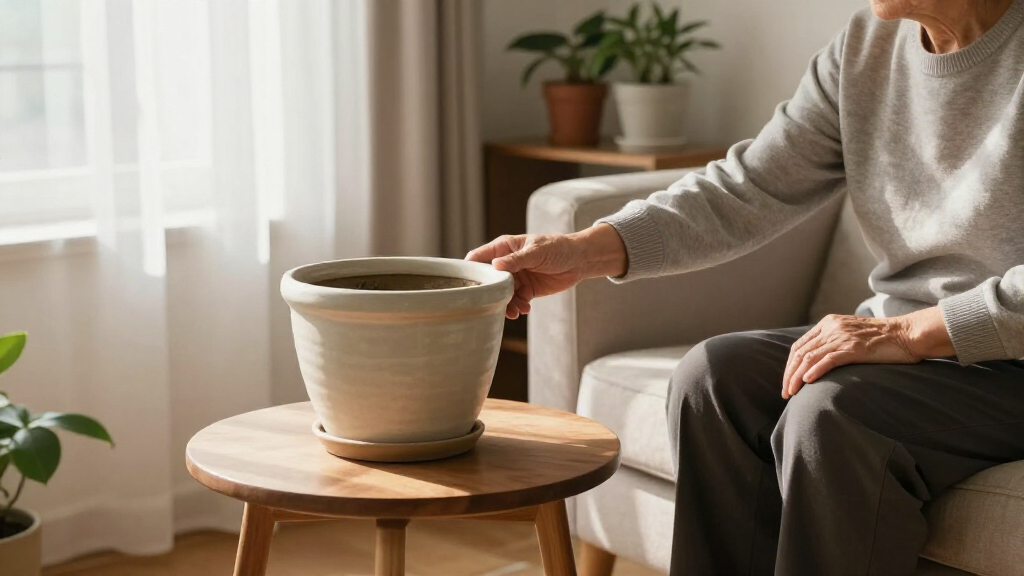
An open underside can matter more than extra height. Knee and foot clearance allows a wheelchair or chair to approach the growing surface without a solid wall in the way.
Test chair + elbows + feetBuild around comfortable reach—not maximum reach
A gardener should be able to water, prune, harvest, inspect drainage, and retrieve tools without leaning off balance or holding an awkward posture.
Vertical reach reference
Common elevated planters sit within a broader reach range. Obstructions, deep containers, and mature plant growth can reduce practical access.
Match the planter to the gardener and the space
The most accessible option is the one that keeps high-frequency tasks close while remaining stable, reachable, and simple to maintain.
| Planter type | Best use | Reach advantage | Watch for | Accessibility fit |
|---|---|---|---|---|
| Raised bed | Standing or side access | Reduces bending | Center may be too far away | Strong |
| Elevated planter | Standing or seated use | Height plus knee clearance | Legs and frame must resist tipping | Excellent |
| Tabletop garden | Seated gardening | Shallow, close working surface | Limited root depth | Excellent |
| Vertical planter | Small footprints | Many plants in less space | Upper and lower pockets may be inaccessible | Plan carefully |
| Locking casters | Flexible positioning | Moves for sun and access | Wheels must lock securely | Adaptable |
| Self-watering | Lower-maintenance care | Reduces watering frequency | Fill point and gauge must remain reachable | Helpful |
Small features make a large difference
Accessibility extends beyond reaching the leaves. Construction, drainage, grip, tool storage, and water access all shape the real effort required.
Resist leaning and tipping
Choose a wide base, strong frame, adequate weight, or secure anchoring—especially for tall and narrow containers.
Protect hands and hips
Smooth corners and broad rims reduce cuts and bruises while providing a more comfortable gripping surface.
Shorten the heaviest task
Use a nearby tap, lightweight hose, drip system, or reachable self-watering reservoir to reduce carrying.
Keep paths dry
Route runoff away from walking areas. Standing water can damage plants and create a slippery surface.
Keep essentials within reach
A built-in tray or ledge reduces repeated bending, searching, and the risk of dropping tools.
Plan for future growth
Place frequently harvested crops lower and avoid trellises that move fruit or maintenance beyond a safe reach.
From personal needs to a usable garden
Follow this sequence before purchasing or building. Each decision protects the next one from becoming an accessibility barrier.
Observe
Note standing, seated, balance, grip, and fatigue needs.
Measure
Check elbow height, forward reach, chair, knees, and feet.
Place
Choose level access near the home, sunlight, shelter, and water.
Test
Simulate watering, pruning, harvesting, and tool handling.
Adapt
Add mobility, irrigation, seating, shade, or storage as needs change.
Final buying checklist
How to Pick the Perfect Height for Your Garden Planters
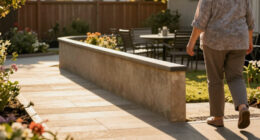
The right height is the foundation of accessible gardening. For standing users, waist-high planters—around 70–90 cm (28–36 inches)—are usually best. These heights align with natural arm movement, reducing the need to bend or stretch, and help prevent back strain. For seated gardeners or wheelchair users, a height that allows comfortable elbow and hand placement—roughly 70 cm (28 inches)—ensures they can tend to plants without overreaching or awkward postures.
Choosing the correct height impacts not just comfort but also safety. When plants are too low, gardeners often bend excessively, risking back pain or falls. Conversely, overly high planters might be hard to reach or require dangerous stretching. Testing different heights with your own arm or a helper’s can help you find a natural, balanced position. Also, consider plant type; taller plants like tomatoes may require slightly higher placement to accommodate growth without crowding or bending.
Ultimately, selecting the right height minimizes physical stress and encourages regular gardening activity, which is critical for health and well-being. The goal is to create a setup that encourages engagement without compromising safety or comfort.
Products Worth Considering

Bose TV Speaker Compact Soundbar with Bluetooth and HDMI-ARC, Black

Shark PowerPro Reveal Plus Cordless Vacuum Cleaner, Charcoal, IZ376H

Samsung 85-Inch QN70H Neo QLED 4K Smart TV (2026)
As an affiliate, we earn on qualifying purchases.
Designing Planters with Easy Access in Mind
Beyond height, the shape and placement of your planters influence ease of access and safety. Narrow, elongated raised beds—around 45–60 cm (18–24 inches) deep—are easier to reach into from one side, which reduces the need for stretching and twisting that can strain muscles and joints. Wide planters exceeding 90 cm (36 inches) can force gardeners to lean or twist awkwardly, increasing the risk of muscle pulls, falls, or joint stress. When designing for dual access, keeping the width within 90–120 cm (36–48 inches) ensures reaching across remains manageable without overextending, which could compromise balance or cause fatigue.
Positioning your planters thoughtfully is equally important. A gardener seated comfortably should be able to reach all parts of the planter without overextending. This means placing planters at a height and location that match the gardener’s natural movement range. Clear, level pathways—at least 45–60 cm (18–24 inches)—are essential to facilitate safe movement, prevent trips, and allow for easy repositioning or resting, especially for those using walkers or wheelchairs. These pathways serve as safe corridors that minimize the risk of accidents and make tending more efficient.
Strategic placement also involves considering environmental factors. Positioning planters in areas with optimal sunlight, close to water sources, and away from obstacles ensures that gardeners don’t have to make unnecessary movements that could tire or strain them. Designing your garden with these considerations creates a workspace that promotes safety, reduces physical effort, and encourages consistent care of your plants.
Choosing the Best Types of Planters for Accessibility
Different planter styles serve different needs, but understanding their implications helps you make informed choices. Raised beds are excellent for standing or seated gardeners because their narrow, deep design allows easy reach from one side, reducing the need for bending or overreaching. Elevated planters on legs provide extra height, offering knee clearance and making it easier for wheelchair users to tend to plants without strain. Tabletop gardens are ideal for small spaces and seated gardening, placing plants at waist or sitting height, which minimizes bending.
Vertical planters maximize limited space and can be highly accessible if designed correctly. They allow gardeners to grow multiple plants in a small footprint, but sections placed higher up may be out of reach for some users. Carefully selecting which plants go where—placing high-maintenance or frequently harvested crops at lower levels—can optimize accessibility. Planters on casters add mobility, enabling repositioning for sun, shade, or ease of access, but ensure wheels can lock securely to prevent accidental movement during tending.
Considering your space, mobility, and plant preferences will guide you toward the most practical and accessible choices. For example, a vertical wall of herbs is space-efficient but requires planning to ensure each section is within comfortable reach—avoiding overly high pockets that could cause strain or frustration.
Features That Make Gardening Safer and Easier
Design details matter greatly in reducing fatigue and hazards. Rounded edges on planters prevent bruises and cuts, especially when moving or working close to the edges. Built-in ledges or tool trays keep essential gardening tools within easy reach, minimizing unnecessary movement and reducing the risk of dropping or losing tools. Broad, textured rims enhance grip, providing stability when lifting or carrying planters, even when wet or heavy, thus preventing slips and falls.
Imagine a sturdy, rounded planter with a wide, textured rim—easy to lift, move, and handle. Adding a shaded corner or a built-in bench creates a safe, comfortable workspace that encourages longer, more relaxed gardening sessions. Stability is crucial; wide bases and secure anchoring prevent tipping when leaning or pulling, especially on uneven surfaces. Drainage holes should be easy to access, and their runoff routes should be designed to prevent slips or water pooling, which can cause accidents.
Incorporating these features not only enhances safety but also promotes independence and confidence in gardening activities. Thoughtful design reduces physical stress and minimizes hazards, making gardening a safer, more enjoyable hobby for everyone.
Frequently Asked Questions
What is the best planter height for someone who cannot bend?
The ideal height is usually around 70–90 cm (28–36 inches), matching the user’s comfortable elbow and hand position. Testing different heights helps find the most natural, strain-free level.
How wide should an accessible raised bed be?
Reachable from one side, about 45–60 cm (18–24 inches) deep. When accessed from both sides, 90–120 cm (36–48 inches) wide provides enough space without overstretching. This width balances accessibility with stability, allowing users to reach all parts comfortably without overextending or risking imbalance.
What planter works best for a wheelchair user?
An elevated planter with knee and toe clearance, a shallow reach depth, and a stable, lockable base makes gardening accessible and safe for wheelchair users. Position it close to water sources for convenience. Ensuring the height and access points are tailored to individual needs maximizes independence and reduces fatigue.
Are vertical planters accessible?
They can be, but only the middle or lower sections tend to be within comfortable reach. Place high-maintenance plants in pockets that are easiest to tend, and avoid the uppermost sections if they’re out of reach. Proper placement and design can make vertical planters a practical option for limited mobility, but careful planning is necessary to prevent strain or frustration.
How can watering be made more accessible?
Use nearby taps, lightweight hoses, drip irrigation, or self-watering planters with easily accessible fill points. These options reduce effort and make regular watering more manageable, preventing the need for awkward reaches or lifting heavy watering cans. Incorporating accessible watering systems ensures consistent hydration with less physical effort, supporting healthier plants and happier gardeners.
Conclusion
Gardening should be a joy, not a strain. By selecting planters that match your height, mobility, and space, you turn a chore into a relaxing activity. Think of your garden as an extension of your home—a place where comfort and safety come first.
Every gardener deserves to enjoy the simple pleasure of tending plants without pain or risk. With a few thoughtful choices, you can create a garden that welcomes you at every step, making every harvest a small victory for your well-being.