TL;DR
Prime for Young Adults — start your free trial
Fast free delivery, streaming and member deals for eligible 18–24 year olds.
Try it freeAs an affiliate, we earn on qualifying purchases.
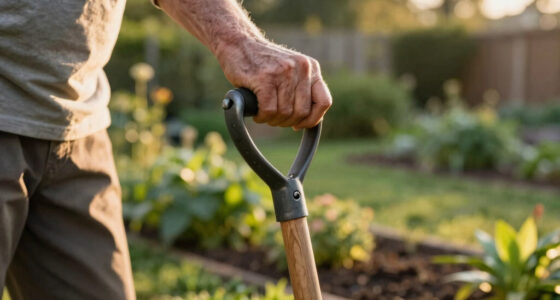
Gardening without bending or kneeling is all about smart design—raising beds, creating accessible paths, and using long-handled tools. Simple changes can transform your gardening experience into a safer, more comfortable activity.
Imagine pulling weeds or harvesting vegetables without bending at the waist or kneeling on the ground. It’s not just a dream for those with back pain, arthritis, or limited mobility — it’s easily achievable with some thoughtful redesign. The secret lies in creating a garden that works with your body, not against it.
In this guide, you’ll learn practical steps to elevate your garden, simplify your tasks, and select tools that extend your reach. These tips will help you enjoy gardening safely, preserve your dignity, and keep your green thumb active for years to come.
Adjust your garden layout by raising beds and creating accessible paths to reduce bending and kneeling.
Use long-handled, ergonomic tools to extend your reach and minimize joint strain during gardening tasks.
Plan your planting zones between knee and shoulder height to prevent repetitive reaching and twisting.
Choose low-maintenance plants that need less pruning, watering, and harvesting from ground level.
Pace yourself—short sessions, regular breaks, and proper posture keep gardening safe and enjoyable over time.
How to Garden Without Bending or Kneeling
Bring the garden to a comfortable working height, extend your reach, and remove unnecessary lifting. A few thoughtful design choices can protect your back, knees, and balance while keeping every rewarding part of gardening within reach.
01 / Raise the growing zone
Bring plants up to you
The most effective change is usually height. Position soil, stems, and harvests between knee and shoulder level so routine work can happen with a neutral spine and relaxed shoulders.
Waist-high beds
28–36″Choose the final height around the primary gardener, then test reach before construction. Stable walls and a level base are essential.
Open-under beds
24–30″A trough or table planter uses less soil and can provide knee and toe clearance for a wheelchair or garden chair.
Trellises and towers
Up, not outTrain peas, cucumbers, beans, and compact vines vertically so tending and harvesting happen within arm’s reach.
Design for reach
Measure from the edge to the center without leaning.
02 / Safe circulation
Make every path steady
Accessible beds only work when the route to them is firm, predictable, and free of obstacles. Good paths reduce falls, conserve energy, and make mobility aids easier to use.
Passage plus turning room
Allow about 3 feet of clear width for movement and, where possible, a 5-foot turning area for wheelchairs and walkers. Exact public-access requirements vary by location.
03 / Extend reach
Choose tools by posture
The right tool lets you work upright without forcing the wrist, shoulder, or back. Longer is not automatically better: prioritize low weight, balance, grip comfort, and task control.
| Tool type | Upright work | Control | Best use |
|---|---|---|---|
| Long-handled weeder | ✓ Strong | ✓ Good | Small weeds and shallow roots |
| Telescoping cultivator | ✓ Strong | ~ Variable | Loosening soil at different heights |
| Grabber tool | ✓ Strong | ~ Moderate | Debris and fallen produce |
| Ratcheting pruner | ~ Task-based | ✓ High | Reducing hand force on stems |
| Short hand trowel | ✗ Limited | ✓ High | Elevated containers only |
04 / Reduce the workload
Design out repetitive strain
Every avoided lift, watering trip, and ground-level weed adds up. Place supplies near the work zone and choose plants and systems that need less intervention.
Roll instead of carry
Use a cart with large wheels, move materials in small amounts, and place soil bags on a bench before opening. Fill permanent planters where they will stay.
Bring water to plants
Install drip irrigation, soaker hoses, or self-watering containers. Add a lightweight hose wand and keep the reel close to the growing area.
Cover bare soil
Mulch with wood chips, straw, or bark; plant densely where appropriate; and remove young weeds early with a standing weeder.
Select compact plants
Try dwarf varieties, bush beans, patio tomatoes, elevated herbs, and disease-resistant cultivars suited to local conditions.
Train crops upward
Trellis cucumbers and peas. Avoid crops that demand ground-level harvesting unless their growth can be redirected vertically.
Work in short sessions
Pause before pain begins. Alternate tasks, change position regularly, stay hydrated, and avoid twisting while lifting.
Your five-part garden reset
Start with the change that removes your most frequent painful movement, then improve the garden one zone at a time.
Raise beds
Move soil and harvests to a comfortable height.
Widen paths
Create firm routes and generous turning areas.
Extend tools
Work upright with light, balanced handles.
Reduce carrying
Store supplies nearby and move loads on wheels.
Pace the work
Use brief sessions, breaks, and varied tasks.
Most gardening strain begins with layout and excessive reaching. Create a garden that works with your body, not against it.
Raise Your Plants to a Comfortable Height
The easiest way to prevent bending is to lift your plants up to waist or chest height. This means choosing the right raised beds, containers, and vertical gardens tailored to your reach. For example, a waist-high raised bed around 30 inches tall can eliminate most bending for a standing gardener.
Wheelchair users and those with mobility aids benefit from even taller beds, typically 24–30 inches, with enough knee and toe clearance. Think of a long, sturdy trough on legs or a set of large containers on a raised table. Vertical gardens — like trellises or wall-mounted planters — also put crops within arm’s reach. When designing, keep the bed narrow enough to reach the middle from one side—about 2 feet wide—so you don’t need to stretch or lean.
Raising beds and vertical gardens matter because they directly influence your posture and effort level. When plants are at a comfortable height, you reduce unnecessary strain on your back, shoulders, and knees, which can prevent pain and injury over time. However, tradeoffs include considering the stability and weight of taller beds, especially when filled with soil, which may require sturdy construction and careful placement. Balancing height with accessibility and safety ensures you get the benefits without creating new hazards.
raised garden beds for accessible gardening
As an affiliate, we earn on qualifying purchases.
As an affiliate, we earn on qualifying purchases.
Design Pathways That Keep You Safe and Steady
Accessible paths are just as vital as raised beds. Use firm, level, slip-resistant surfaces—think concrete, pavers, or compacted gravel—avoiding loose gravel or deep mulch that can cause slips or trips. Allow around 3 feet of width for easy movement, and add wider turns—about 5 feet—if you use a wheelchair or walker.
Imagine strolling through your garden on a smooth, even path, pausing at a bench or watering station. Incorporate handrails, shade, and resting spots. Keep hoses, tools, and bed edges out of the main walkways to prevent accidents. Overall, well-designed paths reduce the risk of falls and make tending your garden more relaxed and enjoyable.
Thoughtful pathway design matters because it directly impacts your safety and mobility. Uneven, narrow, or cluttered paths can lead to trips, falls, or overexertion, especially for those with balance issues or limited strength. Choosing durable, non-slip materials and designing wide, straight routes minimizes these risks. Including features like handrails and resting spots further supports stability and confidence, encouraging longer, more comfortable gardening sessions. The tradeoff may be increased initial effort and cost, but the long-term safety benefits are well worth it.
long-handled ergonomic gardening tools
As an affiliate, we earn on qualifying purchases.
As an affiliate, we earn on qualifying purchases.
Use Long-Handled and Telescoping Tools for Easy Access
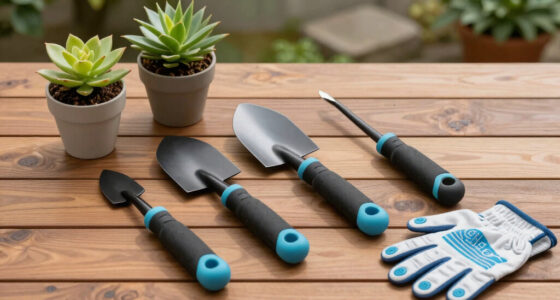
Extending your reach with specialized tools makes a huge difference. Long-handled hoes, weeders, pruners, and trowels are game changers. Telescoping handles allow you to adjust length on the fly—useful for different tasks and body positions. For example, a long-handled cultivator can loosen soil at arm’s length, avoiding the need to bend or kneel.
Pick lightweight tools with soft grips, large paddings, or angled handles to reduce joint strain. Grabbers and powered pruners help reach high or distant spots without overextending. Remember, the best tool isn’t necessarily the longest—aim for a comfortable length that lets you work naturally without causing fatigue.
Using tools with extended reach and ergonomic design matters because it significantly reduces physical strain and the risk of injury. For instance, a telescoping pruner allows you to trim high branches without climbing a ladder, reducing fall risk. Long-handled tools enable you to work while standing upright, decreasing back and knee stress. The tradeoff is that longer tools may be heavier or less precise, so choosing lightweight, well-balanced options is key to maximizing their benefits and minimizing fatigue.
As an affiliate, we earn on qualifying purchases.
Limit Lifting and Carrying to Prevent Strain
Heavy soil bags, watering cans, and large containers are common sources of back injuries. To avoid this, store supplies close to where you work, and carry only small amounts at a time. Use carts with big wheels to move soil or plants, making heavy loads easier to handle. For instance, filling a wheeled cart with soil and rolling it to your bed saves your back from lifting.
When lifting cannot be avoided, keep the load close to your body, bend your knees, and avoid twisting. Consider installing drip irrigation or self-watering containers to cut down on manual watering. Small adjustments like these can prevent fatigue and injuries over time.
Practical tips for reducing heavy lifting matter because improper lifting techniques are a leading cause of injury among gardeners. Carrying heavy loads with poor posture strains your back, shoulders, and knees, which can cause acute injuries or chronic pain. Using carts or trolleys distributes weight more evenly and reduces the effort needed. Additionally, designing your garden with ergonomic watering solutions minimizes the need to lift heavy cans repeatedly, making your gardening safer and less physically demanding overall.
As an affiliate, we earn on qualifying purchases.
Choose Plants That Require Less Maintenance
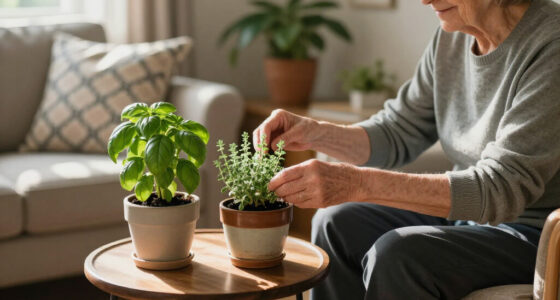
Picking the right plants means less bending, pruning, and frequent harvesting. Opt for compact or dwarf varieties, bush beans instead of sprawling types, and trellised cucumbers or peas. For example, patio tomatoes in tall containers are easy to pick without bending. Herbs like basil or parsley in raised planters stay within arm’s reach.
Perennials that tolerate less care, ground covers that suppress weeds, and disease-resistant cultivars mean fewer trips to the garden and less physical effort. Avoid demanding plants that need constant deadheading or aggressive pruning—these can turn gardening into a chore.
Choosing low-maintenance, high-yield plants matters because it directly influences your time and energy investment. Plants that require less frequent pruning or watering reduce the physical effort needed, especially if they are suited to your local climate and soil. While some plants might produce less or require specific conditions, the tradeoff is a more manageable, enjoyable garden that minimizes physical strain and maximizes your gardening pleasure over time.
Stop Weeds Before They Take Over
Weeding is one of the most back-breaking tasks. Prevent it by covering bare soil with mulch—wood chips, straw, or bark—so weeds can’t take root. Dense planting also shades the soil, discouraging weed growth. Remove weeds when they’re small using a long-handled hoe or standing weeder, avoiding bending or kneeling.
For example, laying down cardboard beneath mulch at the start prevents weeds from sprouting, saving hours of pulling later. Self-watering planters or subirrigated containers also help by keeping soil moist and less prone to weed invasion.
Preventive measures like mulching and early weed removal matter because they significantly reduce the physical effort needed for weeding. Weeds that are pulled when small are easier to remove and less likely to cause damage to your plants or soil structure. Mulching acts as a barrier that minimizes weeds from establishing, saving you from hours of physically demanding manual weeding, and promoting a healthier, more manageable garden environment.
Keep Crops Within a Comfortable Reach Zone
Position your plants and controls between knee and shoulder height. This way, you avoid repeated overhead reaching, deep leaning, or twisting. For example, use tall trellises for cucumbers or beans, keeping the harvest within arm’s reach. Place watering controls and tools nearby, so you don’t have to stretch or bend excessively.
This simple adjustment minimizes strain, especially for those with joint issues or balance concerns, making every garden task safer and less tiring.
Thoughtful placement of plants and tools within a comfortable reach zone is crucial because it directly reduces the need for awkward postures that can cause joint pain, fatigue, or falls. By keeping frequently accessed items at waist to shoulder height, you eliminate unnecessary strain on your back, shoulders, and knees. This approach enhances safety and efficiency, encouraging longer, more comfortable gardening sessions. The tradeoff might be some reorganization of your garden layout, but the health benefits and ease of access outweigh these challenges.
Pace Your Gardening to Avoid Overexertion
Gardening in short, manageable sessions prevents fatigue and injury. Take breaks often, switch tasks, and change positions. Garden during cooler mornings or evenings to avoid heat exhaustion. Keep a sturdy chair or leaning stool nearby for resting.
For instance, spend 15-minute intervals working, then rest for 5 minutes. Stop immediately if you feel dizzy, numb, or overly tired. Listening to your body keeps gardening safe and enjoyable, even on tough days.
Maintaining a mindful pace is essential because it helps prevent overexertion, which can lead to muscle strains, joint pain, or falls. Short, focused sessions allow your body to recover and reduce the likelihood of injury. Regular breaks and adjusting your work to your energy levels ensure that gardening remains a pleasurable activity rather than a source of fatigue or pain. The tradeoff is that gardening may take a bit longer overall, but the safety and comfort benefits are invaluable for sustained enjoyment.
Designing the Perfect Raised Bed for Accessibility
When building or choosing a raised bed, consider height, width, and materials. The ideal height depends on your reach — test by sitting or standing at a mock-up. Aim for 28–36 inches for standing gardeners, and adjust based on your comfort.
Keep beds narrow—around 2 feet wide from one side, or 3–4 feet if approached from both sides—so you can reach every corner without leaning. Rounded edges and a broad top surface provide resting spots and reduce injury risk. Heavier soils need strong materials like treated wood, metal, or masonry—avoid weaker or unsafe options.
Designing or selecting raised beds with these considerations in mind is crucial because it directly impacts ease of access, safety, and durability. Proper height and width enable you to tend your plants comfortably without unnecessary strain, while sturdy materials prevent accidents and ensure longevity. Crafting or choosing a raised bed that fits your physical needs allows you to garden independently and confidently, turning a simple structure into a vital tool for your gardening success.
Frequently Asked Questions
How high should a raised garden bed be to avoid bending?
For most standing gardeners, 28–36 inches is comfortable. The best height depends on your stature and reach. Testing a mock-up or temporary setup before building helps find your ideal height.How wide should an accessible raised bed be?
A bed reached from one side should be no more than 2 feet wide. If approached from both sides, 3–4 feet is manageable, provided you can reach the center comfortably without leaning.What is the best garden setup for a wheelchair user?
Level, firm paths with at least 3 feet of width, beds with knee clearance, and reachable tools are key. Use tabletop planters and consider pulley systems for hanging baskets to avoid overhead reaching.Can vegetables grow in shallow elevated planters?
Many greens, herbs, radishes, and strawberries thrive in 6–12 inches of soil. Deep-rooted vegetables like tomatoes and carrots prefer at least 12–18 inches for healthy growth.What vegetables are easiest to grow without bending?
Trellised peas, pole beans, cucumbers, compact tomatoes, peppers, and herbs in waist-high containers are excellent options, making harvests easy without bending.Conclusion
Gardening without bending or kneeling isn’t just a dream — it’s a matter of simple design choices and smart planning. Elevate beds, craft safe pathways, and pick the right tools to turn your garden into a safe, comfortable space where you can nurture plants and your well-being.
Remember, the best garden is one that adapts to your needs and keeps you connected to nature without risking your health. So, start with small changes, and watch how your gardening experience transforms into a safe, joyful activity you can enjoy for years to come.
Fall Picks
fall essentials
As an affiliate, we earn on qualifying purchases.