TL;DR
A fridge list, combined with emergency contacts, offers quick access to vital information during emergencies. Regular updates and clear placement make it a simple yet powerful safety tool that saves lives and reduces chaos.
Place a clearly visible, laminated fridge list with your critical medical and contact info.
Choose reliable, nearby emergency contacts and brief them thoroughly.
Use both paper and digital IDs for layered safety and quick access.
Review and update your info at least annually or after any change.
Avoid including sensitive, non-essential info on visible lists to protect your privacy.
Household safety / rapid-response guide
Emergency contacts, ready at a glance.
A clear fridge list puts essential contacts, allergies, medications and care preferences where responders and helpers can find them fast. One visible sheet can reduce confusion when every second matters.
01 / Build the sheet
What belongs on the fridge list?
Prioritize information that changes immediate care or tells a helper whom to call. Use large type, strong contrast and clean printouts instead of handwritten corrections.
Emergency contacts
Name, relationship and phone numbers. List contacts in priority order and identify anyone who holds medical power of attorney.
Conditions & allergies
Include major diagnoses, mobility needs and especially drug allergies or treatment risks such as blood thinners.
Medicines & dosages
Record current medication names, dosage, schedule and prescribing doctor. Remove discontinued medicines immediately.
Doctors & providers
Add the primary physician, preferred hospital, pharmacy and the location of advance directives—not the full documents.
People, pets & aids
Note children, pets, special needs, hearing or communication needs, and the location of essential mobility equipment.
Immediate assistance
Include 911 or the local equivalent, US Poison Control at 1-800-222-1222 and relevant utility emergency lines.
Placement is part of the safety system.
Use a magnetic pouch or sleeve on the front of the refrigerator at eye level. Add a clearly visible “Emergency Info” decal so responders and unfamiliar helpers know where to look.
02 / Choose the people

Safety Magnets by ZOCO – in Case of Emergency (ICE) Contact Magnet for Seniors – File of Life Medical Information Card for Fridge – 5.25"x8.5" Laminated Emergency Reference with Marker
Stay Prepared for Emergencies – Helps first responders access your medical history, medications, allergies, emergency contacts, and more…
As an affiliate, we earn on qualifying purchases.
As an affiliate, we earn on qualifying purchases.
Contacts need a role—not just a phone number.
A nearby person can respond quickly; a trusted relative or legal decision-maker may be better suited for care decisions. Assign both functions when possible.
Select
Choose reliable nearby contacts plus someone authorized and prepared to make decisions.
Ask
Get explicit permission. Confirm their willingness, availability and preferred phone number.
Brief
Explain conditions, medications, care wishes, preferred hospital and what to do when called.
Reconfirm
Check details every 6–12 months and after any health, medication or contact change.
Use precise instructions: “Call emergency services first, then my daughter. My medication list is in the green fridge pouch.” Clear sequencing prevents hesitation and conflicting assumptions.
03 / Compare access points
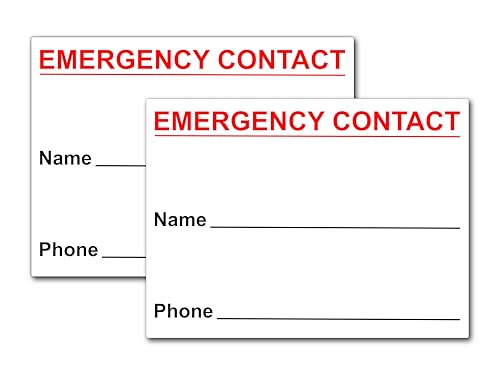
Magnetic Emergency Contact Card, 4×3 Emergency Contact Magnet with Stickers, In Case of Emergencies Card, Important Information for Kids Children Babysitter Responders, Emergencies Numbers Magnet 2pcs
Emergency Contact Magnet – Each magnetic emergency contact card measures 4.0 x 3.0 inches and includes adhesive stickers…
As an affiliate, we earn on qualifying purchases.
As an affiliate, we earn on qualifying purchases.
Paper first. Digital as backup.
No single method works in every scenario. The strongest setup combines a visible fridge sheet with portable and digital copies.
| Access method | Works without power | Easy for responders | Travels with you | Maintenance note |
|---|---|---|---|---|
| Fridge list | ✓ Yes | ✓ High | ✗ No | Replace the printed sheet after every change |
| Wallet card | ✓ Yes | ~ Moderate | ✓ Yes | Keep concise and verify it remains legible |
| Phone Medical ID | ✗ No | ✓ High | ✓ Yes | Enable locked-screen emergency access |
| Wearable / alert device | ✗ No | ~ Varies | ✓ Yes | Charge, test and confirm contact routing |
| QR medical profile | ✗ No | ~ Varies | ✓ Yes | Check privacy, fees and provider continuity |
04 / Layer the backups

Emergency Medical Information Kit for Fridge – “File of Life” Style Magnet Packet with In Case of Emergency Forms, Medication List & Contact Cards – For Seniors, Elderly, EMTs & First Responders
✅ EMERGENCY INFORMATION WHERE EMTs EXPECT IT Place this Emergency Medical Information Kit on your refrigerator—the first place…
As an affiliate, we earn on qualifying purchases.
As an affiliate, we earn on qualifying purchases.
Build multiple paths to the same essentials.
The bars show access coverage, not percentages. Wider coverage means the information remains available across more locations and failure scenarios.
Redundancy reduces single-point failure.
A phone can be dead, locked or left behind. A paper list can remain at home when an emergency happens elsewhere. Pairing both makes critical information accessible across more situations.
Keep every copy synchronized. Contradictory medication lists or outdated phone numbers can create more confusion than a missing backup.
05 / Protect & maintain
Everlit Survival Car Emergency Kit, Roadside Safety Tool Kit with Gloves,Digital Auto Air Compressor Tire Inflator, First Aid Kit, 12 Feet Jumper Cable, Tow Strap, Flashlight for Women, Men, Teenagers
The Road Guardian- The portable roadside assistance kit is designed and hand picked by a group of experienced…
As an affiliate, we earn on qualifying purchases.
As an affiliate, we earn on qualifying purchases.
Visible enough to help. Limited enough to protect.
The fridge sheet is a rapid-reference document—not a complete medical or financial record. Include only what supports immediate response.
Privacy boundary
Keep visible
Contacts, allergies, current medications, critical conditions, doctors, care preferences and household needs.
Keep secure
Social Security numbers, bank details, security codes, passwords and full confidential medical files.
Review cadence
Update immediately after medication, diagnosis, address or contact changes. Otherwise, schedule a review every 6–12 months—often paired with a birthday or seasonal clock change.
Emergency decal identifies the information location
Fridge placement gives helpers a predictable access point
Large, high-contrast print surfaces essential facts quickly
Dated updates reduce stale or contradictory information
Contacts and responders can coordinate the next step
Why the refrigerator is the best place for your emergency info
Most emergency responders are trained to look on or near the fridge when they arrive. The reason? It’s a central, visible spot in most kitchens, where quick access to critical info is essential. A magnetic pouch or sleeve makes it easy to update without fuss. Plus, the bright red decal indicating ‘Emergency Info’ catches the eye instantly.
For example, a neighbor sprinting to check on an elderly neighbor during a fall can find the list in seconds, informing paramedics about allergies, medications, and who to call first. This quick check can shave precious minutes off response time, improving outcomes significantly.
What exactly should go on your emergency fridge list
Here’s a comprehensive checklist to help you get started:
- Emergency contacts: Name, relationship, phone numbers (priority order). Include someone who can make decisions if needed.
- Medical essentials: Conditions, allergies (especially drug allergies), medications with dosages, prescribing doctor, blood type if known, primary physician, preferred hospital, pharmacy.
- Insurance & ID info: Policy numbers, Medicaid/Medicare, location of advance directives.
- Household info: Children, pets, anyone with special needs or mobility aids.
- Standard emergency numbers: 911, Poison Control (1-800-222-1222), utility emergency lines.
Having this info on a single sheet, laminated or in a magnetic pouch, means fast, accurate help. Why does this matter? Because during an emergency, every second counts. Clear, consolidated info helps responders quickly assess the situation without hunting for details, which can be life- or death-critical. It also reduces the risk of miscommunication or missed information, especially when family members or unfamiliar responders are involved. The tradeoff is balancing detail with simplicity—too much info can be overwhelming, but too little might omit crucial details needed for immediate care.
How to choose and brief your emergency contacts
- Select reliable, nearby contacts: Think of a neighbor, a close family member, or a trusted friend who lives close enough to respond quickly. Why? Because in an emergency, proximity can mean the difference between prompt help and delayed response. Choosing someone far away might not be practical for immediate response but can be valuable for decision-making or follow-up communication.
- Ask permission: Make sure they’re willing and prepared to act as your emergency contact. Respect their time and comfort level; not everyone can or wants to take on this responsibility, which is crucial for avoiding misunderstandings during crises.
- Brief them thoroughly: Share your health conditions, medications, and what you’d want them to do if called—like calling your doctor or making decisions. Clarify your wishes to prevent confusion or unwanted interventions, which can be vital during a stressful emergency. For example, instructing them on your preferred hospital or whether you want resuscitation helps ensure your wishes are honored.
- Keep them updated: Review the list annually or after any health or contact change. Regular updates prevent outdated or incorrect info from leading to ineffective responses. This ongoing communication builds trust and ensures everyone is prepared, reducing the risk of missteps during a crisis.
For instance, telling your neighbor, “If I fall or have a stroke, call my daughter first, then 911,” helps everyone act swiftly and appropriately. This clarity minimizes confusion and speeds up the response, which can be critical for outcomes.
Using digital tools and backups to keep info handy
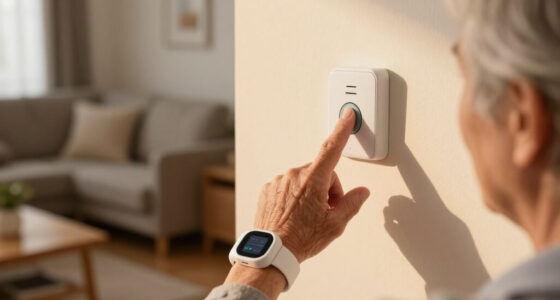
Digital IDs like Apple’s Medical ID or Android’s emergency info are a great supplement. They can be viewed even when your phone is locked, providing first responders instant access to key info. Wearables like medical alert watches also automatically notify contacts if a fall or emergency happens.
Pair digital IDs with physical copies—like a printed list in your wallet, ICE contacts saved in your phone, and even QR-code wristbands linked to your health profile. Why? Because relying solely on digital can be risky if your device malfunctions, runs out of battery, or is misplaced. Physical backups ensure your critical info remains accessible in any situation. This layered approach enhances safety by providing multiple avenues for responders to access your info quickly, no matter what device or situation they encounter. The tradeoff is ensuring all copies are kept current and secure, so outdated or incorrect info doesn’t cause confusion or privacy concerns.
Privacy tips: what info to keep visible and what to hide
Your fridge list should be a quick-reference guide, not a full medical record. Avoid including sensitive info like Social Security numbers, financial details, or security codes. Instead, focus on contact info, allergies, medications, and critical medical conditions.
Why is this important? Because displaying sensitive information publicly increases the risk of identity theft or privacy breaches. Keeping it limited to essential, non-sensitive data ensures responders can do their job effectively without exposing you to unnecessary risks. For example, listing ‘Allergic to penicillin’ and ‘Blood thinners’ provides critical info without revealing more private details. Store detailed medical documents securely—preferably in a safe or with your healthcare provider. This layered approach balances accessibility with privacy, ensuring that emergency responders have what they need without compromising your security.
Keeping your info up to date: when and how often
Set a reminder to review and update your list at least once a year—many people tie this to daylight-saving time changes or birthdays. Why? Because health conditions, medications, or contacts can change rapidly, and outdated info can lead to ineffective or even harmful responses. For example, if a medication is discontinued or a new emergency contact is added without updating the list, responders might rely on obsolete data, delaying appropriate care. Anytime your medications, contacts, or health conditions change, update your list immediately. This habit ensures your safety net remains reliable and accurate, preventing preventable mistakes during emergencies. Regularly reviewing your list also prompts you to reassess your health and living situation, which can lead to better overall safety planning.
Where to get templates, decals, and program info
Many fire departments, senior centers, and hospitals distribute free ‘File of Life’ or ‘Vial of Life’ kits, which include magnetic forms, decals, and instructions. These resources are designed to make setting up your emergency info straightforward and quick. Using these standardized templates ensures consistency and helps responders recognize your list immediately. You can also find printable templates online to customize your own list, allowing you to include specific details relevant to your needs. The bright, easy-to-read decal is crucial; it signals to responders that vital info is nearby, prompting them to look for your fridge list first. Having these materials ready and visible reduces response time and minimizes stress during emergencies, fostering confidence that your critical info is accessible when it matters most.
FAQs: Your top questions answered
Q: Do paramedics really check the refrigerator? Yes, many are trained to look there for critical info. The fridge is a common, logical spot. Pair it with a decal for best results. This practice is widespread because it’s quick and efficient, especially in urgent situations where time is of the essence. Missing this step could mean vital info is overlooked, delaying care or leading to mistakes.
Q: Who should I pick as my emergency contact? Someone local, reachable, and familiar with your health. Always ask permission first. Their willingness and ability to respond swiftly are crucial. A trusted person who knows your situation can make informed decisions and act promptly, reducing response time and improving outcomes.
Q: How often should I update the list? At least once a year, or after any health or contact change. Regular reviews keep the info accurate, which is essential because outdated data can lead to miscommunication or inappropriate care. Staying current is a simple habit that significantly enhances your safety.
Q: Is it safe to display medical info where visitors can see? Mostly yes—just avoid sensitive details like SSNs or financial info. The benefit of quick access during emergencies outweighs the minimal privacy risk. For added security, keep detailed info in secure locations and only display what’s necessary for immediate response.
Q: What if I have no nearby emergency contacts? Include someone far away for decision-making, plus at least one local person who can respond quickly, like a neighbor or friend. Having a combination ensures that even if local contacts are unavailable, someone can still be reached to assist or make decisions on your behalf.