
TL;DR
Prime for Young Adults — start your free trial
Fast free delivery, streaming and member deals for eligible 18–24 year olds.
Try it freeAs an affiliate, we earn on qualifying purchases.
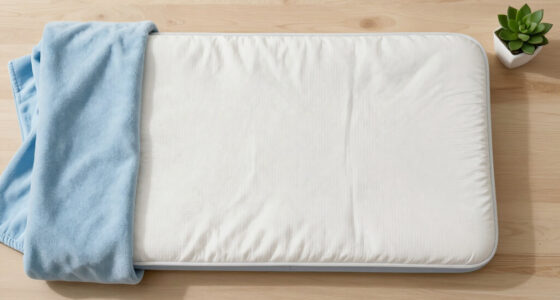
Wedge pillows elevate the upper body to reduce acid reflux, improve breathing, and support post-surgical healing. Choosing the right type and position makes a real difference in comfort and safety.
Imagine lying in bed, feeling the sharp burn of acid reflux or struggling to breathe comfortably. A wedge pillow might be the simplest fix — a supportive incline that transforms your sleep or rest. It’s not just about comfort; it’s about easing symptoms and supporting your body’s needs.
In this guide, you’ll learn how wedge pillows work, which types suit different needs, and how to position yourself for maximum relief and safety. Whether you’re dealing with reflux, respiratory issues, or just want a cozy way to read in bed, understanding proper positioning can make a big difference.
Choose a wedge pillow with the right height (6-8 inches) for effective reflux relief and comfort.
Memory foam wedges mold to your body, offering pressure relief and contouring support.
Secure your wedge with non-slip surfaces to prevent sliding during sleep or repositioning.
Innovations like cooling gels and adjustable designs make wedges more comfortable and versatile.
Regular cleaning and inspection keep your wedge supportive and safe for daily use.
Why a wedge pillow could be your best sleep upgrade
A wedge pillow elevates your upper body, helping to keep stomach acid where it belongs — in the stomach. This elevation reduces the likelihood of acid reflux escaping into the esophagus, which can cause discomfort and disrupt sleep. Additionally, by opening airways, it can improve breathing, especially for those with congestion or sleep apnea. Think of it as a gentle hill that supports your head, shoulders, or legs, depending on your needs.
For example, many people with acid reflux find that elevating their head 6-8 inches not only lessens nighttime discomfort but also minimizes the risk of reflux-related damage to the esophagus over time. It’s a simple fix that can transform restless nights into peaceful sleep, but it must be used correctly; too high or improper positioning might cause neck or back strain, so understanding the proper height and support is crucial.
Proper use of a wedge pillow involves balancing elevation and comfort. Elevating too high can lead to neck or back pain, while too low might not provide sufficient relief. The tradeoff lies in finding that optimal incline that alleviates symptoms without causing new discomfort. Factors such as your bed setup, personal anatomy, and medical conditions influence this balance, so experimenting with different heights and angles can be necessary to find your best fit.
As an affiliate, we earn on qualifying purchases.
The different types of wedge pillows—and which fits your needs best
Wedge pillows come in a few main styles, each suited for different preferences and conditions, but choosing the right type impacts both comfort and effectiveness. Foam wedges provide firm, consistent support, which is ideal for stable elevation. They are durable and maintain their shape over time, providing predictable support, but they might feel less plush or cozy. Inflatable wedges are adjustable, allowing you to fine-tune the height, which is beneficial if your needs change or if you prefer a softer feel; however, they may be less durable over time and could require reinflation or replacement. Memory foam wedges mold to your body shape, offering pressure relief and reducing discomfort from prolonged use, but they can retain heat, which might be uncomfortable for some users. Multi-position wedges offer versatility, letting you customize the angle or combine sections for tailored support, but they tend to be bulkier and more expensive.
Understanding these differences helps you weigh tradeoffs: for example, a foam wedge offers stability and durability but lacks adjustability, while an inflatable provides flexibility but may compromise on long-term support. Your choice should be guided by your specific health needs, comfort preferences, and lifestyle. For instance, a senior recovering from surgery might prioritize stability and support to prevent falls, while a traveler might prefer portability and quick adjustability to accommodate different sleeping environments. Recognizing these distinctions ensures you select a wedge that aligns with your priorities and maximizes comfort and safety.
As an affiliate, we earn on qualifying purchases.
How to position yourself with a wedge pillow for maximum comfort
- Choose the right height—typically 6-8 inches for reflux relief, but this can vary based on individual comfort and medical advice. Too high might cause neck strain or back discomfort; too low might not effectively prevent reflux. Finding the optimal height involves considering your body proportions and comfort levels, as well as consulting healthcare guidance if available.
- Place the wedge securely on a flat, non-slip surface, such as a bed frame or mattress with a non-slip cover, to prevent shifting during sleep. This stability is crucial because any movement can disrupt your positioning, reducing effectiveness and increasing the risk of falls or discomfort.
- Use additional pillows if needed to support your head, neck, or legs, ensuring your entire body is aligned. Proper alignment helps prevent muscle strain, nerve compression, and circulatory issues. The tradeoff here is balancing elevation with comfort—overstuffing with pillows can cause misalignment, while insufficient support can lead to discomfort or exacerbate symptoms.
- Align your spine straight, avoiding twisting or bending, which can lead to pain or nerve compression. Proper positioning distributes weight evenly, maintains natural spinal curves, and enhances overall comfort. Misalignment may cause persistent pain or worsen existing conditions, so paying attention to posture during positioning is essential.
- Adjust your body until you feel comfortable and supported, not strained. Small adjustments can make a significant difference in symptom relief and overall comfort. The goal is to find a position that alleviates symptoms without introducing new discomforts or muscle fatigue, which may require some trial and error.
For example, someone with acid reflux might elevate their head and shoulders to prevent stomach contents from refluxing, but over-elevation can cause neck strain or headaches. Conversely, elevating legs for circulation improvement must be balanced to avoid hamstring or lower back discomfort. Understanding these tradeoffs helps you customize your position effectively, ensuring maximum relief with minimal drawbacks.
adjustable wedge pillow for sleeping
As an affiliate, we earn on qualifying purchases.
As an affiliate, we earn on qualifying purchases.
Safety tips to keep your positioning comfy and secure
While wedge pillows are generally safe, a few precautions can prevent discomfort or accidents that might undermine their benefits. Over-elevation, such as exceeding 12 inches, can strain your neck, back, or even your breathing if you’re not accustomed to such angles. Using a slip-resistant mat or cover helps keep the wedge in place, preventing sudden slips that could cause falls or discomfort. Regularly inspecting inflatable or foam wedges for wear and tear ensures they maintain their supportive integrity; a damaged wedge might lose its shape or support, reducing effectiveness and possibly causing discomfort. Keeping the area clutter-free and ensuring the wedge is stable reduces the risk of falls when getting in or out of bed, especially for seniors or those with mobility challenges.
For example, placing a non-slip rug under the wedge can provide extra grip, and ensuring the wedge fits snugly on your mattress prevents shifting during sleep. These small measures are important because they directly impact safety and the consistent support you receive. An unstable wedge or one that shifts during sleep can cause misalignment, discomfort, or even accidents. Therefore, taking time to secure your setup and regularly check for wear and stability is essential for maintaining a safe sleeping environment that fully benefits from your wedge pillow.
As an affiliate, we earn on qualifying purchases.
Latest trends making wedge pillows even better
Innovations are making these simple supports smarter and more comfortable, addressing both health needs and user preferences. New materials like breathable fabrics and cooling gels help prevent overheating during the night, which can be uncomfortable or disruptive. Adjustable and modular wedges allow you to customize height and angle, accommodating different conditions or changing needs without buying multiple pillows. Some models now include multi-functional features like built-in massagers or storage compartments, adding convenience and relaxation options. Eco-friendly options, such as hypoallergenic, sustainable materials, are increasingly common, making wedges suitable for sensitive skin and environmentally conscious consumers. Tech integration, like sleep monitors and sensors embedded in or around the wedge, provides feedback on your sleep quality and position, enabling smarter adjustments and better health insights.
For example, a recent model might combine memory foam with cooling gel layers and adjustable sections, offering personalized comfort throughout the night. These innovations make wedge pillows more adaptable, durable, and aligned with modern health and comfort trends. As technology advances, future wedges may even feature smart sensors that automatically adjust height or firmness based on your sleep position, further enhancing support and comfort while providing valuable health data.
Choosing your perfect wedge pillow — what to consider
Picking the right wedge starts with understanding your main goal. If you need relief from acid reflux, a firm foam wedge with a gentle incline might be ideal, as it provides stable elevation without compromising comfort. For better breathing or respiratory support, an inflatable or adjustable wedge allows quick modifications to suit your changing needs. Consider the height and angle carefully: 6-8 inches is typical for reflux, but higher elevations may be necessary for certain conditions, though they can increase discomfort if not chosen carefully. Material choice also impacts comfort and durability—memory foam offers contouring support but may retain heat, while inflatable options are lighter and portable but less stable. Size and portability matter too: larger wedges are more stable but less easy to move or store. Additional features like removable covers, anti-slip bases, or built-in adjustments can enhance convenience and safety. Reflect on your specific health issues and preferences to select the best fit, and consult healthcare professionals if uncertain.
For example, someone with acid reflux might prioritize a firm foam wedge with a gentle incline to prevent reflux while maintaining comfort. Conversely, a person with respiratory issues might prefer an inflatable for quick, easy adjustments to optimize airflow. Understanding these tradeoffs helps you make an informed choice that balances support, comfort, safety, and convenience, ensuring your wedge effectively supports your health and sleep quality over the long term.
How to keep your wedge pillow in top shape
Proper care extends the lifespan of your wedge pillow and ensures it remains supportive and comfortable. Most wedges have removable covers, which should be washed weekly with gentle detergent to prevent dust, allergens, and bacteria buildup. Spot cleaning the foam with a damp cloth and mild soap helps maintain cleanliness without damaging the material; avoid soaking, as excess moisture can degrade foam or promote mold growth. Regularly inspect the wedge for tears, sagging, or loss of support—damaged support can lead to discomfort or reduced effectiveness. Replacing worn or damaged wedges promptly ensures continued safety and comfort. For example, a memory foam wedge with a washable cover can stay fresh and supportive for years if properly maintained, avoiding the need for early replacement and ensuring consistent relief from symptoms.
In addition, storing the wedge properly when not in use, avoiding excessive bending or compression, and following manufacturer instructions for cleaning help preserve its supportive qualities. Proper upkeep not only prolongs the life of your wedge but also guarantees that your support remains effective and safe over time. Regular maintenance prevents deterioration that could lead to uneven support or structural failure, which might compromise your safety and comfort. Investing time in cleaning and inspecting your wedge is a small effort that offers long-term benefits, ensuring your support remains reliable and effective for years to come.
Frequently Asked Questions
How do I pick the right wedge pillow for my needs?
Start by identifying your main goal: reflux relief, better breathing, or post-surgical support. Then consider the height, material, and extra features like adjustability or portability. Matching the wedge to your specific needs ensures maximum comfort and effectiveness.
Can wedge pillows help with sleep apnea?
Elevating your upper body can reduce airway obstruction for some sleep apnea sufferers. However, it’s best to consult a healthcare professional to determine if a wedge pillow suits your condition and to explore comprehensive treatment options.
Are wedge pillows safe for pregnant women?
Yes, they can provide relief from heartburn, back pain, and swelling. Just ensure the elevation is gentle and comfortable—usually 6-8 inches—and check with your healthcare provider for personalized guidance.
How do I prevent slipping during sleep?
Use non-slip covers or mats under the wedge, and make sure the wedge fits securely on your mattress. These small steps keep the pillow steady, preventing slips that could cause discomfort or falls.
Can I use a wedge pillow if I have back or neck pain?
Yes, but choose a supportive, properly angled wedge. Avoid pillows that are too high or too soft, which might strain your neck or back. Consulting a healthcare provider can help you select the best option for your body.
Conclusion
Wedge pillows aren’t just a luxury — they’re a simple way to support your body, ease discomfort, and improve sleep quality. By selecting the right type and positioning yourself properly, you turn a basic support into a powerful tool for comfort and health.
Think of it as shaping your bed into a gentle hill, guiding your body into restful alignment. Your best sleep might just be a wedge away.
Fall yard work Picks
leaf blowers
As an affiliate, we earn on qualifying purchases.