
TL;DR
Prime for Young Adults — start your free trial
Fast free delivery, streaming and member deals for eligible 18–24 year olds.
Try it freeAs an affiliate, we earn on qualifying purchases.
Choosing supportive bedding and positioning aids helps reduce discomfort and improve sleep quality. Modern options like adjustable beds and ergonomic pillows customize comfort based on personal health and preferences.
Imagine drifting into a deep, uninterrupted sleep every night. It’s not just a dream — it’s often about the right bedding and support aids. Whether you’re dealing with aches, allergies, or just seeking more restful nights, the choices you make about your sleep setup matter more than you might think.
In this guide, you’ll learn practical ways to enhance your sleep environment. From mattresses to pillows, and innovative tech to eco-friendly fabrics, discover what works best for your unique needs and how to create a sleep sanctuary that truly supports your well-being.
Matching your mattress and pillows to your sleep position dramatically improves spinal alignment and reduces discomfort.
Positioning aids like wedge pillows and body supports can target specific pain points and promote better posture during sleep.
Embracing new tech and eco-friendly materials makes a difference in both sleep quality and environmental impact.
Test different combinations—what works for one person may not suit another. Personal comfort is key.
Investing in quality bedding supports longer, deeper, more restorative sleep, especially important for older adults.
Bedding and Positioning Aids for Restful Sleep
Supportive bedding can turn discomfort, overheating and poor alignment into calmer, longer rest. The most effective setup matches your mattress, pillow and positioning aids to your body, health needs and preferred sleep position.
Replace sooner when sagging or support loss affects comfort.
Refresh for dependable support and improved hygiene.
Keep the head, neck and spine naturally aligned.
Personal comfort matters more than a universal formula.
Choose the mattress by tradeoff, not trend
Pressure relief, airflow, motion isolation and bounce rarely peak in the same mattress. Prioritize the two qualities most likely to remove your personal sleep disruption.
| Mattress type | Pressure relief | Airflow | Motion isolation | Feel | Often suits |
|---|---|---|---|---|---|
| Memory foam | ✓ Excellent | ~ Moderate | ✓ Excellent | Deep contour | Pressure points, couples |
| Latex | ✓ Strong | ✓ Strong | ~ Moderate | Responsive | Hot or allergy-aware sleepers |
| Innerspring | ✗ Limited | ✓ Excellent | ✗ Limited | Firm, buoyant | Traditional feel, easy movement |
| Hybrid | ✓ Strong | ✓ Strong | ✓ Strong | Balanced | Mixed needs and preferences |
| Adjustable bed | ✓ Targeted | ~ Varies | ✓ Custom | Programmable | Reflux, breathing or mobility needs |
A medium-firm memory foam or latex surface often balances contouring with spinal support. Individual comfort varies, so use a meaningful trial period whenever possible.
Match pillow loft to sleep position
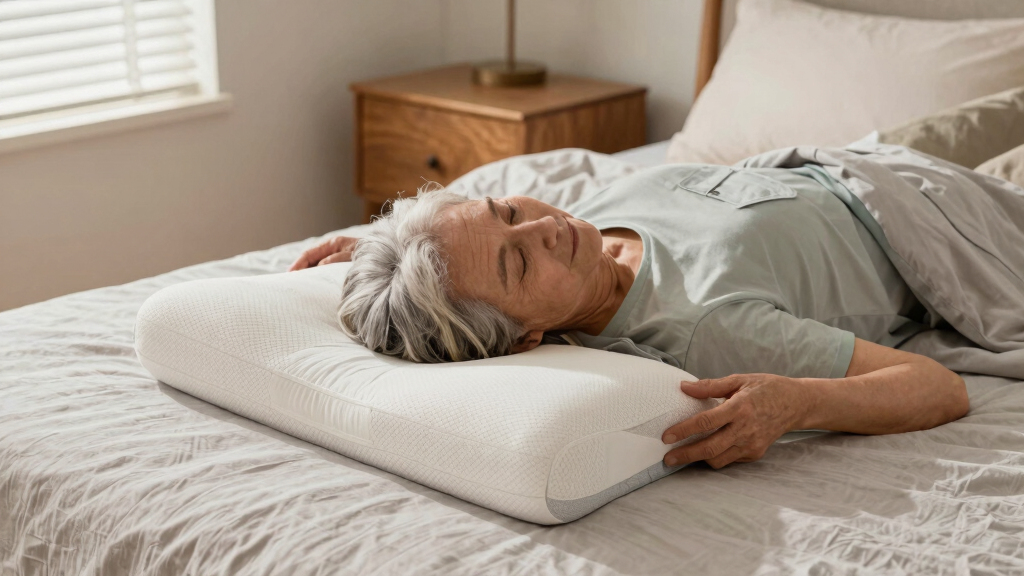
The pillow should fill the natural gap around your head and shoulders without pushing the neck upward or letting it collapse downward.
Side sleeper
Firm + thickerFill the space between ear and shoulder. A shaped memory foam or ergonomic pillow can limit neck tilt while a body pillow reduces torso twisting.
Back sleeper
Medium supportSupport the neck curve without forcing the chin toward the chest. Cervical contours can help maintain a neutral head position.
Stomach sleeper
Soft + thinUse minimal loft to reduce neck rotation and extension. Some sleepers are more comfortable with no head pillow and light torso support.
Positioning aids solve specific pressure and posture problems
Use supports strategically: identify the discomfort, position the aid, then confirm that the rest of the body remains neutral rather than compensating elsewhere.
Wedge pillow
Elevates the torso and may reduce reflux symptoms, breathing difficulty or neck tension when the incline is gradual and stable.
Targets: reflux · airway · elevationBody support
Helps side sleepers keep shoulders, hips and knees stacked while reducing the tendency to twist through the lower back.
Targets: hip · shoulder · spinal neutralitySpecialized cushion
Supports a knee, ankle, shoulder or lumbar curve to redistribute load and reduce concentrated pressure around sensitive joints.
Targets: joints · pressure · chronic painFor arthritis, persistent pain, sleep apnea, mobility limitations or recovery after injury, consult a healthcare professional or physical therapist. An aid that feels soft can still create poor alignment when placed incorrectly.
Technology and materials expand the comfort toolkit
Smart controls personalize the bed’s shape and firmness, while responsive and breathable materials manage heat, allergens and environmental impact.
Sleep-sensing beds
Embedded sensors can monitor movement, sleep patterns and heart rate, producing useful trends for fine-tuning a sleep routine.
Programmable positioning
App-controlled incline and firmness settings provide repeatable support for reflux, breathing issues or chronic discomfort.
Temperature-responsive layers
Cooling gels and phase-change fabrics absorb and release heat to reduce overheating-related awakenings.
Lower-impact materials
Organic cotton, bamboo fibers and biodegradable foams can support sensitive skin and sustainability goals, with cost and durability tradeoffs.
From sleep problem to restorative outcome
A supportive setup works as a connected system. Changing one layer can influence posture, temperature, movement and the quality of the next morning.
Build your sleep sanctuary deliberately
Test one meaningful change at a time. This makes it easier to distinguish a real improvement from the novelty of a new product.
Common bedding questions
Comfort is personal, but these practical starting points help narrow the choices before you test a sleep setup for yourself.
What mattress is best for back pain?
Memory foam and latex are common starting points because they combine support with pressure relief. Medium-firm designs often suit many people, but individual preference remains decisive.
Can positioning aids help with arthritis?
Yes. Soft, supportive wedges and body pillows may reduce joint strain and concentrated pressure. Seek clinical guidance for complex or persistent symptoms.
Do cooling materials work?
Cooling gels, phase-change layers and breathable cotton, linen or bamboo can reduce heat buildup. Room temperature and airflow still play important roles.
What helps with allergies or sensitivities?
Choose washable hypoallergenic covers, breathable natural fibers and antimicrobial options. Regular cleaning and timely pillow replacement also limit allergen buildup.
Can bedding help with sleep apnea?
Adjustable beds and positional aids may support airway positioning, but they are not substitutes for diagnosis or prescribed treatment from a qualified healthcare professional.
Are smart beds worth the investment?
They can benefit sleepers who value tracking, repeatable incline settings or adjustable firmness. Prioritize fundamental comfort before paying for data and automation.
The Best Types of Mattresses for Comfort and Support
Choosing the right mattress is the foundation of restful sleep. Memory foam, latex, innerspring, and hybrid options all offer distinct benefits.
Memory foam molds to your body, providing excellent pressure relief. Latex mattresses are resilient, naturally hypoallergenic, and cool to the touch. Innerspring beds offer firmness and bounce, ideal for those who prefer a more traditional feel. Hybrid mattresses combine these elements, balancing support and comfort.
For example, if you suffer from back pain, a medium-firm memory foam mattress can help align your spine and ease discomfort. The key is testing different types—what works for one person might not suit another.
It’s also worth considering how each mattress type impacts your sleep temperature and motion transfer. Memory foam, while excellent for pressure relief, can trap heat, which might cause discomfort for hot sleepers. Latex and innerspring options tend to promote better airflow, keeping you cooler. Additionally, some individuals prioritize motion isolation—if you share a bed, a mattress that minimizes movement transfer can prevent disturbances, leading to more restful sleep.
Tradeoffs exist: memory foam offers pressure relief but may sleep hotter; innerspring provides bounce but might be less contouring. Understanding these nuances helps you select a mattress aligned with your specific needs, whether pain relief, temperature regulation, or motion disturbance reduction.
As an affiliate, we earn on qualifying purchases.
How to Pick the Perfect Pillow for Your Sleep Style
Getting your pillow right can make or break your sleep quality. The secret lies in matching your pillow to your favorite sleep position.
Side sleepers need a firmer, thicker pillow — think about a pillow that fills the space between your ear and shoulder. Back sleepers benefit from a medium support pillow that keeps your head aligned with your spine. Stomach sleepers require a soft, thin pillow to prevent neck strain.
For example, a person who sleeps on their side might choose a memory foam pillow that offers firm support and maintains its shape all night. The goal: keep your head, neck, and spine in a straight line.
Choosing the right pillow isn’t just about comfort—it’s about maintaining proper spinal alignment throughout the night. An inappropriate pillow can cause neck pain, headaches, or even exacerbate existing shoulder or neck issues. For instance, a too-soft pillow for side sleepers may cause the head to sink too low, twisting the neck, while a pillow that’s too firm for stomach sleepers can increase neck strain. Therefore, selecting a pillow that suits your sleep position and personal comfort preferences directly influences your waking posture and long-term musculoskeletal health.
adjustable bed with remote control
As an affiliate, we earn on qualifying purchases.
As an affiliate, we earn on qualifying purchases.
Using Positioning Aids to Ease Chronic Pain and Improve Alignment
Positioning aids like wedge pillows, body supports, and specialized cushions are more than just comfort accessories—they are strategic tools to promote proper body alignment and reduce pain points that develop over time. Chronic pain sufferers often find that the wrong sleep posture can worsen their symptoms, leading to stiffness, soreness, or nerve compression.
For example, a wedge pillow placed under the upper body can elevate the torso, helping to alleviate acid reflux, reduce neck tension, or ease breathing difficulties. Similarly, a supportive body pillow can help maintain spinal neutrality for side sleepers, preventing twisting that causes shoulder or hip pain. These aids work by redistributing pressure, supporting natural curves, and preventing awkward positions that strain muscles and joints.
When selecting positioning aids, consider your primary discomfort areas and how different supports can target those. For instance, if you experience shoulder pain, a pillow that elevates or cushions that area can provide relief. Proper use involves adjusting the aid to ensure your body remains aligned—an improper setup might inadvertently cause misalignment or discomfort. Consulting a healthcare professional or physical therapist can be invaluable in tailoring these aids to your specific needs, ensuring they serve as effective solutions rather than temporary fixes.
sleep wedge pillow for acid reflux
As an affiliate, we earn on qualifying purchases.
As an affiliate, we earn on qualifying purchases.
Latest Tech and Eco-Friendly Options Changing the Sleep Game
Modern bedding isn’t just about comfort — it’s about smart support and sustainability. Sensors embedded in some beds monitor sleep patterns, heart rate, and movement, offering insights to optimize your rest.
Adjustable beds let you change the firmness or incline with a tap on your phone, helping those with acid reflux or breathing issues find their sweet spot. These technological advancements enable personalized comfort and can even alert caregivers if irregularities are detected during sleep, enhancing safety for vulnerable populations.
Innovative materials like cooling gels and phase-change fabrics actively respond to body temperature fluctuations, providing a consistently comfortable sleep environment. This means you can avoid waking up hot or sweaty, which is often a barrier to deep sleep. Eco-conscious choices include organic cotton covers, bamboo fibers, and biodegradable foams. These options reduce environmental impact while providing gentle support for sensitive skin. The tradeoff with eco-friendly materials can sometimes be cost or durability—so understanding your priorities helps in making sustainable yet practical choices.
As an affiliate, we earn on qualifying purchases.
Frequently Asked Questions
How often should I replace my mattress and pillows?
Most mattresses last about 7-10 years, depending on wear and your comfort. Pillows generally need replacement every 1-2 years to maintain proper support and hygiene. Regularly checking for signs of sagging or loss of support helps you know when it’s time for a refresh.
Can I use positioning aids if I have arthritis?
Yes, positioning aids like wedge pillows and body supports can help reduce joint strain and improve comfort. Always choose aids with soft, supportive surfaces and consult a healthcare provider if you have specific joint concerns.
Are cooling bedding options effective for hot sleepers?
Cooling gels, phase-change materials, and breathable fabrics do help regulate temperature. Many sleepers find these solutions reduce night sweating and overheating, leading to more consistent, restful sleep.
What should I consider if I have allergies or sensitivities?
Opt for hypoallergenic covers, natural fibers like cotton or bamboo, and antimicrobial-treated bedding. Regular washing and maintaining a clean sleep environment also reduce allergen buildup.
Is investing in smart bedding worth it?
Smart beds and sleep tracking devices offer valuable insights and customizable support, especially for those with sleep difficulties. However, weigh the cost against your specific needs and preferences before making a purchase.
Conclusion
Sleep isn’t just about quantity — it’s about comfort, support, and feeling good when you wake up. The right bedding and positioning aids turn your bed into a personalized sanctuary that respects your body’s needs.
Remember, small adjustments can make a big difference. So, take time to find what truly supports your sleep, and enjoy those peaceful, restorative nights you deserve.
NFL season / tailgating Picks
team gear
As an affiliate, we earn on qualifying purchases.