

TL;DR
Aortic dissection is primarily caused by high blood pressure, genetic conditions, and lifestyle factors. Researchers are still investigating additional risk factors, but awareness is crucial for prevention.
Medical researchers have confirmed that high blood pressure, genetic conditions such as Marfan syndrome, and lifestyle factors are primary causes of aortic dissection. This understanding is critical for early diagnosis and prevention efforts, as aortic dissection can be life-threatening if untreated.
Experts from the American Heart Association and recent clinical studies have identified hypertension as the leading risk factor for aortic dissection, accounting for a significant majority of cases. Genetic disorders like Marfan syndrome, Loeys-Dietz syndrome, and Ehlers-Danlos syndrome are also confirmed contributors, as they weaken the aortic wall, making it more susceptible to tearing.
In addition to these factors, lifestyle choices such as smoking, high cholesterol, and extreme physical exertion have been linked to increased risk. While these are well-established causes, ongoing research is exploring other potential contributors, including inflammatory conditions and environmental exposures. Medical professionals stress that early detection and management of high blood pressure are vital in reducing the risk of dissection.
Why Identifying Aortic Dissection Causes Is Critical
Understanding the confirmed causes of aortic dissection helps in risk assessment and preventive strategies. Since the condition can cause sudden death if it leads to aortic rupture, early diagnosis and management are essential. This knowledge also guides public health campaigns focused on controlling blood pressure and screening for genetic conditions, potentially saving lives through timely intervention.
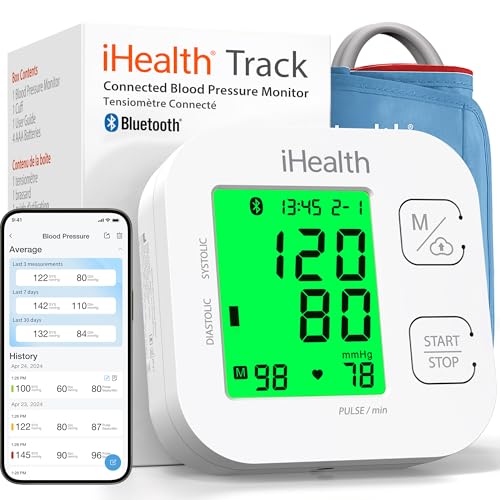
iHealth Track Smart Upper Arm Blood Pressure Monitor with Wide Range Cuff that fits Standard to Large Adult Arms, Bluetooth Compatible for iOS & Android Devices
Clinically Accurate: Easy Operation by two buttons, Advanced Accuracy, No Calibration required.
As an affiliate, we earn on qualifying purchases.
As an affiliate, we earn on qualifying purchases.
Established Risk Factors and Recent Research Developments
Historically, high blood pressure has been recognized as the most significant risk factor for aortic dissection, with studies showing that uncontrolled hypertension damages the aortic wall over time. Genetic syndromes affecting connective tissue integrity, such as Marfan syndrome, have long been linked to increased dissection risk. Recent advances in genetic testing and imaging have improved diagnosis and risk stratification.
While these causes are well documented, researchers are investigating other possible factors, including inflammatory processes and environmental influences, to better understand the full spectrum of risks. Public health initiatives emphasize managing blood pressure and genetic screening for at-risk populations.
“High blood pressure remains the most significant preventable cause of aortic dissection, underscoring the importance of blood pressure control.”
— Dr. Laura Simmons, Cardiologist

Genetic Methylation Test Kit & MTHFR Testing Kit | 300+ DNA Reports Including MTHFR Gene Variants, COMT, BHMT, AHCY and Folate | Custom Supplement & Meal Plan Recommendations with 10,000 Recipes
WHAT YOU GET: DNA reports related to Methylation Genetics , AHCY, BHMT, CBS, MTHFS, MTHFD1, MTHFD1L, MTR, MTRR,…
As an affiliate, we earn on qualifying purchases.
As an affiliate, we earn on qualifying purchases.
Unresolved Questions About Additional Risk Factors
While the primary causes are well established, researchers are still investigating the roles of inflammatory diseases, environmental exposures, and other less understood factors in aortic dissection. It is not yet clear how these may interact with known risks or contribute independently to dissection risk.
iHealth Track Smart Upper Arm Blood Pressure Monitor with Wide Range Cuff that fits Standard to Large Adult Arms, Bluetooth Compatible for iOS & Android Devices
Clinically Accurate: Easy Operation by two buttons, Advanced Accuracy, No Calibration required.
As an affiliate, we earn on qualifying purchases.
As an affiliate, we earn on qualifying purchases.
Future Research and Improved Prevention Strategies
Ongoing studies aim to clarify the role of novel risk factors and develop better predictive tools. Medical guidelines are expected to incorporate new findings to improve screening and early intervention. Public health efforts will continue to focus on blood pressure management and genetic counseling to reduce incidence rates.

Temogole 18 Pcs Mental Health Awareness Bracelets Bulk Items Accessories Green Awareness Ribbon Silicone Wristbands Hodgkins Lymphoma Awareness Products Unisex Wristbands for Men Women Green
CONTENTS: 18 Green Ribbon Bracelets; 8 inches around x 0.5 inches wide; slightly elastic. One size fits most…
As an affiliate, we earn on qualifying purchases.
As an affiliate, we earn on qualifying purchases.
Key Questions
What are the main causes of aortic dissection?
The main confirmed causes include high blood pressure, genetic disorders like Marfan syndrome, and lifestyle factors such as smoking and high cholesterol.
Can aortic dissection be prevented?
Yes, controlling blood pressure, avoiding smoking, and early detection of genetic conditions can significantly reduce risk. Regular medical check-ups are recommended for at-risk individuals.
Are there any new causes being researched?
Researchers are exploring the roles of inflammation, environmental factors, and other less understood risks, but these are not yet confirmed causes.
Who is most at risk for aortic dissection?
Individuals with uncontrolled hypertension, connective tissue disorders like Marfan syndrome, and those with a family history of dissection are at higher risk.
Source: google-trends