TL;DR
Play games included with Prime
Start a Prime free trial and play with Amazon Luna on your devices.
Start playingAs an affiliate, we earn on qualifying purchases.
Home health monitors like blood pressure cuffs, glucose meters, and pulse oximeters are vital tools for managing health at home. Advances in technology now offer better accuracy, connectivity, and ease of use, helping you stay proactive and connected with healthcare providers.
Imagine catching a health issue before it spirals out of control. That’s what a good home health monitor can do. Whether you’re managing high blood pressure, diabetes, or respiratory health, having the right device at your fingertips makes a real difference.
In this guide, you’ll learn which monitors are worth keeping on hand, how they can fit into your daily routine, and what to look for to ensure they’re accurate and easy to use. Think of these tools as your personal health allies — simple, reliable, and ready whenever you need them.
Choose monitors that are FDA-approved or clinically validated for accuracy.
Prioritize ease of use — clear displays, simple operation, and data sharing capabilities.
Integrate smart technology like Bluetooth or Wi-Fi for seamless tracking and remote health management.
Regularly monitor your vital signs to catch health issues early and communicate effectively with your doctor.
Keep essential devices accessible and incorporate them into your daily routine for better health management.
Home Health Monitors Worth Keeping on Hand
Three small devices can turn everyday observations into useful health trends. Choose validated equipment, learn correct technique, and share consistent readings with your healthcare team.
Older adultswith chronic conditions reportedly use at least one home health monitor.
Core monitorscover blood pressure, blood glucose, and oxygen saturation.
Reliable routinematters more than collecting occasional readings without context.
The monitors that earn their place
Start with the health issue you actually need to manage. More features are useful only when they improve accuracy, consistency, or communication.
Blood Pressure Cuff
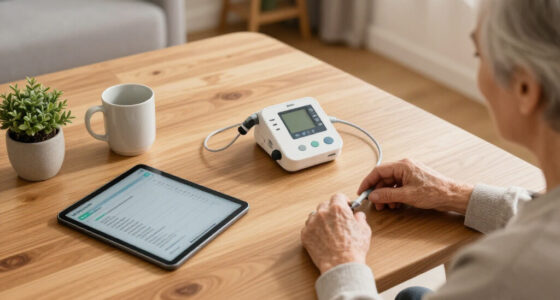
The cornerstone of hypertension tracking. Consistent readings can reveal patterns before symptoms appear.
- Validated automatic upper-arm cuff
- Correct cuff size and positioning
- Multiple-reading memory
- Optional app syncing
Glucose Meter
Essential for diabetes management, treatment adjustments, and recognizing high or low blood sugar.
- Fast, legible results
- Affordable test-strip supply
- Simple data export
- CGM option when appropriate
Pulse Oximeter
A quick respiratory check that measures oxygen saturation and pulse rate in seconds.
- Bright, large display
- Stable finger clip
- Regulatory clearance
- Baseline trend awareness
Match the device to the need
Accuracy begins with the right device, but technique, maintenance, supplies, and interpretation determine whether the readings stay useful.
| Device | Best for | Priority features | Connectivity value | Common tradeoff |
|---|---|---|---|---|
| Blood pressure monitor | Hypertension and cardiovascular trend tracking | ✓Automatic upper-arm cuff, memory, multiple profiles | ✓Helpful for sharing a reading log | ~Placement and cuff size affect results |
| Blood glucose meter | Diabetes treatment and glucose control | ✓Fast results, clear display, accessible strips | ✓Useful for patterns and medication review | ~Ongoing strips, sensors, or calibration |
| Pulse oximeter | Respiratory illness, COPD, and oxygen trends | ✓Large display, reliable clip, cleared device | ~Convenient, but manual logs may be enough | ✗Cold hands and movement distort readings |
| Digital thermometer | Fever checks and illness monitoring | ✓Fast reading, simple cleaning, clear display | ~Optional for most households | ~Method and measurement site vary |
| Connected scale | Weight, fluid, and long-term wellness trends | ✓Stable platform, profile support, trend view | ✓Strong value for longitudinal tracking | ~Body-composition estimates can vary |
Pick the right monitor in three steps
A good home monitor should fit the condition, produce trustworthy readings, and be easy enough to use correctly every time.
Identify the concern
Choose the vital sign tied to your care plan: pressure, glucose, oxygen, temperature, heart rate, or weight.
Verify accuracy
Look for FDA clearance or recognized clinical validation, then confirm sizing, calibration, and correct technique.
Test the daily fit
Prioritize a readable display, simple controls, affordable supplies, secure storage, and practical data sharing.
A single reading can be influenced by stress, movement, temperature, timing, or technique. Record readings under similar conditions and discuss persistent changes with a healthcare professional.
What makes a monitor dependable?
The strongest devices balance clinical confidence with low-friction everyday use. Connectivity is valuable, but it should never replace validation.
Practical priority index
Editorial decision aid: relative importance for selecting a general-purpose home monitor, not a clinical performance score.
Five-point quality check
Check regulatory status and independent validation.
Favor clear controls and a display you can read quickly.
Include strips, sensors, batteries, and replacement parts.
Review encryption, permissions, and privacy controls.
Export trends in a format your care team can use.
Pulse oximeter context
Know your clinician-defined baseline. A persistent reading near or below 92% may require prompt medical guidance, especially with breathlessness, chest pain, confusion, or blue lips.
From reading to useful action
Smart monitoring works best as a traceable chain: correct measurement, secure storage, understandable trends, and clinical context.
Remote review
Shared logs can make virtual consultations more specific and timely.
Anomaly flags
Algorithms can surface changes, but alerts still need clinical context.
Continuous signals
Heart rate, activity, and oxygen trends can add a broader health picture.
Protected data
Choose secure platforms and review how sensitive health data is handled.
Questions worth answering first
Home monitors support care; they do not replace diagnosis, emergency assessment, or regular appointments.
Are home monitors accurate enough?
Validated devices can provide useful readings when used correctly. Unexpected results should be repeated and interpreted with your healthcare professional.
Can they replace doctor visits?
No. They add information between visits, but symptoms, examinations, laboratory tests, and professional judgment remain essential.
How often should I check?
Follow your care plan. Measuring too often can create noise or anxiety, while a consistent schedule makes trends easier to interpret.
What if a reading seems wrong?
Pause, check placement and technique, rest if appropriate, then repeat. Seek urgent help for severe symptoms regardless of the device result.
Why a Blood Pressure Monitor Should Be Your Go-To
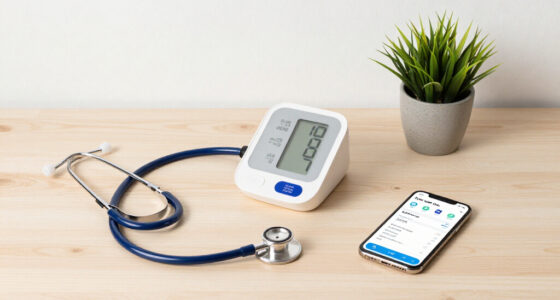
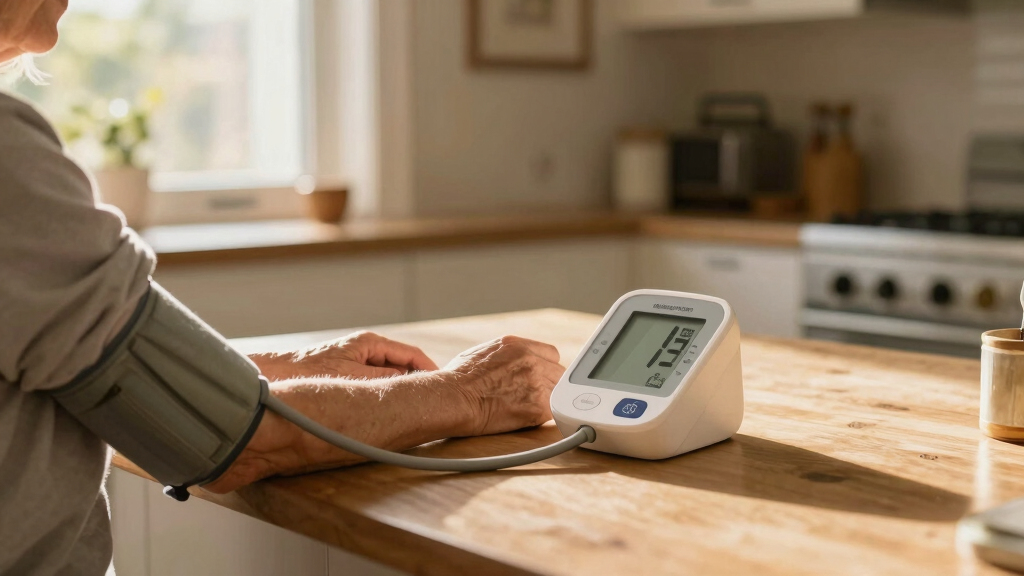
Blood pressure monitors are the cornerstone of tracking hypertension, often called the silent killer. A good digital cuff can give you quick, accurate readings — sometimes even reminding you to take your medication or alerting you to dangerous spikes.
Understanding why this matters: consistent blood pressure monitoring helps you and your healthcare provider identify patterns that might indicate worsening hypertension or risk of cardiovascular events. The implications are significant — early detection can lead to timely interventions, potentially preventing strokes or heart attacks.
However, tradeoffs exist. Some models may be less accurate if not used properly, or may provide false readings due to improper cuff placement or user error. Investing in a validated device and learning proper usage techniques ensures you get reliable data, which is crucial for making informed health decisions.
Look for models that automatically inflate, store multiple readings, and connect with your smartphone for easy tracking. Regular use can help you spot trends and make informed decisions.
FDA approved blood pressure monitor
As an affiliate, we earn on qualifying purchases.
As an affiliate, we earn on qualifying purchases.
Blood Glucose Meters: Your Partner in Diabetes Control
If you have diabetes, a reliable blood glucose meter isn’t just helpful — it’s essential. Modern models now offer features like continuous glucose monitoring (CGM), which provides real-time data without frequent finger pricks.
Why this matters: consistent monitoring allows for tighter blood sugar control, reducing the risk of both acute emergencies like hypoglycemia or hyperglycemia, and long-term complications such as nerve damage or kidney disease. The implications are profound — better control leads to improved quality of life and decreased healthcare costs.
Tradeoffs include device cost and the need for calibration or sensor replacement. Some CGM systems are more invasive or require frequent calibration, which can be burdensome. Choosing a device that balances accuracy, ease of use, and maintenance requirements is key to sustained management.
Choose a device with a clear display, fast results, and easy data sharing with your healthcare team. Consistent monitoring can prevent emergencies and help fine-tune treatment plans.
digital glucose meter with Bluetooth
As an affiliate, we earn on qualifying purchases.
As an affiliate, we earn on qualifying purchases.
Pulse Oximeters: The Respiratory Health Check You Need
Pulse oximeters measure your blood oxygen saturation and pulse rate in seconds. During respiratory illnesses or conditions like COPD, these tiny devices can provide vital clues about your lung health.
Why this matters: monitoring oxygen saturation helps detect early signs of hypoxemia, which can be life-threatening if left untreated. Recognizing drops below safe thresholds (usually around 92%) allows for prompt medical intervention, potentially preventing complications such as organ damage or respiratory failure.
Tradeoffs include device variability and the potential for inaccurate readings if not used properly, such as poor finger placement or cold extremities. Selecting FDA-approved models and ensuring correct usage enhances reliability. Regular checks can also help you understand your baseline and identify subtle changes over time, empowering you to seek care proactively.
Look for models with a digital display that’s easy to read, especially if vision is an issue, and ensure they’re FDA-approved for accuracy.
pulse oximeter fingertip with app connectivity
As an affiliate, we earn on qualifying purchases.
As an affiliate, we earn on qualifying purchases.
Comparing Top Home Monitors: Which Fits Your Needs?
| Device Type | Key Features | Best For |
|---|---|---|
| Blood Pressure Monitor | Automatic cuff, multiple user profiles, app syncing | Hypertension management |
| Blood Glucose Meter | Fast results, Bluetooth connectivity, CGM options | Diabetes control |
| Pulse Oximeter | Large display, clip design, FDA approved | Respiratory health |
As an affiliate, we earn on qualifying purchases.
How to Pick the Right Home Monitor in 3 Simple Steps
- Identify your main health concern — blood pressure, blood sugar, oxygen levels, etc.
- Check for FDA approval or clinical validation to ensure accuracy.
- Choose a device that’s easy to operate, with clear displays and data sharing features.
Think of it like shopping for a new gadget: it should fit your lifestyle, be reliable, and give you peace of mind.
The Latest Tech in Home Health Monitors You Should Know
Smart devices with AI and connectivity are transforming health management. Some monitors now sync with telehealth platforms, letting your doctor see your data in real time. Others have built-in algorithms that flag anomalies, helping you catch problems early.
Why this matters: integrating AI and connectivity enhances the accuracy and timeliness of health data, enabling more proactive and personalized care. For example, a smartwatch that tracks heart rate, oxygen saturation, and activity levels can provide a comprehensive health snapshot, alerting you or your provider to potential issues before symptoms appear. During the pandemic, these features became vital for remote monitoring, reducing the need for in-person visits.
Tradeoffs include potential privacy concerns and the need for reliable internet connections. Always look for FDA approval and secure data encryption — your health info deserves privacy and reliability.
Embracing these technologies can lead to more effective, personalized health management, giving you greater peace of mind and control.
Keep These Monitors Handy for Everyday Peace of Mind
Having a small, reliable blood pressure cuff, a glucose meter, and a pulse oximeter ready can make all the difference. These devices are your front-line tools to catch issues early and stay connected with your healthcare team.
Why this matters: being prepared with these essential devices means you can quickly assess your health status during unexpected symptoms or routine checks. For instance, a quick oxygen level check during a cold or flu can prevent escalation, while regular blood pressure readings help manage hypertension effectively. The tradeoff is maintaining these devices in good condition and knowing how to interpret their readings accurately.
The key is consistency — use your monitors regularly, and keep them accessible in a dedicated spot. This routine ensures you’re always ready to respond swiftly and appropriately to your health needs.
Frequently Asked Questions
Are home health monitors accurate enough for medical decisions?
Most FDA-approved monitors are highly accurate when used correctly. However, they’re meant to supplement, not replace, professional medical advice. Always confirm significant changes with your healthcare provider.
How often should I check my blood pressure or blood sugar?
It depends on your health condition. Your doctor might recommend daily checks or periodic monitoring. Use your devices consistently to spot trends over time and discuss results regularly with your healthcare team.
Can these devices replace regular doctor visits?
Home monitors are tools to support your health, not substitutes for professional care. They help you catch issues early but should be used alongside routine check-ups and doctor guidance.
What features should I look for to keep my data private?
Look for devices with strong encryption, secure cloud storage, and clear privacy policies. Avoid devices that share data with third parties without your consent.
Are there affordable options that still provide reliable data?
Yes, many budget-friendly devices meet regulatory standards for accuracy. Focus on FDA approval, user reviews, and ease of use to find options that fit your needs without breaking the bank.
Conclusion
Having the right home health monitors on hand isn’t just about technology — it’s about empowerment. They give you the tools to stay in control of your health and avoid surprises.
Imagine a future where your home becomes your health command center, where every beep and reading brings you closer to peace of mind. Stay vigilant, stay connected, and let these devices be your trusted allies.
Evergreen bestsellers Picks
bestsellers
As an affiliate, we earn on qualifying purchases.