
TL;DR
Play games included with Prime
Start a Prime free trial and play with Amazon Luna on your devices.
Start playingAs an affiliate, we earn on qualifying purchases.
Big-button phones are designed for easy dialing with oversized, well-spaced buttons, clear audio, and safety features. Recent models blend simplicity with modern tech like emergency buttons and hearing aid compatibility, making them ideal for seniors or visually impaired users.
Imagine trying to dial a number on a tiny, crowded keypad after a long day. Frustrating, right? For many older adults, small buttons and complicated menus turn simple calls into a hassle. Choosing a big-button phone isn’t just about bigger keys — it’s about making calls safer, easier, and more reliable. Whether you’re helping a parent or looking for your own device, knowing what to prioritize can save you time and stress.
This guide walks through the essentials — from chunky, well-spaced buttons to modern safety features. You’ll learn what features truly matter, what recent innovations are making these phones better, and how to pick a model that fits your needs like a glove. Because at the end of the day, everyone deserves a phone that makes calling effortless and stress-free.
Prioritize large, well-spaced buttons with tactile and high-contrast labels to reduce dialing errors.
Look for safety features like emergency buttons, flashing alerts, and hearing aid compatibility to enhance security.
Modern big-button phones now incorporate smart tech, longer batteries, and ergonomic designs for better usability.
Assess your specific needs first—consider emergency access, hearing issues, or simplicity—then compare models accordingly.
Choosing the right device is about matching features to daily routines, making calling effortless and safe.
Why Big Buttons Make Calling Easier — No Matter Your Age
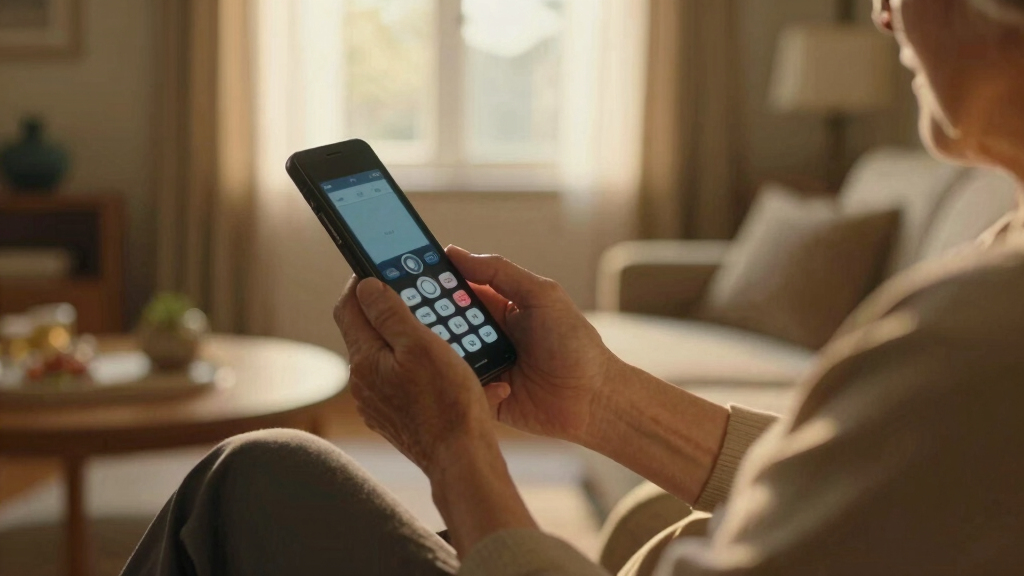
Big buttons are the backbone of accessible phones. They’re designed with oversized, well-spaced keys that reduce mis-dials and frustration. For example, a typical senior might struggle with a standard phone’s tiny keys, especially if they have visual or dexterity challenges. A phone with large, textured buttons can turn a 2-minute call into a 30-second task.
Imagine a grandmother with arthritis trying to press tiny keys — it’s a recipe for missed calls and missed connections. Big buttons, often at least 1 inch across, with high-contrast labels and tactile markings, make dialing intuitive and confident. The right design turns what was once a struggle into a simple, almost automatic habit.
Furthermore, the size and tactile feedback of big buttons help compensate for visual impairments and dexterity issues, making the experience more tactile and less error-prone. This reduces frustration and increases independence, allowing users to dial confidently without second-guessing each press. The tradeoff, however, can be bulkier devices, which might be less portable or stylish. Still, for safety and usability, these design priorities often outweigh aesthetic concerns.
As an affiliate, we earn on qualifying purchases.
How to Pick the Perfect Big-Button Phone in 3 Simple Steps
- Assess your needs. Do you need emergency buttons, hearing aid compatibility, or just straightforward calling? Understanding your priorities helps narrow down options. For example, if safety is paramount, prioritize models with emergency features. If hearing challenges exist, look for audio enhancements.
- Check the basics. Ensure the phone has large, well-spaced buttons, a loud speaker, and adjustable volume. These features are fundamental for usability. But also consider how intuitive the interface is — a simple menu can prevent confusion and accidental calls.
- Compare safety features. Look for emergency buttons, visual alerts, and durability. Think about your daily routines: Do you need a device that withstands drops? Does it need to alert you visually if sound is compromised? Matching features to your lifestyle ensures the device supports your safety and independence.
This approach helps avoid impulse purchases and ensures the device aligns with your real-world needs. Recognizing tradeoffs, such as increased size for better usability, guides you toward the best fit without sacrificing comfort or functionality.
large button mobile phone with emergency button
As an affiliate, we earn on qualifying purchases.
As an affiliate, we earn on qualifying purchases.
Big-Button Phone Features That Boost Safety and Usability
| Feature | Why It Matters |
|---|---|
| Large, Tactile Buttons | Reduces dialing mistakes, especially for those with visual or dexterity challenges. Larger buttons provide better tactile feedback, making it easier to confirm each press and avoid accidental calls, which is crucial in emergencies or for users with impairments. This tactile reassurance can be the difference between a successful call and missed opportunities for help. |
| High-Contrast Labels | Enhances visibility in different lighting conditions, making buttons easier to identify. This reduces errors and frustration, particularly for users with visual impairments, ensuring they can confidently operate the device without mispresses. Clear labels mean less guessing and more precise dialing, which is vital when seconds count. |
| Emergency Button | Allows instant dialing of loved ones or emergency services with one press, providing peace of mind. Proper placement and clear labeling ensure quick access in stressful moments. However, over-reliance or accidental activation can pose risks, so thoughtful design—such as protective covers or distinct placement—balances accessibility with safety. The goal is rapid, reliable access without unintended calls. |
| Adjustable Volume & Hearing Aid Compatibility | Ensures clear conversations for users with hearing challenges. Compatibility meeting standards like T-coil or M-tel, combined with user-friendly controls, prevents frustration and improves communication quality. Easy-to-adjust volume controls mean users can tailor sound levels to their environment, reducing misunderstandings and increasing confidence during calls. |
| Visual Alerts & Flashing Lights | Notifies users of incoming calls or messages when sound isn’t enough. This feature is especially important for those with hearing impairments, but it also requires careful placement and sensitivity settings to avoid false alerts or confusion. Properly designed, visual alerts can be a lifesaver—literally—by ensuring no call or message is missed in noisy or quiet environments. |
| Durable Design & Long Battery Life | Reliable for everyday use, especially in emergencies or when traveling. Durability involves shock and water resistance, which can prevent costly damages and ensure the device remains functional when needed most. Long battery life reduces the risk of unexpected shutdowns, maintaining readiness and peace of mind during critical moments. Balancing these features with portability is key to consistent usability. |
For instance, a phone with a flashing light can alert a user who struggles with hearing loss that someone is calling — a vital safety feature. However, tradeoffs include potential bulkiness or higher cost. Recognizing these factors helps you select a device that balances safety, usability, and practicality.
hearing aid compatible big button phone
As an affiliate, we earn on qualifying purchases.
As an affiliate, we earn on qualifying purchases.
Recent Innovations Making Big-Button Phones Smarter and Safer
Big-button phones are evolving beyond just large keys. Now, many include smart features that blend simplicity with modern tech, offering enhanced safety, convenience, and connectivity. For example, some models add Bluetooth for pairing with hearing aids or other devices, which can improve sound quality and reduce background noise, but this also introduces a layer of complexity that may require some user adaptation.
Designs focus on ergonomic comfort — lightweight frames, textured grips, and aesthetic options make them less like old tech and more like everyday gadgets. These advancements aim to increase user confidence and independence. Emergency buttons are now more intuitive, often with pre-set contacts that can be dialed at a single press, reducing the risk of misdials in stressful situations.
Longer-lasting batteries and magnetic chargers simplify daily routines, ensuring the device remains ready when needed. These innovations do not just add features but also address common user frustrations, making the devices more reliable and accessible. While some added tech can seem to complicate the straightforward nature of these phones, manufacturers aim to strike a balance — integrating safety and convenience without sacrificing simplicity.
easy dial big button phone for seniors
As an affiliate, we earn on qualifying purchases.
As an affiliate, we earn on qualifying purchases.
Choosing the Right Big-Button Phone Without Overwhelm
Picking the perfect device involves balancing needs, features, and budget. Start by listing must-have features: emergency buttons, hearing aid compatibility, or simple calling only. Then, compare models based on those features and read user reviews. Recognize that more features often mean increased complexity or cost, so prioritize what truly benefits your daily routine rather than chasing every new gadget.
For example, if you prioritize safety, focus on phones with dedicated emergency buttons and flashing alerts, but consider how intuitive these features are. If ease of use is your main concern, look for models with minimal menus, large tactile buttons, and straightforward operation. Making a checklist helps clarify your choices, preventing confusion or impulsive buying decisions. Remember, the goal is to find a device that fits seamlessly into your life, not one that complicates it. Understanding these tradeoffs ensures you select a device that enhances safety and usability without adding unnecessary complexity.
Frequently Asked Questions
Are big-button phones suitable for all seniors?
Big-button phones are especially helpful for seniors with visual or dexterity issues, but they can benefit anyone who prefers simple, straightforward calling devices. Their design minimizes errors and makes calling more accessible.Can I use a big-button phone with my hearing aids?
Many models are hearing aid-compatible, often meeting standards like T-coil or M-tel. Always check the specifications to ensure compatibility, especially if clear audio is a priority.Do big-button phones support texting or internet?
Most focus on calling, but some newer models offer basic texting or simplified internet features. If messaging is important, look for devices labeled as ‘easy-to-use’ with those capabilities.How do I choose the best big-button phone for my needs?
Start by listing your priorities: emergency buttons, hearing aid compatibility, or minimal menus. Compare models with those features, read reviews, and consider your daily routine to find the best fit.Are big-button phones compatible with modern smartphones?
Most are standalone devices. However, some offer Bluetooth connectivity to pair with smartphones or hearing aids, blending simplicity with modern tech. Check each model’s specifications for compatibility options.Conclusion
Think of a big-button phone as your trusted helper — simple, dependable, and always ready. The right one can turn calling from a chore into a comforting, confident experience. Remember, a device that fits your needs isn’t just a gadget; it’s peace of mind in your pocket.
So when you pick your next phone, focus on what makes calling easier and safer for you. Because everyone deserves a device that helps them stay connected with dignity and ease.
NFL season / tailgating Picks
team gear
As an affiliate, we earn on qualifying purchases.