TL;DR
Setting your water heater below 120°F (49°C), installing anti-scald devices, and regular maintenance significantly cut burn risks. New tech and regulations make bathroom safety easier and more reliable for everyone.
Always set your water heater to 120°F (49°C) or lower to reduce burn risk.
Install anti-scald devices like thermostatic mixing valves for automatic safety control.
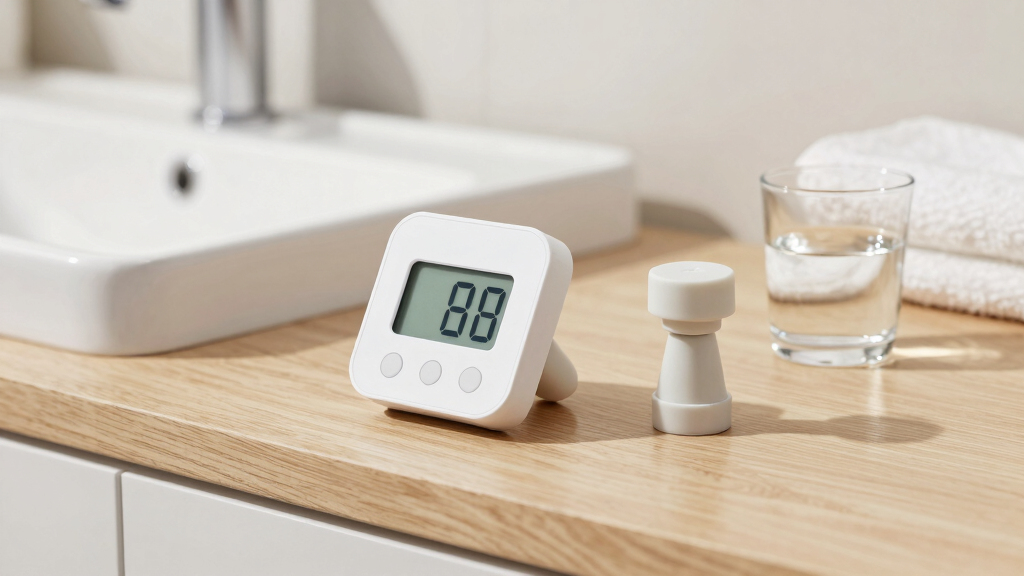
Regularly test your water temperature with a bath thermometer—don’t guess.
Consider smart water heater systems for remote control and alerts on unsafe temps.
Follow local building codes and have safety devices installed by professionals for peace of mind.
Anti-Scald & Water-Temperature Safety
A sudden rush of hot water can turn an ordinary shower into a serious burn. Control the source, regulate the outlet, and verify the result—especially in homes with children, seniors, or people with sensory impairments.
Heat becomes dangerous faster than people expect.
Water above 120°F increases burn risk. At 140°F, third-degree burns may occur in only 3–5 seconds—often too quickly for a child, older adult, or person with reduced sensation to react.
Why the bathroom is a risk zone
Pressure changes, inaccurate thermostats, and unregulated fixtures can produce sudden temperature spikes. The consequences can include infection, hospitalization, and permanent scarring.
- Children under 5: thinner skin and slower escape response
- Seniors: reduced mobility and temperature sensitivity
- Sensory impairment: delayed recognition of dangerous heat
Temperature risk spectrum
Set it. Regulate it. Test it.
Safety works best as a layered system. A lower heater setting reduces the hazard; a valve controls fluctuations; regular measurement confirms everything still works.
Set the heater to 120°F
Use 120°F (49°C) or lower. If hot-water availability drops, improve pipe insulation or review system capacity instead of raising the temperature without safeguards.
Install a mixing valve
A thermostatic device automatically blends hot and cold water, holding a preset temperature through pressure changes and sudden demand elsewhere in the home.
Measure—never guess
Check bath and shower water with a bath thermometer. Retest after heater service, plumbing changes, seasonal shifts, or any unexpected temperature fluctuation.
Choose protection that matches the risk.
Thermostatic valves offer the most precise control. Pressure-balancing valves address pressure swings, while faucet limiters provide simpler point-of-use protection.
| Device type | How it works | Temperature control | Pressure response | Installation |
|---|---|---|---|---|
| Best protection Thermostatic mixing valve |
Continuously blends hot and cold water to maintain a safe preset output. | ✓ Precise and consistent | ✓ Compensates for changes | ~ Professional fitting and calibration |
| Practical upgrade Pressure-balancing valve |
Balances pressure differences between hot and cold supply lines. | ~ Less precise | ✓ Handles common pressure swings | ✓ Often simpler and lower cost |
| Point of use Faucet with limiter |
Restricts handle movement or caps the maximum hot-water setting. | ~ Basic maximum limit | ✗ Does not actively compensate | ✓ Some DIY-friendly options |
Professional installation is recommended for critical devices and helps ensure correct calibration, dependable operation, and compliance with local plumbing codes.
New technology adds visibility and faster response.
Connected systems can monitor conditions continuously, notify residents or caregivers, and take action when water temperatures move beyond a safe threshold.
Smart water heaters
Use app-based controls to review and change temperature settings without visiting the heater.
Unsafe-temperature alerts
Receive notifications when temperatures exceed a chosen limit or system behavior changes unexpectedly.
Shutoff integration
Compatible home systems may lower heat, stop water flow, or notify a caregiver during an emergency.
Traceability: from setting to safer bathing
Five actions for a safer bathroom.
Treat anti-scald protection like a smoke alarm: install the right equipment, confirm that it works, and maintain it before a failure exposes the household to danger.
Potential reduction in scald injuries
Associated with properly installed thermostatic mixing valves. Installation quality and ongoing calibration are essential.
Quick answers for homeowners.
Comfort and safety do not need to compete. Correct equipment and system design can preserve useful hot-water performance while sharply reducing exposure to dangerous temperatures.
What is the safest bathing-water setting?
Most safety guidance recommends setting the water heater to 120°F (49°C) or lower, then confirming the actual outlet temperature with a thermometer.
Can I install a device myself?
Some faucet limiters are DIY-friendly, but thermostatic and pressure-balancing valves should generally be professionally installed and calibrated.
Are anti-scald devices required?
Requirements vary. Many jurisdictions mandate or recommend them for new construction, major renovations, rentals, or public facilities. Check local codes.
Are smart heaters worth considering?
They can add remote monitoring, alerts, and automated responses—particularly useful for households with children, seniors, or remote caregivers.
Remove the person from the heat source, cool the burn under cool running water, and seek prompt medical help. Do not apply ice, butter, or oily creams. Call emergency services for severe, extensive, or high-risk burns.
Why Hot Water Can Be a Hidden Danger in Your Bathroom
Hot water, especially when it exceeds 120°F (49°C), poses a serious burn risk. Water at 140°F (60°C) can cause third-degree burns in just 3-5 seconds. Think of it like a hot iron—when the temperature rises too high, injury happens fast. Vulnerable groups—little kids, seniors, or those with sensory deficits—may not react quickly enough to avoid burns. Recognizing this danger is crucial because it highlights why controlling water temperature isn’t just about comfort—it’s about preventing severe injuries that can have long-lasting consequences. The implications are significant: burns caused by hot water can lead to infections, extended hospital stays, or permanent scarring. Knowing this risk helps you take proactive steps, like lowering water heater temps or installing safety devices, which are essential tradeoffs to ensure safety without sacrificing daily comfort.
As an affiliate, we earn on qualifying purchases.
How to Keep Water Safe: 3 Simple Steps to Prevent Burns
- Set your water heater to no higher than 120°F (49°C). While this temperature is generally safe, it’s important to understand that lower settings may slightly reduce hot water availability, especially in colder climates or during peak usage times. Balancing safety and comfort often involves adjusting your home’s plumbing and insulation to ensure consistent hot water supply without risking burns.
- Install a thermostatic mixing valve on your shower and tub faucets. These devices are critical because they automatically blend hot and cold water to a safe, steady temperature, preventing accidental scalds caused by sudden hot water surges or pressure fluctuations. Proper installation and regular maintenance ensure they function effectively, which is vital because even small malfunctions can compromise safety.
- Test your water temperature regularly with a bath thermometer. This simple act provides tangible assurance that your water remains at a safe temperature. It’s a crucial habit because water heater settings can drift or become inaccurate over time, especially if thermostats malfunction or if plumbing changes occur. Regular testing allows you to catch unsafe temperatures early, reducing the likelihood of burns and ensuring consistent safety for all household members.
thermostatic mixing valve for bathroom
As an affiliate, we earn on qualifying purchases.
As an affiliate, we earn on qualifying purchases.
Compare Common Anti-Scald Devices to Find What Works Best
| Device Type | How It Works | Pros | Cons |
|---|---|---|---|
| Thermostatic Mixing Valve | Automatically blends hot and cold water to a preset, safe temperature, maintaining consistent output regardless of pressure fluctuations. | Highly reliable; significantly reduces injury risk; maintains steady temperature, preventing accidental scalds even during pressure changes. | Requires professional installation, which can involve upfront costs and plumbing adjustments. Ensuring proper calibration over time is essential for optimal performance. |
| Pressure-Balancing Valve | Maintains a consistent water temperature by balancing pressure differences between hot and cold water lines, which can fluctuate during use. | Relatively simple to install; cost-effective; can prevent sudden temperature spikes caused by pressure changes. | Less precise than thermostatic valves; may still allow brief, unsafe temperature spikes if pressure changes are extreme or rapid, especially in multi-user households. |
| Anti-Scald Faucet with Limiters | Built-in limiters restrict the maximum hot water temperature at the faucet, preventing it from exceeding a safe threshold. | Easy to install and adjust; DIY-friendly options are available, making it accessible for homeowners. | Offers limited control compared to thermostatic valves; does not respond to pressure changes and may be bypassed or adjusted improperly, reducing effectiveness. |
bath thermometer for water temperature
As an affiliate, we earn on qualifying purchases.
As an affiliate, we earn on qualifying purchases.
The Latest Safety Tech and How It Can Help You
Smart water heaters now come with Wi-Fi controls, letting you set and monitor water temperature remotely. These models often include features like alerts if water exceeds a safe temperature, or automatic reduction of temperature if unsafe levels are detected. Such innovations are not just about convenience—they are a significant leap toward safer bathrooms, especially in households with children or seniors, where accidental scalds are more common. By providing real-time data and remote control, these devices allow you to respond promptly to potential hazards, minimizing risk and giving peace of mind. Moreover, integrating these smart systems with home automation can enable comprehensive safety protocols, like shutting off water in emergencies or alerting caregivers if unsafe conditions are detected.
Building codes are increasingly requiring anti-scald devices in new homes and major renovations to standardize safety practices. Public awareness campaigns are also emphasizing the importance of these safety features, leading to wider adoption. This evolving landscape means that whether you’re upgrading an existing bathroom or building from scratch, incorporating the latest tech makes it easier—and more reliable—to prevent burns before they happen, ultimately safeguarding your loved ones with minimal effort.
As an affiliate, we earn on qualifying purchases.
Important Safety Facts Every Homeowner Should Know
Water at 140°F (60°C) can cause severe burns in just a few seconds, which underscores why setting your water heater to a safe temperature is critical. Children under 5 and seniors are particularly vulnerable because their skin is thinner and reacts more quickly to heat, increasing the risk of serious injury from even brief contact with hot water. Scald burns are responsible for a significant portion of bathroom injuries, often leading to long-term physical and emotional consequences. Proper installation of anti-scald devices can dramatically reduce this risk—studies show up to a 90% decrease in injury when these safety measures are in place. Understanding these facts helps homeowners recognize the importance of proactive safety measures, weighing the tradeoffs between convenience and risk, and making informed decisions to protect their families effectively.
Your Most Common Questions Answered
What is the safest water temperature for bathing?
Most experts recommend setting your water heater to 120°F (49°C). This temperature strikes a balance—hot enough for comfortable bathing and washing, but low enough to significantly reduce the risk of burns. Adjusting to this setting also minimizes energy consumption, providing additional cost savings while maintaining safety.
How do anti-scald valves work?
They automatically mix hot and cold water to a preset safe temperature, preventing sudden spikes caused by pressure fluctuations or temperature surges. This automatic regulation ensures that even if someone accidentally turns on a hot tap, the water delivered remains within a safe range, reducing the likelihood of burns.
Can I install anti-scald devices myself?
Some devices are designed for DIY installation, such as limiters or simple pressure-balancing valves. However, for optimal safety and compliance with local codes, professional installation of thermostatic mixing valves is recommended. Proper setup ensures reliable operation and peace of mind, especially in complex plumbing systems.
Are there laws requiring anti-scald devices?
Many jurisdictions now mandate or strongly recommend anti-scald devices in new construction, rental properties, and public facilities to prevent injuries. These regulations recognize the importance of proactive safety measures and aim to standardize protections across households and commercial spaces.
What should I do if I suspect a scald injury?
Immediately cool the affected area with cold running water for at least 10-20 minutes to reduce tissue damage. Avoid applying ice or greasy substances. Seek medical attention promptly, especially if burns are deep or extensive. Quick response minimizes long-term damage and pain, emphasizing the importance of knowing how to react effectively.
Are smart water heaters worth it?
While they tend to be more expensive upfront, smart water heaters offer enhanced safety features like remote temperature control, alerts, and automatic adjustments, which can prevent dangerous hot water situations. For households with children, seniors, or individuals with sensory impairments, these systems provide additional peace of mind and can be a worthwhile investment in safety and convenience.
Conclusion
Taking simple steps like lowering your water heater’s temperature and installing anti-scald devices can prevent painful burns and save lives. Remember, a safe bathroom isn’t just about comfort—it’s about protecting everyone who uses it. Make these changes today and turn your bathroom into a safer space for years to come.
After all, a little prevention is worth a lifetime of peace of mind—and a bathroom that welcomes everyone with warmth and safety.