
TL;DR
Play games included with Prime
Start a Prime free trial and play with Amazon Luna on your devices.
Start playingAs an affiliate, we earn on qualifying purchases.
Keeping your bedroom safe and reachable at night involves good lighting, clear pathways, and accessible essentials. Recent tech, like smart sensors, enhances safety especially for seniors and vulnerable individuals. Small adjustments can make a big difference for peace of mind and safety.
When darkness falls, your bedroom should feel like a sanctuary — safe, calm, and easy to navigate. But many accidents happen in the middle of the night because of poor lighting, clutter, or tricky layouts.
If you or a loved one wake up disoriented or have trouble reaching essentials, it’s time to rethink the space. This guide walks you through practical, no-fuss ways to keep the bedroom safe and reachable at night — so every sleep feels secure and restful.
Install nightlights or motion-activated lighting to prevent falls and bumps in the dark.
Keep pathways clear of clutter and secure rugs with non-slip pads to avoid trips.
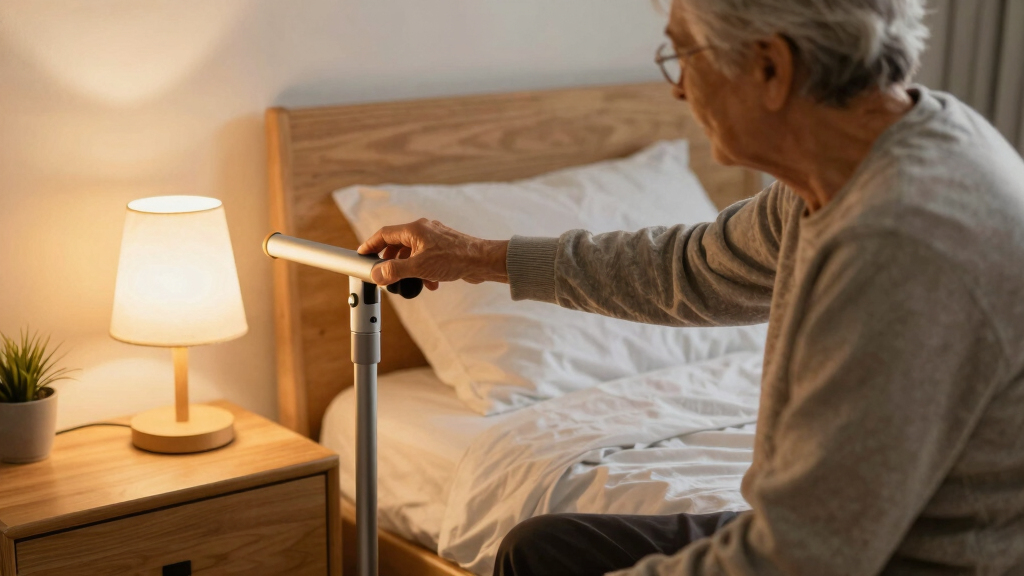
Place essentials like medications, water, and a flashlight within easy reach from your bed.
Use smart sensors and voice-activated lights to enhance nighttime safety without disrupting sleep.
Maintain a calm, dark, and cool environment to promote restful sleep and reduce nighttime wandering.
How to Light Up Your Bedroom Without Waking Up Fully
Good lighting is your first line of defense against nighttime falls. Use nightlights or motion-activated lights to gently illuminate pathways and key areas. These lights activate only when needed, preventing harsh glare that can wake you up too much.
For example, a soft amber nightlight near the door creates enough glow to see your way but won’t disturb your sleep. Smart lighting systems can be programmed to turn on gradually, mimicking dawn, which helps your body wake naturally.
According to safety experts, installing a nightlight in the bathroom and along hallways reduces fall risk significantly. Aim for lights with a warm hue, around 2700K, to keep the room cozy and sleep-friendly.
Deep understanding of lighting choices is crucial because inappropriate lighting can cause sleep disruption or glare, leading to disorientation. The tradeoff involves balancing sufficient illumination for safety without compromising sleep quality. Selecting the right type and placement of lights ensures you gain the safety benefits while maintaining a restful environment.
motion-activated nightlights for bedroom
As an affiliate, we earn on qualifying purchases.
As an affiliate, we earn on qualifying purchases.
Keeping Pathways Clear: Avoid Nighttime Trips and Falls
Cluttered walkways are a hidden danger. Keep clutter, cords, and furniture out of the way. Imagine waking up in the dark and stumbling over a stray shoe or a loose rug — not ideal.
Design your space to ensure a clear path from your bed to the bathroom and door. Use furniture with rounded edges, and secure rugs with non-slip pads.
For example, a family member placed glow-in-the-dark tape along the edges of their steps, which made it easy to see in low light and prevented trips.
Deepening the understanding of clutter management is important because even small objects can become hazards in low visibility conditions. Keeping pathways free of obstacles reduces the likelihood of trips and falls, which are among the leading causes of injury in older adults. The tradeoff is maintaining a tidy space versus the effort required for regular organization. Implementing simple strategies like securing rugs and removing unnecessary items enhances safety without major renovations.
As an affiliate, we earn on qualifying purchases.
What Essentials Should Be Within Arm’s Reach at Night?
Having key items close by makes a big difference if you wake up needing something. Imagine being groggy and wanting water, your phone, or medication—reachability matters.
Keep a small table or shelf next to your bed with essentials. Items like a flashlight, medications, glasses, or a water glass should be easy to grab.
For instance, a caregiver placed a lightweight, rechargeable flashlight on the bedside table, so it’s ready in case of a power outage or nighttime needs.
Understanding the implications of accessibility is vital because the effort to reach essentials can be the difference between a safe, independent night and a hazardous situation. If items are hard to find or reach, it can lead to unnecessary movement or falls, especially in emergencies. The tradeoff involves balancing convenience with safety—placing only what’s necessary within easy reach minimizes clutter while maximizing safety. Proper organization ensures quick access and reduces stress during nighttime awakenings.
As an affiliate, we earn on qualifying purchases.
Smart Tech to Keep Your Bedroom Safe and Accessible
Technology can turn a standard bedroom into a safety haven. Smart sensors, voice-activated lights, and alarms can alert you or caregivers if something’s amiss.
For example, motion sensors can detect if someone leaves the bed unexpectedly, triggering an alert to prevent wandering or falls.
Smart bulbs can be controlled via voice or app, allowing you to turn lights on or off without getting out of bed. Automated systems can even adjust lighting gradually at bedtime or wake-up.
Understanding the implications of integrating smart technology helps you weigh benefits such as increased safety and convenience against potential costs or complexity. These devices, when properly set up, can reduce the risk of falls, wandering, or other emergencies, providing peace of mind for both users and caregivers. The tradeoff involves initial setup effort and ongoing maintenance, but the safety gains often outweigh these considerations.
As an affiliate, we earn on qualifying purchases.
How to Make Your Bedroom Secure from Intruders, Night or Day
Security isn’t just about locking doors — it’s about feeling safe inside your space. Lock windows, secure doors, and consider alarms or cameras if needed. This layer of protection becomes especially important if you sleep with windows open or live alone.
For example, a senior placed a simple lock on the bedroom window and installed a door alarm that sounds if opened unexpectedly. These small measures add peace of mind.
Deep understanding of security measures shows that visible locks and alarms do more than deter intruders—they provide reassurance, which can significantly improve sleep quality and overall well-being. The tradeoff involves some initial effort and possible costs for equipment, but the long-term benefits of feeling protected and secure are invaluable, especially for vulnerable populations.
Create a Peaceful, Comfortable Sleep Environment
A calm bedroom promotes restful sleep and reduces movement that could lead to accidents. Keep the room cool, dark, and quiet. Use blackout curtains and white noise machines if needed.
Imagine slipping into a cool, dark space with soft bedding and no distractions. You’re less likely to wake up disoriented or restless.
For example, a person replaced their bright overhead light with a dimmable lamp and added a fan for airflow. The result? Easier sleep and fewer nighttime trips to adjust the temperature or lighting.
Understanding the impact of a sleep-friendly environment is key because stress, light pollution, and noise can fragment sleep, leading to increased risk of accidents or disorientation. The tradeoff involves creating a space that is both comfortable and safe, which often requires some initial investment in blackout curtains, fans, or white noise devices. The benefits include improved sleep quality and reduced night-time wandering, contributing to overall safety and well-being.
Frequently Asked Questions
How can I make my bedroom safer for an elderly family member?
Install nightlights, remove clutter, add grab bars near the bed or bathroom, and ensure pathways are clear. Small changes significantly reduce the risk of falls and accidents in the middle of the night.
What lighting options are best for nighttime safety?
Nightlights, motion-activated lights, and smart lighting systems are ideal. Choose warm-colored bulbs (~2700K) that gently illuminate pathways without disrupting sleep cycles.
How do I prevent falls during the night?
Remove loose rugs, keep walkways clutter-free, ensure proper lighting, and consider installing bed rails or alarms if needed. Regularly check that furniture is stable and accessible.
What essentials should I keep within reach at night?
Keep a flashlight, medications, glasses, and a glass of water close to your bed. Use a small table or shelf for easy access, especially if mobility is limited.
Are there smart devices to improve bedroom safety?
Yes, smart sensors, voice-activated lights, and alert systems can monitor movement, detect falls, and alert caregivers, making your bedroom safer without much effort.
Conclusion
When your bedroom feels safe and easy to navigate, sleep becomes a true refuge — not a source of worry. Small adjustments in lighting, organization, and technology make a big difference.
Remember: safety is about peace of mind. Take a moment to walk through your space tonight — and see where you can make improvements. Your peaceful, secure sleep awaits.
NFL season / tailgating Picks
team gear
As an affiliate, we earn on qualifying purchases.