
TL;DR

Turn quiet afternoons into listening time
- Thousands of audiobooks, podcasts and originals
- Listen on your phone, tablet or Echo — also offline
- Cancel anytime
Adaptive aids enable people with physical or sensory limitations to enjoy hobbies again, boosting mental health and social connection. Recent technological advances make these tools more affordable and personalized, opening new possibilities for everyone.
Imagine picking up your favorite hobby—painting, gardening, or playing music—and feeling the thrill of creation again. But age, injury, or health challenges can make that feel out of reach. Thankfully, adaptive aids are changing that story.
This guide will show you how these tools and modifications help bridge the gap between limitation and enjoyment. Whether you’re a caregiver helping a loved one or someone reclaiming your passions, understanding these options can spark new energy and independence in daily life.
Adaptive aids are tailored tools or modifications that make hobbies safer and more enjoyable.
Recent tech innovations like smart devices and 3D printing are expanding options and affordability.
Personalizing adaptive aids enhances comfort and confidence in hobbies.
Safety precautions, including slow adaptation and proper setup, prevent accidents and injuries.
Involving family or caregivers enriches the hobby experience and ensures proper support.
Adaptive Aids for Enjoying Hobbies Again
Age, injury, illness, or sensory changes can alter how a favorite activity feels—but they do not have to end it. The right aid bridges the gap between limitation and enjoyment, helping people return to painting, gardening, music, crafts, cooking, and more with greater comfort, confidence, and independence.
Reduce hand strain with larger, softer, textured, or stabilized handles.
Bring the activity closer through long handles, stands, and adjustable surfaces.
Improve stability with seated setups, supports, positioning, and wearable feedback.
Comfort, control, safety, and personal preference matter more than novelty.
Three ways to remove a barrier
Adaptive support can change the tool, change the environment, or add technology. Most effective setups combine more than one approach and remain adjustable as needs evolve.
Change the tool
Ergonomic brushes, larger knitting needles, easy-press guitar capos, lightweight gardening tools, and stabilized kitchen utensils reduce effort while preserving the heart of the activity.
Change the setup
Adjustable workstations, brighter task lighting, accessible storage, supportive seating, and non-slip surfaces improve reach, visibility, posture, and safety.
Add smart support
Voice control, adaptive interfaces, wearables, automation, and virtual environments can reduce physical demands and make complex hobby setups easier to manage.
Customize for body, space, and routine
Adjust grip texture, handle diameter, tool weight, switch pressure, working height, lighting, and seating support. A well-fitted aid prevents discomfort and encourages consistent use—the foundation of lasting confidence and enjoyment.
Rebuild skills
An occupational therapist can connect the right aid with safe technique, rehabilitation goals, and the real demands of a chosen hobby.
Five practical aids in action
Start with the precise movement that causes fatigue, pain, instability, or frustration. Then choose the smallest useful modification that restores control.
| Hobby | Adaptive aid | Barrier addressed | Practical benefit |
|---|---|---|---|
| Painting | Ergonomic brushes with lightweight handles | Wrist strain | Reduces fatigue across longer sessions so attention can remain on color, expression, and creative flow. |
| Gardening | Long-handled tools with non-slip grips | Reach + grip | Limits bending and overexertion while making beds, containers, and soil easier to reach safely. |
| Playing guitar | Easy-press capo and adapted picks | Finger strength | Makes chord changes and strumming easier, supporting longer practice with less frustration. |
| Knitting | Large-loop needles with textured grips | Dexterity | Improves stability for shaky or arthritic hands and supports smoother, more confident movement. |
| Cooking | Modified utensils with stabilizers | Control | Reduces slipping during chopping, stirring, or slicing, making kitchen routines safer and less tiring. |
Find the right aid in three steps
A good choice begins with observation, not a product catalog. Test the activity in context and expect the solution to evolve through small adjustments.
Name the barrier
Pinpoint the hardest moment: holding, reaching, seeing, hearing, balancing, positioning, remembering steps, or sustaining effort.
Match the support
Compare ergonomic handles, lighter materials, adjustable equipment, improved lighting, automation, or a redesigned workspace.
Refine the fit
Try options slowly, ideally with professional guidance. Weigh comfort, control, learning effort, storage, cost, and real-world effectiveness.
Example: A gardener with arthritis might begin with a lightweight non-slip hand tool, then add a longer handle and raised planter if reach remains difficult. Customization is a process, not a one-time purchase.
New tools make access more personal
Smart devices, maker communities, and digital fabrication are expanding the range of affordable, adjustable solutions—while inclusive design makes mainstream equipment useful to more people.
Voice-controlled lamps, powered stands, and automated switches reduce setup effort and repetitive movement.
Custom grips, holders, guides, and adapters can be fabricated for a particular hand size, tool, or movement pattern.
Posture, balance, or sensory feedback can help users notice strain and adjust before discomfort escalates.
Adjustable virtual environments enable accessible painting, exploration, gaming, gardening simulations, and skill practice.
Communities, tutorials, and shared designs help people discover low-cost modifications and learn from lived experience.
Build a setup that invites return
The real measure of an adaptive aid is whether it helps someone participate repeatedly, safely, and with less frustration. Small comfort gains can become meaningful changes in routine.
Adjust what the body touches
Focus on the points where force, pressure, or control are transferred.
- Grip diameter and texture
- Tool weight and balance
- Switch pressure and control size
- Cushioning and vibration reduction
Bring the hobby within reach
Arrange the environment so less energy is spent getting ready or recovering afterward.
- Supportive seating and working height
- Task lighting and visual contrast
- Accessible storage and clear pathways
- Non-slip surfaces and stable mounting
From barrier to renewed connection
Adaptive aids do more than simplify a movement. They create a chain of effects that can support confidence, identity, mental well-being, and relationships.
Use short sessions while learning new movements or equipment.
Secure tools, cords, stands, seating, and work surfaces before beginning.
Stop and adjust when pain, fatigue, dizziness, or instability appears.
Family, caregivers, and therapists can assist without taking over the activity.
Quick answers before you begin
There is no universal “best” aid. Begin with a clear barrier, a modest experiment, and enough time to judge whether the modification genuinely improves the experience.
Are there simple aids I can try at home?
Yes. Foam grip sleeves, non-slip mats, brighter task lights, tool straps, raised surfaces, and stable phone or book stands are useful starting points.
Can adaptive hobby tools be affordable?
Many low-cost and DIY modifications work well. Maker communities and 3D printing also make customized adapters increasingly accessible.
Can aids support every kind of hobby?
Most hobbies can be adapted by changing the tool, task, environment, pace, or method of participation—even when the original technique is no longer practical.
When should I seek professional help?
Consult an occupational therapist when pain, balance, cognition, sensory loss, recovery from injury, or complex equipment makes independent trial-and-error unsafe.
How can family or caregivers help?
Assist with setup, safe positioning, maintenance, transport, and experimentation while preserving the hobbyist’s choices and independence.
What if the first aid does not work?
Adjust one variable at a time—weight, angle, texture, height, or timing. The first attempt is information that helps refine the next solution.
How Adaptive Aids Turn Frustration into Freedom in Your Hobbies
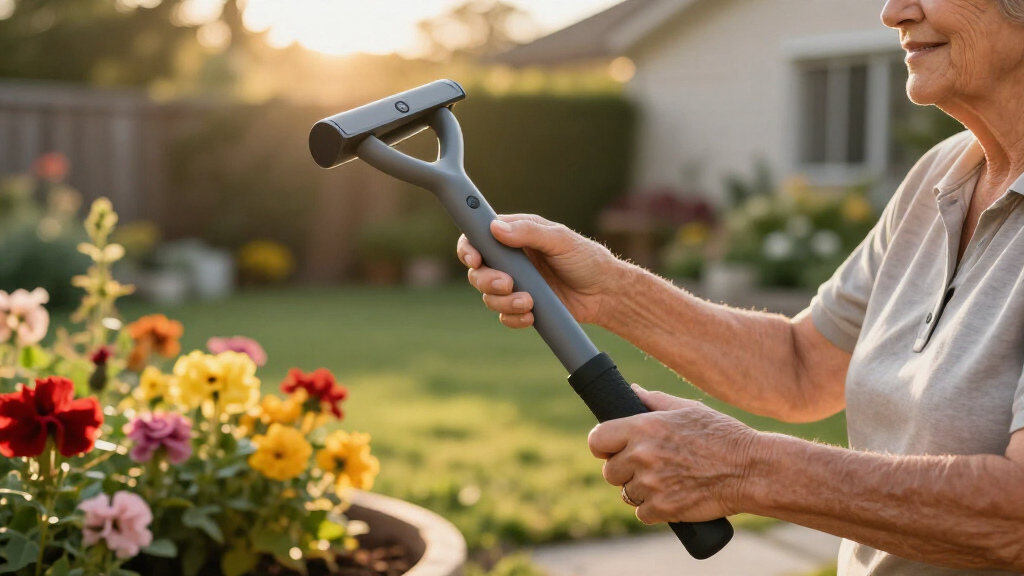
Adaptive aids are specially designed tools or modifications that help individuals with physical, sensory, or cognitive challenges participate in hobbies. For example, a person with arthritis might use ergonomic knitting needles that reduce strain and fatigue. A gardener with limited grip strength could benefit from lightweight, easy-to-hold tools.
These aids aren’t just about making things easier—they restore a sense of control and joy. They matter because they address specific limitations that could otherwise cause hobbies to become frustrating or even impossible, leading to feelings of helplessness or loss of identity. By tailoring tools to individual needs, you can maintain or even deepen your engagement in cherished activities. The tradeoff, however, is that some aids may require a learning curve or initial investment, but the long-term gains in independence and satisfaction typically outweigh these considerations.
Research shows that adaptive aids can boost confidence and mental health by supporting ongoing hobbies, which are proven to reduce stress and loneliness.
adaptive gardening tools for seniors
As an affiliate, we earn on qualifying purchases.
As an affiliate, we earn on qualifying purchases.
5 Adaptive Aids That Make Painting, Gardening, and Playing Music Easier
| Hobby | Adaptive Aid | Benefit |
|---|---|---|
| Painting | Ergonomic brushes with lightweight handles | Reduces strain on wrists and shoulders, preventing fatigue that can discourage continued practice or cause discomfort during extended sessions. This encourages longer, more comfortable painting experiences, fostering creativity without pain. |
| Gardening | Lightweight, long-handled tools with non-slip grips | Enables reaching into beds or digging without excessive bending or strain. These tools help maintain independence and reduce the risk of injury from overexertion, making gardening a sustainable, enjoyable activity. |
| Playing Guitar | Capo with easy-to-press mechanism | Facilitates quick chord changes, which can be difficult for those with limited finger strength or dexterity. This helps sustain musical engagement and reduces frustration, allowing musicians to enjoy playing longer and more effortlessly. |
| Knitting | Adaptive needles with larger loops and textured grips | Enhances grip stability for shaky or arthritic hands, enabling smoother movements. This not only improves the quality of your work but also boosts confidence in your skills, encouraging continued crafting. |
| Cooking | Modified utensils with built-in stabilizers | Prevents slipping and enhances control, making chopping, stirring, or slicing safer and less tiring. This promotes independence in the kitchen and encourages healthy, enjoyable cooking routines. |
ergonomic painting supplies for arthritis
As an affiliate, we earn on qualifying purchases.
As an affiliate, we earn on qualifying purchases.
3 Simple Steps to Find the Perfect Adaptive Aid for Your Hobby
- Identify what part of the hobby feels most challenging—grip, reach, or balance. Understanding the specific difficulty helps target the right solutions rather than generic aids.
- Explore tools and modifications that target that issue—think ergonomic handles, lightweight tools, or adjustable equipment. Consider how these options can integrate into your existing routine without causing additional frustration.
- Test different options, ideally with guidance from an occupational therapist, to see what feels most natural and comfortable. They can help you weigh tradeoffs such as cost, ease of use, and effectiveness, ensuring you choose aids that truly enhance your enjoyment and safety.
Remember: customization is key. What works for one person might not work for another, so don’t hesitate to experiment and seek professional advice when needed.
musical instrument aids for disabilities
As an affiliate, we earn on qualifying purchases.
As an affiliate, we earn on qualifying purchases.
The Latest Tech That Makes Hobbying Easier and More Fun
Recent advances in technology are opening new horizons for hobby enthusiasts with limitations. Smart devices like voice-controlled lamps or adjustable stands help minimize physical strain and make setup easier, allowing you to focus on the activity itself rather than struggling with equipment. 3D printing enables the creation of custom-made tools that fit your hand size or specific hobby needs, providing tailored solutions that were previously costly or unavailable.
Wearable tech can assist with balance, posture, or sensory input, which are common challenges for many hobbyists. For example, sensors that alert you to poor posture can prevent strain during painting or crafting. Virtual reality (VR) offers immersive experiences, allowing you to garden, paint, or explore new environments from the comfort of your home, with settings that can be adjusted to your mobility level. These technologies not only increase accessibility but also add an element of fun and novelty, motivating continued engagement.
According to an anonymous researcher, these innovations are making adaptive aids more affordable and customizable, which broadens participation and enriches the hobbies of millions worldwide.
adaptive cooking utensils for limited mobility
As an affiliate, we earn on qualifying purchases.
As an affiliate, we earn on qualifying purchases.
How to Personalize Your Hobbies with Adaptive Aids
Personalizing adaptive aids is crucial because it ensures that the tools fit your unique body, environment, and hobby requirements. When a tool is customized, it reduces discomfort, prevents injury, and boosts confidence—making the hobby more enjoyable and sustainable. For instance, customizing a gardening tool with a grip that molds to your hand can prevent fatigue and slips, while adding cushions to your chair can alleviate back pain during long sessions.
Most adaptive aids are designed with flexibility in mind, allowing you to adjust textures, weights, and controls to suit your preferences. This might involve selecting softer grips, lighter materials, or easy-to-operate switches. Working with an occupational therapist or visiting specialized stores can help you identify modifications that align with your needs, ensuring you get the most benefit from your aids. The implications are significant: well-tailored tools not only improve comfort but also encourage consistent use, which is essential for maintaining skills and enjoyment over time.
Think of adaptive aids as customizable extensions of yourself—tools that adapt to you, not the other way around. Small adjustments can lead to big improvements in how you experience your hobbies.
Safety First: Using Adaptive Aids Without Risks
Safety is paramount when using adaptive aids because poorly chosen or improperly used tools can lead to accidents or injuries. Ensuring stability and comfort is essential; for example, gardening tools with non-slip grips prevent slipping, but if the tool is too heavy or awkward, it might cause strain or loss of control. Selecting aids that match your strength and dexterity levels minimizes risk and enhances confidence.
Start slow when introducing new aids—test them in controlled environments and in familiar settings. Clear pathways and good lighting reduce trip hazards, especially when adjusting to new equipment. Regularly inspect your tools for wear or damage, as compromised aids can pose safety risks. Consulting an occupational therapist or adaptive device specialist can provide tailored recommendations and safety checks, ensuring that the aids not only help you enjoy hobbies but do so safely. Remember, the goal is to enhance your experience, not to push beyond your physical limits or create new hazards.
Practicing mindful use and understanding your own limits are key to enjoying hobbies safely. Adaptive aids are meant to empower, not to cause harm or frustration.
Getting Family and Caregivers Involved in Your Hobby Journey
Involving loved ones in your hobby activities can significantly enhance your experience and safety. Demonstrating how adaptive aids work helps them understand your needs and provides a foundation for support. For example, a caregiver assisting with ergonomic adjustments or digital device setup can help you maximize the benefits of your tools and troubleshoot issues promptly.
Sharing your hobbies with family can also foster emotional bonds and motivation. Their involvement might introduce new ideas or adaptive solutions you hadn’t considered, enriching your engagement. Moreover, their support can help you stay consistent, especially during challenging times, by encouraging continued practice and exploration. Creating a team approach ensures that adaptive aids become integrated seamlessly into your routine, making hobbies more accessible and enjoyable for everyone involved.
It’s about building a supportive environment where your passions are nurtured, and independence is preserved. The collective effort can turn hobbies into shared joy and ongoing growth.
Frequently Asked Questions
What are some easy adaptive aids I can use at home for hobbies?
Simple options include ergonomic handles, lightweight tools, non-slip grips, and adjustable stands. These modifications can make activities like painting, gardening, or cooking much easier and more comfortable.
How do I choose the right adaptive aid for my needs?
Identify the specific challenge—like grip, reach, or balance—and then look for tools that target that issue. Consulting an occupational therapist can provide personalized recommendations based on your hobbies and physical condition.
Are there DIY solutions for adaptive hobby tools?
Absolutely. Many people craft their own adaptations using household items—like wrapping handles with foam, attaching suction cups for stability, or using recycled materials to create custom grips. Just ensure safety and comfort are your top priorities.
Can adaptive aids be used for all hobbies, like painting, gardening, or playing instruments?
Most hobbies can benefit from adaptive aids, especially when tailored to your specific needs. Whether it’s modified brushes, lightweight tools, or ergonomic supports, there’s likely an aid that can help you enjoy your favorite activity again.
What resources are available to learn more about adaptive aids?
Local occupational therapists, community centers, and online platforms offer tutorials and consultations. Many organizations also provide free information about adaptive tools and modifications suitable for various hobbies.
Conclusion
Reclaiming hobbies isn’t just about passing time—it’s about preserving your spirit and independence. Adaptive aids turn what once felt impossible into achievable, joyful moments. Think of them as the bridge back to the hobbies that make your life vibrant.
Start small, explore new tools, and involve loved ones. The joy of creating, gardening, or playing music again might be closer than you think—waiting just on the other side of a simple adaptive aid.
Fall Picks
fall essentials
As an affiliate, we earn on qualifying purchases.