
TL;DR

Turn quiet afternoons into listening time
- Thousands of audiobooks, podcasts and originals
- Listen on your phone, tablet or Echo — also offline
- Cancel anytime
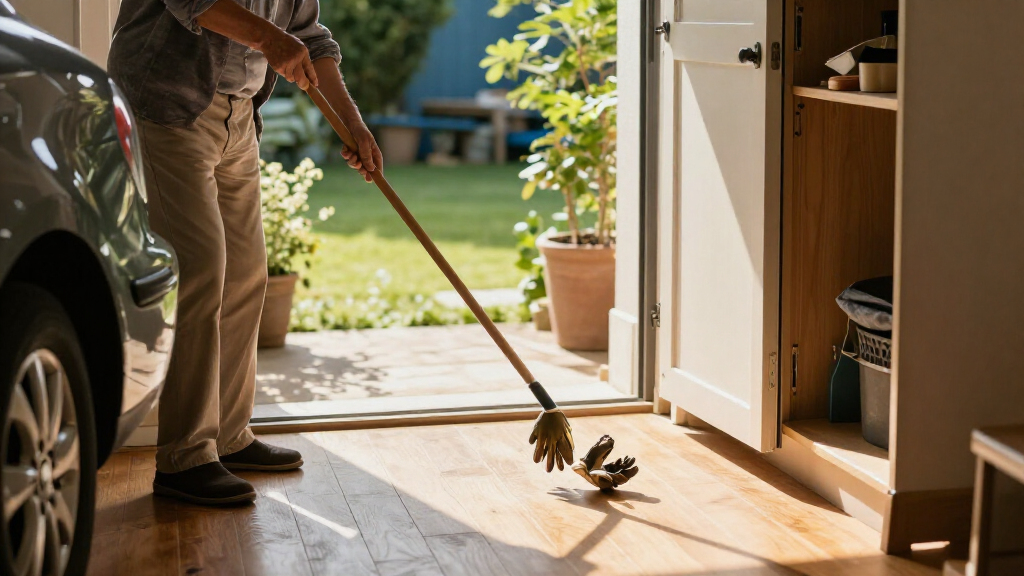
A reacher, also called a grabber or reacher-grabber, is a hand-operated tool for retrieving light objects without bending, stretching, or climbing. Choose its length, grip, and jaw style for the setting, and use it only for items you can grasp securely without straining. It cannot support your weight or safely handle hot, sharp, heavy, or unstable objects.
A dropped key can turn a quick trip to the car into an awkward reach between the seats. A reacher can bring it closer, but the same tool that helps with a light object may be a poor choice for a heavy bag or something near the pedals.
A reacher, also called a grabber or reacher-grabber, is a hand-operated tool with a handle, shaft, and jaws or hook. You squeeze a trigger to grasp an object without bending or stretching as far. In this guide, you’ll see how to match one to car, closet, and garden tasks, what features affect comfort and control, and where safer choices mean asking for help or using another tool.
The goal is simple: make everyday retrieval easier while keeping your feet steady and your hands away from hazards. A reacher can help you bring an object within reach; it can’t replace a cane, walker, ladder, or another person’s help.
Choose shaft length, handle, and jaw shape for the tasks you do most often; extra reach can be harder to control.
In the car, park safely before retrieving anything, and keep reachers away from pedals and controls.
Use a closet reacher for light clothing or items; don’t pull heavy or unstable objects from high shelves.
Garden reachers can help with light pickup, but sharp, thorny, wet, or heavy work calls for suitable tools and care.
Follow the manufacturer’s weight rating and care instructions, and stop using the tool if its grip slips or trigger sticks.
Reachers for the Car, Closet, and Garden
A reacher brings light objects closer without bending or stretching. Choose one you can control comfortably, and match its jaws and intended use to the task.
Choose for comfort and control
A longer shaft can extend your reach but may be harder to steer. Check the trigger, handle, and jaw grip on a light object.
Choose jaw shape and length for the objects you retrieve most often.
Squeeze and release; stop if your hand tires or the jaws stick.
Follow the manufacturer’s weight limits and care instructions.
Fit the tool to the setting
Use a steady position and bring an item within easy hand reach before picking it up.
Park before reaching
Retrieve light items only after parking safely. Keep the tool away from pedals, controls, and hot or moving areas.
Bring down light items
A hook may catch a hanger. Avoid pulling heavy or unstable objects from high shelves.
Use suitable tools
Some reachers help with light pickup. Check outdoor-use guidance; use gloves and proper tools for thorny plants or cutting.
Know the limits
A reacher retrieves objects; it does not support your body or replace balance aids.
- Light objects you can grip securely
- Retrieval from a stable position
- Targets within comfortable reach
- Hot, sharp, heavy, or unstable items
- Supporting your weight or maintaining balance
- Items near car pedals or controls
Choose a reacher you can control comfortably
A reacher works best when its length, weight, handle, and jaws fit both the task and your hands. Length affects leverage: as the shaft gets longer, a small movement at the handle can move the jaws farther, which makes accurate placement harder. A longer tool may reach an item without a bend, but if you can’t steer it steadily, you may knock the item farther away or grip it poorly. If you can try one, test the trigger and jaws on a light item from the position you expect to use it.
Think about a paperback on the floor beside your favorite chair. If the trigger takes too much force, or the shaft wobbles while you aim, the tool may not feel comfortable even if its reach is generous. Repeated squeezing can tire a hand, and fatigue can make it harder to keep the jaws closed while lifting. A softer, easier-action trigger or a different handle shape may suit you better, though the jaws still need to hold the object securely. Grip comfort matters just as much as the length printed on the package.
Check whether the jaws are shaped for the things you pick up. Wider jaws may help with a folded towel because they spread pressure over more fabric; a hook can catch a hanger without requiring a firm pinch. These designs involve tradeoffs: a hook may snag clothing, while broad jaws may be less precise around small items. Some models have rotating jaws, magnetic tips, or folding shafts; features and availability vary, so check the manufacturer’s specifications rather than assuming every option fits every task.
Use this short checklist when comparing options:
- Pick a common target, such as a sock, light package, or small tool. Familiar shapes give you a more realistic sense of whether the jaws can hold what you actually retrieve.
- Check the reach from a comfortable seated or standing position, without leaning or stretching. This helps you judge the tool’s useful reach while keeping your balance steady.
- Squeeze and release the trigger several times. Notice whether your hand tires or the jaws stick; a tool that feels difficult after a few squeezes may be frustrating during regular use.
- Test the grip on a light object with a shape like the ones you expect to retrieve. A tool that holds a sock may not control a narrow handle or slippery package as well.
- Read the use and care instructions, including any stated weight limits or restrictions. These help define the tool’s intended jobs and explain how to keep its moving parts working.
If your grip strength varies, try the tool at a time when your hand feels typical. A family caregiver can help check the fit, but your own comfort should guide the choice. That way, the tool is more likely to be usable on an ordinary day, not just during a brief trial.
Products Worth Considering

Philips Hue Play Gradient 65-Inch Smart TV Light Strip

Samsung 55-Inch Neo QLED 4K TV with WireLogic 8-Foot Ultra High Speed HDMI Cable

Samsung 50-inch QN70H Neo QLED 4K Smart TV with Austere 2.5 m 8K HDMI Cable
As an affiliate, we earn on qualifying purchases.
Use a reacher in the car after you park
In the car, a reacher can help you retrieve a light item from the footwell or back seat after you’ve parked safely. A compact or folding model may fit in a door pocket or storage compartment, making it handy when a glove or light shopping list slips behind the passenger seat. Park, switch off the car, and take the time to see exactly where the item sits. The pause matters because a tool can extend your reach but cannot give you a clear view; locating the object first helps prevent snagging upholstery or pushing it farther out of reach.
Imagine your reusable shopping bag has tipped over and a scarf has slid into the rear footwell. You can sit securely, open the door if that gives you a clearer view, and bring the scarf closer with the jaws. A clear view helps you avoid catching seat fabric or knocking something else onto the floor. Once the scarf is within easy reach, pick it up by hand rather than holding it suspended at the end of the shaft, where it may slip or swing.
Never use a reacher while driving, and don’t reach toward moving, hot, or hard-to-see areas. An object near the pedals or controls can create a hazard; ask someone to help retrieve it or move the car to a safe place first. A reacher also isn’t a reason to twist sharply across the cabin or brace your body against an open door. The tool reduces how far your hand must travel, but twisting and unstable support can still affect balance and control.
Choose a model you can store without blocking your view or getting tangled with other items. A folding shaft can save space, while a simple compact tool may be easier to open and put away. The convenience of folding only helps if you can unfold and lock it reliably; a joint that feels awkward can slow you down or make the tool harder to control. Before buying, consider whether you can reach the common spots in your own vehicle from a stable position. A tool that stays secure and easy to find can be more useful than one with extra features you rarely need.
Bring down light closet items without climbing
A closet reacher can help bring light clothing or small items from an awkward shelf within easier reach. For a shirt on a hanger, a hook-style end may catch the hanger more reliably than gripping jaws. For a soft scarf on a low shelf, jaws may work well if you can see and hold the fabric without pulling other items down. Choosing the end for the object matters because a missed grip can shift nearby belongings, turning a simple retrieval into a falling-item hazard.
Say you keep a light cardigan on a high shelf and want it before heading out. Rather than standing on a chair or stretching on tiptoe, you might use a reacher from a steady position to draw the garment toward you. Clear the floor first; a pair of shoes or a laundry basket can turn a simple task into a trip hazard. Move the item only until you can take it by hand, since trying to carry it across the room with the reacher can make it swing or slip.
Don’t tug heavy or unstable objects down from above. A storage box can shift, and its contents may fall toward you. If a shelf is crowded, move lighter items to a lower, easier-to-reach spot or ask someone to reposition the heavier box. Changing where you store an item may solve the problem better than reaching farther each time. Frequently used light clothing belongs where you can reach it comfortably; the reacher is more useful for occasional awkward items than as a reason to keep everyday belongings high up.
Closet rods and shelves vary, so test the tool on a lightweight item first and keep your posture comfortable. A long shaft can reach a hanger but may be difficult to steer in a narrow closet. Keep the space well lit, and avoid using the tool to pull clothing across a sharp corner or tangled rack. The aim is to bring the item closer, then grasp it by hand once it is within easy reach. If the tool catches or the item begins to shift, stop and reposition rather than pulling harder.
Pick up light garden items and leave sharp work to proper tools
A garden reacher can help pick up light litter, a small hand tool, or a dropped plant label without repeated bending. Some outdoor models have different grips or stronger jaws, but “garden” on a label doesn’t mean a tool can safely handle every outdoor job. Check the intended use and care instructions before exposing it to dirt or moisture. Outdoor debris can affect moving parts, and a jaw that works well on a clean patio may not close securely around a muddy or irregular object.
Picture a sunny afternoon when a lightweight trowel slips onto the patio. If the jaws hold it securely and you can stay balanced, the reacher may bring it close enough to pick up by hand. A wet, muddy handle can slip, though, and a standard reacher may not be designed for heavy branches, soil, or repeated rough use. If the tool loses its grip, the object can drop or swing; stop and use a hand tool or ask for help instead of trying to compensate with a harder pull.
Use garden gloves and suitable garden tools for thorny plants, pruning, or cutting. A reacher isn’t a safe substitute for shears, a rake, or a tool designed to work in soil. Avoid gripping anything sharp, hot, unstable, or too heavy to control. If a branch is caught high in a shrub, pulling it toward you can make it spring back or shift unexpectedly. The reacher gives you distance from the branch, but it doesn’t control its stored tension or the direction it moves when released.
Outdoor work brings extra wear: grit can collect around the jaws, and damp storage can affect some materials or mechanisms. Follow the maker’s care directions and store the tool dry if instructed. Cleaning and drying it as directed helps preserve the grip and trigger action you rely on. If you want a dedicated garden model, compare its stated use and features with the jobs you actually do. A reacher that’s easy to handle for a wrapper on the patio may not be the right choice for a muddy tool in a flower bed.
Know what a reacher can lift—and what it can’t
A reacher is for light objects you can grasp securely, not for moving your body or handling risky loads. Its weight capacity isn’t universal; follow the rating supplied by the manufacturer. Even within a stated limit, the object’s shape and surface matter: a small, smooth item may slip more easily than a broader object with a firm edge. The rating describes a limit under specified conditions, while the real task also depends on whether the jaws can get around the item and maintain a stable hold.
For example, a light tissue box might be easy to grasp, while a heavier grocery bag with thin handles could swing or tear as you lift it. Don’t judge safety by weight alone. A long or awkward object can also shift its balance as it leaves the floor, increasing the force you need to control at the handle. If the object shifts, strains your hand, or makes you lean to keep control, set it down and choose another way to retrieve it.
A reacher cannot replace a cane or walker, and you should never use it to support your body weight, lift a person, climb, or pull yourself upright. It also isn’t meant for hot pans, sharp tools, or unstable items. Those tasks call for a different tool or another person’s help, depending on the situation. A reacher is designed to close its jaws around an object; it has no stable base or body support, so leaning on it can make it slip or fail suddenly.
There’s a useful tradeoff between reach and control: a longer shaft may let you reach farther, yet it can be harder to aim accurately. That extra distance also increases the effect of small movements at your hand, so a light object may wobble even when the jaws have a firm grip. If your hand strength or comfort makes the trigger difficult, the tool may not suit you, even when it reaches the target. Try the action with a small, harmless object before relying on it for everyday tasks. For health-related decisions about mobility or an injury, ask a qualified professional for guidance.
Keep the jaws clean and the trigger working smoothly
A quick check helps you notice loose parts, damaged jaws, or a sticking trigger before you rely on the tool. Follow the manufacturer’s care instructions, since materials and mechanisms differ. After using a reacher outdoors, look for grit or plant debris around the jaws and wipe it as directed. Debris can stop the jaws from closing evenly, which may make an object slip even if the trigger still moves.
Suppose the jaws start slipping on a light sock or the trigger no longer opens them smoothly. Stop using the tool until you know why. A loose shaft or worn grip can make an ordinary retrieval task harder to control, especially if you’re reaching from a chair or working in a tight spot. Continuing to use it may turn a small maintenance issue into a dropped object or a strained hand.
Store the reacher where you can find it, and keep it dry if the care instructions call for dry storage. A folding model should latch or unfold as the manufacturer describes. If you keep one in the car, make sure it won’t roll under a seat or interfere with pedals and controls. Secure storage keeps it available for the next task and prevents the tool itself from becoming an obstacle.
Don’t rely on a damaged or sticking reacher. If a part is loose or a mechanism jams, check whether the maker provides repair guidance or replace the tool according to its instructions. A brief inspection takes little time. It can also help you catch a problem before you try to lift something you can’t easily retrieve by hand.
Match each setting to the right reacher features
The right reacher depends on where you use it and what you pick up. A compact shaft may suit the car, a hook may help with closet hangers, and outdoor care instructions matter in the garden. These are starting points, not guarantees: check each tool’s specifications and try it with a light object like the ones you handle. The best feature is the one that improves control for a task you do often, since added mechanisms can make a tool harder to open, store, or maintain.
For instance, a folding reacher may be convenient in a vehicle but less appealing if you find its joints awkward to lock. A closet hook may catch a hanger neatly but won’t necessarily hold a soft package. One tool can serve more than one setting when its design fits both tasks; you don’t need a separate model just because the location changes. Comparing the objects and positions you encounter helps reveal whether one versatile tool is enough or whether a specialized shape would solve a recurring problem.
| Setting | Useful feature to look for | Example task | Keep in mind |
|---|---|---|---|
| Car | Compact or folding design | Retrieving a light scarf from the back seat | Park first; keep it away from pedals and controls |
| Closet | Hook for hangers or jaws for light items | Drawing a light shirt toward you | Avoid pulling heavy or unstable items from a high shelf |
| Garden | Grip and care instructions suited to outdoor use | Picking up a light wrapper on a patio | Don’t use standard jaws for sharp, muddy, heavy, or cutting work |
The table can help you make a short list before shopping. If you mostly need a tool for a jacket that slides from a closet shelf, a simple jaw shape may be enough. If you want to retrieve occasional items from several places, prioritize comfort and control across those tasks, then check the maker’s stated limits. A short trial with representative light items can show whether the feature choices translate into reliable handling in your own spaces.
Frequently Asked Questions
What length reacher should I choose?
Choose a length that lets you reach common items without leaning or stretching. If you can, try it while seated and standing; a longer shaft may be harder to aim. Comfort and control matter as much as reach.
Can a reacher replace my cane or walker?
No. A reacher is for retrieving objects and cannot safely support your body weight or help you maintain balance. Use your usual mobility aid for support.
Can I use a reacher if I have arthritis or limited hand strength?
It may help with some tasks, but trigger pressure and handle shape vary. Look for an easy-action mechanism and a comfortable grip, and try it with a light object before relying on it. Ask a qualified professional about health or mobility concerns.
Can a reacher help me get dressed?
Some tools are designed for dressing and may have hooks or other attachments. A general-purpose grabber may not work well for socks, sleeves, or fasteners, so check the tool’s intended use.
How much weight can a reacher lift?
There is no universal weight capacity. Follow the manufacturer’s rating, and remember that an object’s shape and grip can affect whether the jaws hold securely. Don’t lift anything that swings, slips, or makes you strain.
How should I clean and store a reacher?
Follow the manufacturer’s care instructions and check the jaws, shaft, and trigger for damage or loose parts. If the grip slips or the mechanism sticks, stop using it. Store it as directed, especially after outdoor use.
Conclusion
Choose a reacher you can squeeze, aim, and release comfortably, then use it for light objects that stay within a steady, easy reach. Park before retrieving anything in the car, keep closet shelves arranged to avoid heavy pulls, and check that an outdoor tool suits garden conditions.
A good reacher brings a dropped scarf or small garden tool closer; it doesn’t ask you to trade steadiness for distance. Keep that simple rule in mind, and everyday tasks can feel a little less awkward.