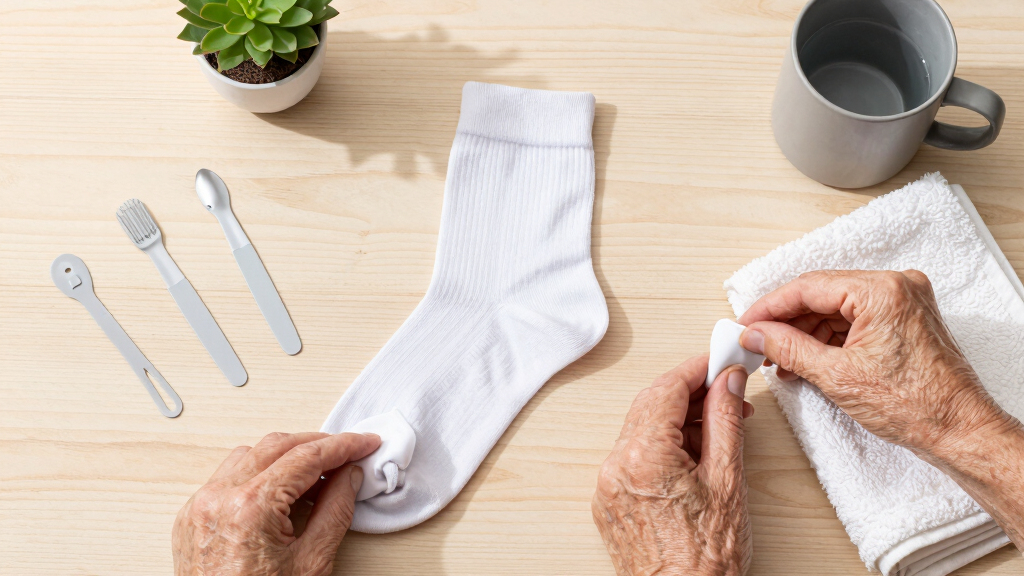

TL;DR
Prime for Young Adults — start your free trial
Fast free delivery, streaming and member deals for eligible 18–24 year olds.
Try it freeAs an affiliate, we earn on qualifying purchases.
Properly chosen sock aids and dressing tools can dramatically improve independence and safety. They help reduce strain, prevent falls, and make dressing routines smoother, especially for those with limited mobility or after surgery.
Choose dressing aids with ergonomic handles, textured grips, and adjustable features for easier use.
Multi-purpose tools that combine functions can save space and simplify routines.
Regular maintenance and inspection keep your tools safe and effective.
Matching the right aid to your specific mobility needs significantly boosts independence.
Practicing with your aids in a calm environment helps build confidence and muscle memory.
Sock Aids and Dressing Tools That Really Help
Ever tried slipping into a sock while balancing on one foot? A correctly matched aid turns awkward bending, reaching and fastening into a steadier routine—helping protect safety, energy and dignity.
Four tools, four different barriers
Start with the task that causes the most effort or instability. A small, specific tool is often more useful than a complicated device that does everything.
Sock aids
A shaped channel holds the sock open while cords or handles guide it over the foot. Best for: limited hip movement, arthritis or post-surgical precautions.
Dressing sticks
A long handle with hooks helps pull up trousers, position sleeves or guide clothing. Best for: limited shoulder, arm or trunk movement.
Button & zipper aids
Loops and hooks manage small fasteners with less pinching force. Best for: reduced dexterity, tremor, joint pain or weak fingers.
Reachers & grabbers
Long shafts and gripping jaws retrieve dropped clothes without dangerous bending. Best for: balance concerns or restricted range of motion.
Features worth prioritizing
Comfort is not cosmetic. Better grip, lower operating force and stable positioning directly affect control and fall risk.
Wide, textured handles
Improve tactile feedback and require less pinching force.
Adjustable length or sizing
Accommodates body size, swelling and different clothing.
Non-slip contact points
Help keep the tool, garment and foot securely positioned.
Light, cleanable materials
Coated plastic or aluminum supports hygiene and daily use.
Practical priority score
A quick weighting guide for comparing models. Higher bars signal features with broad day-to-day value.
Which aid fits which need?
Use this comparison as a shortlist, then check handle comfort, operating force and garment compatibility in person whenever possible.
| Tool | Main challenge solved | Limited hand strength | Best design feature | Watch for |
|---|---|---|---|---|
| Sock aid | Bending to reach feet | ✓ Good fit | Wide handles + textured shell | Very thick socks may resist loading |
| Dressing stick | Pulling and positioning clothes | ~ Depends | Ergonomic handle + smooth hooks | Requires controlled arm movement |
| Button aid | Small buttons and zippers | ✓ Good fit | Thick handle + low-force loop | Buttonhole size compatibility |
| Reacher | Floor or high-shelf reach | ~ Choose assisted | Spring-loaded trigger | Heavy models cause hand fatigue |
| Standard shoehorn | Guiding heel into footwear | ✗ Limited reach | Long, curved lightweight shaft | Short models still require bending |
Smarter, lighter, more adaptable
Recent innovation is moving dressing aids away from one-size-fits-all hardware and toward personalized, hygienic systems.
Antimicrobial surfaces
Easy-clean coatings and lighter materials support frequent use and simpler maintenance.
Multi-purpose tools
Combined reacher, hook and shoehorn functions reduce clutter and simplify routines.
Sensors & motors
High-end models can detect slipping or operate with minimal force for weaker hands.
Adjustable components
Variable lengths and shapes better fit body size, swelling and clothing preferences.
Complexity versus assistance
Choose only as much technology as helpsFind the right fit
The best aid is the one that solves a real barrier, feels manageable and can be used consistently without introducing a new safety problem.
Identify the barrier
Can you bend, reach, grip and balance comfortably?
Choose the tool type
Target the hardest task: socks, clothing, fasteners or reach.
Test ergonomics
Look for low force, secure grip and adjustable positioning.
Inspect materials
Favor lightweight, durable and easy-to-clean construction.
Build confidence
Rehearse calmly while seated and on a stable surface.
Arthritis + limited hand strength: prioritize a sock aid with wide textured handles, a lightweight frame and adjustable cords. Avoid narrow loops or stiff components that demand sustained pinching.
Make the tool work better
Technique, storage and maintenance matter nearly as much as the product itself.
Why the Right Dressing Tools Make a Big Difference
Choosing the right sock aid or dressing tool isn’t just about convenience — it’s about safety and independence. When you select the appropriate device, you minimize the risk of slips, falls, and injuries that can occur during dressing routines. For example, a sock aid with textured grips enhances tactile feedback, helping you maintain control and ensuring your foot stays securely in place while sliding it on. This reduces the need for awkward balancing or excessive bending, which can be dangerous if your mobility is limited. Supporting your dignity, these tools empower you to dress yourself with confidence, reducing reliance on caregivers and fostering a sense of autonomy. The tradeoff is that some aids may require initial practice to master, but the long-term benefits in safety and independence far outweigh the learning curve.
As an affiliate, we earn on qualifying purchases.
Types of Dressing Aids That Really Work — And How They Help
From sock aids to grabbers, each tool is designed with specific challenges in mind. Understanding their functions and ideal users helps you make informed choices that enhance safety and comfort. For example, sock aids with textured surfaces not only hold the sock open but also provide tactile cues that help you feel the sock’s position, which is crucial for proper placement and avoiding missteps. Dressing sticks with ergonomic handles allow for easier reaching and pulling, especially for those with limited arm mobility, but they also serve to prevent overextension — a common cause of discomfort or injury. Button and zipper aids simplify fastening, yet their effectiveness depends on the user’s dexterity and strength, highlighting the importance of selecting tools that match your current capabilities. Reachers and grabbers are invaluable for avoiding dangerous bending or stretching, but choosing models with spring-loaded or assisted mechanisms can make operation easier for users with weak grip strength. Each tool’s design tradeoffs — such as size, weight, or complexity — should be weighed against personal needs to ensure the best fit for safety, ease, and dignity. The right combination of these aids can significantly reduce the physical and mental effort involved in dressing, leading to a more autonomous and less stressful routine.
dressing stick with ergonomic handle
As an affiliate, we earn on qualifying purchases.
As an affiliate, we earn on qualifying purchases.
What Features Make Dressing Aids Easier and Safer to Use?
Look for ergonomic designs that fit comfortably in your hand and require minimal effort, as this directly impacts safety and ease of use. Adjustable devices are particularly valuable because they accommodate different body sizes, clothing styles, or specific limitations, ensuring a better fit and reducing strain. Non-slip grips and stable bases are critical for preventing slips during dressing, which can lead to falls or injuries. For example, a sock aid with a flexible, textured handle stays firm in your grip even if your hands tire quickly, preventing accidental drops or slips. Durable, easy-to-clean materials like coated plastic or lightweight aluminum not only make maintenance simple but also prolong the lifespan of your tools, reducing the need for frequent replacements. Considering these features helps you select aids that support independence by minimizing frustration and reducing the risk of accidents during dressing routines. Ultimately, the right features empower users to manage dressing tasks with confidence and safety, fostering dignity and autonomy.
As an affiliate, we earn on qualifying purchases.
Latest Trends and Innovations in Dressing Aids You Should Know About
Recent advances in dressing aids focus on making devices more adaptable, intuitive, and hygienic. Lightweight, antimicrobial materials are now common, helping prevent germs and making cleaning easier — an essential feature for maintaining hygiene, especially when aids are used frequently. Multi-purpose tools that combine functions, such as a sock aid that also serves as a reacher, reduce clutter and streamline dressing routines, saving space and effort. Some high-end models incorporate assistive technology, like sensors that alert you if your grip slips or motorized mechanisms that open or close with minimal effort, which can be especially helpful for individuals with weak hands or limited dexterity. Personalized sizing and adjustable components allow you to tailor your aids to your body and clothing, enhancing independence and comfort. For example, a sock aid with an adjustable length can fit different shoe styles or accommodate swelling, ensuring versatility. These innovations not only improve functionality but also promote a more confident, autonomous dressing experience, making daily routines less burdensome and more empowering.
adaptive dressing tools for limited mobility
As an affiliate, we earn on qualifying purchases.
As an affiliate, we earn on qualifying purchases.
How to Pick the Perfect Dressing Aid for Your Needs
Here’s a simple step-by-step process:
- Assess your specific mobility limitations — can you bend, reach, or grip easily? Understanding your capabilities helps determine which features are most important, such as the need for larger handles or adjustable lengths.
- Match your needs with the right type of aid — sock aids, grabbers, or dressing sticks — by considering the tasks you find most challenging and the environments in which you’ll use them.
- Check for ergonomic features like textured handles, adjustable parts, and non-slip grips, which can significantly reduce effort and improve safety during dressing.
- Consider the material — lightweight, durable, and easy to clean are best choices for longevity and hygiene, especially if aids will be used daily.
- Try out a few options if possible, or read reviews to find one that’s easy to handle and fits your specific needs. Sometimes, personal preference in grip or weight can make a big difference in comfort and confidence.
For example, if you have arthritis and limited hand strength, opt for a sock aid with a wide, textured handle and an adjustable, lightweight frame. Taking the time to select the right aid tailored to your needs ensures a safer, more comfortable dressing experience that encourages independence.
Simple Tips to Get the Most Out of Your Dressing Aids
- Practice in a calm setting to build confidence and muscle memory. Repetition helps you become familiar with the device, reducing frustration during actual use.
- Keep your tools within easy reach — on a bedside table or nearby shelf — so you can access them quickly without overreaching or searching, which can cause imbalance or accidents.
- Inspect your devices regularly for wear or damage — cracks, frayed handles, or loose parts can compromise safety. Replace or repair as needed to maintain effectiveness and safety.
- Use good lighting and a stable surface to make dressing safer and easier. Proper visibility helps prevent missteps and ensures correct placement of clothing and aids.
- Combine aids — like a sock aid with a reacher — for more independence, especially if you have multiple limitations. This integrated approach can streamline your routine and reduce physical effort.
Imagine slipping into a sock with just a gentle tug on a textured handle, then reaching for your shirt with a long stick. Small adjustments like these can make your daily routine safer and more comfortable, fostering a sense of control and confidence in your independence.
Frequently Asked Questions
How do I know which sock aid is best for me?
Start by considering your mobility, hand strength, and sock type. Look for adjustable, ergonomic designs that fit your needs. Trying out different models or reading reviews can also help you find the best match.Are sock aids suitable for thick or textured socks?
Most sock aids work well with standard and compression socks. However, very thick or textured socks may require a larger or more flexible device. Check product specifications before purchasing.Can people with limited hand strength use these tools?
Yes, many models feature easy-grip handles and mechanisms requiring minimal force. Look for tools with textured, wide handles or assisted opening features.How do I clean and maintain my dressing aids?
Most aids are made of plastic or coated metal, making them easy to wipe clean with a damp cloth. Follow manufacturer instructions for disinfecting and check periodically for wear.What safety tips should I keep in mind?
Use your aids on stable, flat surfaces. Avoid overreaching or forcing devices, and inspect them regularly. Ensure your tools are in good condition to prevent slips or accidents.Conclusion
A well-chosen dressing aid isn’t just a tool — it’s a bridge to independence, dignity, and safety. When you find the right fit, dressing becomes a seamless part of your day, not a challenge to overcome. Think of these aids as your personal helpers, quietly supporting your daily routines with every gentle pull and steady grip. Because everyone deserves to dress with comfort and confidence, no matter their mobility level.Evergreen bestsellers Picks
bestsellers
As an affiliate, we earn on qualifying purchases.