TL;DR
Play games included with Prime
Start a Prime free trial and play with Amazon Luna on your devices.
Start playingAs an affiliate, we earn on qualifying purchases.
Buttoning and zipping can be tough for many, but simple tools like button hooks and zipper pulls make dressing easier. Affordable and easy to use, they boost independence and confidence, especially for seniors or those with limited hand strength.
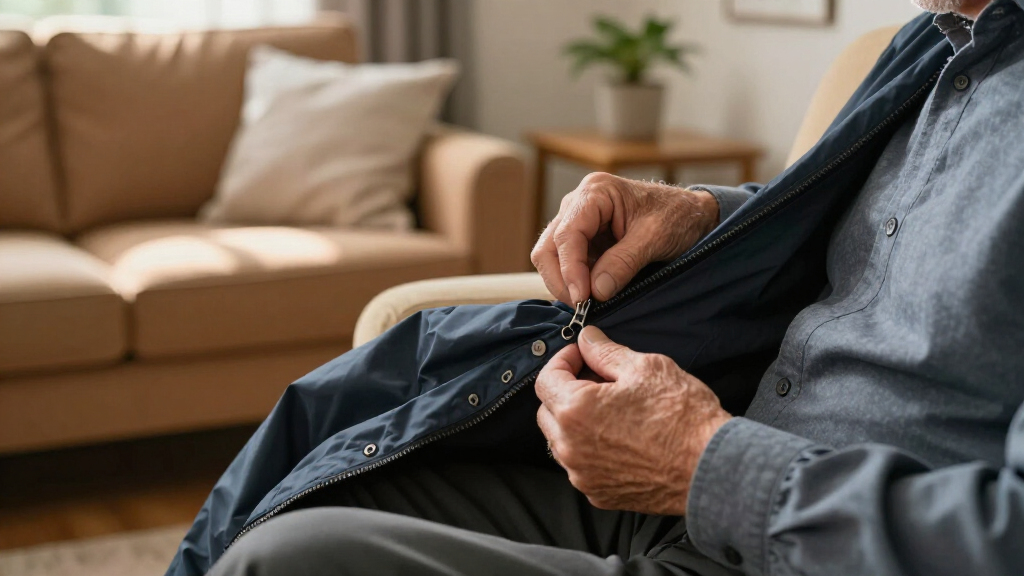
Ever struggled to fasten a tiny button or pull up a stubborn zipper? If so, you’re not alone. For many older adults or people with limited hand strength, dressing can become a frustrating daily challenge.
Thankfully, simple tools exist to turn this struggle into a task you can do with less effort and more confidence. These aids are affordable, easy to learn, and incredibly effective at helping maintain independence.
Simple dressing aids like button hooks and zipper pulls can restore independence for those with limited hand strength.
Choosing the right tool depends on clothing type, physical ability, and personal comfort.
Practice and patience are key — mastering these tools can turn a frustrating task into a quick routine.
Safety precautions, like careful handling and proper storage, keep dressing aids safe and effective.
Affordable options are widely available, making dressing assistance accessible for most budgets.
Why Simple Dressing Tools Make a Big Difference
Buttoning and zipping are small tasks with a big impact on independence. When these tasks become difficult, it can lead to frustration, longer dressing times, or even giving up on certain clothing choices. This not only affects physical comfort but can also impact emotional well-being, as feeling unable to dress oneself can lead to feelings of helplessness or decreased self-esteem.
Using tools like button hooks or zipper pulls transforms a fiddly chore into something manageable. They reduce strain on joints and muscles, which is especially important for those with arthritis or limited dexterity, and help prevent accidents like pinched fingers or dropped clothing. The tradeoff is often a small investment of time to learn the tool, but the benefits—more independence, less frustration, and increased confidence—far outweigh this initial effort.
Moreover, these aids can promote a sense of autonomy, allowing individuals to maintain their daily routines and personal style without relying on others. This preservation of independence is crucial for emotional health and overall quality of life.
As an affiliate, we earn on qualifying purchases.
What Are the Best Tools for Buttoning and Zipping?
Here’s a quick look at the most common and helpful tools, along with insights into why they matter:
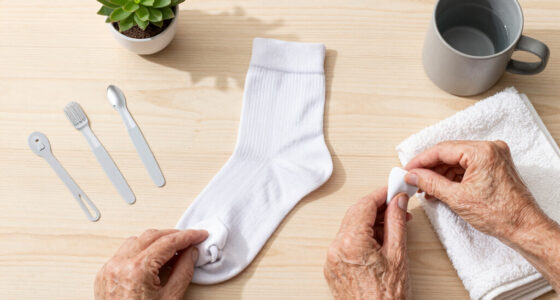
- Button Hooks: These long, slender devices with a curved hook at one end are designed to catch and pull buttons through buttonholes. They are especially useful for small or difficult buttons, reducing the need for fine finger movements. The tradeoff is that some may find them less precise for very tiny buttons, but their simplicity makes them a staple for many.
- Zipper Pulls: Attachments or grips that extend the zipper tab, making it easier to grasp and pull. They are invaluable for zippers that are hard to reach or grip, such as those on jackets or pants. While they simplify the action, choosing the right size and grip material can influence ease of use for different hand strengths.
- Dressing Sticks: Multi-purpose tools with hooks, loops, and sometimes built-in button hooks. Their versatility means you can reach, fasten, and pull clothing with one device, reducing the need for multiple tools. However, their size and weight might be a consideration for some users, especially if mobility is limited.
- Magnetic Buttons: Using magnets to fasten clothing eliminates the need for traditional buttoning. They are particularly helpful for those with severe arthritis or tremors, as they require minimal fine motor control. The tradeoff is that magnetic closures may not be suitable for all clothing types or situations where security is paramount.
For example, a well-designed button hook with a gentle curve not only makes buttoning easier but also reduces finger strain, which can prevent joint pain or injury over time. Understanding the benefits and limitations of each tool helps tailor dressing aids to individual needs, maximizing independence and comfort.
As an affiliate, we earn on qualifying purchases.
How to Use a Button Hook in 3 Easy Steps
- Position the button: Place the hook through the buttonhole and catch the button with the hook’s curved end. Ensuring proper alignment reduces the risk of slipping or dropping the button, which can be frustrating and time-consuming.
- Pull through: Gently pull the hook to guide the button through the hole, using a steady, controlled motion. Applying too much force can damage the fabric or cause discomfort, so patience and gentle pressure are key.
- Secure and adjust: Once the button is through, release the hook and make any necessary adjustments to the clothing. Practicing this motion can help build confidence, and over time, it can become a quick, almost automatic step in dressing.
As an affiliate, we earn on qualifying purchases.
Picking the Right Tool for Your Clothing and Needs
Not all tools are suitable for every clothing type or physical condition. Carefully considering your specific needs ensures you select the most effective aid, which can make a big difference in ease and safety. For example, choosing a tool that matches the size of your buttons or the type of zipper can prevent frustration and reduce the risk of damaging clothing.
Evaluate your strength and dexterity—if you have arthritis or limited grip, tools with ergonomic handles or magnetic closures may be more effective. For those who wear clothing with small buttons, a specialized button hook designed for tiny fasteners can save time and effort. Additionally, consider how often you’ll use the tool; if daily assistance is needed, investing in durable, high-quality options makes sense. Conversely, for occasional use, simpler or more affordable options might suffice.
Understanding these tradeoffs helps you make informed decisions, ensuring that your chosen tool enhances independence without adding unnecessary complexity or cost.
As an affiliate, we earn on qualifying purchases.
Safety Tips for Using Dressing Aids
While these tools are generally safe when used properly, paying attention to safety can prevent minor injuries or accidents. Handling hooks with care is essential—sharp or pointed edges, if not designed smoothly, can cause cuts or scratches. Always inspect your tools for any damage or rough spots before use.
Proper storage is equally important; keeping dressing aids in a designated, easily accessible spot prevents accidental pokes or slips when reaching for them. Rounding or covering sharp edges adds an extra layer of safety, especially if children or pets are nearby.
Rushing through dressing tasks can lead to slips, dropped tools, or pinched fingers. Taking your time, especially when learning new techniques, reduces risk and makes the process more comfortable. For example, securing zipper pulls after use prevents accidental snagging on clothing or furniture, which can cause tears or injury.
By following these precautions, you ensure that dressing aids remain safe, effective, and a helpful part of your daily routine.
How to Choose Affordable, Quality Dressing Aids
Cost-effective doesn’t mean sacrificing quality. Most dressing aids are priced between $5 and $30, making them accessible for many budgets. When selecting a tool, focus on ergonomic design—handles that fit comfortably in your hand, lightweight materials that won’t cause fatigue, and versatile features that suit your clothing types. For example, a durable button hook with a soft grip can last for years, providing consistent assistance and reducing frustration.
Reading reviews and seeking recommendations can help identify options that balance affordability with reliability. Investing a little more upfront in a high-quality tool often pays off in durability and ease of use over time, preventing the need for frequent replacements.
Remember, the right dressing aid can significantly enhance your independence, so choose one that feels comfortable, effective, and suited to your needs. This way, you’re not just buying a tool—you’re investing in your confidence and daily comfort.
Frequently Asked Questions
Are these dressing tools suitable for children learning to dress?
Absolutely. Many of these tools can help children develop independence and confidence, especially if they’re still mastering fine motor skills. Choosing age-appropriate, safe designs and supervising initial use ensures safety while fostering skill development.Can I use a button hook on all types of buttons?
Button hooks are most effective with standard-sized buttons. Very tiny or oversized buttons might require specialized tools or techniques, as a mismatched tool can cause frustration or damage. Always check the compatibility of your tool with your clothing to ensure ease of use.Most users find they can become proficient within a few practice sessions. Consistent use helps develop muscle memory, making the process faster and more intuitive over time. Patience during initial attempts leads to greater confidence and independence.
Are magnetic buttons secure enough for everyday wear?
Many magnetic closures are designed to be strong enough for regular use, especially for clothing that doesn’t require extreme tension. They offer a quick, effortless fastening solution, but may not be suitable for high-stress or heavy-duty applications. For everyday comfort and convenience, they can be an excellent choice.What’s the best way to store my dressing aids?
Designate a specific spot near your dressing area, such as a small container or hook, to keep your aids organized and accessible. Proper storage prevents accidental injuries from sharp edges and ensures your tools are ready when needed, helping maintain safety and ease of use.Conclusion
Small tools make a big difference. They turn a daily challenge into a manageable task, giving you or your loved ones more independence and dignity. Keep a few handy, practice using them, and enjoy the confidence that comes with doing things yourself.
After all, dressing is a simple act that can preserve your sense of autonomy — one button or zipper at a time.
Fall yard work Picks
leaf blowers
As an affiliate, we earn on qualifying purchases.