TL;DR
Choosing garden gloves for sensitive hands starts with identifying what tends to bother your skin, such as friction, sweat, sap, or a glove material. Match the glove to the job, check the seams and fit, and change damp gloves promptly; no glove prevents every reaction or protects against every garden hazard.
A glove can feel soft on the shelf and still leave your hands hot, damp, or rubbed raw after half an hour among the tomato vines. Sensitive hands react for different reasons: friction, sweat, plant sap, soil, detergents, and glove materials can all play a part. So the most useful first step in choosing garden gloves is to notice what tends to bother your skin.

Turn quiet afternoons into listening time
- Thousands of audiobooks, podcasts and originals
- Listen on your phone, tablet or Echo — also offline
- Cancel anytime
This guide helps you match fit, material, and protection to the work you actually do, from sowing small seeds to pruning thorny roses. You’ll also learn how to manage moisture, check labels, and care for reusable gloves. There’s no single best pair for everyone; a good choice gives you more comfort and control while respecting your hands’ limits.
Note whether friction, sweat, plant sap, soil, detergent, or a glove material seems to bother your hands.
Match glove protection to the task: airy and flexible for seed work, more coverage for thorns, and water resistance for wet jobs.
Check fit, fingertip length, seams, and cuff pressure while gripping the tools you’ll use.
Change gloves that feel wet inside, follow the care label, and replace pairs with holes, rough seams, or deteriorating linings.
Ask a healthcare professional about persistent, severe, or worsening symptoms or a suspected allergy.
Choosing Garden Gloves for Sensitive Hands
Comfort depends on what irritates your skin, the task, and how the glove fits and stays dry. No single glove suits everyone or protects against every garden hazard.
Start with your likely trigger
Friction, sweat, plant sap, soil, detergents, and glove materials can each contribute to irritation.
Track the pattern
Note the task, gloves, dampness, and when symptoms appear to help spot what may be bothering your hands.
Read the full label
The lining and skin-contact materials may differ from the palm coating. “Hypoallergenic” is no guarantee.
Match the glove to the job
Materials involve trade-offs in breathability, grip, protection, and dexterity.
| Glove type | May suit | Trade-off |
|---|---|---|
| Cotton | Light, dry work | Little protection from water, thorns, or chemicals |
| Nitrile-coated | Grip for damp or prickly work | Sweat, lining, or friction may still bother skin |
| Leather | Thorns and abrasive stems | May feel stiff or warm and limit movement |
| Thin liner | Soft layer under some work gloves | May trap warmth or reduce dexterity |
Check fit and construction
Try the movements you will use with garden tools.
Look for excess fabric or pressure that could affect control or cause rubbing.
Hold a tool and curl your fingers to check for pinching, bunching, or shifting seams.
Choose a smooth interior and a cuff that stays put without squeezing.
Keep hands and gloves comfortable
Dampness and wear can change how a glove feels during garden work.
- Change gloves when they feel wet inside, and let reusable pairs dry fully.
- Follow the care label; avoid fragranced detergent if it is a known trigger.
- Replace gloves with holes, cracked coatings, rough seams, or worn linings.
- People with latex allergy should avoid natural rubber latex and check product labels.
Start with the trigger your hands react to
Choosing garden gloves for sensitive hands starts with identifying what tends to cause irritation: friction, sweat, plant sap, soil, detergent residue, or a material in the glove itself. The distinction matters because each trigger points to a different adjustment. If rubbing is the issue, fit and seam placement may matter more than the outer material; if your hands feel worse after a hot, damp session, breathability and changing pairs may help. A glove that suits one gardener may bother another, so a few notes after gardening can help you spot a pattern without guessing.
For example, suppose your fingers feel itchy after an hour of weeding but calm down on a cool, dry day. That difference suggests the conditions of the session—warmth, moisture, or repeated movement—may be contributing alongside the plant or soil. A breathable glove that fits smoothly, or a shorter session with a dry pair change, might be more useful than simply choosing a thicker glove. If your hands react quickly every time you wear a particular glove, check its full material label and lining, not only the coating on the palm; components that touch the skin can be different from the visible surface.
Conditions such as eczema, contact dermatitis, or a known allergy can make personal triggers especially relevant. Gloves can reduce direct contact with some soil, sap, and rough surfaces, but they also create a warm enclosed space where sweat and friction can build. “Hypoallergenic” is not a guarantee that a glove will suit you, and one material is not right for everyone. The practical aim is to reduce likely exposures while checking whether the glove itself introduces another source of discomfort.
Keep a simple gardening note: write down the task, gloves worn, how long you worked, whether the gloves became damp, and when symptoms appeared. If the same pattern appears across several sessions, you’ll have more useful information than a single impression—for example, whether discomfort follows a specific pair or mainly longer, warmer jobs. When symptoms are persistent, severe, or getting worse, ask a healthcare professional for advice rather than trying to diagnose the cause yourself.
Products Worth Considering

Samsung 65-Inch Class M70H Series 4K Mini LED Smart TV (2026)

iRobot Roomba Plus 405 (G181) 2-in-1 Vacuum and Mop Robot with AutoWash Dock

Bose TV Speaker (2nd Gen) Compact Soundbar with Bluetooth and HDMI Connectivity, Black
As an affiliate, we earn on qualifying purchases.
Match the material to the job you have planned
Choose glove material by task and trade-off. Cotton often feels airy for light, dry work; nitrile-coated gloves can offer a flexible grip for damp or prickly jobs; and leather can provide more abrasion protection around thorns. The material changes more than how a glove feels: it affects dexterity, moisture, and the kind of contact it can help reduce. Each has limits, and the whole glove matters: lining, seams, cuff, and how long you’ll wear it all affect comfort.
| Material or feature | May suit | Trade-off to check |
|---|---|---|
| Cotton | Seed sorting, light planting, and dry tasks | Little protection from water, sharp thorns, or chemicals |
| Nitrile coating | Grip during damp work or handling rough plant material | Avoids natural rubber latex, but coating, lining, sweat, or friction can still bother some hands |
| Leather | Tasks with thorns or abrasive stems | Can feel stiff or warm and may limit finger movement |
| Thin liner | Adding a soft layer under some work gloves | Can trap warmth or moisture and make gripping small tools harder |
Imagine planting lettuce seedlings in cool morning shade. A flexible, breathable pair may help you handle tiny roots without fumbling, and the light task may not call for heavy coverage. Pruning a rose bush is different: more coverage can reduce scratches and protect your wrists, but a sturdy glove may feel less nimble. That trade-off matters if you need to position fingers precisely; choose enough protection for the task while keeping the movement you need.
Rubber or latex may irritate some people or trigger an allergy; anyone with a latex allergy should avoid natural rubber latex and check the product label. Nitrile avoids natural rubber latex, but that fact alone does not predict whether the entire glove will feel comfortable. Recycled or plant-derived fibers may appeal to you, but those claims alone do not tell you how the glove handles sweat, friction, or your particular trigger. Look at the product’s actual materials and care instructions.
Check fit and seams before you buy
A well-fitting glove sits securely without squeezing, bunching, or leaving excess material at the fingertips. That balance affects both comfort and control: pressure can concentrate rubbing in one spot, while loose fabric can fold during repeated gripping. The most important aspects to check are fingertip length, pressure at the palm, seam placement, and whether the glove stays in place when you open and close your hand.
If you can try a pair on, mimic the work you plan to do. Pick up a small seed packet, curl your fingers around a hand fork, and turn your wrist as if loosening soil in a planter. A glove that feels fine with your hand open may pinch between two fingers when you grip a tool, because the fabric shifts and pulls as your hand bends. Testing those movements helps reveal problems that a quick try-on can miss.
Check the inside as carefully as the outside. A rough seam across a knuckle can feel like a tiny ridge with every bend, so the same small contact is repeated throughout the task. A bunchy fingertip can make it harder to place a seed and may lead you to grip harder to compensate. Smooth interiors, low-profile seams, flexible panels, and adjustable cuffs may make a difference, though extra padding or layers can add warmth and reduce dexterity. Sizes vary between brands, so use the maker’s sizing guidance rather than relying on the size printed on a pair you already own.
Too tight can press and rub; too loose can bunch and reduce control. For example, if your fingers swim in the tips, you may find yourself gripping your pruners harder than needed, which can make a longer task tiring. If a cuff leaves a deep mark, it may be too constricting and could become uncomfortable as your hands move. A few minutes of careful checking before you buy can help you avoid a fit that creates pressure or makes routine work less precise.
Use different protection for planting and thorn pruning
The right level of protection depends on the garden task. Seed work calls for fingertip control and breathability, while thorny pruning calls for more coverage and resistance to abrasion or punctures. Wet jobs may call for water resistance, but a glove that keeps water out can also keep sweat in. Matching the glove to the task helps avoid a common compromise: using a bulky pair for delicate handling or a light pair where rough stems can reach your skin.
| Garden task | What to look for | Practical limit |
|---|---|---|
| Sowing and light planting | Flexible fit and breathable fabric | Thin gloves may not protect against sharp stems |
| Rose or bramble pruning | Suitable abrasion and puncture protection; longer cuffs | No ordinary garden glove is completely thorn-proof |
| Wet planting or washing pots | Water-resistant surface and a comfortable fit | Long wear may trap sweat and warmth |
| Handling chemicals or powered tools | Protection specified for that product or equipment | Do not assume an ordinary garden glove is suitable |
Picture the difference between pressing a bean into soft compost and pulling a thorny branch away from a walkway. The first job rewards fingertip feel; the second puts hands near sharp points and may need more coverage. One glove may not make both jobs comfortable. If you switch from sowing to pruning, changing pairs can give you more finger control for delicate work and better coverage for rough stems, while also letting you change out a glove that has become damp.
Use care labels and task-specific product instructions when you need protection from a particular substance or tool. An ordinary garden glove is designed for general handling, and its appearance does not establish how it performs against a chemical, thorn, or powered equipment. If the task needs stronger protection than your gloves provide, change the task setup or seek suitable equipment guidance before you continue.
Keep sweat and damp liners from irritating your hands
Damp gloves can worsen irritation because moisture, warmth, and repeated movement may leave skin uncomfortable. Sweat softens the glove’s feel and can increase rubbing as fabric or lining shifts against the hand. The fix can be as simple as changing pairs before the inside turns clammy. Keep a second pair nearby, especially on a warm day or when you’re moving between watering and dry planting.
A cotton liner under a water-resistant glove may feel soft at first and absorb some sweat. But once it gets damp, it can feel like a wet sock on your hand; the added layer may also make your fingers hotter and less nimble. A liner is a trade-off: it may reduce direct contact with the outer glove, but it also adds fabric and can hold moisture close to the skin. Try a short session before wearing a liner for a long stretch, and remove or change it if it becomes wet inside.
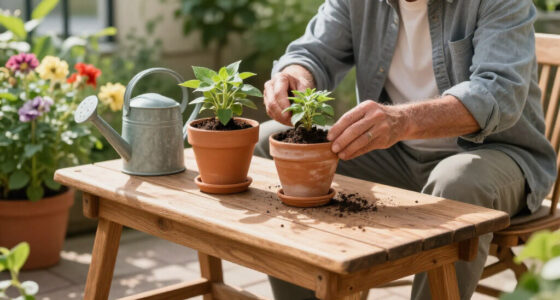
Suppose you’re potting herbs on a sunny patio. After watering, the palms of your gloves may feel slick even though the soil task is easy. That is a useful cue to pause, take the gloves off, and let your hands and gloves dry before going back to the pots; continuing in a damp pair can make both grip and comfort worse. When you finish, air reusable gloves fully between uses and follow the care label if they need washing.
If scented detergents are a known trigger for you, check the care products you use as well as the glove materials. Residue can remain in fabric after washing, so following the care label and rinsing as directed may matter for comfort. Some gardeners find a fragrance-free moisturizer after washing and drying helpful for maintaining comfortable skin. That is a personal-care option, not a treatment or a guarantee against irritation; consult a qualified professional about medical decisions or ongoing symptoms.
Try a careful buying routine before a long garden session
Try each new glove briefly before relying on it for a long session. Check its materials and fit, wear it for a small task, then see how your hands feel after you take it off. A brief trial will not guarantee how your skin responds over time, but it can reveal immediate problems such as a rough seam, pinching, or trapped warmth before those issues build during a long job.
- Name the task. Decide whether you’ll be sowing, handling damp soil, or working near thorny stems. That choice sets the balance between dexterity, breathability, and protection.
- Read the label. Check the coating, lining, and care instructions. If you have a known latex allergy, avoid natural rubber latex and verify the materials.
- Check movement and pressure. Flex your fingers, grip a tool, and check for pinching, loose fingertips, or rough seams.
- Start with a short task. Try a few minutes of low-stakes planting, then remove the gloves and check for dampness or discomfort.
- Review and adjust. If the pair feels hot or rubs, change gloves or choose a different fit or construction before a longer job.
For example, try a new pair while planting a handful of small pots rather than taking them straight into an afternoon of pruning. A small task lets you check control and comfort without committing to hours of use, though it cannot predict every response. Keep the packet or care label, so you can check what the glove contains if you notice a reaction. This routine gives you practical information to make a more informed choice.
Pay attention to claims such as “hypoallergenic” and touchscreen-compatible as features to investigate, not proof of comfort. Makers increasingly offer precise sizing, lighter coatings, and task-specific designs, but product lines and materials change. A claimed feature does not show how the seams, lining, or fit will feel on your hands, so check the construction against your own needs.
Replace worn gloves and respond calmly to irritation
Inspect gloves regularly and replace a pair when the material or lining starts to break down. Cracked coatings, holes, rough seams, and deteriorating interiors can expose your hands to rough surfaces or create new rubbing points. Wear changes the glove’s performance as well as its feel: a small gap can let soil or moisture through, while a damaged seam may press against skin with each movement. A glove that once felt comfortable can become scratchy after repeated wear and washing.
For instance, the palm coating on your favorite gardening pair may split beside the thumb after a season of gripping tools. That small crack can catch on a stem or let damp soil reach your skin, reducing the protection you chose the glove for. Follow the care label, let gloves dry completely between uses, and replace them if they retain odor or residue that you cannot wash away as directed; lingering odor or residue can signal that ordinary care is no longer restoring the glove.
If your hands itch or burn while you garden, pause the task and remove the gloves. Wash your skin gently, then give it a chance to dry and settle. Take note of what you were doing, how long you had been working, whether the gloves were damp, and which pair you wore; those details can help distinguish a recurring circumstance from a one-off session and explain it clearly to a professional if you need advice.
Gloves may reduce contact with some irritants, but they can also introduce friction, sweat, or material sensitivity. Persistent, severe, or worsening symptoms deserve advice from a qualified healthcare professional, particularly if you suspect an allergy. Don’t rely on a label or a new pair to diagnose or manage a medical condition.
Frequently Asked Questions
What are the best gardening gloves for eczema or sensitive skin?
There is no universal best glove because people react to different materials, moisture, and friction. Check the full construction and seams, then try a short gardening task before wearing a new pair for a long session.
Are nitrile garden gloves suitable for sensitive hands?
Nitrile avoids natural rubber latex, but that does not guarantee comfort for every person. The coating, lining, fit, and sweat trapped inside can still bother some hands, so check the label and try the gloves briefly.
Can I wear cotton gloves underneath waterproof gloves?
A cotton liner may absorb some sweat and add a soft layer, but it can become damp and make your hands warmer. Try it for a short task and change or remove it if the liner gets wet or makes it harder to grip tools.
How can I protect my hands from rose thorns?
Choose a well-fitting glove with suitable abrasion and puncture protection and cuffs that cover your wrists. No ordinary garden glove is completely thorn-proof, so use careful handling and avoid reaching blindly into a dense rose bush.
Should garden gloves fit tightly or loosely?
They should feel secure without squeezing. A tight glove can press and rub, while a loose one can bunch at the fingertips and make tool control harder.
How often should I wash reusable garden gloves?
Follow the care label and clean reusable gloves when they are dirty. Let them dry completely between uses, and replace them if they develop holes, rough seams, a deteriorating lining, or odor or residue that remains after care-label cleaning.
Do gloves prevent contact dermatitis?
Gloves can reduce direct contact with some irritants, but they cannot prevent every reaction. Their materials, dampness, and friction may also bother skin; seek advice from a qualified healthcare professional about persistent or worsening symptoms.
Conclusion
Choose garden gloves by the work in front of you and the way your hands respond. Check the materials, test the fit with a tool in hand, and change pairs when they become damp or worn. A glove can make gardening more comfortable, but no glove removes every irritant or replaces professional advice for ongoing symptoms.
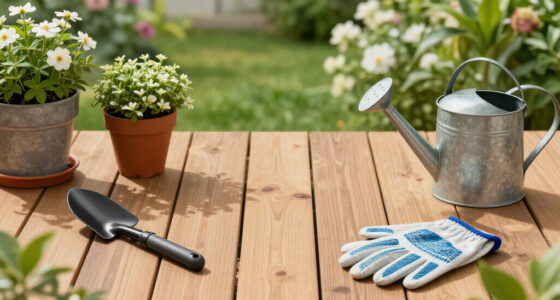
With a well-fitting pair close by, you can return to the simple pleasures: cool soil crumbling between your fingers and the bright green promise of a new seedling.