
TL;DR

Turn quiet afternoons into listening time
- Thousands of audiobooks, podcasts and originals
- Listen on your phone, tablet or Echo — also offline
- Cancel anytime
Low-maintenance gardening isn’t about zero effort but matching plants to your conditions. Native, drought-tolerant, and well-chosen plants can thrive with minimal intervention, making your garden both beautiful and easy to care for.
Imagine a garden that practically takes care of itself. No endless pruning, no frequent watering—just lush, vibrant plants that thrive with little help from you. That’s the promise of low-maintenance plants, which turn gardening from a labor-intensive chore into a calming hobby.
If you’re tired of constant watering, pruning, and battling pests, this guide is for you. You’ll learn how to pick the right plants for your site, what traits make them easy to care for, and how to set up your garden for success. Ready to create a space that’s both beautiful and effortless? Let’s dive in.
Match plants to your site conditions—light, soil, moisture—for less fuss and healthier growth.
Choose native and drought-tolerant plants—they naturally need less water, fertilizer, and pest control.
Use mulch, group plants by water needs, and install efficient watering systems to cut down routine chores.
Avoid overplanting and invasive species to prevent future problems and extra work.
Plan your garden with simple, repetitive plantings and strategic groundcover to keep maintenance minimal.
Low-Maintenance Plants for Easy Gardening
A beautiful garden does not need constant attention. Match resilient plants to your light, soil, moisture, and climate, then let smart design do most of the work.
Fit before beauty
Every easy-care garden begins with observation. When a plant’s natural preferences match its position, it needs fewer corrections, fewer resources, and far less rescue work.
Read the sun
Track full sun, partial shade, and deep shade. A shade lover in intense sun becomes a permanent watering task.
Test the texture
Identify clay, sand, or loam. Improve soil selectively; drought-adapted plants may dislike rich, moisture-holding beds.
Check drainage
Watch where water pools or disappears quickly. Succulents, lavender, and Mediterranean herbs need excellent drainage.
Plan mature size
Correct spacing reduces disease, transplanting, and pruning while preserving each plant’s natural form.
Ten forgiving plant choices
Use this shortlist as a starting point, then confirm hardiness, local invasiveness, mature size, and moisture requirements before planting.
Snake Plant
Tolerates reduced light, irregular watering, and periods of neglect. Natural or supplemental light is still essential.
Pothos
A resilient trailing plant that handles reduced light and prefers its potting mix to partly dry between waterings.
Sedum and Stonecrop
Water-storing leaves, compact growth, and tolerance of lean soil make these reliable choices for sunny beds.
Yarrow
Drought-tolerant flowers bring long-season color and pollinator value without rich soil or frequent feeding.
Russian Sage
An airy late-summer perennial with aromatic foliage, strong drought tolerance, and minimal pest pressure.
Native and Ornamental Grasses
Once established, suitable grasses need little irrigation and provide movement, winter structure, and habitat.
Lavender and Thyme
Fragrant Mediterranean herbs thrive in sun, lean soil, and sharp drainage; excessive water is the larger risk.
Juniper and Potentilla
Durable shrubs that tolerate challenging soils and provide a stable framework with limited routine pruning.
Coneflower and Black-eyed Susan
Long-flowering perennials support pollinators, tolerate periodic dryness, and offer attractive seed heads.
Agave and Hardy Succulents
Ideal where climate and drainage permit. Their water-storing leaves reduce irrigation, but overwatering can cause rot.
For shade: consider Hosta, Heuchera, Epimedium, Hellebore, Brunnera, Pulmonaria, locally suitable ferns, and shade-tolerant Carex.
What “easy-care” really means
Low-maintenance plants combine several useful traits. The strongest candidates are locally suitable, structurally dependable, resistant to common problems, and restrained in growth.
Design out the chores
Plant selection matters, but garden structure determines how much repeated work remains. Favor methods that conserve water, cover soil, and direct resources precisely.
| Garden decision | Low-maintenance choice | Higher-effort choice | Primary benefit |
|---|---|---|---|
| Water delivery | ✓ Drip line or soaker hose | ✗ Frequent overhead watering | Less evaporation and leaf disease |
| Bed organization | ✓ Group by water need | ✗ Mix thirsty and dry-site plants | Accurate irrigation with less waste |
| Soil surface | ✓ Mulch or groundcover | ✗ Exposed bare soil | Fewer weeds and slower moisture loss |
| Plant spacing | ✓ Allow mature width | ✗ Pack for instant fullness | Less pruning, disease, and transplanting |
| Lawn area | ✓ Shrubs, grasses, naturalistic beds | ~ Large areas of turf | Less mowing, feeding, and weed control |
| Seasonal cleanup | ✓ Keep useful winter structure | ~ Cut everything in autumn | Less labor plus better wildlife habitat |
From observation to ease
A low-maintenance garden is a connected system. Each good decision reduces the number of corrections required later.
Observe
Map light, soil, drainage, climate, and space.
Select
Choose suitable, resilient, non-invasive plants.
Space
Plan for mature width and natural plant form.
Establish
Water roots consistently through the first season.
Step back
Mulch, monitor, and intervene only when needed.
Low-maintenance is not no-maintenance.
The payoff comes after thoughtful planning and root establishment: fewer inputs, healthier plants, and more time to enjoy the garden.
How to Pick the Perfect Low-Maintenance Plants for Your Space
Choosing plants that match your garden’s conditions is the key to effortless beauty. Think of your yard as a puzzle—light, soil, moisture, and climate are the pieces. When they fit your plants’ needs, maintenance drops dramatically.
For example, if your garden gets full sun and has well-drained soil, plants like lavender, sedum, and yarrow will flourish with minimal fuss. Conversely, shady spots call for hostas, ferns, and heuchera—plants that love the dark and stay happy without much intervention.
Always check the mature size of your plants to avoid overcrowding. Proper spacing prevents disease, reduces pruning, and keeps your garden looking tidy. Also, consider native species—they often adapt better and need less water and fertilizer once established.
Understanding how to evaluate your site conditions allows you to select plants that are naturally suited to your environment. This reduces the need for ongoing adjustments like supplemental watering or soil amendments, which can be time-consuming and sometimes counterproductive if not done correctly. The goal is to create a balanced ecosystem where plants thrive with minimal intervention, leading to a healthier, more sustainable garden.
Products Worth Considering

Philips Hue Festavia 130-Foot Indoor/Outdoor Smart String Lights, 500 LEDs

Philips Hue Essential Starter Kit – Bridge and 4 E26 Smart Bulbs

eufy Security Video Doorbell E340 Kit with Chime, 2K Resolution and 8GB Local Storage
As an affiliate, we earn on qualifying purchases.
Top 10 Plants That Require Almost No Care in Your Garden
Here’s a list of the most forgiving plants that thrive with minimal attention—perfect for busy or beginner gardeners:
- Snake Plant: Hardy indoors or out, tolerates neglect and low light.
- Pothos: A resilient vine that grows in low light and needs watering only every few weeks.
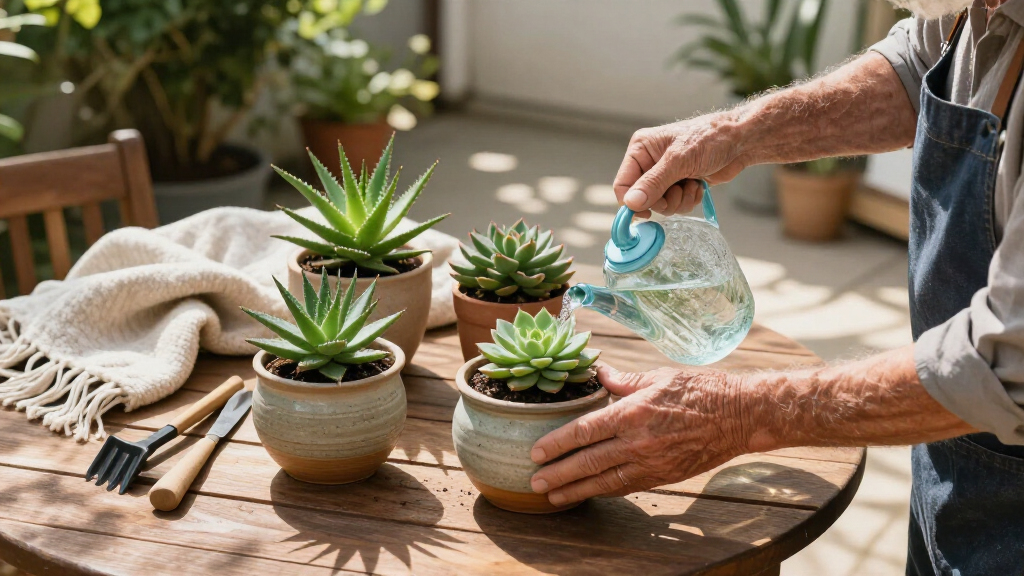
- Sedum and Stonecrop: Succulents that love poor soil and dry conditions.
- Yarrow: Drought-tolerant perennial with bright flowers, perfect for sunny beds.
- Russian Sage: Aromatic, drought-resistant, and stunning in late summer.
- Native grasses and ornamental grasses: Require little watering once established and add movement to your garden.
- Lavender and Thyme: Fragrant herbs that thrive in full sun and poor soil.
- Juniper and Potentilla: Shrubs that tolerate drought and poor soil.
- Native wildflowers like Coneflower and Black-eyed Susan: Support pollinators and need minimal care.
- Agave and Hardy Succulents: Best in rocky, dry spots, needing only occasional watering.
These plants are tough, long-lived, and often resistant to pests. They add color and texture without demanding constant attention. For example, a bed of sedum in full sun can stay vibrant year-round with just an occasional watering during droughts.
Choosing these plants means understanding their natural resilience. For instance, succulents like agave store water in their thick leaves, making them ideal for dry conditions, but they can be sensitive to overwatering which can cause root rot. Native plants, having evolved alongside local pests and weather patterns, typically require fewer chemical interventions, reducing your effort and environmental impact. Recognizing these traits helps you select plants that truly fit your landscape, ensuring they flourish with minimal fuss and providing a reliable foundation for a low-maintenance garden.
Traits That Make a Plant Truly Low-Maintenance
What do all easy-care plants have in common? They’re adaptable, resilient, and require little fuss. Look for plants that are perennial, suited to your climate, pest-resistant, and slow-growing.
For example, a native shrub like ninebark can handle drought, cold, and diseases, reducing your need for watering and spraying. Likewise, succulents like aloe or agave are perfect for dry spots because they store water in their leaves.
Plants that don’t need staking, deadheading, or frequent pruning are also winners. Their natural shape stays attractive without your constant intervention. Moreover, choosing non-invasive species helps prevent future maintenance headaches, as invasive plants can quickly overrun your garden, requiring constant removal and control efforts. Recognizing these traits enables you to create a resilient, self-sustaining garden that minimizes your workload while maintaining visual appeal. These characteristics also often mean plants can recover quickly from stress or minor damage, further reducing the need for ongoing care and making your gardening experience more enjoyable.
Choosing these traits means less time spent fighting pests, trimming, or dealing with unruly growth. It’s about making your garden work for you, not the other way around.
How Native and Climate-Resilient Plants Save You Effort
Native plants are a gardener’s best friends when it comes to low maintenance. They naturally thrive in your local conditions—hot or cold, wet or dry—so they need less watering, fewer fertilizers, and fewer pest controls.
For example, a native prairie grass in the Midwest needs only occasional watering once established, unlike non-native plants that might require regular feeding and watering. Similarly, native flowering plants attract pollinators, reducing pest problems naturally.
Climate-resilient plants also stand up better to weather extremes. Think of drought-tolerant lavender in drought-stricken areas or hardy succulents in rocky, shaded pockets. They help you keep your garden vibrant, even as weather patterns shift.
By choosing regionally native and climate-adapted species, you cut down on the work—watering, fertilizing, pest control—and create a garden that supports local wildlife. This approach also fosters a more sustainable landscape, as these plants help maintain local biodiversity and reduce the need for chemical inputs, which can be both costly and environmentally harmful. Over time, this results in a more resilient garden that can withstand environmental stresses with less intervention, saving you time and effort while promoting a healthier ecosystem.
Smart Gardening Tricks That Make Maintenance a Breeze
Small tweaks can turn your garden into a low-maintenance haven. Here are some practical tips:
- Mulch generously: Organic mulch like bark or straw keeps weeds down, moderates soil temperature, and reduces water loss.
- Group plants by water needs: Hydrozone your beds—plant drought-tolerant species together, and keep thirsty plants separate. This prevents over- or under-watering.
- Use drip irrigation or soaker hoses: These deliver water directly to roots, minimizing evaporation and leaf diseases.
- Plant densely: Cover bare soil quickly with groundcovers or dense plantings to suppress weeds naturally.
- Limit lawn space: Replacing some turf with native groundcovers or ornamental grasses cuts mowing, watering, and fertilizing efforts.
For example, installing a drip system on a sunny bed of lavender and sedum can save you time and water, while a dense planting of native wildflowers reduces weed growth without herbicides. These strategies not only reduce the physical labor involved but also create a more self-sustaining ecosystem, where plants support each other and the environment reduces the need for chemical or mechanical interventions. Over time, these practices lead to a healthier garden that requires less maintenance while still providing beauty and habitat value.
Avoid These Common Mistakes That Increase Your Workload
Many gardeners unintentionally add to their chores by making simple mistakes. The biggest one? Assuming drought-tolerant plants never need water. They do, especially in their first year, as establishing roots takes time. Failing to water adequately during this critical period can cause stress or failure, which then leads to more work trying to revive or replace plants.
Other pitfalls include planting sun-loving species in shady spots—or vice versa—leading to poor growth and extra pruning. Overwatering succulents, applying too much fertilizer, or using landscape fabric as a weed barrier can also backfire. For example, excessive fertilizer can promote weak, leggy growth that’s prone to pests, while landscape fabric can impede water infiltration and cause root rot if not installed properly.
Choosing invasive plants, planting too many species with conflicting needs, and neglecting proper mulching or irrigation planning can turn a low-maintenance garden into a high-maintenance nightmare. The trick is to match plants carefully, plan your layout, and give each plant what it truly needs. Recognizing and avoiding these common mistakes helps ensure your garden remains manageable and healthy over the long term. For example, selecting a native shrub like spirea is beneficial only if placed in the right conditions; otherwise, it may require more care than expected.
Your Final Checklist for a Low-Maintenance Garden
To keep your garden simple and beautiful, start with these essentials:
- Assess your site: light, soil, moisture, and climate.
- Select plants that match your conditions—native, drought-tolerant, and pest-resistant.
- Group plants by water needs to prevent over- or under-watering.
- Apply a generous layer of mulch to suppress weeds and retain moisture.
- Use efficient watering systems like drip or soaker hoses.
- Limit lawn areas; replace with groundcovers or native grasses.
- Plant in dense, attractive clusters.
- Regularly check for pests or weeds—early intervention reduces effort later.
- Maintain by pruning only when necessary, and remove dead or damaged growth.
- Leave seed heads and stems over winter for wildlife benefits and natural beauty.
Following this list turns a complicated garden into a peaceful retreat that requires less time and effort over the years.
Frequently Asked Questions
What are the easiest plants for beginners?
Snake plants, pothos, sedums, yarrow, and native grasses are incredibly forgiving. They thrive with minimal watering and care, making them perfect for new gardeners or those with busy schedules.Which plants need the least watering?
Established succulents, lavender, thyme, yarrow, and native prairie plants often require watering only during long droughts or their first year. Their ability to store water helps them survive dry spells.Do low-maintenance plants need fertilizer?
Not necessarily. Many thrive in soil that’s not overly rich. Excess fertilizer can cause weak growth and pest issues. A simple soil test can guide you if fertilization is needed.How often should I water low-maintenance plants?
Deep watering during their establishment is important, then reduce frequency based on weather and soil moisture. Checking below the surface is better than following a rigid schedule.Are native plants always low-maintenance?
Not always. Native plants perform best when matched to your local conditions—wet or dry, sun or shade. Proper placement is key to keeping them easy to care for.Conclusion
Choosing the right plants and designing with care turns your garden into a peaceful, low-effort haven. It’s about working smarter, not harder—creating beauty that lasts with just a little regular attention.
Imagine stepping into a lush landscape that feels alive and vibrant, yet requires only a gentle touch from you now and then. That’s the magic of low-maintenance gardening—less stress, more enjoyment.