
TL;DR
Listen free for 30 days with Audible
Thousands of audiobooks and originals — cancel anytime.
Start your free trialAs an affiliate, we earn on qualifying purchases.
Setting up a rolling garden cart involves choosing the right size, wheels, and materials, then organizing tools and supplies for easy access. Proper assembly and maintenance ensure safety and longevity, making gardening more enjoyable and less stressful.
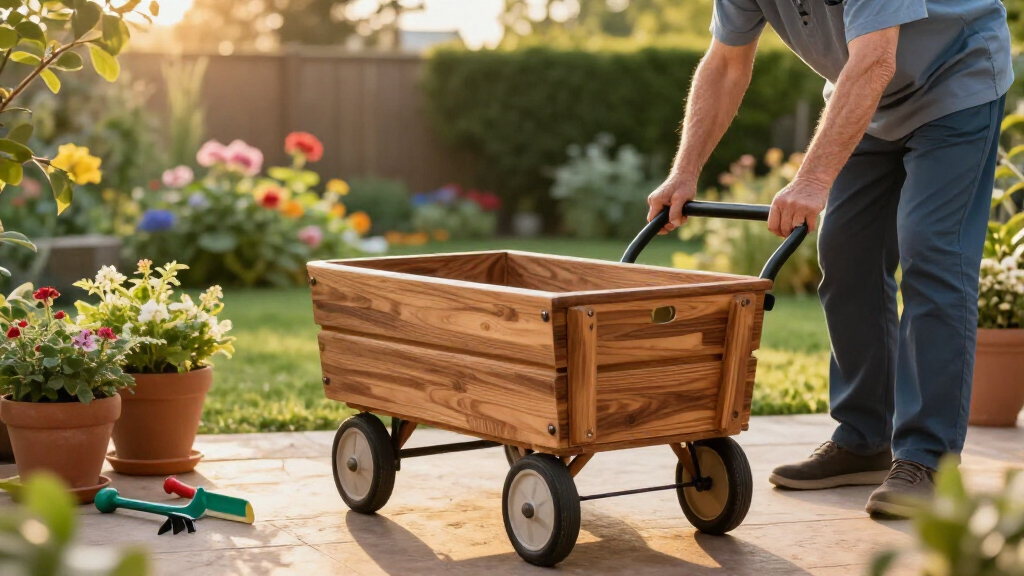
Imagine rolling your gardening tools across a lush lawn, effortlessly maneuvering over uneven patches, with everything you need right at your fingertips. A well-setup garden cart turns this vision into reality—saving you time, effort, and back strain. Whether you’re planting new beds or harvesting ripe vegetables, your cart should be a sturdy, organized companion that adapts to your needs.
In this guide, you’ll learn how to choose the right cart, set it up for safety and convenience, and keep it functioning smoothly. Think of it as creating your own mobile workshop—designed specifically for your garden’s terrain and your workflow. Ready to make your gardening easier? Let’s get started.
Choose a cart with large pneumatic wheels for rough terrain to reduce effort and improve stability.
Organize tools with shelves, hooks, and straps to prevent falls and save time during gardening tasks.
Regularly check and maintain wheels, fasteners, and rust to prolong your cart’s life and ensure safety.
Opt for weather-resistant materials and modular designs to adapt your cart to different tasks and seasons.
Measure your space and load needs carefully to select a cart that fits comfortably and handles your typical loads.
Setting Up a Rolling Garden Cart
A well-setup cart is a mobile workshop: sturdy, organized, and matched to your terrain. Choosing the right size, wheels, and materials—then organizing tools for one-handed access—saves time, effort, and back strain with every trip across the lawn.
Wheel diameter matters more than wheel count—larger wheels handle rough terrain with less effort and more stability.
Choosing Wheels That Handle Your Terrain
Wheels are the foundation of a mobile garden workspace. Large, wide pneumatic or semi-pneumatic tires act as shock absorbers, distributing weight across gravel, roots, and soil clumps—while small hard casters excel only on smooth pavement.
Pneumatic Tires
Air-filled tires absorb shocks and cushion loads over uneven surfaces. One gardener reported a 40% drop in pushing effort on rocky paths—though they need periodic pressure checks and can puncture.
Flat-Free Tires
No pressure checks, no punctures—but they transmit more vibration, which can cause fatigue over long sessions. Choose when convenience outweighs cushioning on moderately smooth terrain.
Solid Casters
Small, hard plastic casters glide on patios and greenhouse floors but bounce and jolt on uneven ground—destabilizing loads, dropping tools, and stressing the frame. Pair with locking casters if the cart doubles as a work surface.
Larger wheels roll over obstacles and corner better, but add weight and bulk for storage. Balance diameter against your storage space and pathway width—measure gates and sheds before you shop.
Assembly & Safety Checks
Build the frame loose, align true, then tighten evenly. Skipping alignment steps causes wobbling, uneven tire wear, and tipping later on.
Inventory Parts
Lay out every piece and compare with the manual—catch missing parts before frustration sets in.
Frame, Loose First
Assemble on flat ground without fully tightening bolts, so you can adjust alignment and balance.
Shelves, Axles, Wheels
Install in the recommended order; wheels must be aligned and spin freely without wobble.
Square & Tighten
Level the frame and tighten fasteners evenly—use a torque wrench if available to avoid warping.
Test Everything
Check wheel rotation, steering, brakes, and overall stability. Adjust to eliminate wobble.
Load Low & Centered
Add tools gradually—heaviest items on the bottom, centered, with weight distributed evenly.
Recheck After Use
Double-check bolts, wheel hardware, and locking mechanisms after the first few sessions.
Maintain Routinely
Watch for rust, cracks, and loose parts. Never exceed rated capacity—slopes raise tipping risk.
What the Right Setup Saves You
Reported effort and maintenance gains from wheel choice and correct inflation, versus small hard casters on uneven ground.
Plan Storage by Frequency
Everyday tools stay within reach, heavy supplies ride low, and fragile items get lidded bins. Secure the load with raised edges, hooks, and straps so nothing falls while rolling.
| Cart Zone | What Goes There | Why It Works |
|---|---|---|
| Top / Work Surface | Potting tray or waterproof mat, pruners, gloves, hand trowel, container for labels & ties | Frequent-use tools stay at hand height—no bending, no searching |
| Middle Storage | Watering attachments, hose fittings, twine, clips, supports, harvesting containers, lidded seed bins | Task supplies grouped by workflow; lids protect seeds from moisture and sun |
| Bottom Shelf | Soil and compost bags, watering cans, buckets, heavier tools | Low, centered weight keeps the center of gravity down and prevents tipping |
| Sides & Handle | Hooks for long-handled tools, holster for sharp tools, kneeling pad, waste bag, hose restraint | Vertical space keeps long tools from shifting; holsters prevent cuts |
Store pesticides and fertilizers in original labeled containers—away from children, pets, food, and harvested produce. Never stack items above eye level.
Modern Carts That Adapt to You
Today’s carts are modular, convertible, and weatherproof—designed to swap between watering station, potting bench, and harvest zone in seconds.
Modular Storage
Adjustable shelves, removable bins, pegboards, and interchangeable hooks let you reconfigure for each task and season.
Convertible Designs
One frame transforms into a potting bench, a seat, or a dumping station—saving space and money.
Weather-Resistant Materials
Powder-coated steel, UV-resistant plastics, and composite surfaces resist rust, fading, and years outdoors.
Accessible Gardening
Taller worktops reduce bending, easier-grip handles lessen hand fatigue, and lighter frames ease maneuvering.
How to Pick the Perfect Garden Cart for Your Space
The first step is understanding what kind of cart matches your garden’s size and terrain. A small, lightweight cart with solid wheels works well on a paved patio or greenhouse. But if you often work on uneven ground, larger pneumatic wheels that absorb shocks will keep you steady and your tools safe.
For example, if your garden has gravel paths and hilly spots, a cart with 16-inch semi-pneumatic wheels will glide smoothly, reducing your effort by nearly 30%, according to an anonymous researcher. Measure your pathways and storage areas before shopping, ensuring the cart fits through gates and into sheds without fuss.
Most important is considering the cart’s weight capacity. Overloading a small cart with heavy soil bags or buckets can cause tipping or damage. Aim for a capacity that exceeds your largest load—by about 20%—so you won’t risk accidents or wear and tear.
Choosing the right size, wheel type, and capacity isn’t just about convenience; it directly impacts your safety, efficiency, and the longevity of your tools. Investing in a well-matched cart means fewer breakdowns, less physical strain, and a more enjoyable gardening experience.
large pneumatic garden cart wheels
As an affiliate, we earn on qualifying purchases.
As an affiliate, we earn on qualifying purchases.
Choosing Wheels That Handle Your Garden’s Terrain
Wheels are the foundation of a mobile garden workspace. The best wheels for rough terrain are large, wide pneumatic or semi-pneumatic tires. They act as shock absorbers, distributing the weight more evenly across uneven surfaces like soil clumps, gravel, or roots. This cushioning reduces the physical effort needed to push or pull the cart, helping prevent fatigue and strain—especially over long periods.
Compare this to small, hard plastic casters that are ideal on smooth, flat surfaces but tend to bounce and jolt on uneven ground. This bouncing can destabilize your load, cause tools to fall, or even damage the cart itself. For instance, a gardener with a cart fitted with 16-inch air-filled tires reported a 40% reduction in pushing effort on rocky paths—highlighting how proper wheel choice can significantly ease physical exertion.
When selecting wheels, consider maintenance and durability. Pneumatic tires provide excellent shock absorption but require periodic pressure checks and are susceptible to punctures. Flat-free tires are more maintenance-free but transmit more vibrations, which can lead to fatigue over time. The tradeoff is between comfort and convenience—so choose based on your terrain and willingness to maintain your equipment.
Size matters: larger wheels turn more easily over obstacles and navigate tight corners better, but they also add weight and can make the cart bulkier for storage. Balancing these factors ensures your cart is both functional and manageable, reducing the risk of accidents and prolonging its lifespan.
weather-resistant garden tool cart
As an affiliate, we earn on qualifying purchases.
As an affiliate, we earn on qualifying purchases.
Step-by-Step Assembly and Safety Checks for Your Garden Cart
- Start by laying out all parts and comparing them with the instruction manual. This helps identify missing pieces early, preventing frustration during assembly and ensuring you follow safety protocols from the start.
- Assemble the frame on a flat, stable surface. Don’t tighten every bolt yet; leaving some loose allows adjustments to ensure proper alignment and balance. This flexibility is crucial because misaligned parts can cause wobbling or tipping later on, which compromises safety and load stability.
- Attach the shelves, axles, and wheels in the recommended order. Make sure the wheels are aligned correctly and spin freely without wobbling. Proper wheel alignment is essential for smooth movement and reduces uneven wear on tires and axles.
- Square up the frame and tighten all fasteners evenly. Uneven tightening can cause the frame to warp or become unstable, increasing the risk of tipping or structural failure. Use a torque wrench if available to ensure consistent tightening.
- Inflate pneumatic tires to the manufacturer’s recommended pressure—typically between 20-30 PSI. Under-inflated tires increase rolling resistance, making the cart harder to push and causing uneven tire wear. Over-inflated tires can lead to a harsher ride and potential blowouts. Proper inflation optimizes performance and safety.
- Test the wheels for smooth rotation and check the steering, brakes, and overall stability. Adjust as needed to prevent wobbling or steering issues that could lead to accidents during use.
- Gradually add tools and supplies, placing the heaviest items on the bottom and centered for optimal stability. Distribute weight evenly to prevent tipping, especially on slopes or uneven terrain.
- Finally, double-check all bolts, wheel hardware, and locking mechanisms after a few uses. Regular inspections help catch wear and potential failures early, ensuring the cart remains safe and functional over time.
Remember: Never exceed the cart’s weight capacity. Overloading, particularly on uneven surfaces, can cause tipping or damage components, risking injury or costly repairs. Routine maintenance, including rust prevention and checking for cracks or loose parts, extends your cart’s lifespan and keeps it safe for years of use.
garden cart with shelves and hooks
As an affiliate, we earn on qualifying purchases.
As an affiliate, we earn on qualifying purchases.
Latest Trends in Garden Cart Design to Make Your Life Easier
Modern garden carts are smarter, sturdier, and more adaptable than ever before. Many now feature modular storage options like adjustable shelves, removable bins, and pegboards, which allow you to customize your setup for specific tasks. For example, you can quickly swap out a watering station for a harvesting zone, streamlining your workflow and reducing the need for multiple containers or carts.
Innovations also include convertible designs that serve multiple functions—such as transforming into a potting bench, a seat, or a dumping station—saving space and money. Wide, flat-free tires eliminate the need for frequent maintenance, while weather-resistant materials like powder-coated steel and UV-resistant plastics ensure your cart withstands the elements over years of use.
Accessibility improvements are also making gardening easier: taller work surfaces reduce bending, easier-grip handles lessen hand fatigue, and lightweight frames make maneuvering less strenuous. Some designs incorporate protected compartments for power tools and chemicals, keeping everything organized and secure, which enhances safety and efficiency.
These advancements reflect a focus on making gardening more accessible, less physically demanding, and more adaptable to different terrains and physical abilities. Your cart should be an extension of your workspace—designed to meet your needs, not complicate them.
As an affiliate, we earn on qualifying purchases.
Quick Facts Every Gardener Should Know About Carts
Wheel size matters: Larger wheels handle rough ground better and reduce effort. Two-wheel carts turn tighter but need more balancing. Four-wheel carts are stable but require more room for turns.
Pneumatic tires offer cushioning but need regular pressure checks. Flat-free tires are low maintenance but transmit more vibrations.
Keep loads low and centered for stability, especially on slopes. Store sharp tools safely, with blades sheathed or pointed downward. Protect seeds and fertilizers from heat and moisture to preserve their quality.
Routine checks on wheels, fasteners, and rust prevent breakdowns and extend your cart’s life. Regular maintenance is your best investment for longevity and safety.
Your Most Common Questions About Garden Carts Answered
What size garden cart should I choose? Measure your largest loads and space. Pick a size that fits through your gates and into storage while handling your typical gardening tasks comfortably.
Are two wheels or four wheels better? If you need tight turns and narrow paths, go with two wheels. For stability and heavier loads, four wheels are the safer bet.
Which wheels work best on grass or gravel? Large, wide pneumatic or semi-pneumatic tires excel on rough surfaces, absorbing shocks and reducing effort. Small casters suit smooth, paved areas.
Can I convert an indoor utility cart? Yes, but replace weak casters, seal wooden parts, and add drainage. Use weatherproof materials for outdoor durability.
How high should the work surface be? Around waist level—about 36-42 inches—works best for most people, allowing comfortable potting and prep without bending.
How should I load heavy items? Place them on the lowest shelf, centered between the wheels, and distribute weight evenly. Never overload beyond the rated capacity.
How do I keep tools from falling off? Use lips, bins, straps, and non-slip liners. Secure heavy tools with hooks or clips on sturdy sides.
Can fertilizers and pesticides be stored on the cart? Only temporarily, in sealed containers and away from children and pets. Long-term storage should follow product labels and safety guidelines.
How do I weatherproof a wooden cart? Seal all surfaces with outdoor-grade finish, protect fasteners, and store under cover when not in use. Regular maintenance extends its life.
How often should I check my cart? Inspect at season start/end and after heavy use. Look for rust, loose bolts, cracked plastic, and wheel issues.
Can I use a cart on a slope? Yes, with caution. Keep loads light and low, move slowly, and avoid relying solely on brakes on steep inclines.
Is building a DIY cart cheaper? Potentially yes, if you already have materials. Focus on durable, weatherproof parts to match store-bought quality.
What should I never carry together? Avoid mixing chemicals with food or pets. Secure sharp tools separately and carefully.
Conclusion
A well-setup rolling garden cart isn’t just a tool—it’s your gardening partner, making every task smoother and safer. Think of it as your mobile workshop, ready to roll wherever your garden calls.
Invest a little time in choosing, assembling, and maintaining your cart, and it will serve you reliably for years. Now, picture yourself gliding across your garden, tools at your side, ready for whatever harvest or project awaits.
NFL season / tailgating Picks
team gear
As an affiliate, we earn on qualifying purchases.