
TL;DR
Get ready for Prime Big Deal Days — try Prime free
Exclusive member deals on October 6–7, plus fast free delivery. Cancel anytime.
Start your free trialAs an affiliate, we earn on qualifying purchases.
Garden experts recommend pruning eight specific perennials before the end of August to promote a second bloom. Proper timing can enhance garden aesthetics and plant health.
Gardeners should prune eight specific perennials before the end of August to encourage a second wave of blooms this season, horticultural experts advise. This timing can maximize flowering and improve plant health, providing gardeners with a more vibrant garden in late summer and early fall.
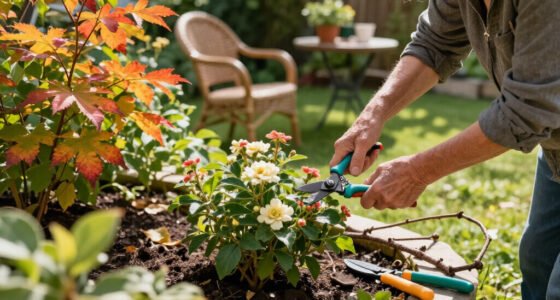
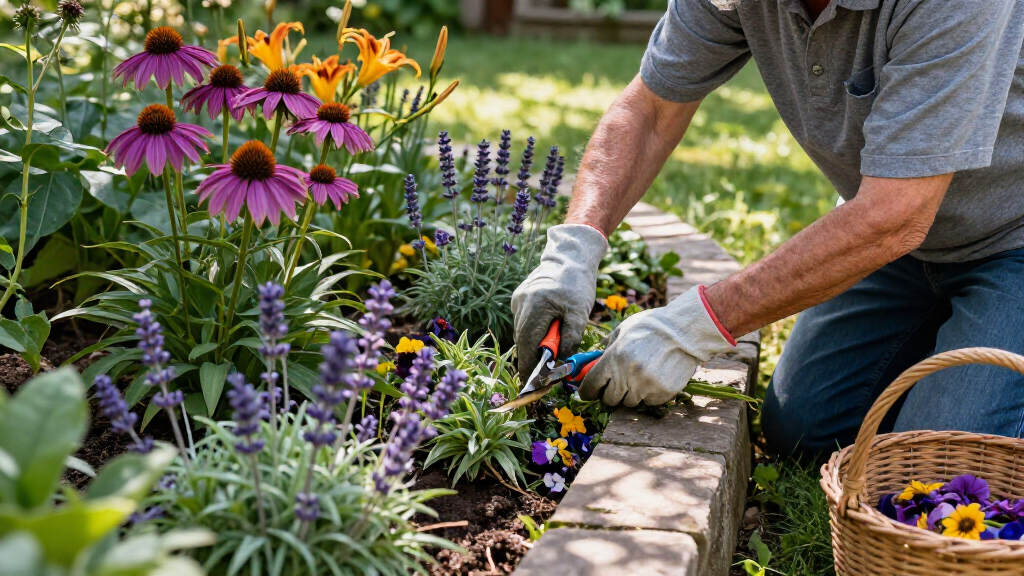
According to horticultural specialists, eight perennials—such as Russian sage, coneflowers, and black-eyed Susans—should be cut back now to stimulate a second flowering. The recommended pruning involves removing spent flower stems and dead or damaged foliage, typically about one-third to halfway down the plant. This practice is believed to redirect energy into new growth, resulting in an additional bloom cycle before the season ends.
Experts emphasize that timing is crucial; pruning too early or too late can reduce flowering potential. The window for this practice is generally before the onset of September, as cooler temperatures and shorter days signal the plant to prepare for dormancy. Gardeners are encouraged to use clean, sharp tools to avoid damaging the plants and to remove all cuttings from the garden to prevent disease.
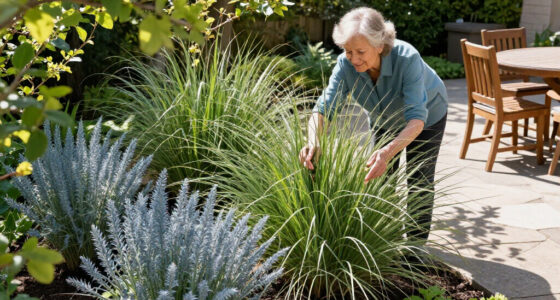
Specific plants highlighted include Russian sage, which responds well to late-season pruning; coneflowers, which can rebloom with proper care; and black-eyed Susans, which often produce a second flush of flowers if cut back in late summer. The goal is to extend the visual interest of the garden and improve overall plant vigor for future seasons.
Why Pruning These Perennials Matters Now
Pruning these eight perennials before the end of August can significantly enhance garden aesthetics by promoting a second bloom, which adds color and visual interest during late summer and early fall. Beyond aesthetics, this practice can also improve plant health by removing dead or diseased tissue, reducing pest habitats, and encouraging stronger growth. For gardeners aiming to maximize their garden’s productivity and beauty within the limited growing season, timely pruning offers a practical, low-cost method to achieve these goals.
garden pruning shears for perennials
As an affiliate, we earn on qualifying purchases.
As an affiliate, we earn on qualifying purchases.
Timing and Plant Selection for Late-Season Pruning
Late summer pruning has become a common recommendation among gardening communities, especially for perennials that tend to produce a single wave of flowers. Historically, many gardeners have left spent flower stalks intact, missing the opportunity for a second bloom. Recent advice from horticultural experts emphasizes that the period just before September is ideal for pruning these specific plants, as it aligns with their natural growth cycles.
Among the plants recommended for this practice are Russian sage, coneflowers, black-eyed Susans, sedum, and bee balm. These perennials are known for their ability to rebloom if given a timely haircut, which can extend the flowering season and improve the overall appearance of the garden. This approach is especially relevant in regions with long growing seasons or where gardeners seek to maximize late-season color.
best garden tools for deadheading flowers
As an affiliate, we earn on qualifying purchases.
As an affiliate, we earn on qualifying purchases.
Unclear Which Perennials Respond Best to Pruning
While experts recommend pruning these eight perennials, there is some variation in how different varieties or local climates may influence the effectiveness of this practice. Specific responses can depend on plant maturity, regional weather patterns, and individual garden conditions. Further research or localized advice may be needed for optimal results.
As an affiliate, we earn on qualifying purchases.
Next Steps for Gardeners After Pruning
Gardeners are encouraged to monitor their plants after pruning, ensuring they receive adequate water and nutrients to support regrowth. If a second bloom appears, deadheading spent flowers can prolong flowering further. Additionally, gardeners should prepare for fall cleanup by removing all plant debris to prevent disease and pests. For those seeking continuous blooms, planning for fall planting or additional pruning in early autumn may be beneficial.
As an affiliate, we earn on qualifying purchases.
Key Questions
Which perennials should I prune before August ends?
Experts recommend pruning Russian sage, coneflowers, black-eyed Susans, sedum, bee balm, and similar perennials that tend to rebloom in late summer.
How should I prune these plants for best results?
Use clean, sharp tools to cut back about one-third to halfway down each plant, removing dead or damaged stems and spent flowers to encourage new growth.
Will pruning now harm my plants if the weather turns cold?
Pruning before September is generally safe, but gardeners should avoid pruning during frosty conditions. Pruning too late in the season may reduce the chances of a second bloom.
Can pruning help prevent pests and diseases?
Yes, removing dead or diseased plant material reduces pest habitats and disease spread, promoting healthier plants overall.
What if my plants don’t rebloom after pruning?
Some varieties may not rebloom due to specific growth habits or weather conditions. Ensuring proper watering, fertilizing, and pruning techniques can improve chances of a second bloom next season.
Source: rss
NFL season / tailgating Picks
team gear
As an affiliate, we earn on qualifying purchases.