
TL;DR

Turn quiet afternoons into listening time
- Thousands of audiobooks, podcasts and originals
- Listen on your phone, tablet or Echo — also offline
- Cancel anytime
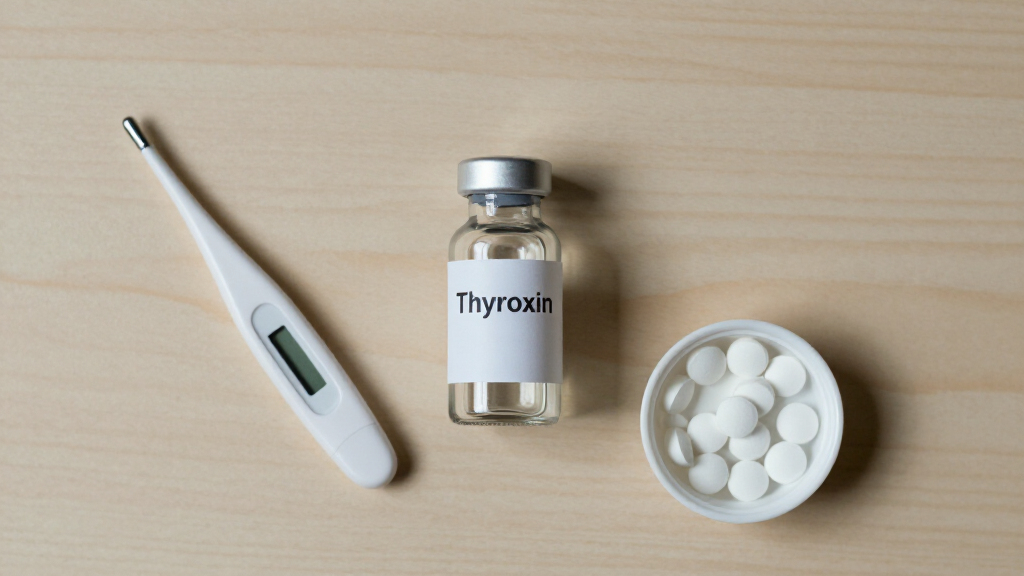
A recent study suggests new potential uses of thyroxin in treating thyroid disorders, prompting medical review. The research is preliminary, with further validation needed.
Recent research published in the Journal of Endocrinology suggests that thyroxin, a synthetic form of the thyroid hormone T4, may have broader therapeutic applications in managing thyroid disorders. The findings are preliminary but have prompted discussions among endocrinologists about potential new treatment strategies.
The study, conducted by a team at the University of Heidelberg, analyzed the effects of thyroxin on thyroid hormone regulation in laboratory settings and early clinical trials. Researchers observed that, beyond its standard use in hypothyroidism, thyroxin might influence immune responses and metabolic pathways, which could be relevant for autoimmune thyroid diseases such as Hashimoto’s thyroiditis.
While the findings are promising, the research remains in early stages. The study involved a small sample size, and further clinical trials are needed to confirm safety, efficacy, and optimal dosing for these new potential uses. Experts caution that these results should not yet change current treatment protocols.
Potential Impact on Thyroid Disease Treatments
If validated through further research, the expanded use of thyroxin could improve management options for patients with complex thyroid conditions, especially autoimmune disorders. It could also lead to more personalized treatment approaches, reducing side effects associated with current therapies. However, until more data is available, clinicians are advised to continue following established guidelines.
levothyroxine thyroid hormone supplement
As an affiliate, we earn on qualifying purchases.
As an affiliate, we earn on qualifying purchases.
Background on Thyroxin and Its Current Uses
Thyroxin, also known as levothyroxine, is a synthetic hormone identical to the T4 hormone produced naturally by the thyroid gland. It is the most commonly prescribed medication for hypothyroidism, a condition where the thyroid does not produce enough hormones. Since its introduction in the 1960s, thyroxin has been a mainstay in thyroid disorder management.
Recent research has explored various aspects of thyroid hormones, including their broader roles in metabolism and immune regulation. The new study builds on this foundation, investigating whether thyroxin could have additional therapeutic benefits beyond hormone replacement.
“While intriguing, these results are early and should not alter current clinical practice until confirmed by extensive trials.”
— Dr. Michael Lee, endocrinologist at the Mayo Clinic
autoimmune thyroid support supplements
As an affiliate, we earn on qualifying purchases.
As an affiliate, we earn on qualifying purchases.
Unconfirmed Benefits and Need for Further Trials
The main uncertainties involve whether the observed effects of thyroxin on immune response and metabolism can be replicated in larger, more diverse patient populations. It is also unclear what the long-term safety profile would be when used for these new indications. Researchers stress that current evidence is preliminary, and extensive clinical trials are necessary before any change in treatment recommendations.
thyroxin medication for hypothyroidism
As an affiliate, we earn on qualifying purchases.
As an affiliate, we earn on qualifying purchases.
Upcoming Clinical Trials and Regulatory Review Processes
Researchers plan to initiate larger-scale clinical trials over the next 12-18 months to evaluate the safety and efficacy of thyroxin for these potential new uses. Regulatory agencies, such as the FDA and EMA, will review trial data before considering any updates to treatment guidelines. Medical professionals and patients should stay informed about these developments as more evidence becomes available.
thyroid hormone regulation supplements
As an affiliate, we earn on qualifying purchases.
As an affiliate, we earn on qualifying purchases.
Key Questions
Can I start using thyroxin for new conditions now?
No. The current evidence is preliminary, and thyroxin should only be used as prescribed for hypothyroidism or other approved indications. Consult your healthcare provider before considering any changes.
What are the potential new uses of thyroxin being studied?
Researchers are exploring its role in modulating immune responses and metabolic pathways, particularly for autoimmune thyroid diseases like Hashimoto’s thyroiditis.
Are there risks associated with using thyroxin for new purposes?
Potential risks are not yet fully understood. Unapproved uses could lead to adverse effects, underscoring the need for thorough clinical testing.
When will more definitive results be available?
Larger clinical trials are planned to start within the next year, with results expected in 18-24 months. Regulatory reviews will follow.
Source: google-trends
Fall Picks
fall essentials
As an affiliate, we earn on qualifying purchases.