TL;DR
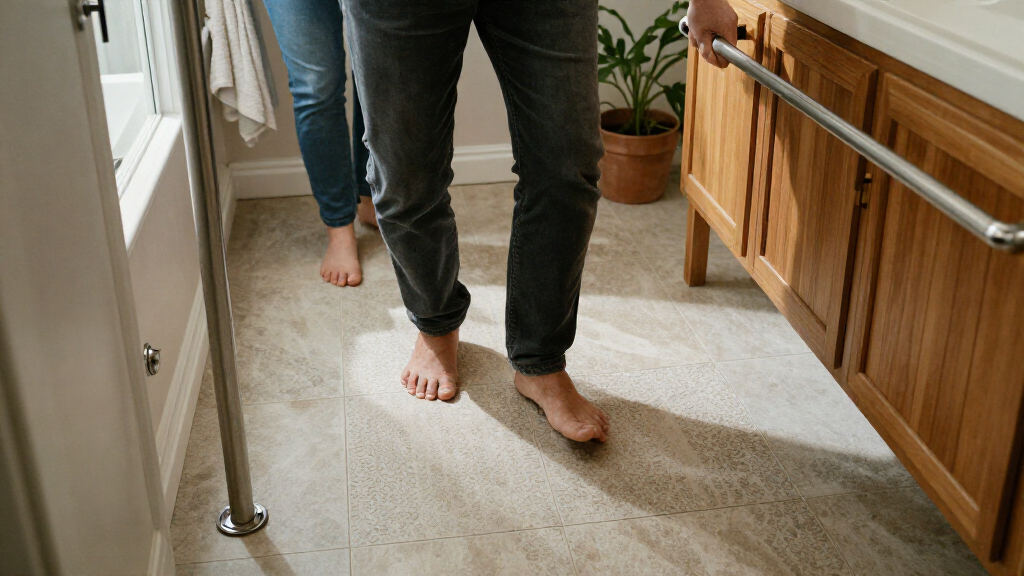
Choosing comfortable, non-slip flooring starts with the room’s conditions and the people who use it: compare product-specific slip test results for wet or dry use, comfort, moisture suitability, cleaning, and installation. Textured vinyl, rubber, cork, tile, stone, and carpet each have tradeoffs, and no material is slip-proof. Smooth transitions, good lighting, secure handrails, and prompt spill cleanup also support safer movement.
A floor can feel warm and welcoming in the morning, then turn slick when someone tracks rain into the kitchen. Comfort and traction depend on more than a material label: the room, moisture, cleaning routine, footwear, and installation all shape how a surface feels and performs.

Turn quiet afternoons into listening time
- Thousands of audiobooks, podcasts and originals
- Listen on your phone, tablet or Echo — also offline
- Cancel anytime
This guide will help you compare slip flooring options such as textured vinyl, rubber, cork, tile, stone, and carpet. You’ll learn what product test results can tell you, which tradeoffs to ask about, and how flush transitions and daily habits can help people move safely while still keeping a home comfortable and personal.
There’s no universal “safest floor” for every household. A kitchen where someone stands to cook has different needs from a bathroom that gets splashed or a hallway used by a walker. Start with the room’s real conditions, then choose a surface that fits your household’s comfort, mobility, and upkeep needs.
Ask for the exact flooring product’s test method and whether it was evaluated wet, dry, or under conditions relevant to your room.
Compare comfort, water exposure, cleaning, and mobility needs room by room; one material does not have to cover the whole home.
Treat texture as one clue, not a guarantee: rough finishes may need more cleaning, and smooth finishes may need careful wet-use review.
Include thresholds, seams, edges, mats, lighting, and walkways in the plan because installation and the surrounding room shape how a route feels.
Use manufacturer-approved cleaners and treatments, and consult a qualified professional about product compatibility or specific access needs.
Choose for the room and the people in it
Comfort and traction depend on moisture, product performance, upkeep, and how people move through each space. No flooring material is slip-proof.
Start with room conditions
Match each floor to the room’s moisture, traffic, cleaning routine, and mobility needs.
Note where spills happen, where people stand, and whether they use canes, walkers, or wheelchairs.
Ask for the exact product’s slip test method and whether it was tested wet, dry, or for conditions like your room.
Review approved cleaners, moisture suitability, seams, edges, mats, and smooth transitions.
Compare common options
Each material has tradeoffs; product details and installation determine how it works in a particular room.
| Flooring | Potential benefit | Check before choosing |
|---|---|---|
| Textured vinyl | Resilient feel and many designs | Wet performance, wear layer, seams, care |
| Rubber | Cushioned feel and grippy finishes | Cost, odor, cleaning, room compatibility |
| Cork | Warm and yielding underfoot | Sealing, moisture, dents, scratches |
| Tile or stone | Durable; tile suits many wet areas | Specific traction, hardness, grout or sealing |
| Carpet | Soft and warm | Pile height, secure fit, wetness, wheeled mobility |
Balance comfort with movement
Resilient surfaces such as cork, rubber, and some vinyl may feel less hard than tile or stone, while very soft or uneven flooring can complicate mobility.
- Rough finishes may offer grip but take more effort to clean.
- Smoother finishes may be easier to wipe, but check wet-use data.
- Fit transitions, edges, and mats securely.
- Keep walkways clear, light good, and handrails secure.
Keep performance in view
Use manufacturer-approved cleaners and treatments, and ask a qualified professional about compatibility or specific access needs. Clean spills promptly.
Start with the room, then compare the floor
Choosing comfortable, non-slip flooring starts with the room’s moisture, traffic, and the way people move through it. A floor that works well in a dry bedroom may be harder to keep reliable beside a shower or kitchen sink. Write down who uses the room, what gets spilled or tracked in, and how often someone needs to stand there.
For example, imagine a caregiver helping an older parent prepare breakfast. The kitchen floor may get splashes near the sink, crumbs near the counter, and frequent turns between the fridge and table. A family might value a surface that feels forgiving during longer cooking sessions, but they also need to check its wet-condition performance and whether a walker rolls across it without catching.
Make a short room checklist before shopping. Note water exposure, sunlight, entry traffic, pets, mobility aids, and the household’s cleaning routine. A laundry room that sees occasional drips has different demands from a shower area that gets wet every day.
- Wet conditions: Consider splashes, tracked rain, spills, and cleaning water.
- Time on your feet: Notice where household members cook, groom, or sort laundry.
- Movement: Check whether people use canes, walkers, wheelchairs, or supportive footwear.
- Upkeep: Be realistic about wiping, grout care, and manufacturer-approved cleaners.
These are the key points for a useful comparison: room conditions first, then product-specific performance. In other words, choose for the life that happens in the room, not for a sample’s color alone.
Products Worth Considering

Dyson V8 Motorhead Origin Cordless Vacuum

Ring Battery Doorbell Plus (2nd Gen) with Quick Release Battery Pack, Nickel Silver

Samsung 65-Inch Class M70H Series 4K Mini LED Smart TV (2026)
As an affiliate, we earn on qualifying purchases.
Compare comfort and traction without guessing
To compare comfortable, non-slip flooring options, ask for the exact product’s slip test results and find out whether the test used wet or dry conditions. A rating only helps when you know what was measured and whether the method applies to your room. Results from different tests may not be directly comparable.
Texture can offer more grip, but a rougher surface may hold dirt and take more effort to clean. A smooth finish can be easier to wipe down, yet may be less dependable when water or soap remains on it. The balance depends on the specific floor, contaminants, footwear, and maintenance—not just whether a product is described as “textured.”
When you talk with a flooring professional, ask which test was used, what the result means, and whether it was measured under wet conditions relevant to your intended use. Ask how the finish may change with wear and which cleaners the manufacturer permits. If a sales description promises “slip-proof” performance, ask for the technical information behind the claim; no flooring can promise protection from every spill or circumstance.
Consider a bathroom with two sample tiles that look almost alike. One has a subtle texture and the other has a smoother glaze. Rather than choosing by appearance, check product data for the intended wet-area use, then consider how grout, drainage, cleaning, and the person’s footwear affect daily use.
A material name is not a traction rating. Compare the actual product and the conditions where you plan to use it.
Comfort deserves the same attention. Resilient surfaces such as rubber, cork, and some vinyl may feel less hard than porcelain or stone. A sample can help you notice the feel, but a small square cannot reproduce an entire day of standing or tell you how a mobility aid will roll across the installed floor.
See how common flooring choices trade comfort for upkeep
Textured vinyl, rubber, cork, tile, stone, and carpet can all suit particular homes, but each brings tradeoffs in feel, moisture resistance, cleaning, and mobility. The label tells you what kind of material you’re considering; the specific product and installation details tell you more about how it may work in a particular room.
Picture a household choosing floors for a kitchen, bathroom, and bedroom. A resilient floor may feel gentler where someone stands to cook, while a carefully selected tile may suit a wet area if its product data and installation fit that use. Soft carpet might feel cozy beside the bed, yet a thick edge could catch a walker. The same household can reasonably choose different surfaces from room to room.
| Flooring option | Potential benefit | Points to check |
|---|---|---|
| Textured vinyl | Resilient feel and many designs | Wet-condition data, wear layer, seams, and care instructions |
| Rubber | Cushioned feel and grippy finishes | Cost, appearance, odor, cleaning, and room compatibility |
| Cork | Warm and yielding underfoot | Sealing, moisture protection, dents, and scratches |
| Textured ceramic or porcelain tile | Durability and use in many wet areas | Specific traction, hard feel, grout upkeep, and wet-area suitability |
| Textured stone | Durability and distinctive natural variation | Hardness, sealing needs, and variation between products |
| Carpet | Warmth and softness | Pile height, secure fitting, wetness, cleaning, and wheeled mobility |
For instance, someone who uses a wheelchair may find thick carpet tiring to cross, while a person who spends an hour preparing meals may appreciate a more forgiving surface than tile. That does not settle the choice by itself. Compare samples, specifications, and the household’s actual movement needs before deciding.
Use this step-by-step process before you choose
Choose a floor by matching the room’s conditions, product data, comfort, and installation details in that order. A repeatable process keeps a beautiful sample from distracting you from wet performance, edges, or cleaning demands. It also gives you specific questions to take to a retailer or installer.
- Map the room: Mark where water, grease, mud, or frequent standing occurs. In a bathroom, distinguish the vanity area from the splash zone beside the tub or shower.
- Describe movement: Note whether household members walk barefoot, wear slippers, use a cane, or push a walker or wheelchair. A threshold that seems minor to one person can be a daily obstacle to another.
- Request product data: Ask for the test method and whether results were collected wet or dry. Check that the product is suited to the room’s expected exposure.
- Check care requirements: Find out whether the floor needs sealing, special cleaning, or prompt drying. Think about whether that routine feels manageable week after week.
- Review the installed route: Ask how the installer will handle doorways, floor-height changes, loose edges, seams, and any fixed mats.
- Compare comfort and appearance: Look at larger samples in the room’s light and consider the feel underfoot. A color that looks pale in a showroom may read warmer beside your own cabinets.
Suppose you’re replacing a slippery-feeling entry floor. This process might lead you to compare water exposure from wet shoes, check the candidate’s wet-condition information, and plan a smooth transition to the hallway. The steps do not select the floor automatically; they help you make a choice you can explain and live with.
For an existing floor, first identify what seems to cause the problem: standing water, residue, a worn finish, or a loose mat. Use only treatments the flooring manufacturer approves. An unsuitable coating may change the appearance or performance, so get guidance on compatibility before applying it.
Make transitions, cleaning, and lighting part of the plan
A well-chosen floor still needs a sound installation, clean surface, and easy route between rooms. Raised edges, loose sections, abrupt height changes, and poorly fitted mats can complicate movement even when the flooring itself is comfortable. Plan how each doorway and room edge will meet its neighbor before installation starts.
Imagine a person using a walker to move from a tiled bathroom into a vinyl hallway. If the doorway has a raised strip, the user may need to lift the walker at every crossing. Ask the installer how they can make the meeting point as smooth and secure as the flooring system allows, and check the finished edge in person before the work is signed off.
Cleaning affects the surface too. Soap, polish, or cleaner residue can leave a film, while textured finishes may take more work to clear of dirt. A manufacturer’s care instructions give you a practical starting point; prompt cleanup also helps keep spills from lingering underfoot.
Think about the whole room. Good lighting makes wet spots and surface changes easier to see. Secure handrails where appropriate and clear walkways support movement, while a light-colored floor may help a darker room feel brighter. No single floor replaces these other parts of a home’s setup.
- Check edges and seams: Look for loose or raised sections after installation.
- Place mats carefully: Avoid curled corners or sliding mats across a route.
- Use approved cleaners: Follow the product’s directions and rinse or dry as instructed.
- Keep routes visible: Add suitable lighting and clear clutter from regular paths.
These small details can make a polished room easier to use. A beautiful floor should feel like a continuous path through the home, not a series of little obstacles.
Balance style, comfort, and changing needs
The best-looking floor for your home can also support everyday comfort when you match its finish and installation to the room’s use. Product designs now include resilient surfaces that imitate wood or stone, as well as finishes marketed for traction or easier cleaning. Those descriptions are a starting point for questions, not proof that a product fits your household.
For example, a couple may want the look of pale oak in an open kitchen and dining area. A resilient wood-look product could offer a softer feel than stone, but they would still need to check wet-condition performance, seams, wear, and cleaning guidance. They might choose a different surface in the bathroom because water exposure and installation needs differ.
Style matters because you live with the floor every day. A warm color, familiar wood pattern, or quiet texture can help a room feel like home rather than a clinical space. Comfort matters too, though, and a surface that feels too soft or uneven may make movement harder for some people or complicate wheelchair use.
Include the people who use the room in the decision. Invite them to describe what feels comfortable, what surfaces they find hard to cross, and where they feel uncertain. If a person uses mobility equipment or has specific access needs, a qualified flooring professional or accessibility specialist can help assess transitions and fit; consult a qualified health professional for medical decisions.
There may be no single material that satisfies every preference. You can still make a thoughtful choice by comparing the actual product, room conditions, upkeep, and installation together. That balance preserves personal style while making practical daily movement part of the design.
Frequently Asked Questions
What flooring is safest when wet?
There is no universal answer because wet performance varies by product, test method, and conditions. Ask for product-specific wet-condition results and confirm that the floor and installation system suit the room’s expected exposure.
Is textured tile always less slippery?
No. Texture can help with grip, but performance depends on the specific tile, water or other residue, footwear, and cleaning. Rougher textures may also take more effort to keep clean, so compare data and care instructions for the tile you’re considering.
What floor can feel more comfortable when I stand for a long time?
Cork, rubber, and some vinyl products may feel more forgiving underfoot than stone or ceramic tile. Comfort varies by product, subfloor, footwear, and personal preference; think about where you stand and how long you spend there.
Can I make my existing floor less slippery?
First look for the cause, such as water, cleaner residue, or a worn finish. Follow the flooring manufacturer’s care guidance and use only a treatment approved for that surface, since an incompatible coating may affect its finish or performance.
Is carpet a good choice for an older adult?
Carpet can feel warm and soft, but thick pile, loose edges, wet areas, or abrupt transitions can make movement more difficult. If you’re considering it, ask how a low-pile, securely installed option would work with the person’s usual footwear or mobility equipment.
What should I ask before choosing a bathroom or shower floor?
Ask whether the specific product and installation system suit the intended wet-area use, what test method supports its traction claims, and how drainage, seams, grout, and cleaning affect upkeep. Plan the transition to the next room as part of the same conversation.
Conclusion
Start with the room and the people who use it, then compare product-specific traction data, comfort, care, and installation. Ask clear questions, check the route between rooms, and choose a surface that fits the household’s real routine.
A comfortable home is made of small, dependable details: a floor that feels right underfoot, a doorway without a surprise edge, and a clear path in the evening light.