
TL;DR

Turn quiet afternoons into listening time
- Thousands of audiobooks, podcasts and originals
- Listen on your phone, tablet or Echo — also offline
- Cancel anytime
Putting on compression socks can be tough, especially for limited mobility. Using aids, proper techniques, and the right fit makes the process smoother, ensuring you get their full benefits comfortably.
Proper fit and size are essential for easier donning and maximum benefit.
Tools like sock donning aids and grip gloves significantly reduce difficulty and application time.
Turning the sock inside out and using lubricants or moisture helps slide it on smoothly.
Elevating your legs before donning reduces swelling and makes application easier.
Practice and patience turn a frustrating task into a quick, routine part of your day.
Why Proper Fit and Size Make a Difference
Compression socks that fit well are a game-changer. Socks that are too tight cause discomfort and restrict circulation, which can actually worsen swelling or cause numbness. When a sock is excessively tight, it can cut off blood flow, leading to skin irritation or even tissue damage if worn too long. On the other hand, socks that are too loose won’t provide the necessary pressure, rendering the therapy ineffective and allowing swelling to persist or worsen. Finding the right size isn’t just about comfort—it’s about ensuring the therapeutic benefits are delivered safely. Measuring your leg at its widest point and comparing these measurements to sizing charts helps prevent these issues. Proper fit ensures that pressure is evenly distributed, which maximizes blood flow improvement and minimizes skin irritation. An ill-fitting sock can slip, bunch, or cause pressure points, leading to discomfort and reducing compliance. Think of it as tailoring—just as a well-fitted garment enhances appearance and comfort, a properly sized sock enhances therapeutic efficacy and ease of donning. Remember, different brands and styles vary; consulting a healthcare professional or trying multiple options can help you find the best fit, reducing frustration and potential skin problems.
As an affiliate, we earn on qualifying purchases.
Best Tools That Make Putting On Compression Socks a Breeze
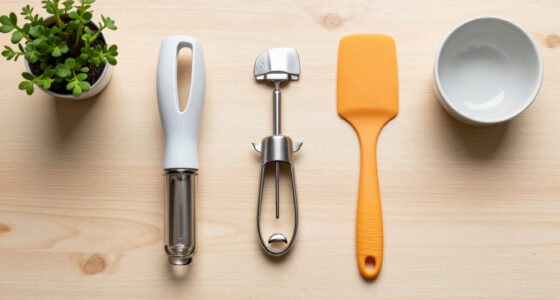
Tools designed specifically for donning compression socks are more than just convenience—they are often essential for ensuring proper application, especially for individuals with limited hand strength, dexterity, or mobility. These aids help distribute the force evenly across the sock, preventing overstretching or tearing the fabric, which can compromise compression levels. Using such tools reduces the physical effort required, decreasing fatigue and the risk of injury. Sock donning aids are devices that hold the sock open or provide handles, making it easier to slide the sock onto your foot and leg without excessive stretching. They help prevent overstretching, which can weaken the fabric over time and reduce the sock’s effectiveness. Grip gloves with textured surfaces improve your grip on slippery fabric, making it easier to pull the sock over your foot and ankle—especially useful if your hands are weak or arthritic. Some donning devices include handles or straps that assist with lifting and guiding the sock onto your leg, providing leverage and control that might be difficult to achieve manually. These tools not only make donning less frustrating but also help preserve the integrity of the sock, ensuring sustained compression benefits. For caregivers, these aids streamline the process, allowing for safer, more dignified assistance. Investing in these tools reflects a proactive approach—reducing physical strain, minimizing skin irritation or tears, and promoting consistent use of compression therapy, which is crucial for effective treatment and comfort.
sock grip gloves for compression stockings
As an affiliate, we earn on qualifying purchases.
As an affiliate, we earn on qualifying purchases.
Step-by-Step: Easy Technique to Slip on Compression Socks
- Start by turning the sock inside out down to the heel. This creates a pocket that reduces the effort needed to grip and pull the sock over your foot, making the process less strenuous and decreasing the risk of tearing the fabric.
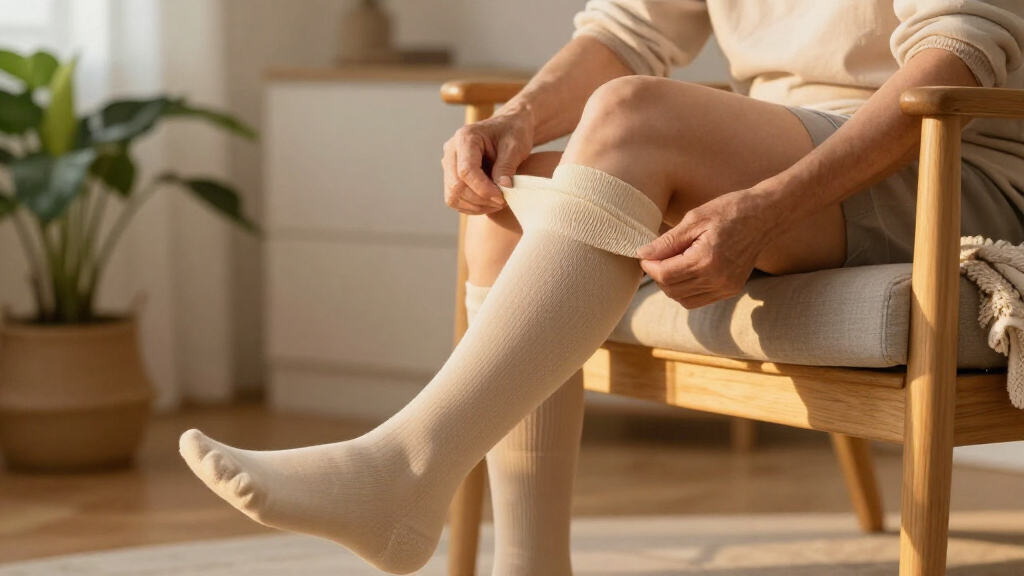
- Place your toes into the sock’s heel pocket, ensuring your heel fits snugly into the heel indentation. Keep the sock rolled down at the ankle initially to facilitate a smoother pull and avoid overstretching, which can weaken the fabric or cause discomfort.
- Gradually pull the sock up over your foot, then your ankle, and finally your calf. Use your hands or a donning aid to evenly distribute tension, preventing overstretching that can damage the sock or cause it to lose elasticity prematurely. Proper technique here ensures the sock maintains its compression level and prolongs its lifespan.
- Make sure the sock is smooth and free of wrinkles, especially behind the ankle and knee areas. Wrinkles can cause uneven pressure distribution, leading to skin irritation or discomfort. Proper smoothing enhances comfort and ensures the therapeutic pressure is applied evenly, maximizing the sock’s effectiveness.
- If you experience resistance, try slightly moistening the sock with a bit of water or lotion. This reduces friction, making it easier to slide the sock onto your leg without excessive force. Be cautious not to use too much moisture, as it can make the sock too slippery or cause slipping during donning, which could lead to falls or improper fit.
For example, elevating your legs before donning can help reduce swelling, making the sock easier to slide on because the limb volume is decreased. Over time, practicing this technique will develop a rhythm that minimizes effort and maximizes comfort, turning a frustrating task into a routine that takes just a few minutes. Remember, patience and consistent practice are key to mastering the process, especially if you’re managing swelling or limited mobility.
As an affiliate, we earn on qualifying purchases.
How to Use Simple Tricks for Faster, Easier Application
These quick tricks are more than just convenience—they can significantly impact comfort, safety, and the overall effectiveness of compression therapy. Using these methods can reduce application time, decrease physical fatigue, and lower the risk of skin irritation or injury caused by excessive pulling or slipping. Use a plastic bag: slipping a plastic grocery bag over your foot creates a slippery barrier that allows the sock to slide smoothly over your skin, reducing the force needed. This is especially helpful if your skin is dry or if the fabric is stiff, as it prevents unnecessary tugging that can cause skin redness or tears. Apply a bit of talcum or silicone spray: lightly dusting the inside of the sock or your foot with talcum powder or silicone spray reduces friction, making it easier to slide the sock on. Silicone sprays should be used sparingly and as directed because excessive application can irritate the skin or degrade the fabric over time. Warm up the sock: immersing the sock in warm water for a minute increases its flexibility, making it easier to stretch and slide onto your leg. This is particularly useful in cold weather or if the sock feels stiff, as it enhances pliability and reduces the force needed for donning. Don’t rush: taking your time, sitting comfortably with your legs elevated, and practicing patience not only makes the process safer but also helps avoid tearing the sock or causing skin irritation. Rushing can lead to damage that reduces the sock’s lifespan and effectiveness. For example, a caregiver found that using a plastic bag reduced application time from 10 minutes to under 3, demonstrating how small adjustments can have a big impact. Incorporate these tricks into your routine, and you’ll find donning compression socks becomes a quick, manageable task that encourages consistent use and improved comfort.
As an affiliate, we earn on qualifying purchases.
What You Should Know Before Trying These Tips
Everyone’s legs and hands are unique, and factors like skin sensitivity, swelling, or joint stiffness can influence how easily you can don compression socks. These variables impact the effectiveness and safety of any technique or tool you use. For instance, overly tight socks can constrict blood flow, cause skin irritation, or leave marks that indicate excessive pressure—potentially leading to skin breakdown if worn for prolonged periods. Conversely, socks that are too loose won’t provide adequate compression, reducing their therapeutic benefit and possibly allowing swelling to worsen. It’s crucial to regularly check for signs of constriction, such as skin redness, numbness, or discomfort. If you experience persistent pain or skin irritation, stop the method immediately and consult your healthcare provider. They can help you determine the most suitable fit, style, and technique tailored to your specific condition, ensuring safety and optimal effectiveness. Remember, practice improves your skill over time, but rushing or forcing the sock can cause injuries or damage the fabric, compromising its therapeutic properties. Approach donning as a gradual learning process—each attempt helps you understand what works best for your body. If you’re unsure or encounter persistent issues, seek professional assistance to prevent complications and ensure your compression therapy is both safe and effective.
Frequently Asked Questions
What is the easiest way to put on compression socks?
Using a donning aid or a plastic bag to slide the sock over your foot and leg makes the process much simpler. Elevating your legs beforehand also helps reduce swelling, making donning easier.Are there specific tools designed for putting on compression socks?
Yes, tools like sock donning aids, stretchers, and grip gloves are widely available and can significantly reduce effort and frustration, especially for those with limited strength or dexterity.How do I know if my compression socks fit correctly?
They should feel snug but not painfully tight. If they leave marks or cause discomfort, they’re too tight. Regularly check the fit and consult sizing charts or a healthcare provider for guidance.Can I wear compression socks if I have arthritis or limited hand strength?
Absolutely, but aids or assistance may be necessary. Choosing easier-on styles or using tools can help you don them safely and comfortably, preventing strain or injury.How often should I replace my compression socks?
Typically every 3-6 months, depending on wear and washing. Worn-out socks lose their elasticity and effectiveness, reducing their therapeutic benefits.Conclusion
Donning compression socks doesn’t have to be a struggle. With the right techniques and tools, you can slip them on with confidence and comfort. Think of it as turning a daily chore into a simple, even soothing, ritual—because feeling good starts with making things easier. Remember: a little preparation and a few tricks go a long way. Your legs—and your mood—will thank you.Fall Picks
fall essentials
As an affiliate, we earn on qualifying purchases.