

TL;DR
Open a free Amazon Business account
Business pricing, bulk buying and tax-exempt orders.
Create a free accountAs an affiliate, we earn on qualifying purchases.
The U.S. Department of Agriculture has released updated dietary guidelines emphasizing balanced nutrition and moderation. Experts say these changes aim to improve public health, but some details are still under discussion.
The U.S. Department of Agriculture has released updated dietary guidelines that prioritize balanced nutrition, moderation, and increased consumption of whole foods. This development aims to influence public eating habits and shape health policies across the country.
The new guidelines, published on March 2024, recommend that Americans focus on a variety of fruits, vegetables, whole grains, lean proteins, and healthy fats. They also advise reducing intake of processed foods, added sugars, and saturated fats. The update reflects recent scientific evidence linking diet quality to chronic disease prevention, including heart disease, diabetes, and obesity.
Officials from the USDA stated that these guidelines are designed to be practical and adaptable for diverse populations, emphasizing moderation and portion control. The guidelines also highlight the importance of physical activity alongside dietary choices. Experts in nutrition have welcomed the update, noting it aligns with current research and public health priorities.
Implications of New Dietary Recommendations for Public Health
The updated guidelines could influence federal nutrition programs, school meal standards, and public health campaigns, potentially leading to healthier eating habits nationwide. Experts suggest that emphasizing moderation and whole foods may help reduce rates of diet-related chronic illnesses. However, some health advocates caution that implementing these guidelines requires effective public education and access to healthy foods, especially in underserved communities.

Grocery List Magnet Pad for Fridge – 6 x 9" – Grocery Shopping Checklist Notepad with Categories – 50 Sheets
- Strong Magnetic Backing: Sticks securely to fridge surfaces
- Categorized Grocery Checklist: Organized by store sections
- Ample Writing Space: 50 sheets for multiple lists
As an affiliate, we earn on qualifying purchases.
As an affiliate, we earn on qualifying purchases.
Recent Trends and Scientific Evidence Shaping Dietary Guidelines
The 2024 update follows years of evolving nutrition science, which increasingly supports diets rich in plant-based foods and limited in processed items. Previous guidelines emphasized specific nutrients like fats and carbohydrates, but recent research advocates for overall dietary patterns. The USDA’s last major update was in 2020, which also focused on reducing added sugars and promoting fruits and vegetables. This new edition reflects ongoing scientific consensus and public health concerns about rising obesity and chronic disease rates.
“These updated guidelines are a step forward in promoting healthier eating habits across the nation, emphasizing moderation and variety.”
— USDA Secretary Tom Vilsack

Efficient Nutrition Portion Control Containers DELUXE Kit (14-Piece) with COMPLETE GUIDE + 21 DAY PLANNER + RECIPE eBOOK BPA FREE Color Coded Meal Prep System for Diet and Weight Loss
- Downloadable Resources: Includes guides and planner
- Portion Control System: 14-piece system for balanced meals
- Pre-measured Containers: Color-coded, BPA-free, portioned for daily intake
As an affiliate, we earn on qualifying purchases.
As an affiliate, we earn on qualifying purchases.
Uncertainties Surrounding Implementation and Public Adoption
It remains unclear how effectively these guidelines will be adopted across different communities, especially in areas with limited access to healthy foods. There is also ongoing debate about how these recommendations will influence existing federal programs and whether they will lead to measurable improvements in public health outcomes. Additionally, some critics question whether the guidelines sufficiently address cultural dietary preferences or socioeconomic barriers.

BetterBody Foods Refined Avocado Oil 16.9 Fl Oz, Non-GMO Cooking Oil
- Ideal for Cooking: Perfect for frying and salad dressings
- Versatile Usage: Suitable for frying, sautéing, baking, and more
- Light Flavor: Subtle taste enhances food without overpowering
As an affiliate, we earn on qualifying purchases.
As an affiliate, we earn on qualifying purchases.
Next Steps for Policy, Education, and Public Engagement
Federal agencies are expected to develop educational campaigns and update nutrition programs to align with the new guidelines. Policymakers may consider additional measures to improve access to healthy foods, such as subsidies or community initiatives. Researchers will likely monitor the impact of these guidelines on population health metrics over the coming years, and public health organizations will work to promote awareness and adoption.
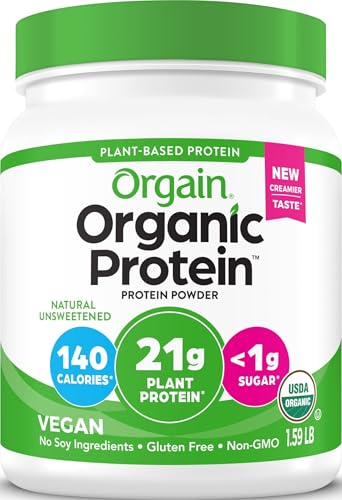
Orgain Organic Vegan Protein Powder, Natural Unsweetened – 21g of Unflavored Plant Protein, 4g Prebiotic Fiber, Low Net Carbs, No Added Sugar, Non-GMO, for Shakes & Recipes, 1.59 lb
- Organic Plant-Based Protein: 21g per serving with all essential amino acids
- Zero Added Sugar: Unflavored with 0g sugar
- Gut-Friendly Fiber: 4g prebiotic fiber per serving
As an affiliate, we earn on qualifying purchases.
As an affiliate, we earn on qualifying purchases.
Key Questions
What are the main changes in the new dietary guidelines?
The guidelines emphasize a balanced diet with an increased focus on fruits, vegetables, whole grains, lean proteins, and healthy fats. They also recommend reducing processed foods, added sugars, and saturated fats, with an emphasis on moderation and portion control.
How will these guidelines affect school meal programs?
They are expected to influence future updates to school meal standards, encouraging menus that align with the new emphasis on whole foods and balanced nutrition.
Are these guidelines mandatory for individuals?
No, the guidelines serve as recommendations for health professionals, policymakers, and the public to promote healthier eating patterns. Adoption varies depending on individual choices and local policies.
Will these guidelines address cultural dietary preferences?
The guidelines aim to be inclusive, but critics suggest more efforts are needed to incorporate diverse cultural diets and address socioeconomic barriers to healthy eating.
When will we see changes in public health outcomes?
It may take several years to observe measurable impacts, as changes in eating habits and health statistics typically occur gradually.
Source: google-trends
Pool season Picks
robotic pool cleaners
As an affiliate, we earn on qualifying purchases.