TL;DR
Prime for Young Adults — start your free trial
Fast free delivery, streaming and member deals for eligible 18–24 year olds.
Try it freeAs an affiliate, we earn on qualifying purchases.
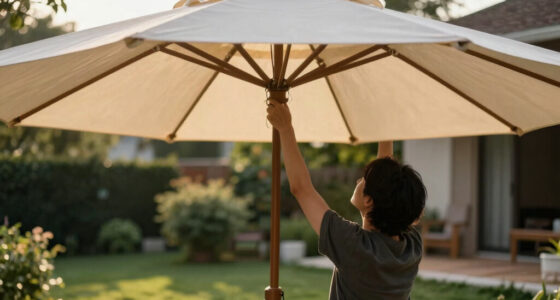
Creating shade without a heavy umbrella involves using fabric sails, pergolas, natural shade, and portable tents. These options are lighter, more flexible, and often more attractive, making outdoor living more comfortable and stylish. Recent innovations focus on durability, sustainability, and multifunctionality.
Imagine sitting in your backyard on a blazing summer afternoon—sweat beads gather on your forehead, and the sun’s glare makes everything uncomfortable. Now picture a cool, shaded oasis without the weight and bulk of a heavy umbrella. That’s what exploring lightweight, creative shade options can do for your outdoor comfort.
This guide walks you through practical ways to craft shade using innovative fabrics, natural elements, and portable structures. Whether you’re looking for a quick fix for a picnic or a semi-permanent setup for your garden, you’ll find ideas that blend function with style—and keep you cool all summer long.
Lightweight shade sails can block up to 98% of UV rays and are easier to install and move than traditional umbrellas.
Natural shade from trees not only cools your space but also improves air quality and supports local wildlife.
Modern materials like UV-resistant fabrics and eco-friendly textiles extend the lifespan and sustainability of shade structures.
Proper installation—correct height, tension, and anchoring—is essential for safety and effectiveness.
Upcoming innovations include smart, modular, and sustainable shade options that enhance outdoor comfort without sacrificing style.
OUTDOOR LIVING · SHADE GUIDE
Creating Shade Without a Heavy Umbrella
Lightweight, flexible, and far more stylish alternatives to the bulky backyard umbrella. Fabric sails, pergolas, natural canopies, and portable tents make outdoor living cooler, calmer, and easier to reconfigure — no wrestling with a toppling frame required.
of UV rays can be blocked by a properly installed shade sail — a highly effective, modern alternative to traditional umbrellas.
THE PROBLEM
Why Heavy Umbrellas Are Not Your Only Option
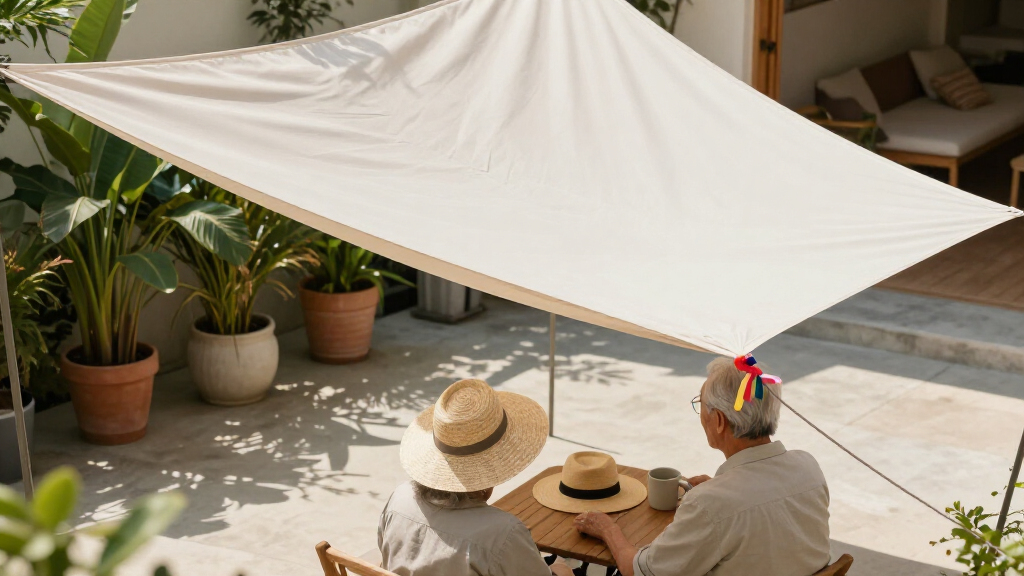
Heavy umbrellas can feel like overkill — bulky, hard to move, and often an eyesore. They topple in strong winds and demand constant maintenance. One family hosting a backyard barbecue found a fabric shade sail gave full coverage without blocking the view or the breeze, and came down in minutes when the weather shifted.
| Factor | Heavy Umbrella | Shade Sail | Pergola | Natural Shade |
|---|---|---|---|---|
| Weight / Portability | ✗ Bulky & heavy | ~ Light fabric | ✗ Fixed frame | ✓ None at all |
| Wind Resistance | ✗ Topple risk | ✓ Taut & anchored | ✓ Sturdy frame | ✓ Very stable |
| Setup Speed | ~ Moderate | ✓ Minutes | ✗ Installation work | ✗ Years to grow |
| Aesthetic Appeal | ✗ Dated look | ✓ Modern & layered | ✓ Design centerpiece | ✓ Organic & lush |
| Eco-Friendliness | ✗ High replacement | ~ Recycled options | ~ Wood sourcing | ✓ Air quality + wildlife |
THE SOLUTIONS
Top 4 Lightweight Shade Solutions
Each option blends convenience, style, and effectiveness differently. The key is matching your climate, needs, and aesthetic with the right structure.
Shade Sails & Canopies
Fabric or mesh structures stretched between posts, offering wide coverage without bulk. UV-resistant, available in triangles, rectangles, or circles — customizable to any space for a layered, modern look.
Pergolas & Gazebos
Wooden or metal frames that, combined with fabric covers or climbing plants, create a shaded retreat blending natural beauty with durability — often the centerpiece of an outdoor space.
Natural Shade
Tall trees, shrubs, and vine-covered trellises cool your space, improve air quality, and support local ecosystems — a sustainable, organic addition to any yard.
Portable Shade Devices
Pop-up tents, beach umbrellas, and shade tents set up anywhere in minutes — perfect for picnics, beach outings, and outdoor events where mobility matters most.
DATA VIZ
UV Protection Compared
Approximate UV ray blockage by shade type, based on properly installed, high-quality materials.
INNOVATION
New Materials & Smart Designs
Recent advances in outdoor fabrics and design technology mean shade structures last longer, need less maintenance, and carry a smaller environmental footprint.
High-Tech Fabrics
Resist water, UV rays, and fading far longer than traditional textiles — many made from recycled or biodegradable materials.
Modular Systems
Expand or reconfigure coverage as needed — adjust a patio sail for new furniture or bigger gatherings without extra structures.
Smart Features
Solar-powered fans and integrated LED lights add functionality without clutter, extending usability into the evening hours.
Minimalist Design
Sleek, understated forms that blend seamlessly with modern outdoor aesthetics — from soft blue sails to matte gray canvas.
STEP BY STEP
Choosing the Perfect Shade Solution
Follow this chain to find the right fit — from first measurement to seasonal maintenance.
Assess Your Space
Measure the area you want to shade and track sun angles through the day.
Pick Your Type
Match sail, pergola, planting, or portable tent to your coverage and mobility needs.
Install Correctly
Set the right height, tension, and anchoring — critical for safety and effectiveness.
Style & Maintain
Choose colors and shapes that match your palette; clean and inspect each season.
SUMMARY
Key Takeaways
Lightweight shade sails can block up to 98% of UV rays and are easier to install and move than traditional umbrellas.
Natural shade from trees not only cools your space but also improves air quality and supports local wildlife.
Modern UV-resistant and eco-friendly fabrics extend the lifespan and sustainability of shade structures.
Correct height, tension, and anchoring are essential for safety and maximum shade effectiveness.
Upcoming innovations — smart, modular, and sustainable options — enhance comfort without sacrificing style.
Why Heavy Umbrellas Are Not Your Only Shade Option
Heavy umbrellas can feel like overkill—bulky, hard to move, and often an eyesore. They also tend to topple in strong winds and require constant maintenance. Instead, lightweight solutions like shade sails or natural shade from trees offer a smarter, more flexible way to stay cool.
For example, a family hosting a backyard barbecue found that a fabric shade sail provided ample coverage and didn’t block the view or the breeze. It was easy to install, looked modern, and could be taken down in minutes if weather shifted. This flexibility is crucial because outdoor conditions often change, and rigid umbrellas can limit your options or become safety hazards. By choosing lighter, adaptable solutions, you gain the ability to easily modify your shade setup, ensuring comfort and safety without sacrificing style.
As an affiliate, we earn on qualifying purchases.
Top 4 Lightweight Shade Solutions That Beat Heavy Umbrellas
- Shade sails and canopies: Fabric or mesh structures that stretch between posts, offering wide coverage without the bulk of an umbrella. Made from UV-resistant materials, they come in various shapes—triangles, rectangles, or circles—and can be customized to fit your space. Their deep advantage lies in their versatility and the ability to create a layered, stylish outdoor look. However, they require proper tensioning and anchoring to withstand weather, which can be a tradeoff for those seeking simplicity.
- Pergolas and Gazebos: Semi-permanent structures with wooden or metal frames. When combined with fabric covers or climbing plants, they create a shaded retreat that blends natural beauty with durability. While more fixed, they offer a long-term aesthetic and functional investment—if well-designed, they can become the centerpiece of your outdoor space. The tradeoff is the initial cost and installation effort, which might be prohibitive for some, but the payoff is a highly customizable, elegant shaded area.
- Natural shade: Plant tall trees, shrubs, or vine-covered trellises. They provide cooling, improve air quality, and support local ecosystems. Natural shade is sustainable and adds a lush, organic feel to your yard. However, it requires patience to grow and mature, and seasonal changes can affect coverage. The strategic placement of trees can be a long-term, eco-friendly solution, but it’s less flexible in immediate needs compared to fabric structures.
- Portable shade devices: Lightweight pop-up tents, beach umbrellas, or shade tents—easy to carry and set up anywhere, perfect for picnics or outdoor events. Their main advantage is mobility and speed: you can pack them away or move them as needed. The tradeoff is durability; they often wear out faster and may require replacement more frequently. But for temporary use or on-the-go comfort, they’re unmatched in convenience.
Each option offers a unique blend of convenience, style, and effectiveness. For instance, a quick-setup shade tent can turn a sunny park outing into a comfortable retreat in minutes, while a well-placed tree provides ongoing, eco-friendly cooling. The key lies in matching your specific needs, climate, and aesthetic preferences with the right solution to optimize both comfort and visual appeal.
As an affiliate, we earn on qualifying purchases.
Design and Material Tips for Effective, Attractive Shade
Choosing the right materials and design elements makes all the difference. Look for fabrics that block UV rays—covering up to 98%, according to experts—and are breathable to prevent heat buildup. Mesh fabrics allow airflow while still providing shade. The implication is that a well-chosen fabric not only shields you from harmful rays but also maintains airflow, which prevents the shaded area from becoming a hot, stuffy zone. This balance is critical for comfort, especially in humid climates.
Install your structures at the correct height and angle. For example, a shade sail should be tied taut and angled to maximize sun protection while allowing rain runoff. Proper tensioning prevents sagging, which can reduce shade effectiveness and cause wear over time. Durability matters too: weather-resistant fabrics and sturdy frames ensure your shade lasts through seasons, reducing the need for frequent replacements and saving money in the long run.
Consider aesthetics—colors, shapes, and textures. A sleek gray canvas can seamlessly match modern outdoor furniture, while a vibrant patterned sail adds a splash of personality. Thoughtful design choices can turn functional shade into a statement piece, enhancing the overall ambiance of your outdoor space. For example, choosing colors that complement your garden’s palette or shapes that echo architectural elements creates harmony and elevates your outdoor decor.
For instance, a homeowner replaced a bulky umbrella with a custom-fitted shade sail in a soft blue, which not only provided effective cooling but also became an attractive feature that enhanced her backyard’s charm and inviting atmosphere during summer gatherings.
As an affiliate, we earn on qualifying purchases.
Why New Materials and Smart Designs Make a Difference
Recent advances in outdoor fabrics and design technology have transformed shade options. High-tech fabrics now resist water, UV rays, and fading longer than traditional textiles. Some are made from recycled or biodegradable materials, supporting eco-friendly living. These innovations mean that your shade structures can last longer, require less maintenance, and have a reduced environmental impact—key considerations for environmentally conscious consumers.
Modular systems allow you to expand or reconfigure your shade as needed. For example, a patio shade can be easily adjusted to cover new furniture or accommodate gatherings. This flexibility reduces the need for multiple structures, saving space and cost. Smart features—like solar-powered fans or integrated LED lights—add functionality without clutter. Imagine a shade sail with built-in fans that keep the air moving or lighting for evening gatherings, extending usability into night hours and improving comfort.
Design trends lean toward minimalist, sleek structures that blend into your outdoor aesthetic. A simple, clean-lined pergola with a retractable fabric cover can serve as both shade and a stylish focal point. These designs not only enhance visual appeal but also incorporate technology for added convenience, making outdoor spaces more enjoyable and easier to maintain.
According to an anonymous researcher, these innovations make outdoor spaces more adaptable, sustainable, and enjoyable, especially for aging adults who value safety and ease of use. The key is that these materials and designs improve durability and functionality, ensuring your investment is worthwhile over the long term, and your outdoor environment remains inviting and safe.
As an affiliate, we earn on qualifying purchases.
How to Choose the Perfect Shade Solution for Your Space
Follow these steps to find the right fit:
- Assess your space: Measure the area you want to shade. Consider sun angles at different times of day and in various seasons. Understanding how sunlight moves across your yard helps in selecting a shade that provides consistent coverage and prevents glare or overheating.
- Determine your needs: Is this for a quick picnic, a permanent outdoor living area, or a play zone for kids? Your specific use case influences the type of shade structure—temporary options like pop-up tents work well for events, while fixed structures like pergolas suit long-term needs. Recognizing these priorities ensures your investment aligns with your lifestyle.
- Set your budget: Some options like natural shade are free but slow to establish, requiring patience and planning. Portable tents are inexpensive upfront but may need replacement over time. Balancing cost with durability and aesthetic value is essential to avoid overspending or choosing inadequate solutions.
- Pick your materials: UV-resistant fabrics for longevity, lightweight frames for portability, or natural materials for eco-friendliness. Consider climate factors—high winds or frequent rain may necessitate more robust materials. The right choice impacts both performance and appearance, so weigh durability against style.
- Install and test: Ensure structures are securely anchored and correctly angled. Check coverage and comfort in different conditions—shade that shifts or sags reduces effectiveness. Testing allows you to make adjustments early, preventing future issues and ensuring your shaded space remains inviting and functional.
For example, a family with a small backyard used these steps to install a retractable pergola, creating a shaded retreat that still feels open and inviting. Proper planning and understanding of your environment lead to more satisfying, long-lasting outdoor shade solutions.
Sustainable Shade Options That Help the Environment
Eco-friendly shade solutions are increasingly available and effective. Using recycled fabrics, biodegradable materials, or natural elements reduces your carbon footprint. For example, a pergola covered with climbing vines not only shades but also enhances biodiversity, providing habitat for birds and pollinators, which supports local ecosystems and promotes ecological balance.
Shade sails made from recycled plastics can block UV rays while supporting sustainability. Planting native trees or shrubs provides natural shade and benefits local ecosystems by requiring less water and maintenance compared to non-native species. These choices foster a healthier environment by reducing chemical use and conserving resources.
Maintaining your structures—cleaning fabrics, trimming trees—extends their lifespan and reduces waste, creating a cycle of sustainability. This proactive care ensures that eco-friendly investments remain effective over time, minimizing environmental impact. Incorporating green elements into your outdoor shading not only cools your space but also encourages a more sustainable lifestyle, reinforcing the connection between outdoor comfort and environmental stewardship.
According to experts, integrating green practices and sustainable materials into your outdoor shading supports a healthier planet while keeping you cool. This dual benefit makes eco-conscious choices compelling for those seeking both comfort and responsibility in their outdoor spaces.
Maintaining and Securing Your Light Shade Structures
Proper installation and maintenance are key to longevity. Secure frames tightly, especially in windy areas. Regularly check for wear and tear—faded fabrics or loose fittings can compromise safety and effectiveness. Addressing issues early prevents small problems from becoming costly repairs or safety hazards.
Cleaning fabrics with mild soap and water keeps them looking fresh and prolongs UV protection. For natural shade, prune trees to prevent overgrowth and ensure even coverage. This maintenance preserves aesthetics and functionality, keeping your environment comfortable and safe.
If you’re using portable shades, always anchor them well—stakes, weights, or tie-downs prevent accidents and ensure stability during storms or high winds. Proper securing minimizes the risk of damage or injury, essential for safety and peace of mind.
For example, a homeowner who added a shade sail in her garden found that annual inspections and cleaning kept it looking new and performing well for five seasons. Routine care extends the lifespan of your investment and maintains the integrity of your outdoor space.
Safety first: never set up shade structures near power lines or in storm-prone zones without proper securing. Following these best practices ensures your outdoor shading remains a safe, durable, and attractive feature for years to come.
Care and correct installation turn temporary shade solutions into long-lasting outdoor features, enhancing your space’s usability and safety over time.
Upcoming Trends and Innovations in Outdoor Shade Design
The future of outdoor shade lies in smart, adaptable, and sustainable solutions. Expect more integrated systems with solar-powered fans, LED lighting, and weather-responsive features. These innovations will allow you to customize your outdoor environment dynamically, enhancing comfort and energy efficiency. Modular designs will enable you to expand or reconfigure your shade setup easily, adapting to changing needs or seasons, reducing waste and unnecessary expense.
Materials will continue to improve—more eco-friendly fabrics, stronger frames, and better UV protection—making structures more durable and sustainable. Minimalist, sleek designs will dominate, blending seamlessly into modern outdoor aesthetics while incorporating technology for added convenience. For example, retractable fabric canopies controlled remotely or via smartphone apps are becoming popular, offering instant adjustment for sun or shade at your fingertips. These advancements aim to make outdoor shading more accessible, eco-conscious, and multifunctional, especially catering to aging adults who seek safer, easier-to-maintain options.
According to industry insiders, these innovations will revolutionize outdoor shading by combining aesthetics, technology, and sustainability, resulting in smarter, greener outdoor living spaces that suit diverse lifestyles and preferences.
Frequently Asked Questions
What are the best lightweight shade options for travel or picnics?
Portable shade tents, pop-up canopies, or compact beach umbrellas are ideal for travel and picnics. They are designed to be lightweight, easy to set up, and take down quickly, making outdoor fun hassle-free.
How do I choose the right size and type of shade structure for my outdoor space?
Start by measuring your area and considering sun angles. Think about how much coverage you need and your aesthetic preferences. For permanent setups, a pergola or shade sail might work best; for temporary needs, portable tents or umbrellas are ideal. Understanding your space and needs helps in selecting a solution that balances coverage, style, and cost, ensuring long-term satisfaction.
Are eco-friendly or sustainable shade solutions available?
Yes, options like shade sails made from recycled plastics, natural plant-based shading like trees, and biodegradable fabrics are increasingly common. These choices support environmental health while keeping your outdoor space comfortable. They reduce reliance on non-renewable resources and often require less energy to produce, making them a responsible choice for environmentally conscious consumers.
How durable are shade sails and canopies in various weather conditions?
Modern shade sails and canopies use UV-resistant, water-repellent fabrics designed to withstand sun, rain, and wind. Proper installation and maintenance extend their lifespan, often lasting 5-10 years with good care. Their durability depends on quality, installation, and climate; choosing high-grade materials and securing structures properly will maximize longevity and performance.
Can natural shade from trees be sufficient, or should I supplement with artificial structures?
Natural shade can be very effective, especially with mature trees that block direct sunlight. However, supplementing with fabric sails or pergolas can provide more consistent coverage, especially during seasons when trees leaf out or shed leaves. Combining natural and artificial solutions offers the most reliable and flexible shading, ensuring comfort year-round and accommodating different weather patterns.
Conclusion
Creating shade without a heavy umbrella opens a world of stylish, flexible options that fit your outdoor lifestyle. Whether you choose a fabric sail, a pergola, or natural greenery, the goal is to stay cool and comfortable while preserving your outdoor space’s beauty and safety.
Imagine a breezy afternoon under a sleek, durable shade sail—enjoying the outdoors without the bulk or fuss of traditional umbrellas. That’s the simple joy of smarter, lighter outdoor shading. So, next time you think about adding shade, consider these innovative solutions—your comfort, and the environment, will thank you.
Flea & tick season Picks
flea and tick prevention
As an affiliate, we earn on qualifying purchases.