
TL;DR
Get ready for Prime Big Deal Days — try Prime free
Exclusive member deals on October 6–7, plus fast free delivery. Cancel anytime.
Start your free trialAs an affiliate, we earn on qualifying purchases.
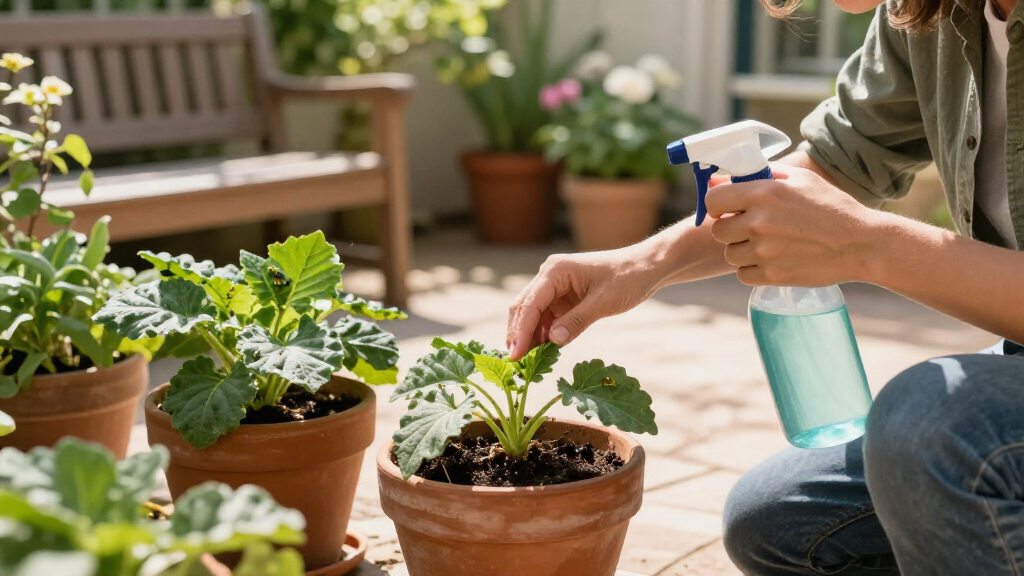
Gardening experts warn that four common mistakes can trigger aphid infestations. Identifying and correcting these errors can help gardeners protect their plants and prevent pest outbreaks.
Gardeners are increasingly facing severe aphid infestations, and experts now identify four common mistakes that significantly contribute to these outbreaks. Recognizing and correcting these errors is crucial for effective pest management and healthy plant growth, according to horticultural specialists.
Research and anecdotal evidence suggest that improper gardening practices, such as over-fertilizing, neglecting natural predators, improper pruning, and poor plant selection, are major factors behind the surge in aphid populations. These mistakes create favorable conditions for aphids to thrive and spread rapidly among plants.
For example, over-fertilization, especially with nitrogen-rich fertilizers, encourages lush new growth that aphids find attractive and easy to feed on. Additionally, neglecting to support natural predators like ladybugs and lacewings reduces natural pest control, allowing aphids to multiply unchecked. Improper pruning techniques can also leave plants vulnerable by exposing tender tissues, which aphids readily infest. Lastly, planting susceptible species without considering pest resistance further exacerbates the problem.
Experts emphasize that addressing these mistakes can drastically reduce aphid outbreaks. Gardeners are encouraged to adopt integrated pest management strategies that include balanced fertilization, encouraging beneficial insects, proper pruning, and selecting resistant plant varieties.
Impacts of Common Mistakes on Garden Pest Control
This information is vital for gardeners aiming to maintain healthy plants and avoid costly pest infestations. Aphids can weaken plants, transmit diseases, and cause aesthetic damage, making early intervention essential. By understanding and avoiding these four mistakes, gardeners can reduce reliance on chemical controls, promote ecological balance, and improve overall garden health.
As an affiliate, we earn on qualifying purchases.
Background on Aphid Infestation Causes
Aphid outbreaks have been increasingly reported across various regions, with many attributed to gardening practices that unintentionally favor pests. The trend appears to be linked to a broader interest in organic gardening and sustainable pest control methods, which emphasize natural balance but require proper technique. Historically, aphids have been managed through biological control and cultural practices, but recent spikes suggest that common errors are undermining these efforts.
While the specific trigger for the current surge remains unconfirmed, experts note that the combination of climate factors and gardening habits are likely contributing to the problem. The trend signals a need for increased awareness and education on best practices for pest prevention.
As an affiliate, we earn on qualifying purchases.
Unconfirmed Factors Behind the Current Surge
It remains unclear whether recent weather patterns, changes in garden product formulations, or other environmental factors are directly contributing to the increase in aphid infestations. Experts agree that more research is needed to establish definitive causes for the current trend.
beneficial insects for pest control
As an affiliate, we earn on qualifying purchases.
As an affiliate, we earn on qualifying purchases.
Next Steps for Gardeners and Researchers
Gardeners are advised to review and adjust their practices based on expert recommendations, including balanced fertilization and encouraging beneficial insects. Researchers plan to investigate environmental and behavioral factors further to better understand the surge and develop targeted control strategies. Public education campaigns are also expected to increase awareness of best practices for pest prevention.
resistant plant varieties for aphids
As an affiliate, we earn on qualifying purchases.
As an affiliate, we earn on qualifying purchases.
Key Questions
How can I identify an aphid infestation early?
Look for clusters of small, soft-bodied insects on new growth, undersides of leaves, or stems. Signs include distorted leaves, sticky honeydew, and the presence of ants tending to the pests.
What are the most effective natural methods to control aphids?
Encourage natural predators like ladybugs and lacewings, spray plants with a strong jet of water, or use insecticidal soaps and neem oil, following label instructions.
Can over-fertilizing really cause aphid outbreaks?
Yes, excessive nitrogen promotes rapid, tender growth that attracts aphids. Balanced fertilization helps maintain healthy, resilient plants less vulnerable to pests.
Are some plants more resistant to aphids than others?
Yes, selecting pest-resistant or tolerant varieties can reduce infestation risks. Native plants and those with strong, thick foliage are typically less attractive to aphids.
When should I take action to control aphids?
Early detection is key. Address infestations as soon as you notice signs to prevent rapid spread and minimize damage.
Source: rss
Flea & tick season Picks
flea and tick prevention
As an affiliate, we earn on qualifying purchases.