TL;DR
Prime for Young Adults — start your free trial
Fast free delivery, streaming and member deals for eligible 18–24 year olds.
Try it freeAs an affiliate, we earn on qualifying purchases.
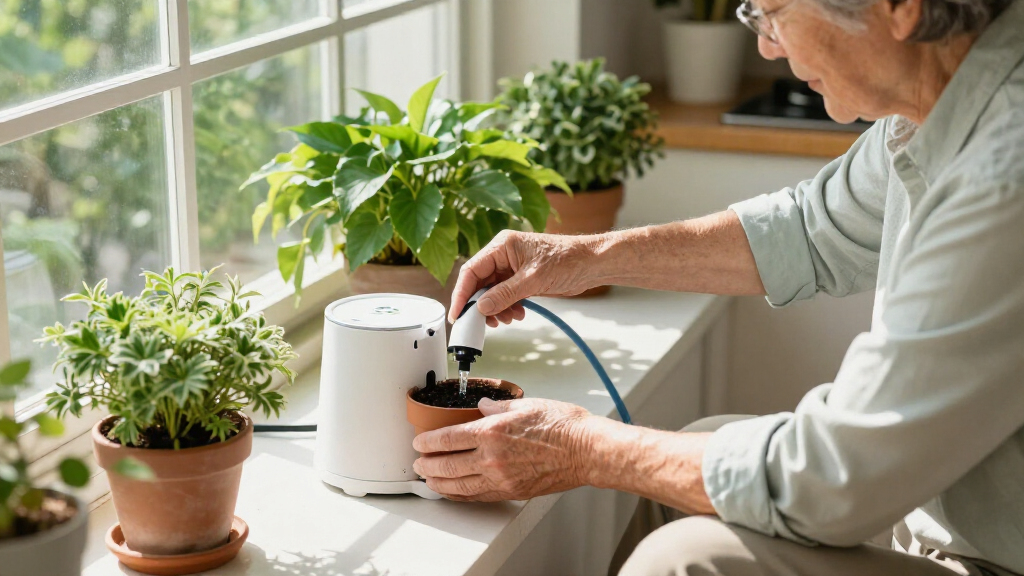
Simple watering systems like drip irrigation, self-watering pots, and timers help busy or tired gardeners keep their plants healthy. They reduce effort, prevent missed watering, and improve consistency—especially when you can’t be there every day.
Ever find yourself so busy or exhausted that watering your garden feels like a chore you just can’t face? Or maybe you worry about forgetting to water during those hectic days. If that sounds familiar, you’re not alone. The good news is, simple watering systems can take the burden off your shoulders, ensuring your plants stay healthy without daily effort.
In this guide, you’ll discover straightforward solutions—like drip lines, self-watering containers, and timers—that fit your lifestyle, save water, and protect your garden when you’re not around. Whether you’re caring for a few houseplants or a sprawling vegetable bed, these systems make garden care manageable even on your busiest or most tired days.
Automated drip or soaker systems are the most reliable low-effort choices for busy or tired days.
Match watering frequency and amount to each plant’s specific needs to prevent over- or under-watering.
Always test your system thoroughly before leaving for extended periods to avoid failures.
Using timers with weather sensors or manual adjustments helps conserve water and adapt to changing conditions.
Regular checks and simple soil moisture tests keep your garden healthy with minimal effort.
Why watering smartly beats dragging hoses every day
Watering directly at the root zone is more effective and less wasteful than spraying leaves or surface watering. It reduces evaporation, prevents runoff, and keeps plants healthier. For example, a drip system can deliver water precisely where roots are active, saving you time and effort.
Imagine a hot summer day. Instead of dragging a hose across your garden, a drip line quietly waters your vegetable rows, deepening roots without over-saturating the surface. This not only conserves water but also strengthens plants against drought stress.
Research from plant science shows that deep, slow watering encourages roots to grow downward, making plants more drought-resistant. Automated systems help achieve this consistently, even when you’re too tired or busy to do it manually.
automatic drip irrigation system with timer
As an affiliate, we earn on qualifying purchases.
As an affiliate, we earn on qualifying purchases.
The simplest watering systems you can set and forget
When your energy is low, choosing the easiest reliable watering system makes all the difference. Here are the top options, ranked by effort and reliability:
| System Type | Best For | Limitations |
|---|---|---|
| Self-watering planters | Houseplants, herbs, balcony containers | Limited capacity, needs refilling |
| Drip irrigation with timer | Raised beds, vegetable rows, large containers | Installation takes time, occasional check needed |
| Soaker hoses | Flower beds, densely planted garden beds | Uneven watering on slopes or long runs |
| Watering globes or reservoirs | Indoor plants, small outdoor containers | Flow can be inconsistent, clogging |
Pairing a timer with a drip line or soaker hoses offers a simple yet effective way to ensure your garden receives consistent watering without daily manual effort. These systems allow you to set specific times, often overnight or early morning, which can be especially beneficial during busy days or when you’re feeling tired. The key advantage is that once set, they provide reliable, even moisture, preventing both drought stress and overwatering. This consistency is crucial for healthy plant growth, especially during periods of neglect or fatigue, and reduces the risk of human error that can lead to plant stress or disease.
self-watering plant pots for outdoor and indoor use
As an affiliate, we earn on qualifying purchases.
As an affiliate, we earn on qualifying purchases.
Matching water delivery to what your plants actually need
Not all plants require the same amount of water, and understanding these differences is vital for efficient watering. Young seedlings, hanging baskets, and small pots often dry out quickly because their soil heats up faster and they have less root mass to retain moisture. If overwatered, these delicate plants are prone to root rot and disease; under-watered, they wilt and weaken. Larger, established plants develop deeper roots and are more drought-tolerant, needing less frequent watering. Ignoring these distinctions can lead to stress, disease, or poor growth, which ultimately affects your garden’s health and productivity.
By observing your plants and grouping them based on their moisture needs, you can create a tailored watering schedule. For example, setting higher frequency for seedlings and delicate plants, while reducing watering for mature succulents, ensures each plant receives optimal moisture. This targeted approach minimizes water waste, prevents root rot, and conserves resources. It also allows quick adjustments in response to weather changes—like increasing watering during a heatwave or reducing after rain—saving water and protecting your plants. Understanding these nuances enables you to provide the right amount of water at the right time, leading to healthier plants and less effort in the long run.
garden soaker hoses for flower beds
As an affiliate, we earn on qualifying purchases.
As an affiliate, we earn on qualifying purchases.
How to set up a simple watering plan for tired days
- Identify your most vulnerable plants: seedlings, new transplants, hanging baskets.
- Install a timer-controlled drip line or soaker hose to these zones.
- Program watering times early in the morning or late at night—cooler times reduce evaporation and prevent water loss due to wind.
- Test the system for a couple of days, observing whether each plant receives enough moisture without over-saturating the soil. Adjust the duration or frequency as needed based on soil moisture and plant response.
- Adjust the schedule based on weather conditions: increase watering during heatwaves or dry spells, and decrease after rainfall or cooler days.
- Keep an eye on soil moisture by manually checking—push a finger into the soil to feel dampness or use a moisture meter for more precision. This helps prevent guesswork and ensures plants are getting what they need.
This approach turns watering into a reliable, low-effort routine that ensures your garden remains hydrated even if you forget or feel too tired to water manually each day. It’s about creating a system that adapts to your garden’s needs while reducing your daily chores, giving you peace of mind and healthier plants.
garden watering timers with weather sensors
As an affiliate, we earn on qualifying purchases.
As an affiliate, we earn on qualifying purchases.
What to watch out for: safety and common pitfalls
Automated watering saves effort but comes with risks if not properly managed. Overwatering can drown roots and promote rot, especially in poorly drained soil or containers. This occurs when systems run longer than necessary or if soil moisture sensors fail to detect saturation. Under-watering can stress plants, causing wilting and reduced growth. Regularly checking soil moisture—either manually or with sensors—helps prevent these issues. Additionally, improper setup can lead to leaks or pressure problems that damage your system and waste water.
Before leaving your system unattended for more than a few days, thoroughly test it. Look for leaks, clogged emitters, or pressure issues that could cause uneven watering or system failure. Cover reservoirs to prevent mosquito breeding, and use backflow preventers to protect your water supply from contamination. Also, be aware that timers do not account for unexpected weather changes—if it rains, your system might still run, leading to overwatering. Using weather sensors or manual adjustments can help mitigate this. Regular inspections, flushing filters, and checking for clogs are essential to prevent failures and ensure your system operates safely and effectively, keeping your plants healthy without unintended harm.
Latest trends making watering even easier
New watering gadgets blend automation with smart watering. App-controlled timers let you tweak schedules remotely, while soil moisture sensors delay watering until the root zone dries out, preventing overwatering and conserving water. Solar-powered pumps and modular drip kits simplify installation and maintenance, making setup more accessible for busy gardeners.
For example, a weather-connected timer can skip watering during rain, saving water and preventing over-saturation. Self-watering planters now include larger reservoirs and overflow outlets, making them more reliable and less prone to over-saturation. These innovations not only reduce manual effort but also promote sustainable watering practices that protect water resources and support plant health. Many of these devices are designed for user-friendliness, allowing even novice gardeners to enjoy the benefits of automation without extensive setup or maintenance. Embracing these trends can make garden watering more efficient, eco-friendly, and effortless, aligning with the needs of modern, busy lifestyles.
Quick setup tips for reliable watering systems
Before installing, measure the water output of each emitter or drip zone to ensure uniform distribution and avoid over- or under-watering. Place emitters close to the plant’s root zone—never against the stem—to maximize absorption and reduce waste. Use filters to prevent clogging and pressure regulators to maintain consistent flow, which helps avoid uneven watering or system failure. Program your timer for early morning, when evaporation is lowest, and consider adjusting based on seasonal changes. Check the soil moisture a few centimeters below the surface—if it’s damp, your watering is sufficient. During hot, windy days, test the system more frequently to catch issues early. Regular inspections—such as looking for leaks, clogging, or pressure drops—are essential to keep your system running smoothly and your garden thriving with minimal effort.
Frequently Asked Questions
What is the cheapest automatic watering system?
A reused plastic bottle, wick, or simple bottle spike offers the lowest cost for one or two pots. For multiple plants, a basic timer connected to a soaker hose or drip kit provides better consistency at a moderate price.
Which system is easiest to install?
Self-watering planters are the simplest, needing minimal setup. For outdoor beds, a pre-made soaker hose with a timer is usually easier than assembling individual drip emitters across the garden.
Are watering globes reliable?
They can work for short periods, but their flow rate varies with soil moisture, placement, and clogging. Always test them with each plant before relying on them during a longer absence.
How long will a water reservoir last?
Divide the reservoir’s capacity by your plants’ daily water use. During hot weather, expect it to last less. Always add a safety margin and monitor the water level regularly.
Can plants be watered with string?
Yes, a wick can draw water from a reservoir into the soil via capillary action. Use synthetic cord for durability and ensure the wick’s length and thickness match your watering needs.
Conclusion
Even when energy runs low or time feels tight, a well-chosen watering system can keep your garden lush and thriving. Focus on simple, proven methods like drip lines, self-watering pots, and timers—these turn garden care into a set-it-and-forget-it routine.
Imagine a weekend without worry, knowing your plants are getting just the right amount of water. With the right setup, that’s not a dream—it’s a reality. Your garden, and your peace of mind, will thank you for it.
Flea & tick season Picks
flea and tick prevention
As an affiliate, we earn on qualifying purchases.