
TL;DR

Turn quiet afternoons into listening time
- Thousands of audiobooks, podcasts and originals
- Listen on your phone, tablet or Echo — also offline
- Cancel anytime
Elevated garden beds bring your garden closer and make planting easier, especially for seniors or those with mobility challenges. They improve soil control, reduce pests, and fit urban spaces, with recent innovations making them more sustainable and adjustable.
Imagine stepping into your garden and feeling the rich aroma of soil and blooming plants. Now, picture that garden within arm’s reach—no bending, no kneeling, just pure enjoyment. That’s the magic of bringing your garden closer with elevated beds. They’re more than just a trend; they’re a practical solution for making gardening easier, safer, and more productive, especially if you’re aging or managing mobility challenges.
In this guide, you’ll discover how elevated garden beds can transform your outdoor space. From choosing the right materials to understanding the latest innovations, you’ll get practical tips that turn your garden dreams into reality. Ready to bring your garden closer and enjoy it more? Let’s dig in.
Elevated beds significantly reduce bending and kneeling, making gardening safer and more accessible for seniors and those with mobility challenges.
Choosing durable, non-toxic materials like cedar or composites ensures your garden lasts for years with minimal maintenance.
Smart, modular, and adjustable designs provide flexibility, allowing your garden to grow and change with your needs.
Adding quality soil and proper drainage boosts plant health, extends growing seasons, and minimizes pests and weeds.
Regular maintenance—watering, replenishing soil, and monitoring—keeps your elevated garden thriving year-round.
Bringing the Garden Closer With Elevated Beds
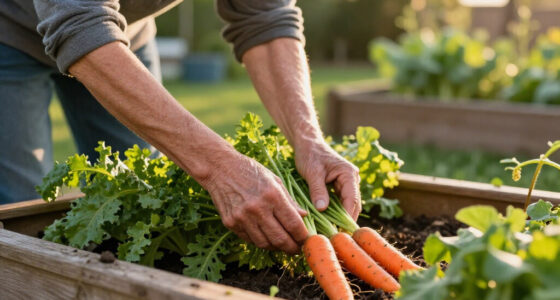
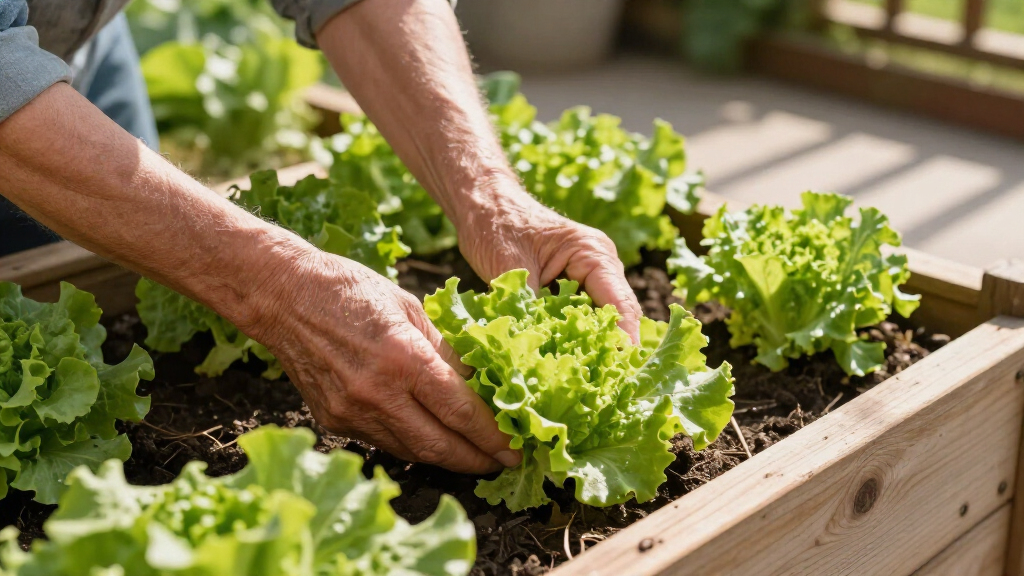
Elevated garden beds put your plants within arm’s reach—no bending, no kneeling, just pure enjoyment. They improve soil control, reduce pests, and fit urban spaces, with new innovations making them more sustainable and adjustable than ever.
Easier, Safer, More Productive Gardening
Elevated beds reduce bending and kneeling, give you full control over soil quality, and naturally deter ground pests—all while fitting patios, rooftops, and small urban spaces.
Ergonomic by Design
Beds sitting 12–24 inches high put plants at a comfortable working level, minimizing joint strain and reducing fall risks from uneven ground and muddy patches.
Total Soil Control
Fill beds with rich compost, organic matter, and well-draining material. Adjust pH and nutrients precisely—better drainage prevents root rot and boosts flavor and yield.
Natural Barriers
Raised height makes it harder for slugs and ground beetles to reach plants, while loose, aerated soil encourages sturdy root development and healthier growth.
Warmer Soil, Longer Seasons, Smarter Heights
Elevated beds warm faster in early spring—often by up to 8°F versus ground-level soil—giving you a longer harvest window. Height choice depends on what you grow and how you move.
Choosing the Best Material for Your Bed
Every material involves tradeoffs between longevity, safety, cost, and eco-friendliness. Cedar is naturally rot-resistant and food-safe; recycled plastics need non-toxic verification; metal can overheat in direct sun.
| Material | Durability | Food-Safe | Eco-Impact | Best For |
|---|---|---|---|---|
| Cedar Wood | ~ Moderate–High | ✓ Naturally safe | ✓ Renewable | Food gardens, natural look; higher upfront cost |
| Composite | ✓ High | ✓ Non-toxic | ~ Mixed | Long-term, weather-resistant builds; pricier |
| Recycled Plastic | ✓ High | ~ Verify non-toxic | ✓ Recycled content | Low-maintenance, sustainable setups |
| Metal (Coated) | ✓ Very high | ~ If properly sealed | ~ Mixed | Sleek modern look; can heat roots in full sun |
| Treated Wood | ✓ High | ✗ May leach chemicals | ✗ Chemical treatment | Ornamental beds only — avoid for edibles |
Five Innovations Reshaping Elevated Beds
From smart sensors to modular frames, recent developments are making elevated beds more sustainable, adjustable, and climate-resilient.
Sustainable Materials
Reclaimed wood, recycled plastics, and durable composites reduce environmental footprint.
Modular & Adjustable
Expandable systems and adjustable-height frames grow and change with your needs.
Smart Irrigation
Drip systems, self-watering reservoirs, and sensors optimize watering automatically.
Urban & Vertical
Rooftop and vertical arrangements maximize gardening in limited city spaces.
Climate-Resilient
Insulation and shading options extend growing seasons and shield plants from extremes.
Five Things to Remember
Accessibility First
Elevated beds drastically reduce bending and kneeling, making gardening safer for seniors and anyone with mobility challenges.
Durable, Safe Materials
Cedar and quality composites last for years with minimal maintenance—avoid treated wood for food gardens.
Flexible Design
Smart, modular, adjustable systems let your garden evolve alongside your needs and space.
Soil & Drainage Pay Off
Quality soil and proper drainage boost plant health, extend seasons, and minimize pests and weeds.
Frequently Asked Questions
Q. Can I grow all types of plants in an elevated bed?
Yes—vegetables, herbs, flowers, and small shrubs all thrive. Their versatility suits almost any garden type or climate.
Q. How tall should my elevated bed be?
Most gardeners find 12–24 inches ideal for vegetables. For mobility issues, beds up to 36 inches eliminate bending and kneeling entirely.
Q. What materials are safest for food growing?
Non-toxic, rot-resistant options like cedar, composite, or verified recycled materials. Avoid treated wood or unsealed metals that may leach into soil.
Q. How do I keep pests out?
Use row covers, organic mulches, and good soil management. Elevation itself naturally deters slugs and ground beetles.
Q. Are DIY elevated beds worth the effort?
Absolutely—building your own allows full customization, saves money, and delivers a sturdy bed tailored to your space.
Q. How much maintenance is required?
Regular watering, soil replenishment, and pest monitoring keep beds thriving. Some materials need occasional sealing or treatment.
Why Elevated Beds Make Gardening Easier and Safer
Elevated beds are designed to reduce the need for bending or kneeling—common hurdles for older adults and those with back pain. Imagine planting tomatoes or herbs without the strain of leaning over. Elevated beds typically sit between 12 and 24 inches high, putting your plants at a comfortable level while minimizing pressure on your joints.
For example, an elderly gardener with arthritis found that raised beds allowed her to tend her vegetables without discomfort, encouraging more frequent care and better yields. The ergonomic advantage isn’t just comfort; it also reduces the risk of falls or injuries caused by unstable footing around traditional ground-level beds.
Plus, they make gardening safer for everyone. You can avoid tripping on uneven ground or slipping in muddy patches—common hazards in outdoor spaces. Whether you’re planting flowers, herbs, or vegetables, elevated beds turn gardening into a safer, more enjoyable activity.
Products Worth Considering

Sonos Era 100 SL Compact Microphone-Free Speaker – Black

Arlo Pro Wireless Security Camera, 2K HDR, 6th Generation, 4-Camera Kit

Bose SoundLink Flex (2nd Gen) Portable Bluetooth Speaker, Black
As an affiliate, we earn on qualifying purchases.
How Elevated Beds Improve Soil and Plant Health
Ever struggle with poor soil quality or weeds invading your garden? Elevated beds give you control that matters deeply for plant health. By choosing the right soil mix—rich compost, organic matter, and well-draining materials—you can create an environment optimized for your specific plants. This tailored approach reduces issues like poor growth, disease susceptibility, and pest problems, which often stem from subpar soil conditions. The ability to customize soil means you can also adjust pH levels or nutrient content, directly influencing plant vitality and yield quality.
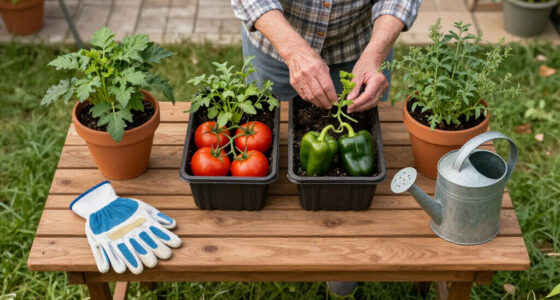
For instance, a family in an urban apartment used a 24-inch-high bed filled with rich compost to grow herbs and cherry tomatoes. They noticed faster growth and sweeter taste—thanks to better soil warmth and drainage. This highlights how improved soil conditions not only boost growth rates but also enhance flavor and nutritional content, making your efforts more rewarding.
Additionally, elevated beds drain excess water more efficiently, preventing root rot—a common problem in poorly drained ground soil. The loose, aerated soil encourages healthy root development, which translates into sturdier plants with higher yields. Plus, pest management becomes easier—raised height makes it harder for ground pests like slugs or certain insects to reach your plants. This integrated control over soil and pests underscores the importance of soil health and structure in achieving a thriving garden.
Choosing the Best Materials for Your Elevated Garden Bed
Picking the right materials is key to a durable, safe, and attractive elevated bed. Common options include cedar, composite, metal, and recycled materials. Each has its pros and cons, depending on your priorities like longevity, safety, or eco-friendliness. For example, cedar is naturally rot-resistant and safe for food gardens, but might be more costly upfront. Recycled plastics are eco-friendly and low-maintenance but require careful selection to ensure they’re non-toxic, as some plastics can leach chemicals over time. Metal, especially if coated properly, offers a sleek look and durability but may heat up excessively in direct sun, affecting plant roots.
Understanding the tradeoffs helps you make an informed choice. For instance, while composite materials last longer and resist weathering, they may be more expensive than recycled wood. The choice impacts not only the aesthetics but also the long-term sustainability, safety, and maintenance costs of your garden. Consider your climate—some materials withstand moisture better—your budget, and your aesthetic preferences when selecting the best option for your space.
For example, cedar remains a popular choice because it’s naturally rot-resistant and safe for food gardens. Recycled plastics are gaining popularity for being sustainable, though you should verify they’re non-toxic. Picking the right material is ultimately about balancing durability, safety, and environmental impact, ensuring your garden will thrive for years to come.
Frequently Asked Questions
Can I grow all types of plants in an elevated bed?
Yes, elevated beds support vegetables, herbs, flowers, and small shrubs. Their versatility makes them suitable for almost any garden type or climate.
How tall should my elevated bed be for comfortable gardening?
Most people find 12 to 24 inches ideal for vegetable gardening. For those with mobility issues, taller beds up to 36 inches can reduce the need to bend or kneel.
What materials are safest for food-growing elevated beds?
Non-toxic, rot-resistant options like cedar, composite, or recycled materials are best. Avoid treated wood or metals that may leach harmful substances into your soil.
How do I keep pests out of my elevated garden?
Use pest barriers like row covers, organic mulches, and proper soil management. Elevation also naturally deters some pests, like slugs or ground beetles.
Are DIY elevated beds worth the effort?
Absolutely! Building your own allows customization, saves money, and gives you a satisfying project. Many simple guides help you create a sturdy, attractive bed tailored to your space and needs.
Conclusion
Elevated garden beds turn gardening from a strenuous chore into a joyful activity. They bring your plants closer, making daily care easier and more enjoyable. Whether you’re managing limited mobility or simply want a smarter way to garden, these beds make your outdoor space more accessible and productive.
Picture yourself tending vibrant greens and colorful flowers from a comfortable height—no stress, no strain. That’s the real beauty of elevated beds: they invite everyone to enjoy the simple pleasure of growing your own food and flowers, regardless of age or ability.