
TL;DR
Play games included with Prime
Start a Prime free trial and play with Amazon Luna on your devices.
Start playingAs an affiliate, we earn on qualifying purchases.
Waist-high gardens are ideal for easy, accessible gardening. The best vegetables are compact, shallow-rooted, and quick to harvest—think greens, radishes, peppers, and compact tomatoes. Proper planning and soil depth make all the difference.
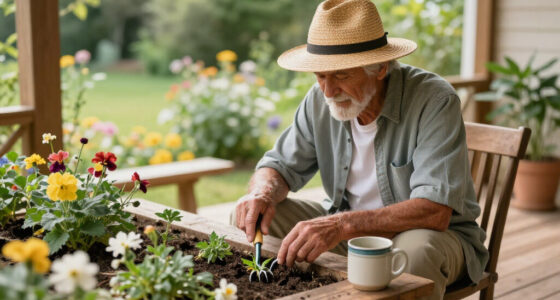
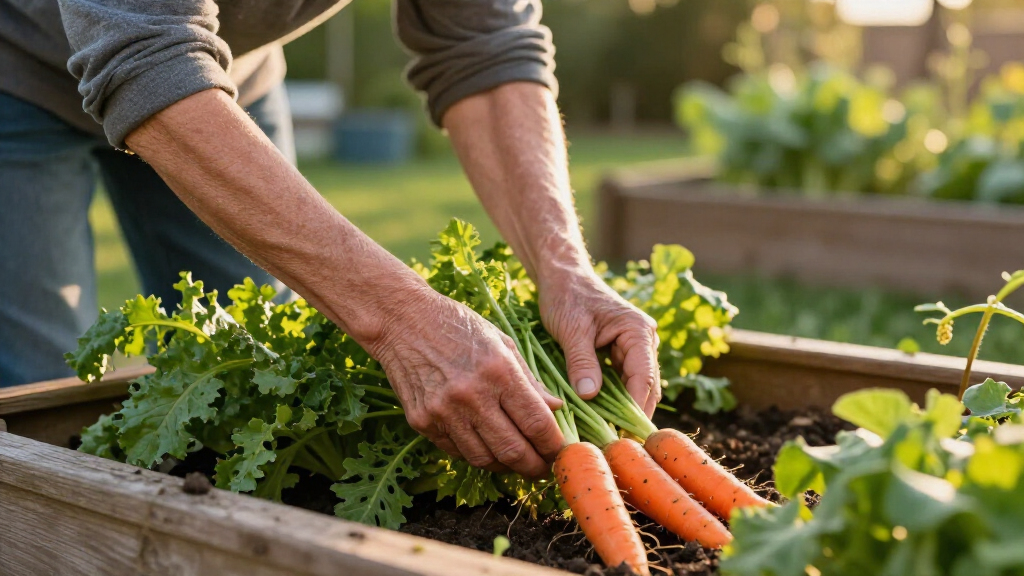
Imagine a garden where you don’t have to bend or kneel to harvest. That’s the promise of a waist-high garden—an accessible, manageable space that puts fresh vegetables within arm’s reach. But not every crop thrives in this setup. You need the right choices to keep your garden thriving and productive.
In this guide, you’ll learn which vegetables are best suited for waist-high beds. We’ll explore what makes them ideal, how to plan your planting, and tips for making your garden a smooth, satisfying experience. Whether you’re gardening for convenience, health, or just love fresh veggies, these insights will help you succeed.
Prioritize shallow-rooted, fast-growing vegetables like lettuce, radishes, and herbs for quick, easy harvests.
Balance soil depth with weight and cost—8–12 inches is ideal for most greens, while deeper beds suit fruiting vegetables.
Design your garden with accessibility in mind—height, width, sunlight, and drainage all matter for easy, safe gardening.
Use succession planting and compact varieties to maximize small spaces and keep harvests steady.
Stay updated on new cultivars and technology—dwarf plants, self-watering systems, and modular designs make gardening simpler and more accessible.
Best Vegetables for a Waist-High Garden
A productive garden does not need to demand bending or kneeling. Choose compact crops, match their roots to the available soil depth, and place every harvest within comfortable reach.
Compact crops that earn their space
Leafy greens and radishes combine shallow roots with fast growth, making them especially productive in elevated planters. Add compact herbs, bush varieties, and dwarf fruiting plants as soil depth increases.
Salad greens
Leaf lettuce, spinach, arugula, mizuna, and tatsoi thrive near the surface and respond well to repeated leaf picking.
Radishes
Among the fastest vegetables to mature, radishes fit neatly into short planting cycles and limited soil depth.
Onions and herbs
Green onions, chives, basil, parsley, and cilantro stay compact and become bushier with frequent harvesting.
Bush beans
Bush types avoid tall trellis work while producing generous crops in roughly 8–12 inches of soil.
Dwarf peppers
Compact pepper plants perform well with strong sunlight, consistent moisture, and 12–18 inches of soil.
Patio tomatoes
Dwarf or determinate tomatoes suit deeper planters when given 18–24 inches of soil and sturdy support.
Choose by depth, speed, and habit
Use this crop matrix to match your planter to a realistic harvest. The strongest all-around choices stay compact, mature quickly, and remain easy to reach.
| Vegetable | Soil depth | First harvest | Compact fit | Best use |
|---|---|---|---|---|
| Leaf lettuce | 6–8 inches | 20–30 days | ✓ | Cut-and-come-again harvests |
| Radishes | 6–8 inches | 25–30 days | ✓ | Rapid succession planting |
| Spinach | 8 inches | 30–40 days | ✓ | Cool-season leaf picking |
| Green onions | 4–6 inches | 20–25 days | ✓ | Frequent small snips |
| Basil and parsley | 6–8 inches | 3–4 weeks | ✓ | Fragrant companion planting |
| Baby bok choy | 8–10 inches | 30–45 days | ✓ | Fast whole-head harvest |
| Bush beans | 8–12 inches | 50–60 days | ✓ | Low-support summer crop |
| Mini cucumbers | 12–18 inches | About 50 days | ~ | Short trellis or safe trailing |
| Dwarf peppers | 12–18 inches | 60–80 days | ~ | Sunny, warm locations |
| Dwarf cherry tomatoes | 18–24 inches | 60–70 days | ~ | Deep beds with support |
Build for the roots you intend to grow
Deeper soil holds more moisture and insulates roots, but it also increases weight, material cost, and structural demand. Select the crop zone first, then engineer the planter around it.
Weight changes the plan
Wet garden soil can weigh approximately 75–100 pounds per cubic foot. Confirm that the frame, base, fasteners, and supporting surface can safely carry the saturated load.
Comfort begins before planting
Height alone does not create accessibility. Reach distance, approach space, sunlight, drainage, and the individual gardener’s mobility determine whether the bed feels easy and safe to use.
Fit the gardener
Place the growing surface near a natural working height. For seated users, prioritize knee clearance, approach space, and comfortable forward reach.
Limit the reach
Keep two-sided beds at about four feet wide. A bed reached from only one side is more practical at two to two-and-a-half feet.
Map the sunlight
Give fruiting vegetables at least six hours of direct sun. Leafy greens and herbs can tolerate partial shade, especially in hot climates.
Protect drainage
Use unobstructed drainage holes or a permeable base. A breathable liner retains the mix while allowing excess water to escape.
From empty bed to steady harvest
A waist-high garden works best as a repeatable system. Each decision supports the next: crop choice sets depth, depth shapes the structure, and good structure makes consistent care easier.
Select compact crops
Start with greens, radishes, herbs, and bush varieties.
Match soil depth
Give every crop enough root space without adding needless weight.
Fill with airy mix
Use a well-draining raised-bed or container mix instead of dense ground soil.
Water consistently
Elevated soil dries faster, so check moisture regularly and mulch the surface.
Harvest and resow
Pick frequently and replace finished quick crops every few weeks.
Small habits create a bigger harvest
Succession planting, mulch, compact cultivars, and careful support turn a modest elevated bed into a continuous source of vegetables without creating an overcrowded canopy.
Succession planting rhythm
Sow a small amount of radish, lettuce, arugula, or baby bok choy every two to three weeks instead of planting the entire crop at once.
Plant Week 2
Grow Week 3
Plant Week 4
Pick Week 5
Plant Week 6
Pick
Technology is reducing daily effort
New cultivars and modular systems are making productive gardening easier in small spaces. The most useful advances solve practical problems: reach, watering, weight, season length, and crop size.
Dwarf cultivars
Miniature tomatoes, compact cucumbers, and small pepper plants concentrate production within an accessible footprint.
Self-watering beds
Reservoirs and drip systems help stabilize moisture while reducing the need for frequent manual watering.
Lighter soil mixes
Peat-reduced, well-aerated mixes can lower structural load while maintaining drainage and root oxygen.
Modular access
Adjustable heights, wheelchair-friendly clearances, covers, and insect mesh expand who can garden and when.
Every design choice reaches the harvest
Successful elevated gardening is a connected system. Follow the chain from human comfort to crop selection, then through root conditions and daily care to the final yield.
Practical answers before you build
The best planter is not necessarily the deepest or largest. It is the one that safely supports the intended crops while remaining comfortable to reach, water, and harvest.
How deep should a waist-high vegetable garden be?
Most greens and small root crops perform well in 6–12 inches of soil. Peppers and compact cucumbers benefit from 12–18 inches, while tomatoes are strongest at 18–24 inches.
Must the entire planter be filled with soil?
No. A false bottom or supported planting tray can create the required root depth while reducing soil volume, weight, and cost. Preserve drainage and structural strength.
Which vegetables are less practical?
Pumpkins, full-size winter squash, sweet corn, artichokes, and large indeterminate tomatoes may overwhelm the space. Potatoes are often easier to harvest from separate containers.
Can ordinary garden soil be used?
Dense ground soil can compact and become extremely heavy. A well-draining raised-bed or container mix provides better aeration, moisture balance, and manageable weight.
Why These Vegetables Shine in Waist-High Gardens
Waist-high gardens are perfect for certain vegetables that love shallow, well-drained soil and don’t require deep rooting. Leafy greens like lettuce and spinach excel because they grow close to the surface and mature quickly, often ready in just 30 days.
Root crops like radishes and small carrots thrive in limited soil depth, offering quick, satisfying harvests. Because these crops have shallow roots, they are less dependent on deep soil, making them ideal for waist-high beds. However, this also means they are more sensitive to soil quality and moisture levels—poor drainage or compacted soil can hinder their growth and lead to pests or diseases. Compact herbs such as basil and parsley are also ideal—they’re small, fragrant, and easy to pick without bending. Their shallow roots mean they benefit from well-draining soil and frequent harvesting, which encourages bushier growth and continuous yields. For example, a gardener in a small backyard found that growing salad greens and radishes in a waist-high bed allowed her to harvest daily, with minimal effort and no backache. That’s the magic—productive, simple, and accessible.
As an affiliate, we earn on qualifying purchases.
Top 10 Vegetables That Grow Fast and Stay Compact
| Vegetable | Typical Soil Depth | Growth Time | Notes |
|---|---|---|---|
| Leaf Lettuce | 6–8 inches | 20–30 days | Cut-and-come-again for multiple harvests |
| Radishes | 6–8 inches | 25–30 days | Quickest crop, perfect for succession planting |
| Spinach | 8 inches | 30–40 days | Prefers cooler weather, easy to harvest |
| Green Onions | 4–6 inches | 20–25 days | Always ready for a snip |
| Herbs (Basil, Parsley) | Varies, shallow | 3–4 weeks to harvest | Compact and fragrant |
| Baby Bok Choy | 8–10 inches | 30–45 days | Fast-growing Asian green |
| Bush Beans | 8–12 inches | 50–60 days | Pick young for best flavor |
| Mini Cucumbers | 12 inches | 50 days | Train over a small trellis |
| Peppers (Dwarf varieties) | 12–18 inches | 60–80 days | Require good sun and warmth |
| Cherry Tomatoes (Dwarf) | 18 inches | 60–70 days | Support may be needed |
As an affiliate, we earn on qualifying purchases.
How to Choose the Perfect Soil Depth for Your Plants
Picking the right soil depth is key to healthy, productive plants. For greens like lettuce and spinach, 6–8 inches of soil usually does the trick. These shallow-rooted vegetables rely on well-drained, nutrient-rich soil close to the surface to thrive. If the soil is too shallow or compacted, roots may become stressed, leading to poor growth or susceptibility to pests. Root crops like radishes and small carrots thrive in 8–10 inches because they need enough space to develop their taproots without becoming misshapen or stunted. Insufficient soil depth can cause roots to become crowded, impacting flavor and size, or forcing growers to thin prematurely. If you want peppers, Swiss chard, or compact cucumbers, aim for 12–18 inches. These plants develop larger root systems that support healthy foliage and fruit production. For tomatoes, especially dwarf or patio types, a deeper bed of 18–24 inches provides the space needed for larger root systems and fruit production, which directly correlates with yield and plant vigor. Think about your space. A shallow bed saves weight and cost but limits crop choices and potential yields. Deepening the soil can boost your harvest but adds weight and complexity to construction and maintenance. Balancing these factors helps you create a garden that’s both manageable and fruitful.
compact vegetable seeds for small gardens
As an affiliate, we earn on qualifying purchases.
As an affiliate, we earn on qualifying purchases.
Design Tips for a Comfortable, Smart Waist-High Garden
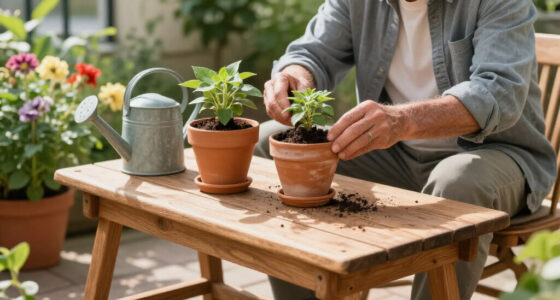
Your waist-high garden should match your height and mobility. A typical height of 30–36 inches works well for standing gardeners. If you use a wheelchair or need to sit, adjust the height accordingly and leave enough space for approach and maneuvering.
Keep the bed no wider than 4 feet if you’re reaching from both sides. For one-sided access, 2–2.5 feet is easier. Think about sunlight—most fruiting vegetables need at least six hours of direct sun daily, so position your bed accordingly.
Drainage is crucial. Elevate your bed with a sturdy base and well-draining soil mix. Mulch helps retain moisture and keeps weeds down. These small tweaks make gardening easier, safer, and more enjoyable.
ergonomic gardening tools for accessible gardening
As an affiliate, we earn on qualifying purchases.
As an affiliate, we earn on qualifying purchases.
Simple Strategies to Keep Your Waist-High Garden Thriving
Maximize your garden’s potential with these easy tips. Sow quick crops like radishes and greens every few weeks to enjoy a steady harvest. Use compact varieties to make the most of limited space. For example, plant baby bok choy or dwarf beans in succession for continuous fresh greens.
Support tall or vining plants—like cherry tomatoes or cucumbers—with small trellises that don’t block sunlight. Mulch generously to reduce watering needs and prevent weeds. And rotate crops seasonally to keep soil healthy and pests at bay.
Remember, consistent watering, good soil, and smart plant pairing turn a modest waist-high bed into a thriving mini farm.
Future Trends Making Waist-High Gardening Even Better
Gardening innovations are making waist-high beds more accessible and productive than ever. Dwarf cultivars like miniature tomatoes and compact cucumbers are now common—designed for small spaces and easy harvests. Self-watering containers and drip irrigation reduce daily watering chores, while lightweight, peat-reduced mixes lighten soil weight and improve sustainability.
Modular, adjustable-height planters and wheelchair-friendly designs are gaining popularity, making gardening possible for more people. Seasonal covers and insect mesh extend your growing season. These trends are shaping a future where everyone can enjoy fresh, homegrown vegetables with less effort and more fun.
Frequently Asked Questions
How deep should a waist-high vegetable garden be?
Most greens and small root crops grow well in 6–12 inches of soil. For larger vegetables like tomatoes or eggplants, aim for 12–18 inches. Matching soil depth to crop needs ensures healthy growth and easier harvests.
Does the entire planter need to be filled with soil?
Not necessarily. A waist-high planter can have a shallower soil layer, saving weight and cost. Just make sure it’s deep enough for your chosen crops and has proper drainage and support.
What vegetables are easiest for beginners?
Leaf lettuce, radishes, green onions, and herbs are forgiving and quick to grow. They’re perfect for learning the basics without overwhelming yourself.
Can tomatoes grow in a waist-high bed?
Yes, especially dwarf or patio varieties. They need at least 18 inches of soil, good sun, regular watering, and support. With proper care, they can be very productive in a waist-high setup.
How often should I water my waist-high garden?
Check the soil daily, especially during hot weather. Water when the top inch feels dry. Using drip irrigation or soaker hoses helps keep moisture steady and reduces effort.
Conclusion
Choosing the right vegetables and designing your waist-high garden thoughtfully turns gardening from a chore into a joy. With the right plants, soil, and layout, you create a space that’s both productive and easy on your body.
Imagine a lush, overflowing bed where every harvest is just a reach away. That’s the beauty of a well-planned waist-high garden—simple, satisfying, and perfectly suited to your needs.
Fall Picks
fall essentials
As an affiliate, we earn on qualifying purchases.