
TL;DR
Get ready for Prime Big Deal Days — try Prime free
Exclusive member deals on October 6–7, plus fast free delivery. Cancel anytime.
Start your free trialAs an affiliate, we earn on qualifying purchases.
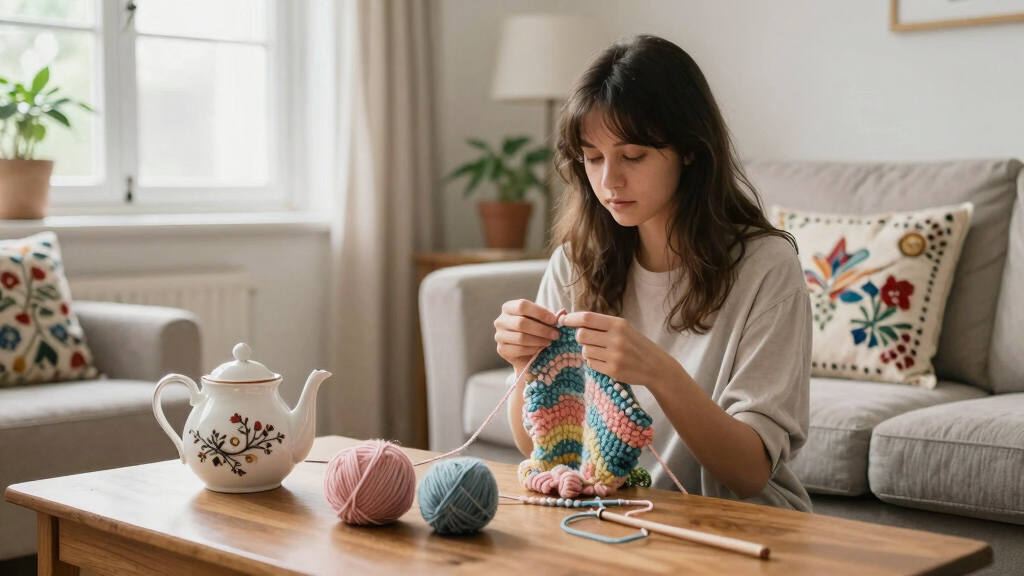
Gen Z and Millennials are increasingly adopting hobbies traditionally associated with older generations, such as knitting and gardening. Experts cite wellness, nostalgia, and social media influence as key factors. This shift reflects changing attitudes toward leisure and mental health.
Generation Z and Millennials are increasingly participating in hobbies traditionally associated with older generations, such as knitting, gardening, and baking. This shift is being driven by a combination of wellness trends, nostalgia, and social media influence, and it signals changing attitudes toward leisure and mental health among younger people.
Recent surveys indicate a significant rise in younger adults engaging in activities like knitting, embroidery, and gardening. Market research firms report increased sales of yarn, gardening tools, and baking supplies among these age groups. Social media platforms such as TikTok and Instagram feature numerous tutorials and communities focused on these hobbies, making them more accessible and appealing.
Experts suggest that this trend is partly driven by a desire for stress relief and mindfulness, especially in the context of the ongoing mental health challenges faced by young people. Dr. Lisa Chen, a psychologist specializing in youth wellness, noted that ‘these hobbies offer a calming, tangible activity that counters the digital fatigue many young adults experience.’
Additionally, the nostalgia for simpler, ‘slower’ activities resonates with many who grew up amid rapid technological change. Cultural commentators point out that younger generations are seeking authenticity and connection through these traditional pursuits, which also foster community engagement both online and offline.
Impact on Youth Culture and Wellness Practices
This trend reflects a broader shift in how younger generations approach mental health and self-care, emphasizing mindfulness and tangible skills. It may influence consumer markets, workplace wellness programs, and social norms around leisure activities, signaling a move away from digital-only engagement toward more tactile, community-oriented experiences.knitting starter kit for beginners
As an affiliate, we earn on qualifying purchases.
As an affiliate, we earn on qualifying purchases.
Rise of Traditional Hobbies in a Digital Age
Over the past few years, there has been a documented increase in younger adults engaging in ‘grandma hobbies’ like knitting, gardening, and baking. This aligns with a broader wellness movement that emphasizes mindfulness, slow living, and self-sufficiency. Social media has played a crucial role by popularizing tutorials, DIY projects, and community groups, making these activities more visible and appealing to a younger demographic.
Historically, such hobbies were associated with older generations, but recent data from market research firms show a surge in sales of related products among 18-34-year-olds. Psychologists and cultural analysts attribute this to a desire for stress relief and authenticity, especially amid the mental health challenges exacerbated by the pandemic and social media fatigue.
“These hobbies offer a calming, tangible activity that counters the digital fatigue many young adults experience.”
— Dr. Lisa Chen
gardening tools set for small spaces
As an affiliate, we earn on qualifying purchases.
As an affiliate, we earn on qualifying purchases.
Unclear Long-Term Adoption and Cultural Impact
While current data shows a rise in engagement, it is unclear whether this trend will sustain long-term or influence broader cultural norms. It is also uncertain how these hobbies will integrate into future lifestyle and wellness practices, or whether they will remain primarily social media phenomena.
baking supplies set with mixing bowls and utensils
As an affiliate, we earn on qualifying purchases.
As an affiliate, we earn on qualifying purchases.
Monitoring Future Engagement and Market Trends
Researchers and market analysts will continue to track participation levels and sales data to assess whether this trend persists. Additionally, health professionals may explore how these hobbies can be integrated into mental health strategies for young adults. Social media platforms are likely to remain key in shaping and sustaining this movement.
As an affiliate, we earn on qualifying purchases.
Key Questions
Why are younger people interested in traditional hobbies now?
Experts cite a combination of wellness benefits, nostalgia, and social media influence as key reasons for this renewed interest.
Are these hobbies replacing digital entertainment for young people?
While they are gaining popularity, these activities are often complementary to digital entertainment, offering a tactile, calming alternative.
Will this trend influence mainstream culture?
It is still uncertain, but ongoing engagement and market growth suggest potential for broader cultural impact, especially in wellness and leisure sectors.
How are social media platforms contributing to this trend?
Platforms like TikTok and Instagram facilitate sharing tutorials, success stories, and community building, making traditional hobbies more accessible and appealing.
Source: rss
Fall Picks
fall essentials
As an affiliate, we earn on qualifying purchases.