TL;DR
Open a free Amazon Business account
Business pricing, bulk buying and tax-exempt orders.
Create a free accountAs an affiliate, we earn on qualifying purchases.
Talking clocks and reminder devices provide auditory cues that help with time management, medication, and routines—especially for those with visual or memory challenges. Advances in AI and smart home integration make these tools more personalized and accessible than ever.
Imagine waking up and hearing the time announced clearly, every hour if needed—no need to squint at a tiny clock or rely on memory. That’s the power of talking clocks and reminder devices. They’re designed to help you stay on top of your daily schedule, boosting independence and safety.
Whether you’re managing medications, remembering appointments, or just keeping track of chores, these tools can make life smoother. In this guide, you’ll learn what these devices are, how they work, and how they can fit into your daily routines to support your well-being.
Choose a device based on your daily needs—whether a simple talking clock or a smart assistant with full automation.
Set up routines with clear, specific reminders—test them regularly for reliability.
Personalize alerts and integrate with other smart home devices to make routines seamless and stress-free.
Technology is advancing to offer more predictive, adaptive reminders that fit your changing needs.
Prioritize accessibility features to ensure your devices support independence and safety.
Audible Cues That Turn Daily Routines Into Reliable Rhythms
Talking clocks and reminder devices announce the time, prompt medication, flag appointments, and support routines with clear spoken cues. They are especially useful for people with visual or memory challenges, and newer AI-enabled tools can personalize prompts across smart home systems.
“It’s 8:30 AM.” The cue arrives before the missed dose.
A simple voice prompt can transform time from something silent and easy to lose into a clear, accessible signal for action.
Expected annual growth for voice-activated and reminder devices through 2025.
Standalone clocks, smart assistants, wearables, and mobile apps cover most needs.
Identify routines, choose a device, then customize and test reminders.
Auditory reminders reduce reliance on others for timekeeping and routine support.
From simple time checks to full routine support
These tools help people keep track of time, medication, hydration, appointments, chores, movement breaks, and recurring tasks without needing to read a screen or remember every detail.
Talking clocks
Announce the time on demand or at regular intervals, making time accessible for people with vision challenges or busy hands.
Medication prompts
Recurring spoken alerts help reduce missed doses and make health routines easier to maintain consistently.
Smart automation
Modern assistants can connect reminders with lights, thermostats, alarms, speakers, and other home devices.
Choose the tool by routine, not by hype
A dedicated clock may be best for simplicity, while a smart speaker or phone app can manage layered routines, voice commands, and connected devices.
| Device Type | Best For | Key Features | Personalization | Smart Home Fit |
|---|---|---|---|---|
| Standalone Talking Clocks | Simple time announcements and basic routines | Voice prompts, interval announcements, easy controls | ~ Basic alerts and volume settings | ~ Usually limited |
| Smart Assistants | Complex routines and voice control | Reminders, timers, commands, automation | ✓ Strong routine customization | ✓ Strong ecosystem integration |
| Wearable Devices | On-the-go reminders and activity tracking | Wrist alerts, spoken prompts, movement cues | ✓ Good personal scheduling | ~ Depends on platform |
| Mobile Apps | Custom routines and medication alerts | Scheduled notifications, spoken alerts, lists | ✓ Flexible setup | ~ App dependent |
Build reminders around real daily moments
Good reminders are specific, audible, tested, and tied to a concrete action: take medication, drink water, leave for an appointment, stretch, eat lunch, or lock the door.
Identify needs
List the routines that matter most: medication, appointments, chores, meals, hydration, exercise, or safety checks.
Choose device
Match the tool to lifestyle and comfort level: simple clock, smart speaker, wearable, or app-based routine manager.
Customize cues
Set timing, wording, voice, volume, and repeat patterns, then test reminders until they are clear and reliable.
Where auditory reminders help most
The strongest use cases combine independence, safety, and repeatable timing. Medication and appointment reminders typically need the clearest wording and most reliable testing.
How a reminder becomes a safer routine
Personalization and integration make the cue more useful: the system understands the task, announces it clearly, and can trigger connected actions that support follow-through.
Smarter, more adaptive, more connected
Voice recognition, natural language processing, and AI-powered prediction are making reminders more intuitive. Future tools may suggest optimal routine times based on activity patterns, usual behavior, and connected home context.
Anticipates needs
Devices may suggest medication, appointment, or wellness reminders before the user has to manually configure every cue.
Built for access
Multiple languages, clearer voices, larger controls, and simpler setup flows can support seniors and disabled users.
Coordinates routines
A morning cue can announce the time, turn on lights, adjust temperature, and start a favorite playlist.
Fast answers before choosing a device
Privacy, ease of use, customization, and smart home compatibility should all be checked before purchase or setup.
How do they improve daily life?
They provide clear auditory cues for time management, medication adherence, appointments, and routine follow-through.
Are they suitable for elderly users?
Yes. Many devices include simple controls, voice prompts, adjustable volume, and accessible setup options.
Can they connect to smart homes?
Many modern assistants integrate with lights, thermostats, speakers, security devices, and automation routines.
Are they private and secure?
Privacy varies by device, so review data policies, microphone settings, account permissions, and cloud storage options.
Small spoken prompts can protect big parts of the day.
Talking clocks and reminder devices are practical accessibility tools: simple enough for time announcements, flexible enough for medication and appointment routines, and increasingly smart enough to coordinate daily life across connected homes.
What Are Talking Clocks and Why Do They Matter?
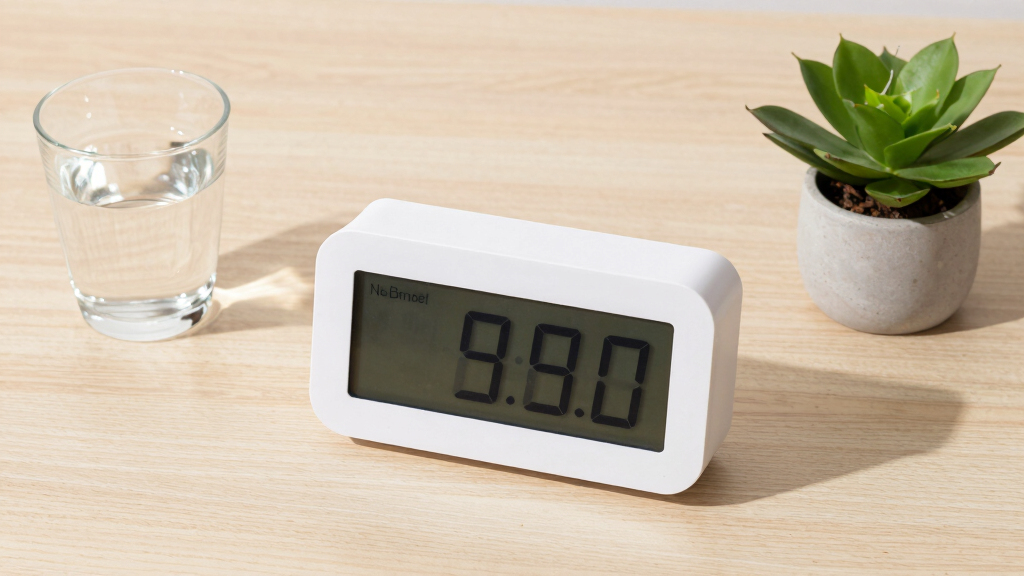
Talking clocks are simple devices that announce the time aloud, often at regular intervals or on demand. They’re especially helpful for those with visual impairments or cognitive challenges, making time visible and audible without guesswork.
Picture a busy morning — you’re cooking breakfast, and the clock chimes, “It’s 8:30 AM” right when you need to start your medication. That’s the everyday magic these devices bring, turning time from a silent, elusive concept into a clear, accessible cue.
For example, a senior aiming to take medication at 9 AM can set a talking clock to announce the hour, ensuring they don’t miss it. These devices support independence by reducing reliance on others for timekeeping.
As an affiliate, we earn on qualifying purchases.
Different Types of Reminder Devices and Which Fits Your Life
Not all reminder devices are created equal. Here’s a quick comparison to help you choose:
| Device Type | Best For | Key Features |
|---|---|---|
| Standalone Talking Clocks | Simple time announcements, basic routines | Voice prompts, customizable alerts, easy to use |
| Smart Assistants (e.g., Alexa, Google) | Complex routines, voice control, integrations | Reminders, timers, voice commands, smart home control |
| Wearable Devices | On-the-go reminders, activity tracking | Voice prompts, alerts, fitness tracking |
| Mobile Apps | Custom routines, medication alerts | Spoken alerts, scheduling, easy setup |
For example, a busy caregiver might prefer a smart speaker to manage multiple routines, while a senior with visual impairment might rely on a dedicated talking clock for simplicity.
Choosing the right device depends on your lifestyle, tech comfort level, and specific needs.
smart reminder device for medication
As an affiliate, we earn on qualifying purchases.
As an affiliate, we earn on qualifying purchases.
How to Set Up and Use Reminder Devices in 3 Easy Steps
- Identify your routine needs: Do you need reminders for medication, appointments, or chores? Decide what you want to automate.
- Choose your device: Pick based on your lifestyle—smart speaker, dedicated clock, or app.
- Customize your reminders: Set times, choose voice options, and test alerts to ensure they’re clear and timely.
For example, you might set a smart speaker to remind you to drink water every two hours, or program a talking clock to announce meal times. The key is clarity and consistency.
Once set, try a few reminders to ensure they work as expected. Adjust volume, timing, or wording if needed. The goal? Make routines automatic so you can focus on enjoying your day.
voice-activated alarm clock for seniors
As an affiliate, we earn on qualifying purchases.
As an affiliate, we earn on qualifying purchases.
Why Personalization and Integration Make These Devices More Effective
Talking clocks and reminders are more helpful when they’re tailored to your habits. Modern devices learn your routines and adjust alerts accordingly. Imagine a device that suggests reminders for your medication times based on when you typically take it—no more guesswork.
Integration with smart home systems adds another layer of convenience. Set a reminder for your morning coffee, and your smart lights turn on, the thermostat adjusts, and your favorite playlist starts—automating your entire morning routine.
According to an anonymous researcher, personalized reminders significantly increase adherence to routines, especially for seniors managing multiple medications or appointments. The more your devices understand your habits, the more seamlessly they support your daily life.
For instance, a user might receive a gentle reminder to stand up and stretch after sitting at the computer for an hour, helping prevent stiffness and discomfort.
As an affiliate, we earn on qualifying purchases.
The Future of Talking Clocks and Routines: Smarter, More Connected
The future of these devices is bright—more intuitive, more connected, and more helpful. AI-powered features will suggest routines based on your activity patterns, even before you realize you need them. Imagine your device noticing you’re getting a bit forgetful and proactively reminding you of upcoming appointments.
Smart home ecosystems will become more integrated, coordinating lights, alarms, and even medication dispensers based on your routines. It’s like having a personal assistant who anticipates your needs.
Research from the field of aging-in-place tech shows that these developments could help seniors maintain independence longer and improve quality of life. The goal? Making daily routines effortless and less stressful.
Think of a morning where your device not only announces the time but also suggests the best time for your walk, based on weather forecasts and your usual schedule.
Frequently Asked Questions
How do talking clocks and reminders improve daily life?
They provide clear auditory cues that help you manage time, remember medications, and stay on schedule—especially useful if you have vision challenges or memory concerns.Are these devices suitable for elderly users?
Yes, many are designed with simple interfaces, voice control, and customizable alerts, making them accessible and easy for seniors to use.What are the best devices or apps for personalized reminders?
Popular options include smart speakers like Amazon Echo or Google Nest, dedicated talking clocks, and smartphone apps such as Apple Reminders or Google Keep that support voice alerts.Can these devices be integrated into a smart home system?
Absolutely. Most modern devices support integration with smart home ecosystems, allowing you to automate routines and control multiple devices with voice or app commands.Are talking clocks and reminders secure and private?
Privacy varies by device; it’s wise to review each device’s data policies and adjust settings to protect your personal information.Conclusion
In a world where routines keep us grounded, talking clocks and reminder devices act like gentle helpers, whispering the right time and cues just when you need them. They’re simple tools with the power to make your day smoother, safer, and more autonomous.
Imagine a morning where your routine flows effortlessly—your device quietly guiding you, freeing your mind for what truly matters. As these devices grow smarter, they will become even more vital allies in your journey toward independent living.
Fall Picks
fall essentials
As an affiliate, we earn on qualifying purchases.