
TL;DR
Get ready for Prime Big Deal Days — try Prime free
Exclusive member deals on October 6–7, plus fast free delivery. Cancel anytime.
Start your free trialAs an affiliate, we earn on qualifying purchases.
A thoughtfully arranged recovery space at home can improve healing outcomes and emotional well-being. Focus on safety, comfort, lighting, and personalization to create a supportive environment.
Imagine lying in a cozy corner of your home, where every detail is designed to support your healing journey. It’s not just about having a bed—it’s about creating a space that feels safe, calming, and tailored to your needs.
Whether you’re recovering from surgery, illness, or simply seeking a peaceful retreat, setting up a dedicated recovery space can make a world of difference. This guide walks you through practical steps to turn any part of your home into a comforting haven for recovery.
Select a quiet, accessible spot with good light and minimal noise for your recovery space.
Invest in supportive furniture and ergonomic cushions to reduce discomfort.
Prioritize safety by removing hazards and installing grab bars where needed.
Add personal touches and calming elements like plants and soft lighting to boost mood.
Incorporate smart technology and climate control for convenience and comfort.
Pick the Perfect Spot — Why Location Matters for Recovery Comfort
Choosing the right location is the foundation of a good recovery space. Look for a quiet corner with minimal foot traffic, away from noisy appliances or busy hallways. A space with good natural light during the day helps lift your mood and supports better sleep at night.
For example, a sunny corner in the living room or a tucked-away bedroom with a view of greenery can boost your sense of calm. Make sure it’s close enough to essentials like a bathroom and kitchen to avoid unnecessary trips.
Why does this matter? The right location not only facilitates easier access to necessities but also influences your mental state. Being in a peaceful, well-lit environment reduces stress and fatigue, which are critical during recovery. Conversely, a noisy or chaotic space can hinder rest and prolong healing, making the choice of location a strategic decision for overall well-being.
As an affiliate, we earn on qualifying purchases.
Choose Supportive Furniture That Feels Like a Hug
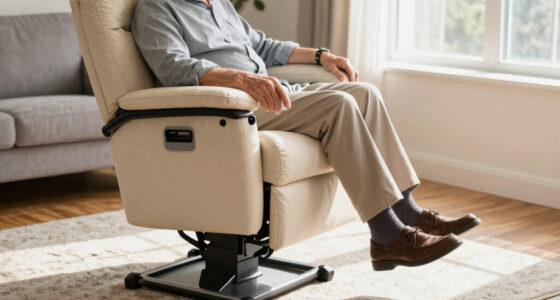
Comfortable furniture isn’t just a luxury—it’s essential. Think supportive beds with adjustable heights, recliners with plush cushions, or ergonomic chairs that reduce strain. Use pillows and cushions to customize comfort—imagine sinking into a memory foam pillow after a long day.
For instance, many recovery spaces feature adjustable beds that help ease movement and reduce pressure points, making daily tasks like getting in and out safer and less tiring.
Why does this matter? Supportive furniture directly impacts your ability to rest properly, which is vital for healing. A supportive bed can alleviate pressure on sensitive areas, reduce discomfort, and promote better sleep. Ergonomic chairs and cushions help prevent strain and fatigue, especially when mobility is limited. The tradeoff often involves balancing comfort with practicality; for example, adjustable beds may be more expensive but significantly enhance comfort and safety, making the investment worthwhile for long-term recovery.
As an affiliate, we earn on qualifying purchases.
Light It Right — How Good Lighting Supports Healing and Rest
Lighting shapes how you feel in your recovery space. Maximize natural sunlight during the day—its bright, warm glow energizes and lifts spirits. In the evening, switch to soft, warm lamps that create a cozy, calming ambiance.
For example, installing dimmable fixtures allows you to adjust brightness for reading or winding down, helping improve sleep quality and relaxation.
Why is lighting so important? Proper lighting not only influences mood but also affects circadian rhythms—your body’s internal clock. Poor lighting can cause fatigue and disrupt sleep patterns, delaying recovery. Dimmable lights give you control over your environment, enabling you to adapt lighting to different activities and times of day. Expert consensus suggests that good lighting can reduce stress and fatigue, which are common during recovery, and support faster healing by promoting restful sleep.
As an affiliate, we earn on qualifying purchases.
Stock Up on Essentials — What Needs to Be Close at Hand
Having everything you need within reach makes recovery smoother. Keep medications, wound dressings, and health supplies nearby—preferably in labeled containers for quick access. Include hydration options like water bottles or herbal teas, plus healthy snacks to keep energy levels steady.
Entertainment like books, tablets, or a TV can distract and comfort during downtime. For example, a small side table next to your recliner or bed ensures your essentials are always accessible without unnecessary movement.
Why does proximity matter? When essentials are within arm’s reach, you minimize unnecessary movement, which reduces the risk of strain or accidents. This is especially crucial if mobility is limited. Easy access also prevents frustration and helps maintain independence. The tradeoff involves balancing accessibility with organization; too many items in one spot can create clutter, but thoughtful placement ensures safety and convenience, ultimately supporting a smoother recovery process.
As an affiliate, we earn on qualifying purchases.
Safety First — Easy Fixes to Prevent Falls and Accidents
Safety is non-negotiable. Clear clutter, secure loose rugs, and install grab bars near the bathroom or bed. Proper lighting prevents trips—think nightlights along pathways and in hallways.
For example, adding a sturdy handrail by the stairs or a non-slip mat in the shower can prevent common accidents. Keep emergency contacts and a phone within easy reach, so help is just a quick call away.
Why focus on safety? Falls and accidents can significantly delay recovery and worsen injuries. Simple modifications like grab bars and secure rugs create a safer environment, fostering confidence and independence. The research shows that these small but effective changes can cut fall risk by nearly 40%, emphasizing their importance. Investing time in safety precautions is a proactive step that can prevent setbacks and promote a more secure recovery environment.
Make It Personal — How Personal Touches Boost Mood and Dignity
Adding personal touches turns a generic room into a comforting retreat. Photos of loved ones, favorite blankets, or small plants create a sense of familiarity. Aromatherapy diffusers with calming scents like lavender can soothe the mind and body.
Picture a recovery corner decorated with cheerful colors, soft textiles, and a few treasured mementos—these small details can ease stress and promote a positive outlook.
Why does personalization matter? Incorporating personal items fosters a sense of control and normalcy during a vulnerable time. It helps preserve dignity by creating a space that feels uniquely yours, counteracting feelings of helplessness. The tradeoff involves balancing personal touches with simplicity; clutter can overwhelm, so select meaningful items that evoke comfort without creating chaos. Personalization enhances emotional well-being, which is crucial for a holistic recovery process.
Control the Climate — Keeping Your Space Comfortable All Day
Temperature affects comfort and healing. Use fans or heaters to maintain a steady, cozy environment. An air purifier can improve air quality, especially if allergies or sensitivities are involved.
Imagine a space that feels just right—cool enough to breathe easily, warm enough to relax. This small adjustment can reduce fatigue and support better sleep, both critical for recovery.
Why is climate control important? Fluctuations in temperature can cause discomfort and disrupt sleep, prolonging recovery. Air quality impacts respiratory health, especially for those with allergies or sensitivities. Investing in climate control devices like fans, heaters, or purifiers creates an environment conducive to healing. The trend toward integrated climate technology highlights its significance in creating optimal recovery conditions, reducing stress, and supporting overall health.
Stay Connected — Use Tech to Support Recovery and Peace of Mind
Smart home tech makes recovery safer and more manageable. Voice-activated assistants can turn on lights or play calming music. Reliable Wi-Fi allows for virtual doctor visits and keeping loved ones updated.
Set up a dedicated corner with easy-to-use devices—like a tablet or smart speaker—so you can control your environment without hassle. This tech can help you feel more independent and connected during recovery.
Why does technology matter? Tech integration promotes independence by simplifying daily tasks and reducing reliance on others. It also provides reassurance through easy communication with healthcare providers and loved ones, which can alleviate feelings of isolation. The tradeoff involves ensuring devices are user-friendly and secure; overly complex systems might cause frustration. When used thoughtfully, smart technology can significantly enhance comfort, safety, and emotional support during recovery.
Keep Your Space Green — The Power of Plants and Natural Elements
Adding greenery can transform your recovery space into a calming oasis. Plants like aloe vera or snake plants improve air quality and bring a natural touch. They also provide a gentle, non-intrusive aesthetic that soothes the mind.
For example, a small potted plant on a side table offers a sense of life and vitality—perfect for emotional comfort during recovery.
Why incorporate plants? Natural elements like plants have been shown to reduce stress, improve air quality, and promote mental well-being. They serve as living reminders of growth and renewal, which can be incredibly uplifting during a challenging time. The tradeoff involves maintenance and potential allergies; choosing low-maintenance, non-toxic plants minimizes these concerns. Overall, greenery supports a peaceful, restorative environment that nurtures both body and mind.
Sustainable Choices — Eco-Friendly Materials for a Healthy Space
Choose furniture and decor made from non-toxic, eco-friendly materials. Natural fabrics, low-VOC paints, and sustainable woods create a healthier environment, especially important during prolonged recovery periods.
Imagine a room where every element—from bedding to paint—is safe and gentle on your breathing. This not only supports physical health but also promotes peace of mind.
Why prioritize sustainability? Eco-friendly materials reduce exposure to harmful chemicals that can cause irritation or allergies, especially during extended stays in your recovery space. They also contribute to environmental health, aligning with a holistic approach to wellness. The tradeoffs may include higher upfront costs or limited choices, but the long-term health benefits and environmental impact make sustainable options a wise investment for a healing environment.
Frequently Asked Questions
How do I create a recovery space on a tight budget?
Start by decluttering and repurposing existing furniture. Focus on making the space clean, organized, and cozy with personal touches like photos or blankets. Small affordable updates like new lamps or slipcovers can make a big difference.
What are the must-have items for a recovery space?
A comfortable bed or recliner, easy access to medications and essentials, safety features like grab bars, and entertainment options like books or tablets are key to making the space functional and comforting.
How can I make the space more calming and stress-reducing?
Use soothing colors, add plants or calming scents like lavender, and incorporate soft lighting. Personal items that bring joy also help create a peaceful atmosphere conducive to healing.
What safety precautions should I consider?
Remove clutter and tripping hazards, install grab bars in bathrooms, ensure good lighting at all times, and keep emergency contacts nearby. These small steps significantly reduce fall risk and promote independence.
How do I adapt the space for different recovery needs?
Tailor your furniture, supplies, and decor to specific needs—such as a quiet corner for mental health or medical equipment for physical recovery. Flexibility ensures your space supports your unique healing journey.
Conclusion
Your recovery space should be a sanctuary that promotes healing and preserves your dignity. Thoughtful choices in furniture, safety, lighting, and personalization turn any corner of your home into a supportive environment.
Remember: small adjustments today create a foundation for a smoother, more peaceful recovery. Make your home your healing haven—it’s worth it.
Fall Picks
fall essentials
As an affiliate, we earn on qualifying purchases.