TL;DR
Prime for Young Adults — start your free trial
Fast free delivery, streaming and member deals for eligible 18–24 year olds.
Try it freeAs an affiliate, we earn on qualifying purchases.
Reducing pressure points while resting involves adjusting your position regularly, using supportive mattresses and cushions, and incorporating smart or specialized products. These strategies help prevent discomfort and health issues like pressure sores.
Regularly changing position every 30 minutes prevents prolonged pressure buildup.
Supportive mattresses and cushions mold to your body, evenly distributing weight.
Small position adjustments, like pillow placement or shifting, can dramatically increase comfort.
Smart beds and pressure sensors offer personalized relief and reduce discomfort.
Healthy habits, including weight management and movement, lower pressure-related health risks.
How to Reduce Pressure Points While Resting
Comfort is a moving target. Redistribute your weight regularly, support vulnerable areas, and use surfaces that contour without trapping the body in one position.
Pressure becomes a problem when it stays put.
Body weight concentrated over a small area can restrict blood flow. The longer the contact continues, the greater the chance of soreness, numbness and tissue stress.
Where the body needs backup
Align first. Cushion second. Reposition always.
The best setup keeps the spine neutral, prevents bony areas from pressing together and spreads weight over a larger surface.
Separate the knees
Use a supportive head pillow and place another pillow between the knees to align the hips and reduce knee-on-knee contact.
Float the lower back
Place a pillow under the knees to relax the lower back. Consider gentle heel support so the heels do not take the full load.
Use sparingly
Stomach sleeping can rotate the neck and load the hips. If unavoidable, use thin, carefully placed support and change position regularly.
Match the material to your body—not the trend.
Contour, temperature, responsiveness and body weight all affect how supportive a mattress feels. The best option reduces concentrated load without making movement difficult.
| Support type | Pressure distribution | Cooling | Responsiveness | Key limitation |
|---|---|---|---|---|
| Memory foam | ✓ Excellent contouring | ~ Varies by design | ~ Slower rebound | ✗ May retain heat or feel soft |
| Latex | ✓ Even, buoyant support | ✓ Naturally ventilated | ✓ Quick response | ✗ Heavier and often costlier |
| Gel-infused foam | ✓ Contours and spreads load | ✓ Cooler surface feel | ~ Moderate response | ~ Support varies by density |
| Alternating pressure | ✓ Cycles loaded areas | ~ Product dependent | ✓ Active adjustment | ✗ Specialized and more complex |
Seat cushion
Contoured foam can spread sitting pressure. Avoid any shape that concentrates load at its edge.
Heel support
Position support beneath the lower leg so the heel is cushioned or gently unloaded.
Gel padding
Soft pads reduce direct contact with hard armrests and bed surfaces.
Positioning pillow
Use between knees, behind the back or under the knees to maintain comfortable alignment.
Small shifts create meaningful relief.
These relative indicators show how consistently each strategy helps manage prolonged pressure. Combine them rather than relying on one intervention alone.
A layered prevention plan
Illustrative comparison based on the practical role of each strategy.
Start with 30 minutes
Adjust sooner if you notice discomfort, numbness, heat or skin changes.
Five habits that protect your resting time.
Consistency matters more than dramatic adjustments. A timer, a few strategic supports and regular body checks create a repeatable routine.
Set a reminder
Use a timer during long periods of sitting or lying down.
Shift before pain
Lean, roll or lift slightly to move pressure to a new area.
Stretch gently
Extend the legs, move the ankles and open the shoulders.
Check support
Replace compressed pillows and reposition sliding cushions.
Support health
Movement, nutrition and condition management aid tissue resilience.
Technology can notice what the resting body misses.
Smart surfaces and wearables can monitor position, prompt movement and adjust support. They supplement attentive care; they do not replace regular checks or clinical advice.
Support the body well—and never let one spot carry the load for too long.
Repositioning is the foundation. Add a responsive surface, targeted cushions, good alignment and gentle movement to turn resting into a safer, more restorative experience.
Why Your Body Gets Sore From Pressure Points (And How It Happens)
Pressure points are areas where your body presses against a surface for too long. Imagine sitting on a hard bench for hours—your hips and tailbone feel the strain. That’s because your weight isn’t evenly distributed. When pressure stays in one spot, blood flow can slow or stop, leading to discomfort or even tissue damage. According to an anonymous researcher, prolonged pressure without relief can cause tissue ischemia—essentially, tissues starving for oxygen and nutrients. This is why understanding pressure points is key to staying comfortable and avoiding health issues, especially for those who are less mobile.
As an affiliate, we earn on qualifying purchases.
How to Find and Avoid Your Top Pressure Spots
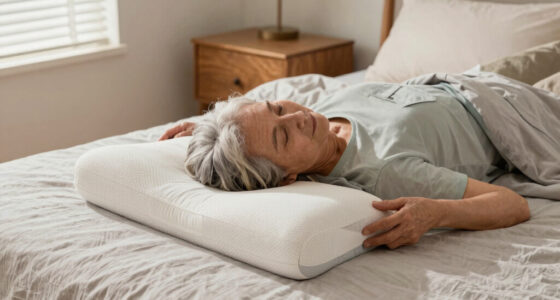
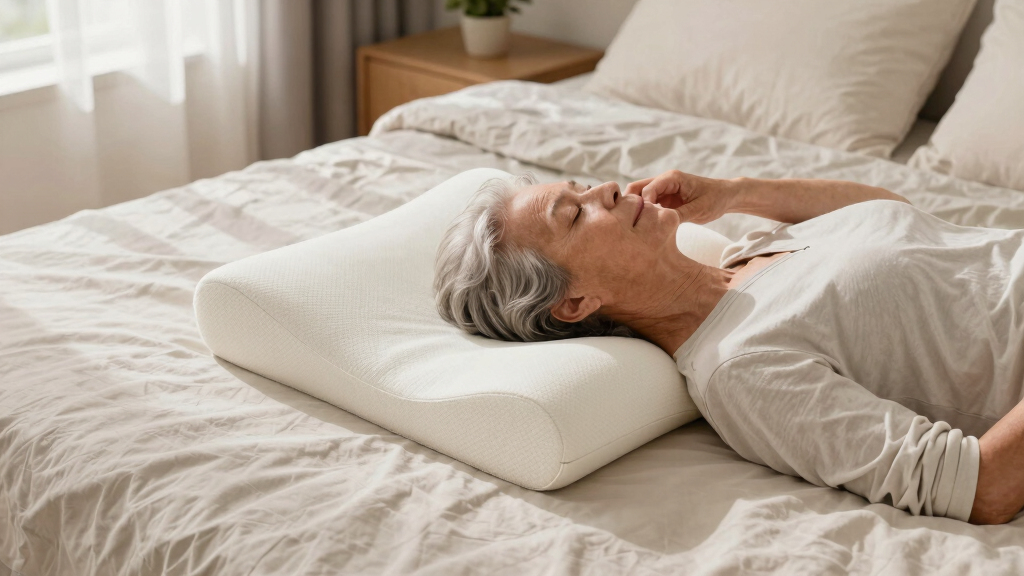
First, identify your common pressure points—hips, shoulders, elbows, knees, and heels often top the list. For example, if you tend to lie on your side, your shoulder and hip might bear the brunt. To prevent discomfort, try changing your position every 30 minutes. When lying on your side, place a pillow between your knees to keep hips aligned and reduce strain. If you sleep on your back, a pillow under your knees can ease lower back pressure. Think of your body like a car—distribute weight evenly, and avoid staying in one gear too long.
As an affiliate, we earn on qualifying purchases.
Positioning Tricks That Keep You Comfortable All Night
Proper positioning is your best friend. For side sleepers, a firm pillow under your head and between your knees keeps your spine aligned and relieves shoulder and hip pressure. Back sleepers benefit from a pillow under the knees, which relaxes the lower back. If you prefer stomach sleeping, try to minimize it—this position can strain your neck and hips. Remember, small adjustments like shifting your shoulder or hip slightly can prevent persistent pressure. Think of it like adjusting a bike saddle—small tweaks make a big difference in comfort.
As an affiliate, we earn on qualifying purchases.
The Best Supportive Surfaces for Resting Comfort
| Support Type | Pros | Cons |
|---|---|---|
| Memory Foam Mattress | Contours to body, reduces pressure, excellent for side sleepers | Can retain heat, may feel too soft for some |
| Latex Mattress | Responsive, durable, naturally cooling | Heavier, more expensive |
| Gel-Infused Foam | Distributes pressure evenly, cools surface | Less supportive for heavier individuals |
Choosing the right surface is like finding the perfect pair of shoes—supportive, comfortable, and suited to your needs. Memory foam and latex mattresses are popular because they mold to your body, minimizing pressure points. Gel-infused options add cooling and extra contouring, ideal for those who tend to get hot or need extra pressure relief. Think of these as your personal comfort team, ready to cushion your body and keep pressure at bay.
ergonomic support pillows for pressure points
As an affiliate, we earn on qualifying purchases.
As an affiliate, we earn on qualifying purchases.
Cushions and Padding That Make Resting Easier
Specialized cushions and pads can target specific pressure points. For example, a donut cushion relieves pressure from the tailbone and sit bones, perfect for those with limited mobility. Gel pads on heels or elbows soften contact points, preventing soreness. When sitting for long periods, a memory foam seat cushion can prevent numbness and discomfort. Think of these as gentle pillows for your body’s trouble spots—like giving a hug where it hurts most.
Simple Habits That Keep Pressure Off Your Body
Changing your position every 30 to 60 minutes is a game-changer. Set a timer or use a reminder—your body will thank you. Incorporate gentle stretching or shifting your weight slightly. For example, when watching TV, shift from one side to the other or stretch your legs out. These small habits keep blood flowing and prevent long-term pressure buildup. Imagine your body like a garden—regular watering and movement keep everything healthy.
Lifestyle Choices That Reduce Pressure Risks
Maintaining a healthy weight reduces excessive pressure on hips, knees, and heels. If you have circulatory issues or diabetes, managing your health can prevent pressure sores. For example, staying within a healthy weight range lessens strain, much like a well-balanced load on a truck. Regular exercise, proper nutrition, and managing health conditions support your body’s ability to avoid harmful pressure buildup during rest.
Tech and Innovations That Help You Stay Comfortable
Smart beds and pressure sensors are changing how we rest. Some beds adjust firmness automatically based on your position, redistributing weight in real-time. Wearable devices track your movements and alert you when you’ve been in one position too long. According to recent advances, these tools can reduce pressure-related discomfort by up to 50%, especially for those with limited mobility or at risk for pressure sores. Think of technology as your personal comfort assistant, constantly fine-tuning your rest environment.
Frequently Asked Questions
How often should I change my position when resting?
Aim to shift or adjust your position every 30 to 60 minutes. Setting a timer can help remind you, especially during long periods of sitting or lying down.What type of mattress is best for reducing pressure points?
Memory foam and latex mattresses are highly recommended because they contour to your body, distributing weight evenly and minimizing pressure spots.Are there specific cushions that help prevent pressure sores?
Yes, donut cushions, gel pads, and memory foam seats are designed to relieve pressure on sensitive areas like the tailbone, heels, and elbows. Choose based on your specific needs.Can technology really help with pressure relief?
Absolutely. Smart beds and sensors monitor your position and automatically adjust support, helping prevent discomfort and pressure sores, especially for those with mobility challenges.What are signs I might have problematic pressure points?
Look for persistent numbness, tingling, soreness, or skin discoloration. If discomfort lasts or worsens, it could indicate pressure buildup needing attention.Conclusion
Think of your body as a delicate sculpture—support it well, keep moving, and don’t let any one spot bear the weight for too long. Simple adjustments and smart choices turn resting into a safe, soothing experience. Your comfort isn’t just a luxury; it’s a vital part of feeling good every day. Make each rest moment count, and your body will thank you with less pain and more vitality.Fall Picks
fall essentials
As an affiliate, we earn on qualifying purchases.