
TL;DR
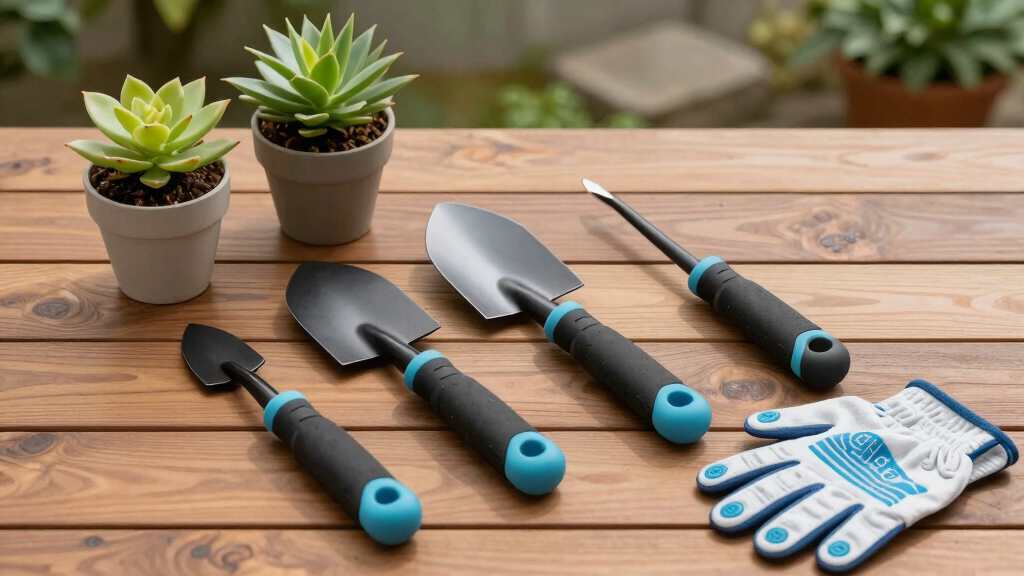
Ergonomic garden tools are designed to reduce strain and fatigue, making gardening more comfortable—especially for sore hands. Features like cushioned grips and lightweight materials matter, and recent innovations further improve ease of use. Investing in these tools can transform your gardening experience.
Imagine planting your favorite flowers or tending to vegetables, only to be stopped by aching hands or sore fingers. Gardening should be a joy, not a pain. That’s where ergonomic garden tools come into play—designed specifically to help you garden comfortably, regardless of hand pain or limited grip strength.
In this guide, you’ll learn what features make these tools effective, recent innovations that boost ease of use, and practical tips for choosing the right tools. Whether you’re an avid gardener or just starting, these insights will help you keep your hands happy and your garden thriving.
Ergonomic garden tools feature cushioned, contoured handles that fit naturally in your hand, reducing strain.
Recent innovations like lightweight composites and multi-function designs make gardening easier for sore hands.
Choosing tools with larger, non-slip grips and spring-assisted mechanisms can significantly cut down fatigue.
Proper maintenance—cleaning, sharpening, storing—keeps ergonomic tools working smoothly for years.
Investing in ergonomic tools can turn gardening from a painful chore into a joyful, pain-free activity.
Ergonomic Garden Tools for Sore Hands
Gardening should feel restorative—not punishing. Cushioned grips, natural wrist angles, lightweight materials and assisted mechanisms can reduce the effort behind every dig, cut and pull.

WORKPRO Hand Weeder Puller, 5-in-1 Stainless Steel Garden Trowel with Soft Handle, Gardening Weeding Tool for Easy Weeder Removal, Planting, Weeding, Flower & Vegetable Care in Garden Lawn Yard
5-IN-1 Garden Weeding Trowel: This garden hand weeding tool is specially designed with a fork head. At the…
As an affiliate, we earn on qualifying purchases.
As an affiliate, we earn on qualifying purchases.
Why the right grip feels different
Good ergonomic tools distribute pressure across the hand, keep the wrist closer to neutral and reduce the force needed to control the tool. The result is less localized stress on fingers, joints and tendons.
Large, non-slip handles
Thicker rubber or gel grips require less squeezing, reduce pressure points and remain easier to control when hands are damp.
Fit check: too large can feel bulkyContoured shapes
Curved or angled handles follow the hand’s natural position, limiting awkward wrist angles during digging, weeding and planting.
Best test: keep wrist straight in useSpring or ratchet assist
Assisted pruners spread a cut across smaller stages, reducing repeated squeezing and helping gardeners work longer.
Balance assistance against added weight
Taeku Foam Handle Grip Covers, 1 Pair Anti-Slip NPVC Tubing Sleeves Comfort Grip for Fitness Equipment, Garden Tools, Stroller Handles 7in
Premium Durable Foam for All-Day Comfort: Crafted from high-quality NPVC foam with EPDM rubber reinforcement, these handle grips…
As an affiliate, we earn on qualifying purchases.
As an affiliate, we earn on qualifying purchases.
Regular vs. ergonomic tools
Ergonomic improvements directly target the most common sources of discomfort: thin grips, excess weight, poor wrist alignment and high force requirements.
| Feature | Regular garden tools | Ergonomic garden tools |
|---|---|---|
| Grip design | ✗Thin, standard handles | ✓Thick, cushioned and contoured |
| Weight | ✗Often tiring over long sessions | ✓Light composites reduce fatigue |
| Wrist position | ✗May encourage awkward angles | ✓Promotes natural alignment |
| Effort required | ✗More squeezing and force | ✓Spring and ratchet options |
| Long-session comfort | ✗Pressure concentrates in fingers | ✓Pressure spreads across the hand |

Heavy Duty Gardening Tools – Gardening Gifts for Women, Men, Mom, Dad – Durable, Ergonomic Garden Tools Set (Green)
IDEAL GIFTS FOR MEN, WOMEN – Our gardening tools set is the ultimate gift for any men women…
As an affiliate, we earn on qualifying purchases.
As an affiliate, we earn on qualifying purchases.
Innovation aimed at easier effort
Today’s improvements combine comfort, strength and efficiency. This relative-impact guide shows where each innovation can make the biggest practical difference for sore hands.
Conceptual impact scale for comparing benefits; bars do not represent laboratory measurements.

DECERK® 8.5" Professional Pruning Shears – Cuts 4X Easier with Ultra Sharp Japanese Steel Titanium Blade, Arthritis Friendly Garden Scissors & Plant Clippers, Effortlessly Prunes 3/4" Branches
Unbreakable sharpness! Japanese SK5 steel blade with titanium coating endures 100,000 cuts. Built for lifelong clean cuts
As an affiliate, we earn on qualifying purchases.
As an affiliate, we earn on qualifying purchases.
Choose for your hand—not the shelf
Name the task
Start with the job you repeat most: digging, pruning, planting or weeding.
Match hand size
Choose a grip diameter that feels secure without stretching your fingers.
Check alignment
Hold the tool in working position and look for a straight, relaxed wrist.
Test the action
Open, close and lift it repeatedly. Assistance should outweigh added bulk.
Inspect durability
Favor rust-resistant metal, secure joints and replaceable parts where possible.
Keep every movement smooth
Clean
Remove soil and sap after use. Dry metal thoroughly before storage.
Sharpen
Maintain cutting edges so each action needs less squeezing and force.
Lubricate
Oil pivots, springs and ratchets lightly to preserve smooth assistance.
Store
Keep tools dry, protected and safely suspended away from damp soil.
What makes ergonomic garden tools feel so good in your hands?
Ergonomic garden tools are crafted with your comfort in mind. They feature cushioned, contoured grips that fit naturally in your hand. Soft materials like rubber or gel padding absorb shock, reducing the jarring feeling when you dig or prune. Imagine holding a lightweight trowel with a thick, non-slip handle that doesn’t strain your fingers—this is the essence of ergonomic design.
For example, a gardener with arthritis found that switching to a trowel with a curved, padded handle cut her wrist pain in half. Simple design tweaks like these make a big difference, turning gardening from a chore to a pleasure.
How do grip and handle features help sore hands? Try these 3 game-changers
- Large, non-slip handles: These give you a better grip, so you don’t have to squeeze as hard, reducing fatigue. When your grip is more secure, you can exert less force to hold or manipulate tools, which is crucial for those with limited hand strength or arthritis. The tradeoff is that larger handles may feel bulkier for some users, so finding a size that fits comfortably is key. The importance of this feature lies in its ability to distribute pressure more evenly across your hand, decreasing localized stress on joints and tendons, thereby preventing pain and long-term joint damage.
- Contoured shapes: Handles that follow the natural curve of your hand promote a neutral wrist position, decreasing strain on joints and tendons. This alignment is vital because improper wrist angles during gardening can exacerbate existing joint issues or lead to repetitive strain injuries. Properly contoured handles help maintain correct wrist posture, which not only reduces immediate discomfort but also protects against future joint degeneration.
- Spring-assisted mechanisms: Tools with built-in springs or ratchets lessen the effort needed for pruning or digging, perfect for limited hand strength. These mechanisms distribute force more evenly across the hand and reduce the squeezing effort, which is especially important for people with arthritis or weakened grip. However, they can sometimes add complexity or weight to tools, so balancing ease of use with weight considerations is essential. The key implication is that such features can extend your gardening time without pain, but may require a learning curve or maintenance to ensure longevity.
Take a gardener with limited grip strength—she swapped her old pruners for ratcheting ones, which required half the effort. Her hands felt less tired, and she could work longer without pain. Understanding these features helps you select tools that align with your specific needs and limitations, making gardening a more sustainable activity.
Comparison table: Regular vs. ergonomic garden tools — which really helps sore hands?
| Feature | Regular Garden Tools | Ergonomic Garden Tools |
|---|---|---|
| Grip design | Standard, thin handles | Thick, cushioned, contoured handles |
| Weight | Heavier, harder to hold for long | Lightweight materials reduce fatigue |
| Wrist positioning | Often awkward or unnatural | Promotes natural wrist alignment |
| Effort required | More squeezing and force | Less effort, spring-assisted options |
For someone with sore hands, ergonomic tools dramatically lower the effort needed, making gardening more manageable and less painful. The design improvements target the common sources of hand fatigue and joint strain—such as poor grip, awkward wrist angles, and excessive force—by addressing these issues directly. This means you can work longer and more comfortably, reducing the risk of developing repetitive strain injuries. While ergonomic tools might cost more initially, their ability to prevent pain and injury offers long-term benefits, including fewer trips to the doctor and more enjoyable gardening sessions.
What are the latest innovations making ergonomic garden tools easier to use?
Recent advances focus on reducing fatigue and increasing ease of use. Gel-filled handles offer shock absorption, which helps prevent joint pain from repeated impacts, especially during prolonged use. Lightweight composites like carbon fiber cut down weight without sacrificing strength, allowing longer use with less fatigue—crucial for those with sore hands or arthritis. Multi-functional tools—like pruning shears that also serve as scissors—mean fewer tools to hold and manage, streamlining your gardening process and reducing hand strain. These innovations not only enhance comfort but also improve efficiency, enabling gardeners to accomplish more with less effort and discomfort.
Eco-conscious manufacturers now craft tools from recycled plastics and sustainable metals. One gardener reported that a carbon fiber cultivator was so lightweight she could work for hours without discomfort, a game-changer for her aching hands. These technological and sustainable advancements are making ergonomic gardening tools more accessible and effective for everyone, emphasizing durability, eco-friendliness, and user comfort.
What should you look for when buying ergonomic garden tools?
Choosing the right tools depends on your specific needs. Look for handles that fit your hand size and are padded or contoured for comfort. Lightweight materials help reduce fatigue, especially if you garden for extended periods. Consider the types of tasks you perform most often—whether digging, pruning, or planting—and select tools designed for those activities with ergonomic features. Testing different grip styles in-store can provide a better sense of what feels most natural and reduces strain, helping you avoid tools that might cause discomfort or require excessive force.
Remember, the best ergonomic tool for one person might not be ideal for another. Prioritize comfort, ease of use, and durability to ensure your investment pays off over time. Think about your typical gardening routines and choose tools that support those activities while minimizing stress on your hands and wrists. This careful selection not only enhances your gardening experience but also helps prevent injuries and long-term joint issues.
How do I keep my ergonomic tools working like new?
Proper maintenance extends your tools’ lifespan and ensures consistent performance. Clean blades after use with soapy water, then dry thoroughly to prevent rust. Regularly sharpen cutting edges to maintain a clean, effortless cut—dull blades require more force, which can strain your joints and exacerbate pain. Store tools in a dry place, ideally hanging or in a padded container, to prevent damage and corrosion. Check handles for cracks or wear, and replace or repair damaged parts promptly. A well-maintained tool not only performs better but also lasts longer, saving money and reducing frustration. Investing a little time in proper care ensures your ergonomic tools continue to support your gardening efforts effectively and safely.
One gardener kept her tools in a padded case, avoiding rust and damage—her favorite pruners still cut like new after three years, demonstrating how consistent maintenance pays off over the long term. Regular upkeep minimizes the need for costly replacements and keeps your gardening experience smooth and pain-free.
Frequently Asked Questions
Are ergonomic garden tools worth the cost for sore hands?
Absolutely. They can reduce pain, fatigue, and the risk of injury, making gardening more enjoyable and less taxing, especially if you suffer from arthritis or hand weakness.
What features are most important in ergonomic garden tools?
Look for padded, larger handles, lightweight materials, and mechanisms that reduce effort, like ratcheting or spring-assisted features. These help ease strain during prolonged use.
Can ergonomic tools help with arthritis?
Yes, many are specifically designed for arthritis sufferers, with features that minimize squeezing and wrist twisting, making gardening safer and more comfortable.
How do I pick the best ergonomic tools for my garden tasks?
Assess your hand size, strength, and the specific gardening chores you do most. Testing tools in-store or reading reviews can guide you toward the best fit for your needs.
How should I care for my ergonomic garden tools?
Clean blades after each use, sharpen regularly, and store in a dry, safe place. Proper care keeps tools effective and extends their life, saving you money and frustration.
Conclusion
Gardening should nourish your soul, not wear out your hands. Ergonomic tools, with their thoughtful design and recent innovations, make it possible to garden comfortably at any age or ability.
Keep your hands happy, your garden thriving, and remember—sometimes, a simple tool change makes all the difference. Why not give your hands the comfort they deserve, and enjoy every moment in your garden?