
TL;DR
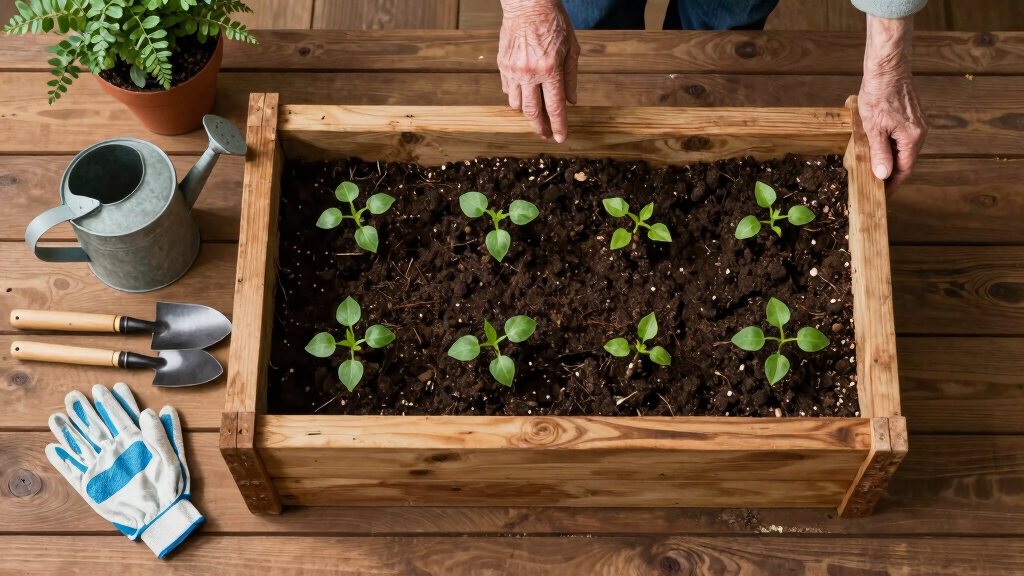
A raised garden bed designed for easy reach boosts accessibility and reduces strain. Choosing the right height, materials, and layout makes gardening safer and more enjoyable for everyone.
Ever tried bending down to tend a garden, only to feel that familiar twinge in your back or knees? If so, you’re not alone. Many older adults and family caregivers find that a well-designed raised garden bed can turn gardening from a chore into a joy. It’s about more than just planting—it’s about creating a space where everyone can reach comfortably, enjoy fresh herbs, colorful flowers, or fresh vegetables without hassle.
In this guide, you’ll discover how to build a raised garden bed tailored for easy access. From choosing the right height to smart material choices, these tips will help you craft a garden that’s safe, practical, and inviting—no matter your age or mobility level.
Choose a height between 12-24 inches for easy reach and comfortable gardening.
Select durable, safe materials like cedar or recycled plastics to extend your bed’s lifespan.
Position your bed in a sunny, well-drained spot with enough space for easy movement.
Use a simple step-by-step process to build your raised bed—measure, cut, assemble, and fill.
Incorporate accessibility features like wide pathways and ergonomic tools for safer gardening.
Pick the Perfect Spot for Your Raised Bed — Sun, Drainage, and Accessibility Matter
Choosing the right location is the first step. Your raised bed should bask in at least 6 hours of sunlight daily, ideally in a spot shielded from strong winds. Think about how you’ll access it—close to your water source and with enough space to move around comfortably. Imagine a sunny corner of your yard, with a clear path leading to it, free from obstacles like hoses or garden tools.
Good drainage is vital. Avoid low-lying areas that stay soggy after rain. Elevating your bed on a slight slope or a sturdy base ensures water drains away, keeping roots happy and healthy. Proper placement not only affects plant health but also impacts your ease of maintenance and safety; standing water can cause slips, and poor sunlight can lead to weak, leggy plants. Accessibility is intertwined with placement—placing the bed in a reachable, open area minimizes strain and makes regular care more manageable.
raised garden bed kit for accessibility
As an affiliate, we earn on qualifying purchases.
As an affiliate, we earn on qualifying purchases.
How Tall Should Your Raised Garden Bed Be? Find Your Sweet Spot
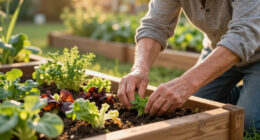
Raised beds between 12 and 24 inches high strike the perfect balance for easy reach. Taller beds reduce the need to bend, making planting, watering, and harvesting more comfortable, especially for those with back issues or limited mobility. For example, a 20-inch-high bed allows most adults to work comfortably without stooping, decreasing physical strain and fatigue. However, height isn’t just about comfort—it also affects soil quality and root development. Deeper beds can support larger plants and improve drainage, but they may require more soil and effort to fill.
If you or your loved ones have mobility challenges, leaning or sitting while gardening can be easier. Some gardeners prefer adjustable heights or tiered designs, which can be customized over time to accommodate aging or changing needs. The tradeoff is that more complex designs might cost more or require extra maintenance, but they offer long-term flexibility and comfort.
Think of a friend who installed a 15-inch bed close to her patio, letting her tend her herbs without bending over—a simple change that made gardening accessible again. The key is balancing ease of access with the capacity to grow a variety of plants, ensuring the garden remains practical and enjoyable over time.
As an affiliate, we earn on qualifying purchases.
Build It Right: Materials That Last and Keep You Safe
Choosing the right materials ensures your garden lasts and stays safe. Cedar is a favorite because it naturally resists rot and pests, meaning less maintenance and fewer chemical treatments. Recycled plastics and composite woods are also durable, eco-friendly options that won’t leach harmful substances into your soil, helping you avoid potential health risks for food-growing beds. The material choice impacts not just longevity but also safety—splinter-free, smooth surfaces reduce the risk of injury.
Avoid treated woods with chemical preservatives, as these can seep into your plants and soil, potentially entering your food chain or affecting sensitive skin. Imagine a sturdy cedar frame, smooth-sanded and splinter-free, sitting atop a level surface—ready to hold rich soil and happy plants. Durability matters because a weak or rotting frame can collapse or shift over time, creating hazards or requiring costly repairs. Using quality materials also means less frequent replacement, saving money and effort in the long run.
Building a strong, stable frame involves using appropriate fasteners—screws rather than nails—and ensuring the structure is level to prevent wobbling. Consider adding a weed barrier or liner inside to keep pests out and maintain soil health, which supports plant growth and reduces maintenance needs. The materials you select directly influence the safety, stability, and longevity of your garden, making thoughtful choices essential for a successful, worry-free gardening experience.
ergonomic gardening tools for seniors
As an affiliate, we earn on qualifying purchases.
As an affiliate, we earn on qualifying purchases.
Step-by-Step: How to Construct Your Raised Garden Bed in 6 Easy Moves
- Measure and plan: Decide on your size and height, keeping accessibility in mind. For example, a 4-foot by 8-foot bed at 20 inches tall works well for most gardens.
- Gather materials: Choose cedar or recycled plastic, along with screws, a saw, and a level.
- Cut your lumber: Cut four sides to your desired length and height, ensuring all pieces are even.
- Assemble the frame: Use a drill to secure the sides together, keeping it square and level. Proper assembly prevents wobbling and shifting, which can compromise safety and plant health.
- Place your bed: Position it on a flat, cleared area. Add a weed barrier underneath if desired. Proper placement reduces the risk of water pooling or uneven settling, which can affect stability and accessibility over time.
- Fill with soil: Use a mix of compost, peat moss, and perlite — about 50% compost for rich nutrients. Filling with quality soil provides a healthy environment for plants, reducing the need for frequent fertilizing and ensuring vigorous growth.
This simple process turns raw materials into a sturdy, accessible garden space you’ll enjoy for years. Imagine yourself planting carrots or herbs, easily reaching every corner, and knowing that your effort has created a safe, durable environment for your plants and yourself.
raised flower bed with wide pathways
As an affiliate, we earn on qualifying purchases.
As an affiliate, we earn on qualifying purchases.
Design Tips for Easy Maintenance and Safe Access
Making your garden easy to care for involves smart design. Incorporate wide pathways—at least 24 inches—to allow easy movement and reduce the risk of tripping or squeezing through tight spaces. Use ergonomic tools with padded grips to reduce strain on hands and wrists. For example, a gardener with arthritis finds that lightweight, curved-handled tools make all the difference. Proper pathways and tools not only improve comfort but also prevent accidents, especially for those with limited mobility.
Adding a small bench or kneeling pad nearby can prevent unnecessary bending or kneeling, which can cause strain or discomfort over time. Think of it as your personal gardening station—supportive, comfortable, and within reach, reducing the risk of injury and fatigue. Incorporating adjustable height features or tiered beds if you plan to grow different plants can further enhance accessibility, allowing for customization as needs change. These design features collectively promote safer, more comfortable gardening, encouraging consistent care and enjoyment.
Smart Upgrades: Going Beyond Basic Raised Beds
Modern raised beds now come with innovative features. Modular designs let you customize height and shape, which can be particularly useful as your needs evolve or if you want to grow different types of plants. Some beds include built-in watering systems or sensors that monitor soil moisture, providing real-time feedback and reducing the guesswork of watering. For example, a smart bed might alert you when your plants need water, ensuring optimal growth without over- or under-watering.
Eco-friendly trends include using biodegradable liners and recycled materials, which help reduce environmental impact. These choices not only promote sustainability but also often enhance the overall health of your garden by avoiding chemicals leached from synthetic materials. Adjustable heights—such as beds that can be raised or lowered—offer flexibility, accommodating changing physical abilities or garden layouts. Think of these features as investments in long-term comfort and convenience, making gardening accessible at every stage of life.
Key Facts You Need to Know Before You Start
Raised beds improve soil drainage, reduce soil compaction, and can extend your growing season by a few weeks. The ideal height for easy reach is usually between 12 and 24 inches, depending on personal comfort and specific needs. Using durable, rot-resistant materials like cedar can last up to 10-15 years with proper care, which means less frequent replacement and more consistent gardening. These facts matter because they directly influence the longevity, safety, and productivity of your garden—factors that determine how much effort and investment are worthwhile.
According to experts, well-built raised beds can make gardening safer and more enjoyable—especially for those with mobility issues. Using quality soil mixes, like compost blended with other organic matter, ensures healthy plant growth and makes maintenance easier by reducing pests and weeds. Understanding these key facts helps you make informed choices that align with your goals, budget, and physical capabilities, ultimately leading to a more satisfying gardening experience.
Remember, a sturdy frame combined with rich soil creates the ideal environment for thriving vegetables, herbs, or flowers, and understanding these fundamentals helps prevent costly mistakes or frustrations down the line.
Your Questions Answered: Practical Tips for a Successful Raised Garden
Q1: What’s the best height for a raised bed for easy access? Between 12 and 24 inches is recommended because it balances ease of reach with sufficient soil depth for healthy roots. Choosing the right height depends on your physical comfort and the types of plants you want to grow—deeper beds support root vegetables, while shallower ones are easier to access regularly.
Q2: How do I build one myself? Measure your space, select appropriate materials, cut your lumber to size, assemble securely, and fill with quality soil. Each step impacts the safety, stability, and usability of your garden—skipping or rushing any step can lead to issues like wobbling, shifting, or poor plant growth. Proper planning and execution ensure your garden is both durable and accessible.
Q3: Which materials are safest and most durable? Cedar, composite, or recycled plastics are popular because they last long, resist rot, and don’t leach harmful chemicals. Material safety is crucial, especially if you plan to grow edible crops, as some woods treated with chemicals can contaminate your soil and plants.
Q4: How can I make my garden more accessible? Incorporate wider pathways—at least 24 inches—use ergonomic tools with padded grips, and consider adjustable-height beds or tiered designs. These features accommodate various physical abilities and reduce strain, encouraging regular gardening and reducing injury risk.
Q5: What soil should I use? A blend of compost, peat moss, and perlite provides nutrients, improves drainage, and supports healthy root development. Using high-quality soil reduces the need for frequent fertilizing and pest control, making maintenance easier and more effective.
Conclusion
Building a raised garden bed designed for easy reach transforms gardening from a strain into a source of joy. Focus on height, materials, and layout—these small choices make a big difference in comfort and safety. Imagine stepping into your garden, knowing every plant is within arm’s reach, ready for harvest or a fresh sprig of herbs.
Remember: a well-made raised bed isn’t just a garden; it’s a space where you nurture life—yours and your plants’. Start simple, think smart, and watch your garden thrive with less effort and more satisfaction.