
TL;DR
Walk-in tubs boost safety and independence but come in many styles and prices. Consider safety features, size, installation, and costs to pick the right one, and stay informed about recent innovations.
Imagine stepping into your bathroom and feeling confident that slipping or falling isn’t a risk. That’s the promise of a walk-in tub—peace of mind wrapped in a sleek package. But before you commit, there are key details you need to understand.
This isn’t just about luxury; it’s about safety, comfort, and practical features that match your living space and lifestyle. Whether you’re a caregiver or an older adult, knowing what to look for helps you make a choice that lasts and truly improves quality of life.
Prioritize safety features like low thresholds, grab bars, and non-slip surfaces when choosing a walk-in tub.
Measure your bathroom carefully before buying—size and door type can make or break installation.
Budget for both the tub itself and installation costs—expect $1,500 to over $10,000 total.
Regular maintenance, including cleaning and seal checks, extends the lifespan of your tub up to 20 years.
Stay aware of new tech, like digital controls and eco-friendly options, which can enhance safety and comfort.
What Safety Features Should a Walk-In Tub Have? Think Safety First
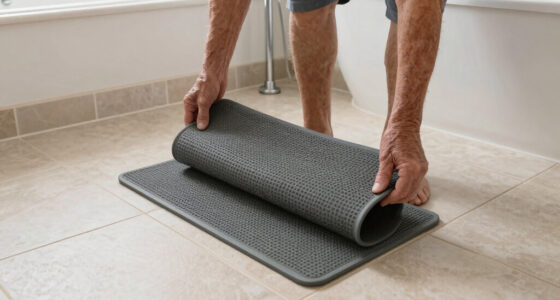
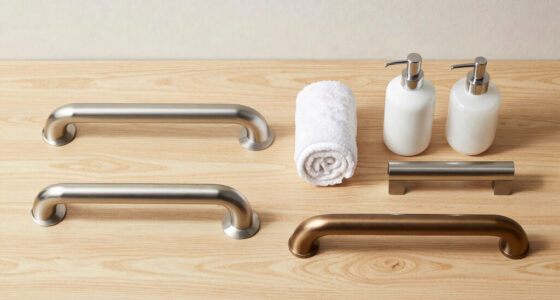
Walk-in tubs are designed with safety at their core. Look for models with a low threshold entry—that’s the step-in height, ideally no more than 2 inches. This reduces the risk of tripping or falling when entering or exiting. Textured, non-slip floors are crucial because they provide grip even when wet, which is one of the most common causes of bathroom falls. Grab bars, positioned near the seat and door, offer essential stability and support, especially for those with limited mobility or balance issues. Some tubs include emergency call buttons or quick-drain systems that can be life-saving if a fall occurs or if someone needs help quickly. These features collectively create a safer environment, but it’s important to consider how they integrate with your daily routines and specific health needs, as not all safety features are equally effective for everyone.
For example, a senior caregiver once chose a tub with textured flooring, grab bars, and a quick drain. During a test, the person felt confident and safe, avoiding the usual hazards of traditional baths. The combination of these safety features can significantly reduce anxiety about bathing and promote independence, but they must be properly installed and maintained to be truly effective.

ANZZI Walk-In Tub, 27 x 53 in, Right Drain, Air & Whirlpool Jets, 110V
EASY ENTRY SECURITY: Low-threshold walk-in design with an inward-swinging door reduces step-over height for safer access. Integrated grab…
As an affiliate, we earn on qualifying purchases.
As an affiliate, we earn on qualifying purchases.
How Do You Pick the Right Size and Fit for Your Bathroom?
Measuring your space is not just about fitting the tub physically—it’s about ensuring the bathing experience is comfortable and accessible. Walk-in tubs range from compact models around 52 inches long to larger, more luxurious designs exceeding 60 inches. Choosing the right size involves understanding your bathroom’s layout, including door widths, clearance, and proximity to plumbing fixtures. If your bathroom is tight on space, a smaller tub might be necessary, but it could limit accessibility or comfort. Conversely, larger models offer more room for movement and additional features but may require modifications to your bathroom’s structure, increasing costs and complexity.
Consider who will be using the tub. A taller or heavier person might need a wider seat, more sturdy construction, or extra legroom to prevent discomfort or safety issues during long soaks. For example, a family with a 6-foot-tall parent opted for a tub with extra legroom and a reinforced base, ensuring comfort and safety. Making these measurements and considerations upfront helps avoid costly mistakes and ensures the tub will serve its purpose effectively, blending safety, comfort, and practicality.
ANZZI Walk-In Tub, 27 x 53 in, Right Drain, Air & Whirlpool Jets, 110V
EASY ENTRY SECURITY: Low-threshold walk-in design with an inward-swinging door reduces step-over height for safer access. Integrated grab…
As an affiliate, we earn on qualifying purchases.
As an affiliate, we earn on qualifying purchases.
What Are the Must-Have Comfort and Hydrotherapy Features?
Walk-in tubs often include soothing jets—such as whirlpool or air bubble systems—that help relax muscles and provide therapeutic benefits. But beyond luxury, these features can be crucial for health. Think about temperature controls, especially thermostatic valves, which prevent scalds by maintaining a consistent water temperature—this is vital for seniors or those with sensory impairments. Ergonomic seats are designed to reduce strain during longer baths, making the experience more comfortable and accessible. For example, a user with arthritis appreciated a tub with adjustable jets and a contoured seat, which eased joint pain and provided a calming experience.
Research shows that hydrotherapy can improve circulation, reduce muscle tension, and lower stress levels, making these features more than just indulgent—they’re integral to wellness. When selecting features, consider how they can address specific health concerns or preferences, and weigh the benefits against potential tradeoffs like increased maintenance or higher costs.

Meditub MT3060WILWA Retrofit 30 by 60 by 38-Inch Air Jetted Walk In Bathtub Spa Left Side Door, White
Features Auto Drain technology that quickly drains water from the tub in less than 60 seconds
As an affiliate, we earn on qualifying purchases.
As an affiliate, we earn on qualifying purchases.
How Complex Is It to Install a Walk-In Tub? What Should You Expect?
Most walk-in tubs require professional installation because they involve plumbing, electrical work, and structural considerations. The process can take from a few hours to a full day, depending on your bathroom’s existing setup. Heavier models may need additional floor reinforcement to support their weight when filled with water, which can add complexity and cost. For example, an older home with uneven flooring might require extra support beams or subfloor modifications before installation. This isn’t just a matter of convenience; improper installation can compromise safety, cause leaks, or reduce the lifespan of your tub.
Discuss the scope thoroughly with your installer beforehand. A good contractor will assess your plumbing, electrical wiring, and available space, ensuring everything fits seamlessly and functions correctly. Understanding the installation process helps set realistic expectations and can prevent surprises or delays, ultimately protecting your investment and safety.

ANZZI Walk-In Tub, 27 x 53 in, Left Drain, Air & Whirlpool Jets, 110V
EASY ENTRY SECURITY: Low-threshold walk-in design with an inward-swinging door reduces step-over height for safer access. Integrated grab…
As an affiliate, we earn on qualifying purchases.
As an affiliate, we earn on qualifying purchases.
Budgeting for a walk-in tub isn’t just about the sticker price. Basic models start around $1,500, but adding features like hydrotherapy jets, advanced safety options, or custom designs can push costs well over $10,000. It’s essential to consider the total cost of ownership, which includes installation, plumbing modifications, electrical work, and possible structural reinforcements. These additional costs can significantly increase the final price, sometimes doubling or tripling initial estimates. For example, a family planning a home upgrade found that choosing a mid-range tub with professional installation kept costs manageable while still providing critical safety features.
Understanding these factors helps prevent financial surprises and ensures you select a tub that fits your budget and needs. Prioritize essential features and plan for potential extra expenses to make informed decisions that balance safety, comfort, and affordability.
What Maintenance and Durability Tips Keep Your Tub Lasting Years?
Proper maintenance is key to extending your tub’s lifespan and ensuring it functions safely over the years. Regularly clean non-porous surfaces with gentle soap and water—harsh abrasives can damage the finish, leading to cracks or discoloration. Check seals, gaskets, and drains monthly for signs of wear or leaks; early detection prevents more costly repairs later. If your tub has jets, run them with a cleaning solution every couple of months to prevent mold, bacteria buildup, and clogs, which can impair performance and hygiene. For example, a user noticed a decrease in jet performance and cleaned the system with a recommended solution, restoring full functionality and extending the tub’s life.
Materials like acrylic and fiberglass are durable but require regular care to prevent scratches, discoloration, or damage. With consistent maintenance, a walk-in tub can serve you reliably for 15-20 years, making it a worthwhile investment in safety and comfort.
Which Accessibility Features Are Worth the Extra Investment?
Accessibility features significantly enhance safety, ease of use, and dignity in bathing. Look for tubs with side-entry doors—these are easier to open and close, especially for users with limited mobility. Some models offer front-entry or top-entry options if space or configuration makes side doors impractical. Built-in transfer benches or seats that slide out can make transfers safer and more comfortable, reducing the risk of falls or strain. For example, a caregiver chose a tub with a wide door and a sliding bench, which allowed a user with limited mobility to transfer safely without assistance, promoting independence and dignity.
Investing in these features can be especially beneficial over time, as mobility challenges often increase with age. The right accessibility upgrades not only improve safety but also contribute to a more dignified bathing experience, reducing anxiety and dependence on others.
What Are the Latest Trends and Tech Advancements in Walk-In Tubs?
Modern walk-in tubs are incorporating smarter technology to enhance safety, convenience, and personalization. Some include digital controls that allow precise temperature and jet adjustments, or even voice activation for users with limited dexterity. Water temperature sensors and automatic drain systems are becoming standard, reducing the risk of scalds and making the bathing process safer and more efficient. Eco-friendly models now use energy-efficient jets and water-saving features, which help reduce utility bills and environmental impact. For example, a recent model offers voice commands for temperature adjustments, making operation easier for users with dexterity issues, and ensuring a safer, more comfortable experience.
Manufacturers are also focusing on customization, offering a variety of colors, sizes, and features tailored to individual preferences and needs. Staying informed about these advancements allows you to select a tub that not only meets safety standards but also integrates seamlessly into your lifestyle, offering the latest in comfort and technology.
What Are the Key Facts to Keep in Mind Before Buying?
Walk-in tubs are a valuable investment in safety and independence, but understanding their long-term value is essential. They can reduce fall risks and provide therapeutic benefits, which can significantly improve quality of life. Proper maintenance and adherence to safety standards like ADA compliance can extend their lifespan up to 20 years, ensuring you get the most out of your investment. However, costs and installation times vary—expect a range from a few hours to a full day for professional setup, depending on your home’s plumbing and structural condition. Regular upkeep, including cleaning and seal checks, is necessary to prevent leaks and maintain performance. According to A Daily Zone, focusing on models with safety certifications and choosing appropriately sized tubs ensures both safety and value, making your purchase a wise, long-lasting choice.
Common Questions You Might Be Asking
- Are walk-in tubs worth the money? Yes, especially for safety and independence. They reduce fall risks and add therapeutic value, which can justify the investment over time by preventing injuries and enhancing well-being.
- How much do they cost? Basic models start at around $1,500; luxury models with advanced features can exceed $10,000, including installation. Weighing these costs against the benefits helps determine the best value for your needs.
- Can I put one in my current bathroom? Usually, yes, but it depends on your space and plumbing. Assessing your bathroom’s layout and consulting with a professional can clarify feasibility and necessary modifications.
- Will insurance or Medicare cover it? Coverage varies; some medically necessary models may qualify, but most are considered luxury upgrades. Check with your provider beforehand to understand your options.
- What maintenance do they need? Regular cleaning, seal checks, and jet system care are essential to keep your tub in top shape, prevent leaks, and ensure safety over the years.
Conclusion
A walk-in tub is more than a luxury; it’s a step toward safer, more independent bathing. The key is understanding your space, needs, and the features that matter most. With the right choice, you’ll enjoy peace of mind and comfort for years to come.
Remember, safety starts with informed decisions. When you pick your tub, you’re investing in dignity, security, and everyday comfort. That’s a choice worth making.