TL;DR

Turn quiet afternoons into listening time
- Thousands of audiobooks, podcasts and originals
- Listen on your phone, tablet or Echo — also offline
- Cancel anytime
Small storage upgrades—like better placement, cable management, and remote tools—cut down reaching efforts, boosting safety and efficiency. These simple changes are easy to implement and improve everyday comfort.
Ever tried to reach behind a cluttered shelf or deep in a cramped cabinet? It’s awkward, risky, and can lead to strains or falls. The good news? You can make your space safer and more efficient with simple storage upgrades that reduce the need to stretch or bend.
This guide shows you practical, easy-to-implement changes—whether at home or in a workspace—that dramatically cut down reaching efforts, boost safety, and save time. If you’re caring for an older adult or simply want a more organized environment, these tips are your new best friends.
Position frequently used storage at waist or eye level to avoid unnecessary reaching or bending.
Sliding rails and modular shelves dramatically improve access and can cut maintenance time by up to 50%.
Clear labeling and organized grouping make finding items quick, reducing reach and strain.
Remote management tools and automation lessen the need for physical interaction with hardware.
Ergonomic racks and adjustable solutions tailor storage to your needs, making access easier and safer.
Position Your Storage at Waist or Eye Level to Avoid Bending and Stretching
The simplest way to cut down reaching is to place your most-used items where they’re easiest to grab—at waist or eye level. Imagine a kitchen pantry: instead of reaching deep into a high shelf, you keep everyday essentials at arm’s reach. Same goes for data storage or tools in a garage.
For example, installing adjustable shelves in a closet allows you to set the perfect height for frequently accessed items. In a home office, keep your printer, external drives, or frequently used documents within easy reach, avoiding unnecessary stretching or bending.
Why does this matter? Reaching for items placed too high or low forces your body into awkward positions that can cause strain over time. Consistently stretching or bending increases the risk of falls, especially for older adults or those with mobility issues. By reorganizing storage to keep items within natural reach, you reduce these risks and promote a safer, more ergonomic environment. However, there is a tradeoff: frequently changing stored items’ locations can lead to clutter if not maintained carefully, so regular organization is key.
As an affiliate, we earn on qualifying purchases.
Use Sliding Rails and Modular Storage to Make Access Easy
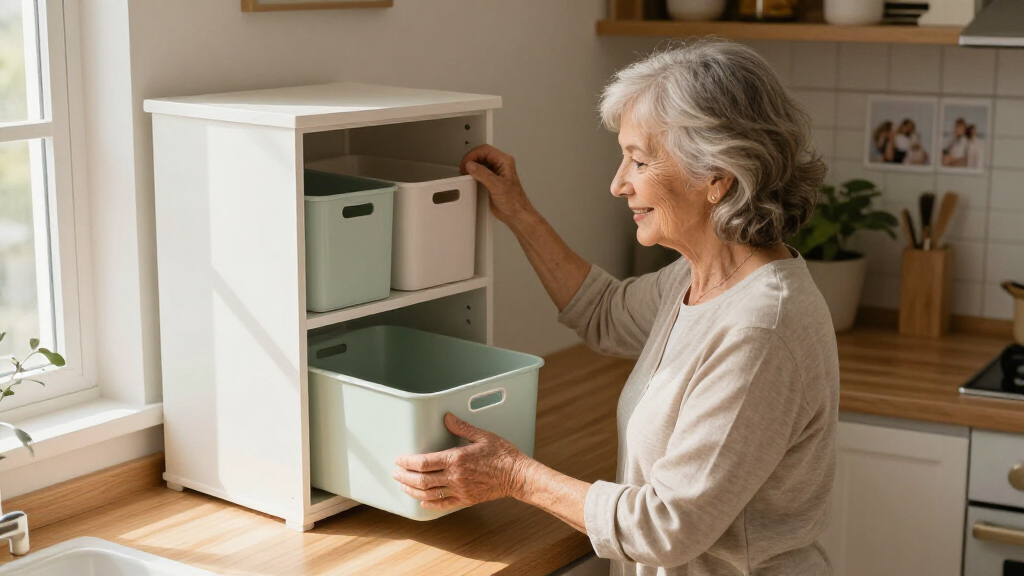
Sliding rails and modular storage options turn hard-to-reach spots into accessible zones. Think of a deep kitchen cabinet—adding sliding shelves means you can pull out items without stretching or climbing.
In data centers or server rooms, sliding rails allow servers or drives to glide forward with minimal effort, saving time and reducing strain. These rails can support heavy equipment and are designed to lock securely once pulled out.
Similarly, modular storage shelves in garages or closets let you customize the layout for your needs. You can slide a shelf out to access tools or supplies, rather than crawling into tight spaces.
Why does this matter? These solutions significantly improve access, especially in spaces where reaching is difficult or dangerous. They help prevent injuries caused by overreaching or awkward positions. For example, a homeowner installing sliding rails for their external hard drives found it easier to swap drives without contorting or reaching behind furniture. This not only makes the task easier but also reduces fatigue and the risk of accidental drops or falls. The tradeoff? Slightly higher initial investment and installation effort, but the long-term safety and convenience benefits outweigh the costs.
As an affiliate, we earn on qualifying purchases.
Organize and Label for Faster, Less Reaching Search
Cluttered storage is a reaching nightmare. Clear labels and organized groups cut down the time you spend searching—meaning less stretching, bending, and risking slips.
Use large, durable labels on bins, shelves, and drawers. Arrange items by frequency of use—keep everyday essentials at eye level, seasonal or rarely used items higher or lower.
Why does this matter? Disorganized storage forces you to stretch or bend into awkward positions to find what you need, increasing the risk of accidents. Proper organization and labeling reduce search time, helping you reach for items safely and efficiently. For example, labeling a bin “Batteries & Chargers” in the garage means no more digging behind tools or leaning into awkward corners. It’s about creating a space where your hand naturally finds what it needs without extra effort. The tradeoff? Time spent organizing initially, but the long-term payoff is a safer, more accessible environment that saves effort daily.
As an affiliate, we earn on qualifying purchases.
Leverage Remote Management and Automation to Minimize Physical Interaction
Remote management tools are game-changers—especially for tech storage or server setups. Features like IPMI, iLO, or DRAC let you control and troubleshoot hardware from afar, eliminating the need to reach behind racks or into tight spaces.
In a home office with external drives or networked storage, remote desktop apps allow you to manage backups or troubleshoot issues without physical access. This reduces reaching and contorting into uncomfortable positions.
Why does this matter? These tools significantly cut down on physical effort and risk. They allow maintenance and troubleshooting to happen from a safe, ergonomic position, preventing strain and potential accidents. In larger setups, automation and robotic arms can handle hardware swaps or maintenance tasks, lifting physical effort off your shoulders. Think of it as having a helper that reaches for you. For example, a small business installed remote management tools and reported fewer trips into server rooms, making their maintenance safer and faster. The tradeoff? Initial setup costs and learning curve, but the safety and efficiency benefits are substantial.
As an affiliate, we earn on qualifying purchases.
Choose Ergonomic Racks and Adjustable Storage Solutions
Ergonomic racks and adjustable shelving aren’t just fancy—they’re practical. Racks that tilt, fold, or adjust height make access easier, especially for those with limited mobility.
In a workshop, an adjustable tool rack that tilts forward lets you grab tools at waist level instead of reaching overhead or into tight corners. These racks can be set to suit your height or needs, lowering strain and preventing fatigue.
Why does this matter? Properly designed ergonomic features in storage solutions reduce the physical effort needed to access items, minimizing fatigue and the chance of injury. For instance, adjustable shelves in a kitchen or closet allow users to set the height to match their comfort, reducing the need for stretching or squatting. The tradeoff? Slightly higher costs and some installation effort, but the long-term benefits include safer, more comfortable access and less strain on your body.
Quick Tips for Better Cable Management and Storage Setup
Messy cables and cluttered storage are prime culprits for unnecessary reaching. Organizing cables and supplies makes access safer and faster.
Some quick tips include using cable ties or Velcro straps to bundle cords, installing cable organizers or raceways along walls, and labeling cables for quick identification.
Why does this matter? Tangled or disorganized cables can cause accidental pulls, trips, and difficulty in quickly locating what you need. Proper cable management reduces these hazards, minimizes the effort needed to find or connect devices, and prevents damage to cables and ports. For example, neatly bundled cables hanging behind a desk prevent the need to crawl behind furniture or stretch into awkward positions. In a workshop, quick-release connectors and labeled bins mean less time searching and reaching, which reduces fatigue and risk of accidents. The tradeoff? Slight effort in initial organization, but substantial safety and efficiency gains over time.
What About Small Spaces? How to Maximize Accessibility
Small spaces can be tricky, but smart planning makes a big difference. Use vertical storage, stackable bins, and multi-purpose furniture to keep everything within easy reach.
For example, a compact apartment uses wall-mounted shelves and pull-out baskets under the bed to avoid reaching into awkward corners. A fold-down desk at waist level doubles as storage and workspace, reducing the need to stretch or bend.
Why does this matter? Small spaces often force us into awkward positions when trying to access or retrieve items, increasing the risk of strains and accidents. Applying smart organization strategies transforms these tight areas into accessible zones, making daily routines safer and more efficient. For example, wall-mounted fold-out tables or pull-out drawers utilize vertical space, making it easier to reach stored items without contorting your body. The tradeoff? Slightly more planning and investment upfront, but the payoff is a safer, more functional environment that minimizes reaching and enhances mobility.
Frequently Asked Questions
What are the easiest, most affordable ways to improve storage accessibility?
Start with reorganizing your space—place essentials at waist or eye level, add labels, and use simple tools like baskets or trays. Upgrading to sliding shelves or adding hooks and hooks can also make a big difference without breaking the bank.
How can I reduce reaching effort in my home workspace?
Position your frequently used devices and supplies within arm’s reach—think of a workspace where your mouse, keyboard, and external drives are all on or near your desk surface. Use adjustable or ergonomic shelves and consider remote management tools for tech devices.
Are there ergonomic tips for older adults or those with limited mobility?
Yes. Keep items at waist or eye level, use pull-out or sliding shelves, install adjustable racks, and organize for easy access. These small changes help reduce strain, prevent falls, and make daily routines safer and more comfortable.
What tech tools can help manage storage without reaching?
Remote management interfaces like IPMI, iLO, or DRAC allow you to control hardware from a distance. For personal spaces, smart home systems and apps enable you to monitor and control devices remotely, saving effort and reducing physical contact.
Conclusion
Simple storage upgrades—like better placement, modular solutions, and remote controls—don’t just save effort. They create safer, more comfortable spaces where reaching isn’t a risk. Small changes can transform your environment into a place that’s easier to live and work in, especially as we age or face mobility challenges.
Next time you’re tidying up, think about how each shelf or drawer can work smarter. Your back, your safety, and your peace of mind will thank you.
Fall Picks
fall essentials
As an affiliate, we earn on qualifying purchases.