
TL;DR
Open a free Amazon Business account
Business pricing, bulk buying and tax-exempt orders.
Create a free accountAs an affiliate, we earn on qualifying purchases.
Reachers and grabbers extend your reach, reduce fall risk, and make everyday tasks easier. They are affordable, versatile, and evolving with new ergonomic and smart features, supporting independence for older adults and those with limited mobility.
Imagine being able to pick up a dropped sock or reach that high shelf without risking a tumble. Reachers and grabbers are the unsung heroes of daily independence for many older adults and people with limited mobility. These simple tools transform how you tackle everyday tasks—making life safer, easier, and more autonomous.
If you or a loved one struggles with bending, stretching, or gripping, understanding how these devices work and their latest innovations can open up new possibilities. This guide will walk you through their design, benefits, recent trends, and practical tips to choose the right one for your needs.
Reachers and grabbers extend your reach, making it easier and safer to pick up objects without bending or stretching dangerously.
Choosing the right model involves considering weight capacity, grip comfort, and adjustability to match your specific needs.
Recent innovations include ergonomic designs, smart features, and eco-friendly materials, increasing usability and safety.
These tools can boost independence by up to 70%, especially for seniors and those with mobility challenges.
Affordable and widely available, reachers are a simple solution that can dramatically improve daily life.
What Are Reachers and Grabbers, and Why Do They Matter?
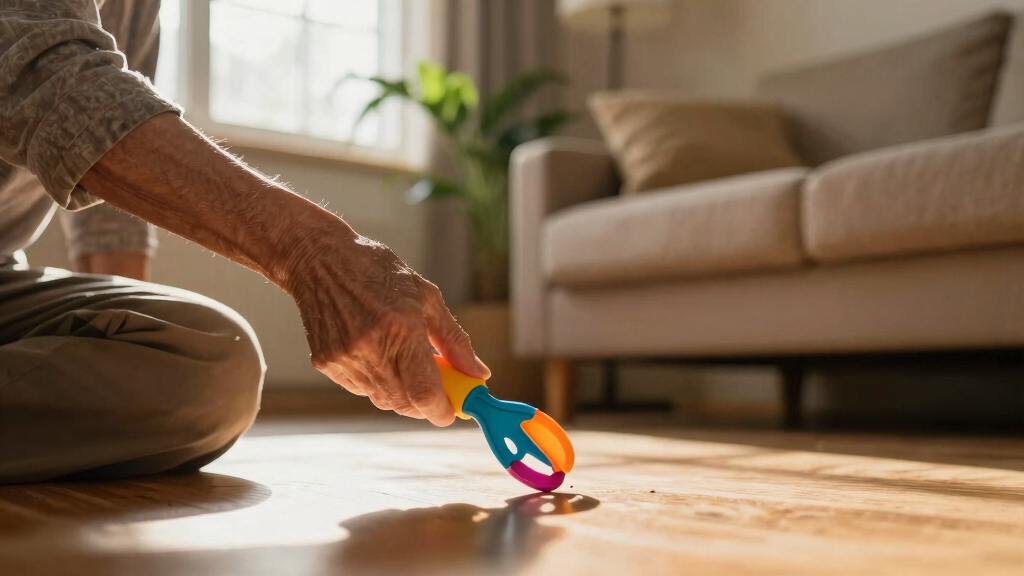
Reachers and grabbers are lightweight tools designed to extend your arm’s reach. They typically feature a long handle with a gripping mechanism at the end, which can be operated with a trigger or button. Imagine a sturdy arm reaching out, grasping an item, then bringing it back to you—no bending or stretching required.
This simple device plays a vital role for those with limited mobility, arthritis, or recovering from injury. It reduces the need to bend deeply or climb on chairs, preventing falls and joint strain. For example, a senior might use a reacher to pick up a magazine from the floor or grab a spice jar from a high shelf, maintaining independence without assistance.
Understanding why reachers matter goes beyond convenience; they directly impact safety and quality of life. By minimizing dangerous movements like bending or stretching, they help prevent falls—a leading cause of injury among older adults. Moreover, they enable individuals to perform tasks independently, which can boost confidence and mental well-being. The tradeoff is that some models may require practice to operate smoothly, especially for those with limited hand strength, but choosing ergonomic designs can mitigate this issue.
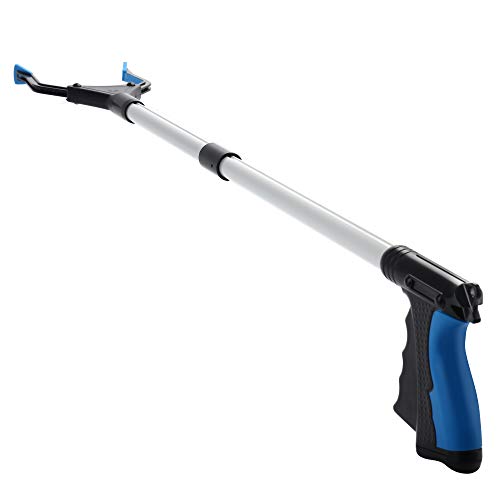
Grabber Reacher Tool, 32" Grabbers for Elderly, Lightweight Extra Long Handy Trash Claw Grabber, Mobility Aid Reaching Assist Tool for Trash Pick Up, Nabber, Litter Picker, Arm Extension (Blue)
- Easy Item Pickup: Pick up coins, trash, and more easily
- Foldable and Portable: Compact design for outdoor and indoor use
- Rotating Head: Adjusts up to 90 degrees for flexibility
As an affiliate, we earn on qualifying purchases.
As an affiliate, we earn on qualifying purchases.
Different Types of Reachers and Which One Fits Your Needs
Reachers come in various styles, each suited for different tasks and user preferences. Choosing the right type involves understanding the tradeoffs—lighter models may be easier to handle but less durable, while heavy-duty versions can handle more weight but may be bulkier. For example, a person with arthritis might prioritize ergonomic handles and lightweight design to reduce fatigue, whereas someone needing to lift heavier objects might opt for a sturdier, more robust model. Matching the reacher to your typical tasks ensures safety, efficiency, and comfort, minimizing strain and frustration during use. Consider whether you need a reacher for occasional use or daily tasks—this will influence your choice of features like extendable length, tip design, and grip strength. Making an informed decision can empower you to perform daily activities more independently and with less risk of injury.

DMI 2 Pack, 32 Inch Reacher Grabber PickupTool for Seniors, Disabled or After Surgery, Claw Reaching Assist Tool, Trash Grabber Arm Extension, Non-Folding Grabbers for Seniors, Magnetic Claw
- Extended Reach Design: Lightweight, extra-long grabber tool
- Ergonomic & Durable Handle: Heavy-duty trigger with magnetic tip
- Assists Daily Living: Reduces bending and reaching strain
As an affiliate, we earn on qualifying purchases.
As an affiliate, we earn on qualifying purchases.
How Reachers Make Daily Tasks Safer and Easier
Using a reacher can significantly reduce the risk of falls and injuries, which are common among older adults and those with limited mobility. The key is that reachers allow users to avoid awkward or dangerous movements—like bending or twisting—by providing a safer alternative for retrieving objects. For example, instead of bending deeply to pick up something from the floor, a person can extend the reacher, grasp the item securely, and bring it closer without strain. This reduces joint stress and the chance of losing footing, especially on slippery surfaces. Additionally, reachers can help prevent overexertion or strain injuries by promoting proper body mechanics, which is crucial for those with arthritis or recovering from injury. They also facilitate independence in daily routines—whether picking up a dropped object, reaching high shelves, or retrieving items from behind furniture—thus empowering users to maintain their routines without unnecessary assistance. The tradeoff is that improper use or selecting a poorly designed model can diminish safety benefits, emphasizing the importance of choosing ergonomic, easy-to-operate reachers and learning proper techniques.
Grabber Reacher Tool, 32" Grabbers for Elderly, Lightweight Extra Long Handy Trash Claw Grabber, Mobility Aid Reaching Assist Tool for Trash Pick Up, Nabber, Litter Picker, Arm Extension (Blue)
- Easy Item Pickup: Pick up coins, trash, and more easily
- Foldable and Portable: Compact design for outdoor and indoor use
- Rotating Head: Adjusts up to 90 degrees for flexibility
As an affiliate, we earn on qualifying purchases.
As an affiliate, we earn on qualifying purchases.
What’s New? The Latest Trends in Reacher Design and Tech
Reachers are evolving rapidly, integrating ergonomic comfort with innovative smart features that enhance usability and safety. New models focus on reducing hand fatigue through cushioned grips and easy-to-squeeze triggers, which are especially beneficial for users with arthritis or limited hand strength. Adjustable lengths and interchangeable tips allow customization for various tasks, making the device more versatile. Technology is also making strides—imagine a reacher equipped with sensors that alert you if you’re exerting too much force, helping prevent damage to delicate objects or strain on your hand. Motorized reachers are emerging, providing assistance even for users with weak grip strength or limited dexterity, transforming the reacher from a simple tool into a semi-automated aid. Features like LED lights improve visibility in dimly lit spaces, while voice-activated models enable hands-free operation, further expanding independence. Material advancements such as carbon fiber and eco-friendly plastics make these tools lighter yet durable, reducing fatigue during extended use. These innovations are shaping a future where reachers are safer, more comfortable, and more adaptable—key factors in promoting continuous independence and safety for users.

EZPIK Pro 43" Foldable Grabber Reacher Tool for Seniors – Grabbers for Elderly Reaching Tool Heavy Duty Pickup Trash Picker Upper Equipment – Claw Grabber Stick for Reaching Aids, Weed Gripper
- Heavy-Duty Capacity: Supports up to 5 lbs
- Magnetic Tip: Retrieves small metallic objects
- Lightweight Design: Weighs only 10 ounces
As an affiliate, we earn on qualifying purchases.
As an affiliate, we earn on qualifying purchases.
Quick Facts About Reachers and Grabbers You Should Know
- Independence increase: Using reachers can boost independence by up to 70% for seniors with mobility issues [1].
- Safety benefits: They significantly decrease fall risk by reducing the need to stretch or bend dangerously.
- Wide use: Ideal for seniors, disabled individuals, post-surgery patients, and those with arthritis.
- Materials: Many models now feature eco-friendly, recyclable plastics and lightweight composites, making them safer for the environment and easier to handle.
Your Most Common Questions Answered
Are reachers suitable for all objects? Most are designed for lightweight and medium objects. Fragile or very heavy items may need specialized tools, which could involve tradeoffs like increased cost or decreased ease of use. Recognizing these limitations helps prevent damage or frustration, ensuring safety and efficiency.
How do I pick the right reacher? Think about the weight of items you often handle, how high or low they are, and what grip feels best. Ergonomic handles, adjustable lengths, and tips suited for your typical tasks are essential features. Testing different models can also reveal which design minimizes fatigue and maximizes control.
Are they safe to use? When used correctly, yes. Following manufacturer instructions, avoiding excessive force, and inspecting for damage ensure safety. Proper training and understanding of how to operate the device extend its benefits and reduce potential risks.
Can they help in the kitchen or dressing? Absolutely. Many find reachers invaluable for pulling up pants, reaching utensils, or grabbing canned goods without risking a fall. Properly selected, they can be integrated seamlessly into daily routines, enhancing both safety and independence.
Limitations? Some users might find certain models hard to operate or need practice to master. Choosing ergonomic designs and practicing correct technique can mitigate these issues, making reachers a reliable aid. Overall, their safety and practicality outweigh initial challenges.
Pricing? Most models are affordable—ranging from $10 to $50—making them accessible for most budgets. Investing in a quality, ergonomically designed reacher can provide long-term benefits, justifying the initial cost through improved safety and independence.
Frequently Asked Questions
How do I choose the best reacher for my needs?
Start by considering what objects you’ll mostly pick up—light, heavy, fragile? Look for ergonomic handles, adjustable lengths, and tips suited for your typical tasks. Testing different models can also help find what feels most comfortable.Are reachers safe for everyday use?
Yes, when used correctly. Always follow the manufacturer’s instructions, avoid forcing grips on fragile objects, and keep the device in good condition. Proper use minimizes risk and maximizes benefits.Can reachers help with dressing or kitchen tasks?
Definitely. Many users find reachers helpful for pulling up pants, grabbing utensils, or reaching high shelves. They make daily routines smoother and safer, especially if mobility is limited.Conclusion
Reachers and grabbers are more than just handy tools—they’re bridges back to independence. With thoughtful choices and awareness of the latest designs, you can turn everyday tasks into safe, effortless routines. Remember, a small tool can make a big difference in maintaining your dignity and mobility.
So, next time you see a reacher, think of it as a tiny extension of your own arm—ready to help you stay active and confident in your home.
Flea & tick season Picks
flea and tick prevention
As an affiliate, we earn on qualifying purchases.