TL;DR
Fall detection technology uses sensors like accelerometers and gyroscopes in wearables or home systems to identify falls. Recent advances, including AI, improve accuracy and reduce false alarms, making safety more reliable for older adults.
Imagine this: you’re walking through your living room, and suddenly, you slip. In that split second, a device detects the fall, and help is on its way — without you even dialing a number. This isn’t science fiction; it’s how fall detection technology works today.
Whether you’re caring for an aging parent or just want peace of mind, understanding how these systems identify falls can help you choose the right safety tools. Let’s uncover what makes fall detection tick — and how it can protect your loved ones when it matters most.
Fall detection devices analyze movement patterns using accelerometers and gyroscopes to spot falls in real time.
Recent innovations with AI and multi-sensor arrays have increased detection accuracy by over 30%, reducing false alarms.
Choosing the right device involves balancing accuracy, ease of use, alert mechanisms, and privacy considerations.
Regular testing, proper fit, and integration with daily routines ensure fall detection systems work effectively.
Fall detection technology is a vital safety tool, especially when combined with smart home habits and quick response plans.
What Are Fall Detection Devices Actually Looking For?
Fall detection devices analyze specific movements and impacts to spot falls in real time. They focus on three main detection methods:
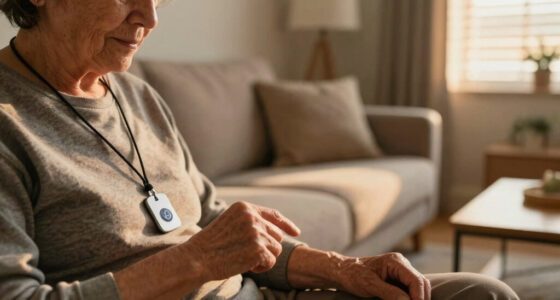
- Sensor-Based Systems: Use accelerometers and gyroscopes in wearables like pendants or smartwatches to track sudden changes in movement or orientation. These sensors measure rapid shifts that typically accompany a fall, such as a quick acceleration or tilt. Understanding these signals helps differentiate between normal activities and actual falls, which is crucial because false alarms can lead to unnecessary panic and resource use. The placement and sensitivity of sensors matter—a poorly fitted device might miss subtle falls, while overly sensitive sensors could trigger false alarms from everyday movements.
- Camera and Vision Systems: Use cameras with AI algorithms to visually identify falls, often placed in hallways or rooms. These systems can offer contextual understanding—like recognizing a person lying on the floor after a sudden tumble—but they also raise privacy concerns. The tradeoff here involves balancing safety with privacy rights, as continuous video monitoring might be intrusive for some users. Advances in AI enable these systems to distinguish between normal activities and falls more accurately, but they still depend on clear visibility and proper placement.
- Environmental Sensors: Floor sensors or infrared motion detectors sense unusual activity indicating a fall. These sensors can detect impacts or abrupt changes in movement within a room or area. They are less intrusive but may not provide detailed data about the fall’s nature or cause. Their effectiveness depends on strategic placement and sensitivity settings, and they may sometimes be triggered by pets or other non-fall activities, leading to false alarms. Therefore, understanding the environment and choosing appropriate sensor types is key to optimizing safety without sacrificing accuracy.
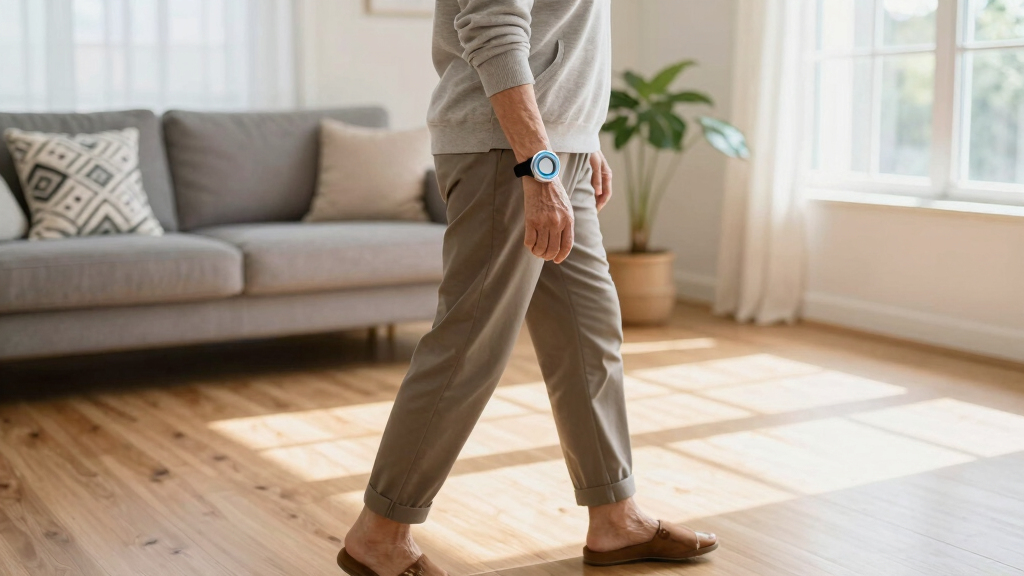
For example, a senior wearing a pendant with an embedded accelerometer may trigger an alert when a sudden acceleration exceeds normal walking or sitting motions — like a rapid drop to the floor. The device’s ability to interpret these signals accurately determines how effectively it can distinguish real falls from benign movements, which directly impacts user trust and system reliability.
fall detection wearable device
As an affiliate, we earn on qualifying purchases.
As an affiliate, we earn on qualifying purchases.
How Do These Devices Know a Fall Is Actually Happening?
Fall detection devices use smart algorithms to analyze sensor data — kind of like how a detective pieces clues together. They look for specific patterns that reliably indicate a fall, but not all movements are equally risky or significant. Recognizing the difference is crucial because false positives—alerts for benign activities—can cause alarm fatigue or unnecessary emergency responses. These algorithms interpret data such as:
- Sudden acceleration or impact — indicating a forceful collision or tumble.
- Sharp change in orientation — like a rapid tilt from upright to lying down.
- Extended period of immobility after a fall — which can suggest injury or inability to get up.
Advanced systems incorporate machine learning models trained on thousands of real fall scenarios, which improves their ability to identify true falls amidst normal daily movements. This training helps the system weigh different signals and contextual clues, reducing false alarms that can desensitize users or responders. For instance, the system learns that a quick bend and pick-up isn’t a fall but a sudden tumble onto the floor is. The implication is that smarter algorithms make the system more trustworthy and reduce unnecessary distress, but they also require ongoing updates and calibration to adapt to individual behaviors and environments. Striking the right balance between sensitivity and specificity is essential for effective fall detection, ensuring genuine emergencies are caught without overwhelming responders with false alarms.
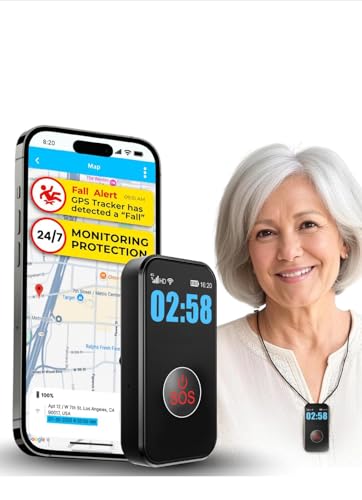
SecuLife Medical Alert Pendant for Seniors — Alerts Go Direct to Family, No Call Center | Auto Fall Detection, GPS Tracking, 2-Way Calling, No Contract, Waterproof Necklace
❤️ 𝐌𝐞𝐝𝐢𝐜𝐚𝐥 𝐀𝐥𝐞𝐫𝐭 𝐏𝐞𝐧𝐝𝐚𝐧𝐭 𝐰𝐢𝐭𝐡 𝐅𝐚𝐥𝐥 𝐃𝐞𝐭𝐞𝐜𝐭𝐢𝐨𝐧: Designed for seniors and individuals with medical conditions, this wearable alert…
As an affiliate, we earn on qualifying purchases.
As an affiliate, we earn on qualifying purchases.
The Importance of Proper Device Placement and User Training
Even the most advanced fall detection system can fail if not properly set up. Correct placement of sensors—whether on a wrist, neck, or in the environment—is vital for accurate detection. For wearable devices, ensuring a snug fit prevents false alarms caused by loose sensors or misaligned orientation. Likewise, users should be trained to understand how to activate, test, and maintain these devices regularly. Educating users about what to do if a fall is detected, such as confirming alert reception or manually triggering assistance, enhances overall safety. Regular testing and calibration ensure that sensors remain sensitive enough to detect real falls without being triggered by everyday movements. Ultimately, combining proper device placement with user awareness maximizes the system’s effectiveness and reliability, providing peace of mind for caregivers and loved ones alike.
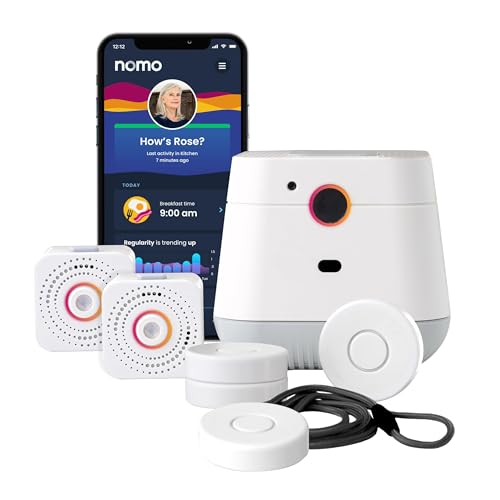
NOMO Smart Care Medical Alert System, Fall Detection for Seniors, WiFi in Home Monitoring Safety System, Emergency Call Button, Custom Fall Alert, Virtual Caregiver, 60-Day Trial, Monthly Subscription
NOMO SMART CARE ESSENTIAL KIT – A complete in-home monitoring safety system featuring a Smart Hub, two motion…
As an affiliate, we earn on qualifying purchases.
As an affiliate, we earn on qualifying purchases.
Frequently Asked Questions
How accurate are fall detection devices?
Accuracy varies across systems, especially between basic and AI-enhanced models. Newer devices with multiple sensors and machine learning tend to be more reliable, but no system is perfect. Regular testing helps ensure your device works when needed.Will my wearable device detect all types of falls?
Most devices excel at detecting sudden impacts or quick drops. However, slower or low-impact falls may sometimes go unnoticed. Choosing a device with multiple sensors increases the chances of catching more fall types.Are fall detection systems suitable for everyone?
While primarily designed for seniors or those with mobility issues, many systems are suitable for anyone at risk of falling. Check device features to match individual needs and comfort levels.What should I do if a fall is detected?
Most systems automatically alert designated contacts or emergency services. Make sure these contacts are aware and prepared to respond quickly to ensure help arrives promptly.Can fall detection technology prevent falls?
Mostly, it detects when a fall has already happened. However, some systems include features like imbalance alerts, which can warn you before a fall occurs — adding an extra layer of safety.
EverNary Wireless Caregiver Pager Motion Sensor Alarm Indoor Room Bed Alarms and Fall Prevention for Home/Elderly/Dementia and Kids (1 Plug-in Receiver and 1 Motion Sensor)
Wireless Caregiver Pager include 1 Plug-in Pager and 1 Motion Sensor. Signals connected receivers if/when motion is detected.Allows…
As an affiliate, we earn on qualifying purchases.
As an affiliate, we earn on qualifying purchases.
Conclusion
In a world where a fall can change everything in an instant, smart detection systems offer a safety net. They don’t just alert — they bring help faster, often before serious injury sets in.
Remember: choosing the right system, keeping it maintained, and weaving it into your daily life makes all the difference. With technology on your side, safer days are within reach — and peace of mind is just a fall away.