
TL;DR
Play games included with Prime
Start a Prime free trial and play with Amazon Luna on your devices.
Start playingAs an affiliate, we earn on qualifying purchases.
Weight capacity in mobility devices indicates the maximum weight they can safely support. Choosing the right capacity prevents accidents and prolongs device life, especially with recent innovations in heavy-duty and lightweight materials.
Imagine trying to squeeze into a wheelchair or scooter that’s just a bit too small. The feeling of instability, the faint worry in your chest—these are signs that safety is at risk. Understanding weight capacity isn’t just a technical detail; it’s a matter of safety, dignity, and independence. Whether you’re choosing a device for yourself or caring for a loved one, getting it right can make all the difference.
In this guide, you’ll learn what weight capacity really means, how recent innovations are expanding options, and practical tips to pick the right device. Let’s explore how to keep safety at the forefront while supporting mobility and independence.
Always match your device’s weight capacity with your current weight plus a safety margin.
Modern innovations allow support for higher weights while keeping devices lightweight and manageable.
Using a device beyond its weight limit risks mechanical failure and injury—don’t take shortcuts.
Material choices like steel, aluminum, and composites directly impact weight support and ease of use.
Regularly review your weight and device specs, and consult professionals when in doubt.
What Does ‘Weight Capacity’ Really Mean for Your Mobility Device?
Weight capacity is the maximum weight a mobility device can support safely. Think of it as the device’s safety net—stretch it too far, and you risk failure. For example, a standard manual wheelchair usually supports up to 350 lbs, but heavy-duty models can handle 600 lbs or more. Using a device within its limits ensures it performs reliably and keeps you safe.
Choosing a device without respecting its weight capacity can have serious consequences. Overloading may lead to structural damage, increased wear and tear, or sudden failure, risking falls or injuries. Conversely, selecting a device with a higher capacity than needed might result in unnecessary weight and bulk, making daily handling more difficult. Therefore, understanding the specific weight limits and their implications helps you balance safety with usability.
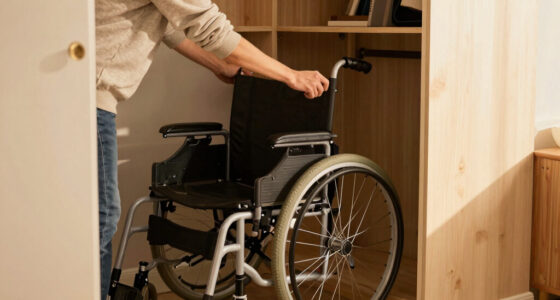
heavy-duty wheelchair with 600 lbs capacity
As an affiliate, we earn on qualifying purchases.
As an affiliate, we earn on qualifying purchases.
How to Pick a Mobility Device with the Right Weight Support in 3 Simple Steps
- Know your current weight: Weigh yourself regularly, especially if you’re on the edge of a device’s capacity. Consider future weight changes, too. This helps prevent choosing a model that might become unsuitable over time, avoiding the need for frequent replacements.
- Match the device’s capacity precisely: Check the manufacturer’s specs for maximum weight. Choose a model with a comfortable safety margin—at least 20% above your current weight—to account for dynamic factors like movement, additional gear, or accidental overloads. This cushion helps mitigate risks from sudden weight shifts or unexpected stresses.
- Consult with a professional: Talk to a mobility specialist or healthcare provider. They can help you find a device that’s safe now and adaptable for the future. Their expertise ensures you consider factors like ease of use, safety margins, and potential tradeoffs between weight support and maneuverability.
For example, if you weigh 280 lbs, look for a bariatric wheelchair rated for at least 340 lbs. That extra buffer helps prevent stress on the device, reduces the risk of failure, and extends its lifespan, ultimately supporting your independence more reliably.
lightweight mobility scooter for seniors
As an affiliate, we earn on qualifying purchases.
As an affiliate, we earn on qualifying purchases.
Comparison Table: Typical Weight Limits in Common Mobility Devices
| Device Type | Typical Weight Support | Heavy-Duty Support | Max Support |
|---|---|---|---|
| Manual Wheelchair | 250-350 lbs | Up to 600 lbs | 600+ lbs |
| Power Wheelchair | 250-400 lbs | Up to 1,000 lbs | 1,000+ lbs |
| Standard Walker | 250-350 lbs | Bariatric versions up to 500 lbs | 500 lbs |
| Stair Lift | Varies | Typically 300-400 lbs | Up to 600 lbs |
These figures reflect ongoing innovations in material science and engineering, which are enabling manufacturers to produce stronger, more durable devices. This expansion of weight support options allows users with higher weight needs to maintain mobility without sacrificing safety or comfort. Understanding these ranges helps you choose a device that balances capacity with ease of use, considering tradeoffs like weight and maneuverability.
manual wheelchair with high weight capacity
As an affiliate, we earn on qualifying purchases.
As an affiliate, we earn on qualifying purchases.
What Factors Influence How Much a Mobility Device Can Support?
When selecting a device, understanding what makes some models stronger than others helps. For example, frame material plays a big role. Steel frames support more weight than aluminum, but are heavier to lift. Reinforced joints and wider bases also boost capacity. These design choices involve tradeoffs—while stronger materials increase support, they can also add weight, making the device harder to transport or maneuver. Recognizing these tradeoffs allows you to prioritize what matters most—whether it’s maximum support, ease of handling, or a balance of both.
Imagine two walkers—one with a lightweight aluminum frame and another with a steel frame. The steel version might support 50 lbs more, but it’s also heavier. So, consider your daily needs for weight support and ease of handling when choosing. This understanding helps you make informed decisions that balance safety, convenience, and long-term durability.
As an affiliate, we earn on qualifying purchases.
What Are the Latest Innovations Supporting Higher Weight Capacities?
Recent advances focus on making heavy-duty devices lighter and more comfortable. Using carbon fiber composites, engineers create stronger frames that don’t weigh as much. This means a bariatric scooter can now support over 1,000 lbs while still being easy to maneuver. These innovations are crucial because they address the common tradeoff between support and portability, enabling heavier users to maintain independence without feeling weighed down.
For example, a new model might weigh only 10% more than a standard scooter but support 300 lbs more. Such improvements not only enhance safety but also expand mobility options for those who previously faced limitations due to weight or bulk. Staying informed about these developments helps users and caregivers select devices that align with their evolving needs, ensuring safety and comfort at every step.
Why Matching Your Weight to Your Device Matters — And What Happens If You Don’t
Using a device beyond its weight limit risks catastrophic failure. Imagine a heavy-duty wheelchair suddenly buckling under extra stress—this can cause falls, injuries, or worse. Regular maintenance helps, but exceeding capacity accelerates wear on critical components like frames, joints, and wheels, increasing the likelihood of sudden breakdowns. These failures can be dangerous, especially if they occur unexpectedly, leading to falls or injuries that might have been preventable.
For example, a scooter rated for 400 lbs used by someone weighing 500 lbs might not only break down sooner but could also compromise the safety of the user during operation. Recognizing the importance of adhering to weight limits is essential for long-term safety, device longevity, and peace of mind. It’s not just about avoiding immediate failure but about ensuring ongoing reliability and safety in everyday use.
What Should You Do If Your Weight Changes or You’re Near a Limit?
If your weight increases or you’re close to your device’s maximum, don’t wait. Consider switching to a bariatric or heavy-duty model designed for higher support. It’s a safer choice that preserves your independence and reduces risk. Failing to do so can lead to overstressed components, increased wear, and potential safety hazards, which might result in costly repairs or urgent replacements.
For example, if you gain 20 lbs, review your device’s specs and consult with a professional to find a better fit. Upgrading before issues arise ensures continuous safety and comfort, avoiding the risks associated with overloading your current device.
Frequently Asked Questions
How do I know if my current device is supporting my weight safely?
Check the manufacturer’s specifications for weight limits and compare them to your current weight. Regularly inspect your device for signs of wear or stress, especially if your weight has changed recently. When in doubt, consult a mobility specialist.
Can I upgrade my existing mobility device to support more weight?
Most devices are not easily modified to increase support. It’s best to consult the manufacturer or a professional about options, which might include replacing parts or upgrading to a different model designed for higher weights.
What are the dangers of ignoring weight capacity limits?
Exceeding weight limits can cause mechanical failure, leading to falls, injuries, or damage to the device. Safety should always come first—using the right device ensures peace of mind and long-term reliability.
Are lightweight devices capable of supporting higher weights?
Yes, recent advances in materials like carbon fiber composites have created lighter devices capable of supporting more weight, making active mobility safer and easier for heavier users.
How often should I review my device’s weight support capacity?
Regularly review your device’s specs, especially if your weight changes or if signs of wear appear. Follow manufacturer guidelines and seek professional advice if needed.
Conclusion
Choosing a mobility device with the right weight capacity isn’t just about numbers. It’s about safety, confidence, and preserving your independence. Think of your device as a trusted partner—supporting you reliably in every step.
Remember, when in doubt, better to choose a model with a higher capacity than risk safety. Your mobility, safety, and peace of mind depend on it.
Fall yard work Picks
leaf blowers
As an affiliate, we earn on qualifying purchases.