
TL;DR
Open a free Amazon Business account
Business pricing, bulk buying and tax-exempt orders.
Create a free accountAs an affiliate, we earn on qualifying purchases.
A medical alert system helps seniors summon help quickly during emergencies, with options for in-home or mobile use. Knowing when to get one depends on health risks, living situation, and activity level. Advances in tech now make these systems more reliable and versatile than ever.
A medical alert system provides immediate help, whether you’re inside or out, with features like GPS and fall detection.
Choose a system based on your lifestyle and health risks—don’t wait until an emergency happens.
Regular testing and selecting a reputable provider ensure your device works when needed.
Recent tech advances mean these systems are smarter, more accurate, and more integrated with health monitoring.
Getting a system isn’t a sign of weakness — it’s a proactive step to preserve your independence and safety.
What Does a Medical Alert System Do? Think of it as your personal safety net.
A medical alert system is a device designed to connect you instantly with emergency help. Whether you’re at home or out in the world, it allows you to summon assistance with the push of a button or automatically after a fall. For example, if you trip over a rug and can’t get up, a fall detection device will alert responders even if you can’t press anything.
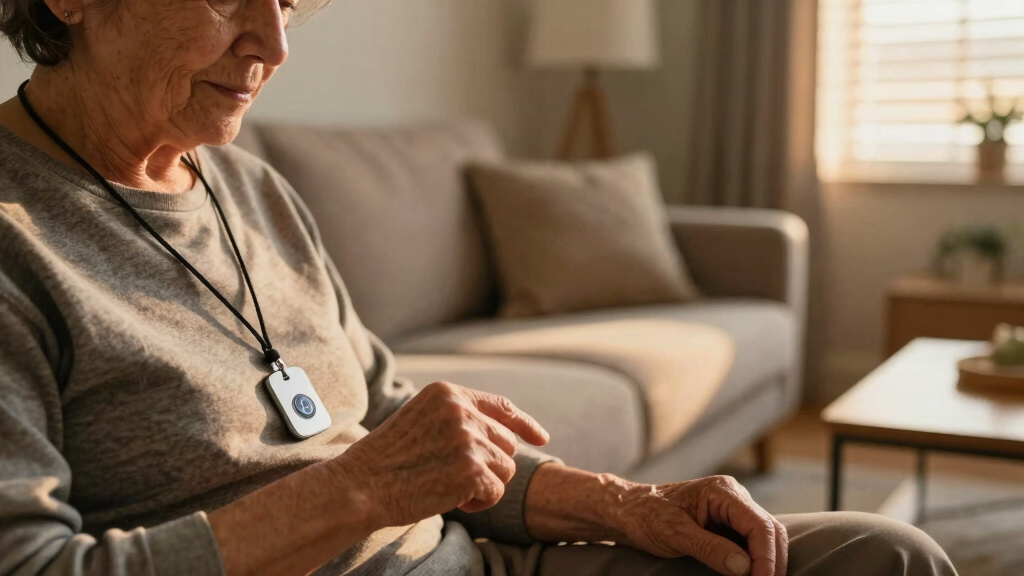
Most systems include a wearable button (like a necklace or wristband) linked to a base unit inside your house. Mobile options add GPS tracking, so help can find you outdoors. The core idea is quick, reliable help — no matter the situation.
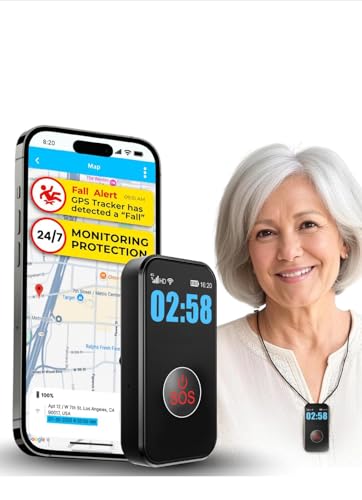
SecuLife Medical Alert Pendant for Seniors — Alerts Go Direct to Family, No Call Center | Auto Fall Detection, GPS Tracking, 2-Way Calling, No Contract, Waterproof Necklace
- Fall Detection and SOS Alerts: Automatically detects falls and sends SOS
- Easy Activation: Monthly subscription required for full features
- Two-Way Calling: One-touch emergency calls with auto-answer
As an affiliate, we earn on qualifying purchases.
As an affiliate, we earn on qualifying purchases.
Key Features That Make or Break a Good Medical Alert System
When choosing a system, consider these features:
- 24/7 Monitoring Center: Always ready to respond, day or night. This ensures help is available whenever an emergency occurs, which is critical because emergencies don’t follow a schedule. A reliable monitoring center can be the difference between prompt assistance and dangerous delays.
- Two-Way Communication: Speak directly with responders through a built-in microphone and speaker. This feature allows you to communicate your situation clearly, which can be vital for accurate assessment and swift help. It also provides reassurance, knowing you’re not alone and can describe your needs in real time.
- GPS Tracking: For mobile devices, helping responders locate you quickly outdoors. Accurate location data reduces response times and increases the chances of effective aid, especially in unfamiliar or outdoor environments where landmarks aren’t visible.
- Fall Detection: Automatically alerts emergency services if you fall, even if you can’t press a button. This feature is crucial because many seniors are unconscious or unable to activate their device after a fall, and missed alerts can lead to severe injuries or complications.
- Battery Life: Long-lasting batteries prevent failures during emergencies. A device with poor battery life risks becoming useless when you need it most, so choosing one with reliable power ensures continuous protection.
For example, a friend with arthritis found that a fall detection pendant meant she didn’t have to remember to press the button after slipping in her bathroom. This reduces anxiety about falls and helps maintain independence, but it also underscores the importance of choosing a system with proven reliability to avoid false alarms or missed alerts.

SecuLife SOS Wristband for Seniors with Fall Detection — Alerts Go Direct to Family, No Call Center | One-Button Simplicity, GPS Tracking, Geofencing, 2-Way Calling, Waterproof Medical Alert
- SOS Call & Fall Detection: One-button emergency calls and automatic fall alerts
- Easy Activation: Monthly subscription with unlimited alerts and tracking
- Real-Time GPS & Geofencing: Track location and set safe zones with instant alerts
As an affiliate, we earn on qualifying purchases.
As an affiliate, we earn on qualifying purchases.
How Tech Is Making Medical Alert Systems Smarter and More Reliable
Recent tech advances have transformed these devices from simple alarms to smart health partners. AI algorithms now improve fall detection accuracy, reducing false alarms that can cause unnecessary emergency responses or desensitize responders to true emergencies. GPS technology is more precise, helping responders locate you faster outdoors, which is especially critical in emergencies like wandering or outdoor activities.
Some systems now monitor vital signs like heart rate or oxygen levels, providing early alerts for health issues. This proactive approach can lead to quicker medical intervention, potentially saving lives or preventing hospitalizations. These innovations mean users can enjoy increased safety and peace of mind, knowing their device adapts to their evolving health needs.
During the pandemic, the popularity of contactless emergency solutions soared, making these devices essential for those living alone or traveling. Industry standards now emphasize device reliability, giving users peace of mind that their system will work when needed. However, these advancements also mean users should stay informed about updates and properly maintain their systems to maximize these benefits.

ADT Medical Alert Plus – in-Home Medical Alert System for Seniors – Cellular 4G Coverage, 600ft Pendant Range, Home Temperature Monitoring, 24/7 U.S. Based Monitoring (Fall Detection Pendant)
- Activation: Free activation with no contracts
- Range: 600ft pendant range for freedom
- Monitoring: 24/7 U.S.-based monitoring services
As an affiliate, we earn on qualifying purchases.
As an affiliate, we earn on qualifying purchases.
Is It Time? Signs You Need a Medical Alert System Now
Knowing when to get a system can be tricky. If you notice these signs, it might be time:
- Frequent falls or near-misses: Increasing risk of injury. Falling even once significantly raises the risk of serious injury or hospitalization, especially if you live alone. A system can provide immediate help, reducing complications and recovery time.
- Mobility issues: Difficulty walking or standing without help. As mobility declines, the likelihood of accidents increases. An alert system offers a safety net that supports independence while providing reassurance to family members.
- Living alone: No immediate assistance nearby. Living alone means help isn’t just a call away. A medical alert system bridges that gap, ensuring help can be summoned instantly, which is crucial during emergencies or health crises.
- Recent hospital visits: Recovery periods or health concerns. Post-hospital periods are high-risk times for falls or health deterioration. A device can support recovery and prevent setbacks by providing quick access to help.
- Active outdoors or traveling: Need for help beyond home. Engaging in outdoor activities or traveling increases exposure to risks outside familiar environments. Mobile systems with GPS ensure help can reach you wherever you are, maintaining safety and independence.
For example, if you recently slipped in your kitchen and couldn’t get up, a system could have called for help immediately, preventing a longer injury or hospitalization. Recognizing these signs early can make a crucial difference in maintaining your health and independence.

Bay Alarm Medical SOS Mobile GPS – 24/7 Medical Alert with Optional Fall Detection for Seniors – Call to Activate – 4G GPS Medical Alert System with Elderly Tracking – Panic Button for Seniors
- Easy Setup: Includes simple, quick instructions
- Subscription Needed: Requires ongoing service plan
- 4G LTE Connectivity: Reliable nationwide cellular coverage
As an affiliate, we earn on qualifying purchases.
As an affiliate, we earn on qualifying purchases.
Your Top 5 Questions About Medical Alert Systems — Answered!
- How do I pick the right one? Think about your daily routine, health needs, budget, and whether you’re mostly at home or outside. In-home systems are simpler and often less expensive, but may lack mobility features. Mobile options provide freedom but can be more costly. Consider your lifestyle and choose a system that balances features with affordability to ensure consistent use and peace of mind.
- Are they covered by insurance? Some Medicare plans and insurance providers offer partial coverage or discounts. It’s worth checking with your provider, as coverage can vary widely. Understanding the financial aspect can help you select a system that fits your budget without sacrificing essential features.
- What happens when I press the button? You’re connected to a monitoring center where trained staff assess your situation and call emergency services if needed. This immediate response can be life-saving, especially if you’re unable to communicate effectively during an emergency, making quick access to help a critical advantage.
- Can I use it outside my house? Yes, mobile systems with GPS are designed for outdoor use and travel. These devices expand your independence, allowing you to participate in activities or travel without fear of being unable to summon help if needed.
- Are they dependable? Most reputable brands are highly reliable, but regular testing and choosing trusted providers are key. Proper maintenance and periodic checks ensure your device remains operational when it matters most, reducing the risk of false alarms or failures during emergencies.
Frequently Asked Questions
How long does the battery last on these devices?
Most systems have batteries that last between 24 to 72 hours on a single charge. Regular testing and timely recharging or replacing batteries keep them ready for emergencies.Can I use a medical alert system if I have hearing or vision impairments?
Yes, many devices feature visual alerts, loud speakers, or vibrating alerts designed for sensory impairments. Be sure to choose a system that matches your specific needs.What’s the typical cost of a medical alert system?
Initial costs range from $50 to $150, with monthly monitoring fees between $20 and $50. Some providers offer discounts or packages that include both in-home and mobile options.Are these systems easy to set up and use?
Yes, most systems are straightforward, with some offering professional installation. Once set up, they are simple to operate — just press a button or, in some cases, automatically activate.Conclusion
A medical alert system acts as your safety net, ready to catch you if you stumble or need help fast. It’s a simple step with a powerful impact, letting you live confidently and independently. Think about your daily risks — then consider if a little extra protection could make all the difference in your life.Flea & tick season Picks
flea and tick prevention
As an affiliate, we earn on qualifying purchases.