TL;DR
Listen free for 30 days with Audible
Thousands of audiobooks and originals — cancel anytime.
Start your free trialAs an affiliate, we earn on qualifying purchases.
Selecting bed rails requires understanding safety features and personal dignity. Properly chosen, they can prevent falls without feeling restrictive. Always consider user needs and safety standards.
Imagine lying in bed, feeling safe yet free—no feeling of confinement, but enough security to prevent a fall. That balance is what choosing the right bed rails is all about. It’s not just about safety; it’s about preserving dignity and independence.
If you’re caring for a loved one or managing your own space, understanding what makes a bed rail both secure and respectful can make all the difference. In this guide, you’ll learn how to pick the best options that truly support safety, comfort, and dignity—without compromise.
Determine the primary safety goal before choosing a bed rail—whether fall prevention, mobility support, or dignity preservation.
Compare different styles—full-length, half-length, adjustable—and select based on user mobility and space constraints.
Prioritize safety features like secure mounting, rounded edges, and compliance with safety standards to prevent hazards.
Opt for discreet, aesthetically pleasing designs that help preserve the user’s independence and dignity.
Always verify compatibility with your bed and check for safety certifications before purchasing.
Know Exactly Why You Need Bed Rails—And What They Should Do
Bed rails serve different purposes—some prevent falls, others assist with mobility, and some keep a person from accidentally slipping out of bed. Clarifying the primary goal helps narrow down options. For example, a person with dementia might need rails that are easy to remove and discreet, while someone with limited mobility may require sturdy, assistive handles.
Understanding the specific safety concern is crucial because it influences the design choice. For instance, a rail that’s too high might cause entrapment or discomfort, while one that’s too low may not prevent falls effectively. Knowing the user’s routine—whether they tend to move a lot during sleep or need help sitting up—guides you to select features that will best support their safety and independence. This clarity helps avoid unnecessary tradeoffs, such as sacrificing comfort for security or vice versa, ensuring the chosen solution truly enhances quality of life.

KingPavonini Bed Rails for Elderly Adults Safety, 380 LBS, Model BM03-1
- Heavy-Duty Support: Supports up to 380 lbs, ASTM approved
- Adjustable Size: Fits Twin to King beds, height and length adjustable
- Non-Slip Handle: Ergonomic, padded, slip-resistant grip for stability
As an affiliate, we earn on qualifying purchases.
As an affiliate, we earn on qualifying purchases.
Pick the Right Type of Bed Rail for Safety and Comfort
There are several styles to choose from, each with pros and cons. Here’s a quick comparison:
| Type of Bed Rail | Best For | Features |
|---|---|---|
| Full-length rails | Fall prevention for high-risk users | Cover entire side of bed, sturdy, may feel restrictive |
| Half-length rails | Balance safety with dignity | Cover only part of the bed, easier to get in/out |
| Adjustable/retractable rails | Customizable safety and ease of access | Fold away or extend as needed, versatile |
Choosing between these options involves understanding the user’s mobility and comfort preferences. For example, a senior with moderate mobility might prefer a half-length or retractable rail that provides safety without creating a feeling of being caged in. Conversely, someone at high risk of falling from bed may require full-length guards to prevent accidents. The tradeoff here is between maximum security and maintaining a sense of freedom—selecting the right type depends on which priority weighs more for the individual’s safety and dignity.
KingPavonini Bed Rails for Elderly Adults Safety, 380 LBS, Model BM03-1
- Heavy-Duty Support: Supports up to 380 lbs, ASTM approved
- Adjustable Size: Fits Twin to King beds, height and length adjustable
- Non-Slip Handle: Ergonomic, padded, slip-resistant grip for stability
As an affiliate, we earn on qualifying purchases.
As an affiliate, we earn on qualifying purchases.
Prioritize Safety Features—What Makes a Bed Rail Truly Secure?
Safety isn’t just about height. It’s about thoughtful design that prevents accidents and minimizes risks. For example, secure mounting systems that don’t wiggle or detach easily are essential because loose or unstable rails can cause falls or injuries. Avoid models with pinch points or sharp edges—these can cause skin injuries or entrapment, especially if the user is restless or confused.
Going beyond basic features, consider how the design impacts the user’s safety. A rail that attaches firmly under the mattress reduces the risk of dislodging, which could lead to falls or entrapment. Smooth, rounded edges are important because they prevent skin pinches and bruising. The height of the rail is a critical factor: too low, and it won’t effectively prevent falls; too high, and it might trap limbs or cause discomfort. The tradeoff involves balancing these elements—prioritizing stability and safety without creating hazards that could compromise the user’s dignity or comfort.

Vive Bed Restraints for Elderly Dementia Patients – Safety Belt for Wheelchair & Bed – Fall Prevention Device for Seniors – Adjustable Strap and Cushioned Waist Belt for Hospital Caregivers
- Enhanced Safety and Stability: Secure bed restraint for fall prevention
- Easy to Install and Remove: Adjustable straps with quick-release buckle
- Durable and Water-Resistant: High-quality materials for long-lasting use
As an affiliate, we earn on qualifying purchases.
As an affiliate, we earn on qualifying purchases.
Design and Dignity: How to Make Bed Rails Discreet and Respectful
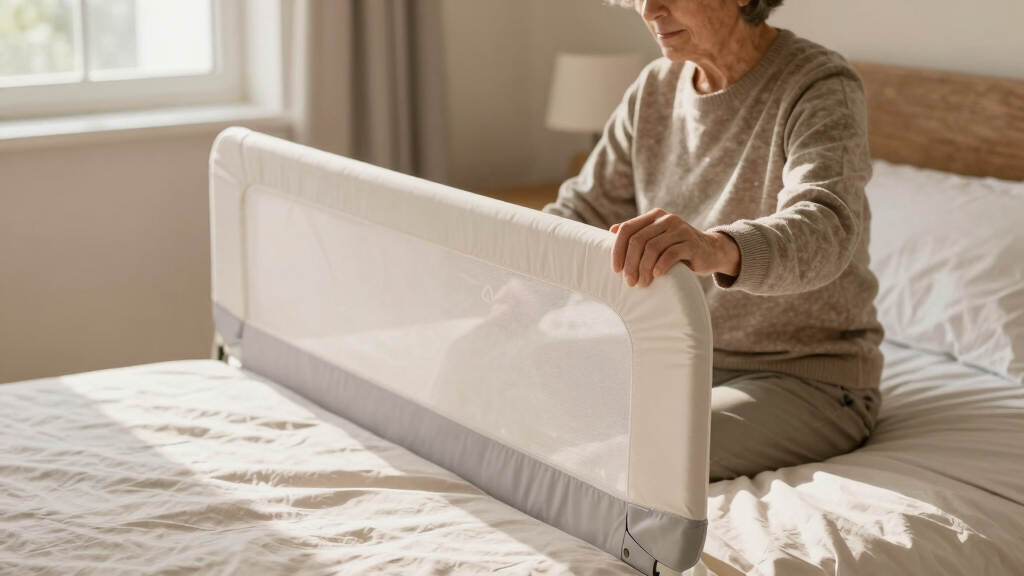
The look and feel of bed rails matter just as much as their safety. Choose options that blend with home decor—discreet, sleek, or even color-matched. Open designs that allow airflow and visibility help maintain a person’s sense of independence and dignity, preventing the feeling of being confined or medicalized.
Imagine a rail that folds into the bed frame when not in use, or one with a soft, fabric cover that doesn’t scream ‘medical device.’ Such thoughtful design can make a significant difference in how comfortable and respected the user feels. Involving your loved one in choosing a style not only ensures the product aligns with their aesthetic preferences but also fosters a sense of control, which is vital for their dignity. The key is to strike a balance—safety doesn’t have to mean sacrificing style or independence.
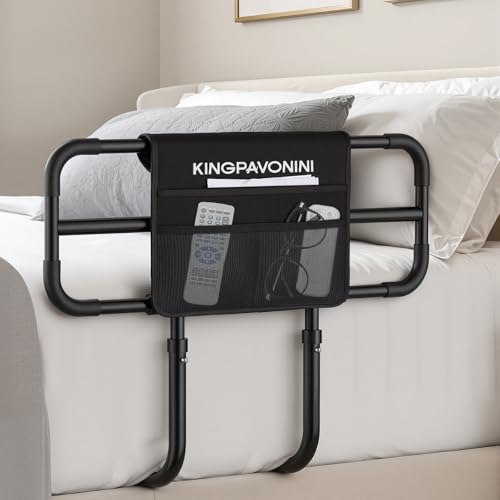
KingPavonini Bed Rail with Extendable Handle 350 LBS Capacity, Model BS09
- [ASTM-Approved Safety You Can Trust] Rigorously tested and…
- [Ultra-Wide Extendable Bed Side Rail of Its Kind]…
- [Adjustable Design for Flexible Fit] Handles extend 8…
As an affiliate, we earn on qualifying purchases.
As an affiliate, we earn on qualifying purchases.
Match Bed Rails to Your Bed—What Compatibility Matters?
Not all bed rails fit every bed. Compatibility depends on factors like bed frame type, size, and height. For example, a rail designed for a standard twin bed might not fit a low-profile or adjustable bed without specific adapters, which could compromise safety if not properly installed.
Understanding your bed’s specifications—such as side height, frame thickness, and type—is critical. Accurate measurements help ensure the rail will securely attach and function as intended. When in doubt, consult the product’s compatibility guides or contact the manufacturer. The tradeoff here involves investing time in proper measurement and research upfront, which pays off by avoiding the risks associated with incompatible or unstable rails later. Proper matching ensures safety, functionality, and peace of mind.
Follow Safety Standards—Why Certifications Matter
Always pick bed rails tested for safety, ideally certified by organizations like the FDA or ASTM. These standards help prevent hazards such as entrapment, dislodging, or structural failure, which can lead to serious injuries or even fatalities. Recognizing certified products ensures they have undergone rigorous testing for durability, safety, and compliance with regulations.
For instance, a product with FDA clearance has been evaluated for potential entrapment zones, weak points, and overall safety. When choosing a bed rail, asking vendors for certification documentation or checking labels carefully can prevent accidental use of unsafe equipment. The tradeoff involves prioritizing certified, tested products over cheaper, uncertified alternatives, which may seem cost-effective initially but pose significant safety risks. Certification acts as a safeguard, providing confidence that the product meets essential safety benchmarks, ultimately protecting the user’s dignity and well-being.
Stay Ahead with the Latest in Bed Rail Design and Safety
Recent innovations in bed rail design focus on enhanced safety and user comfort. For example, smart bed rails equipped with sensors can alert caregivers if a person tries to climb over or dislodges the rail, reducing the risk of falls or entrapment. These technological advancements provide an added layer of security and peace of mind.
Materials have also improved—lightweight yet durable plastics and coated metals make installation easier and reduce the feeling of bulkiness. Modern designs often incorporate fold-away or retractable features that blend seamlessly into bedroom decor, preserving aesthetic appeal and dignity. Customizable heights and integrated safety features allow for tailored solutions that meet individual needs without sacrificing style. These innovations reflect a broader understanding that safety and dignity are interconnected—advances that support both are shaping the future of elder care and personal safety at home.
Quick Checklist for Choosing the Perfect Bed Rail
- Identify primary safety need (fall prevention, mobility aid, etc.)
- Decide on full-length, half-length, or adjustable style
- Check bed compatibility and measurements
- Ensure safety features (secure mounting, smooth edges)
- Choose discreet, dignity-preserving design
- Verify safety standards and certifications
- Consider ease of installation and use
Frequently Asked Questions
Are bed rails safe for all users?
Not necessarily. Bed rails can pose risks for those with severe cognitive impairments or mobility issues, especially if not properly installed. Consulting a healthcare professional helps determine if a bed rail is appropriate for your loved one.
How do I choose the right size and type of bed rail?
Measure your bed’s side height, width, and frame type. Consider the user’s height, mobility, and safety needs. For example, a taller, sturdier rail might suit someone at high fall risk, while a shorter, discreet one works for more independent users.
Can bed rails be used with any bed?
Most are designed for standard beds, but compatibility varies. Always check product specifications and measure your bed before buying. For specialized beds like adjustable or hospital-style models, look for rails specifically made for those frames.
Are there alternatives to traditional bed rails?
Yes, options include bed alarms, low beds, or floor mats that alert caregivers if someone tries to get out of bed. These can be suitable for different safety needs and might be less restrictive.
How do I ensure bed rails do not compromise dignity?
Choose sleek, discreet designs that blend into your bedroom decor. Involve the user in selecting styles they feel comfortable with, fostering a sense of control and independence.
Conclusion
Choosing the right bed rails isn’t just about safety—it’s about respecting a person’s independence and dignity. A well-selected rail offers peace of mind without feeling restrictive, giving both caregivers and users confidence in everyday comfort.
Remember, safety standards and thoughtful design go hand-in-hand. When in doubt, consult a healthcare professional to find the best fit for your loved one’s needs. Comfort and security should feel natural—like a gentle, reassuring hug at bedtime.
Pool season Picks
robotic pool cleaners
As an affiliate, we earn on qualifying purchases.