TL;DR
Listen free for 30 days with Audible
Thousands of audiobooks and originals — cancel anytime.
Start your free trialAs an affiliate, we earn on qualifying purchases.
Getting in and out of a wheelchair safely hinges on preparation, correct technique, and helpful equipment. Good habits reduce falls and injuries, giving you more confidence and independence.
Always lock the wheelchair brakes before starting a transfer to prevent unexpected movement.
Use assistive devices like transfer boards or gait belts to improve safety and reduce strain.
Plan your environment — clear space, stable surface, proper lighting — before each transfer.
Stop immediately if you feel dizzy or unsteady, and seek help to avoid falls.
Regular practice and proper technique significantly reduce the risk of injury during transfers.
What You Need to Know Before You Transfer
Before you even start moving, prepare your space. Clear the area of clutter—no shoes, cords, or rugs that can trip you up. Make sure the wheelchair is on a flat, stable surface, and lock the brakes. Adjust the seat height so your feet rest flat on the ground or footrest, and ensure your clothing isn’t caught. These small steps set the stage for a safe transfer.
For example, imagine trying to stand up in a crowded, uneven space. The risk of slipping or losing balance skyrockets. Proper setup reduces that danger.

Transfer Board and Slide Board for transferring, Sliding Board Transfer to Wheelchair ,Patient Transfer ,Transfer Boards from Wheelchair to Car, Toilet, Tub, Slide Sheet, (Patented Product)
- Package Includes: Transfer Board and Slide Sheet
- Easy to Use: Smooth patient transfer and positioning
- Anti-Slip Design: Secure and safe during transfers
As an affiliate, we earn on qualifying purchases.
As an affiliate, we earn on qualifying purchases.
How to Lock Your Wheelchair for a Safe Transfer
Lock the wheelchair brakes before any move. Most wheelchairs have two levers on each side—push them down firmly until they click. This prevents the chair from rolling unexpectedly. Confirm by gently rocking the chair—if it doesn’t move, you’re set.
For instance, a person trying to transfer without locking brakes might find the chair sliding away, causing a fall. Locking brakes is a simple step that saves many accidents.

Posey 6537Q Transfer Belt, Black with Green Economy Model – Extra-Wide Soft Nylon – Washable Walking Belt & Gait Transfer Belt – Medical Supplies for Nurses, Therapists & Home Care Caregivers (6537Q)
- Strong and Supportive Design: Extra-wide 4” nylon webbing with rear support band
- Durable with Multiple Handles: Six securely stitched grab handles for firm grip
- Adjustable Fit: Waist size accommodates 28” to 52”
As an affiliate, we earn on qualifying purchases.
As an affiliate, we earn on qualifying purchases.
Step-by-Step: Safely Sitting Up From Your Wheelchair
- Position yourself towards the edge of the seat, leaning slightly forward.
- Place your feet flat on the ground or footrest, shoulder-width apart.
- Use your armrests or transfer aids for support.
- Push down through your hands or arms, engaging your core, to lift your hips off the seat.
- Swing your legs forward, placing your feet flat on the floor or footrest.
This sequence helps shift your weight smoothly, reducing strain and risk of falling.
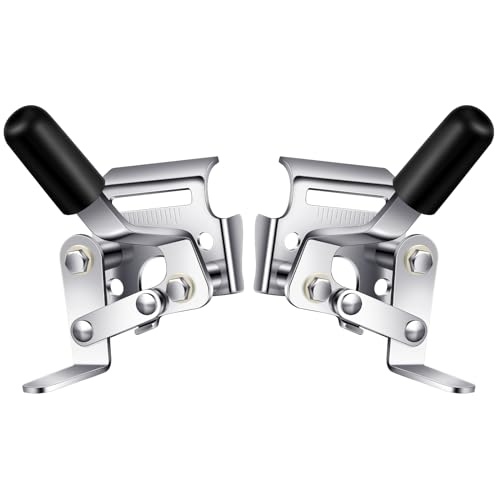
DaisyInner 2 Pcs Heavy Duty Wheelchair Brakes Wheel Locks Wheelchair Parts Mount Bolt on Style for 7/8 Inch Tubing Universal Wheel Lock Brake Assembly Medical Transport Chair Brake Side (Silver)
- Package Includes: 2 wheelchair brakes for replacement and longevity
- Size Compatibility: Fits 7/8 inch side mount tubes
- Durable Material: Made from quality iron with non-slip rubber handles
As an affiliate, we earn on qualifying purchases.
As an affiliate, we earn on qualifying purchases.
How to Get Out of a Wheelchair Without Falling
Getting out safely involves controlled movements. Lock the brakes, adjust your clothing, and position yourself at the edge. Use your hands on armrests or transfer aids to push yourself upright. Keep your head up and look straight ahead for balance.
For example, someone might feel dizzy during a transfer. If that happens, sit back down immediately and seek help. Recognizing early signs of dizziness—such as lightheadedness, nausea, or blurred vision—is vital. Acting quickly by sitting down prevents falls and injuries. It’s important to listen to your body, as ignoring these signs can lead to sudden loss of balance, making injuries more likely. Taking a moment to recover can be the difference between a safe transfer and a fall.
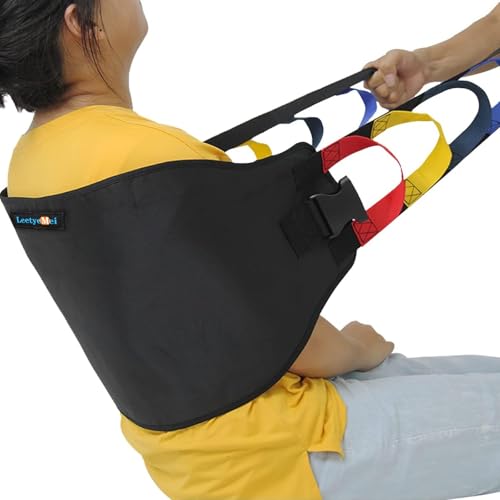
Transfer Sling, Transfer Belt for Elderly, Gait Belts for Seniors
- Safe Assistance for Transfers: Supports transfers to bed, wheelchair, car, and commode
- Comfortable, Soft Material: Made of high-quality nylon and mesh fabric
- Enhanced Skin Protection: Widened back contact area prevents skin damage
As an affiliate, we earn on qualifying purchases.
As an affiliate, we earn on qualifying purchases.
How to Transfer Safely to a Bed or Toilet
Follow these key steps:
- Lock both the wheelchair and the bed or toilet if possible.
- Position yourself close to the edge, facing the target surface.
- Use transfer aids like a transfer board or grab bar if available.
- Place your hands firmly, push through your arms, and pivot onto the new surface.
Understanding the rationale behind these steps is crucial: locking prevents movement that could cause falls, proper positioning reduces strain, and transfer aids provide stability, especially for those with limited strength. The pivot motion minimizes the effort needed and maintains balance, which is vital for safety and efficiency. This method ensures that your body remains aligned, reducing muscle strain and the risk of slipping or losing control during the transfer. Proper technique also helps prevent injuries such as muscle strains or joint pain, which can occur if movements are rushed or improper.
Choosing the Right Equipment for Safe Transfers
Assistive devices make transfers easier and safer. Consider:
- Transfer boards for sliding transfers
- Gait belts for a secure grip
- Slide sheets to reduce friction and effort
- Ceiling lifts for heavy or limited mobility transfers
For example, a caregiver helping an elderly parent might use a gait belt to maintain control during standing and pivoting. The right equipment not only enhances safety but also reduces the physical strain on both the user and caregiver, making transfers more manageable and less risky. Choosing appropriate devices based on individual needs can prevent unnecessary falls and injuries, especially when muscle strength or stability is compromised. Additionally, understanding how to use each device correctly maximizes their benefits and minimizes potential misuse that could lead to accidents.
What to Do If You Feel Dizzy or Unsteady
If dizziness hits during a transfer, stop immediately. Sit back down in the wheelchair or on a stable surface. Take deep breaths, and if needed, ask for help. Recognizing early signs of dizziness—such as lightheadedness, nausea, or blurred vision—is key to preventing falls. Acting promptly by sitting down reduces the risk of falling and gives your body a chance to recover. Ignoring these signs can lead to sudden loss of balance, so listening to your body is essential for safety. Developing awareness of your body’s signals allows you to respond proactively, avoiding dangerous situations that could result in injury. Taking a moment to recover not only prevents falls but also helps you regain confidence for future transfers.
How to Prevent Falls When Moving In and Out of Your Wheelchair
Prevention relies on good habits and understanding the reasons behind each step:
- Lock brakes every time before moving to prevent unexpected rolling, which could cause imbalance or falls.
- Wear sturdy, non-slip shoes to ensure foot stability during transfers, especially on slick surfaces.
- Maintain good posture and balance to keep your center of gravity aligned, reducing the chance of tipping over.
- Practice transfers regularly to build muscle memory and confidence, which are crucial for safe, smooth movements, especially in unfamiliar settings or when fatigued.
For example, consistent practice helps identify personal challenges and adapt techniques accordingly, making each transfer safer and more efficient over time. Understanding the ‘why’ behind these habits encourages adherence and mindful execution, further reducing fall risk. Building these habits creates a safer environment and promotes confidence, making the process more intuitive and less stressful, which ultimately minimizes the chance of accidents.
Helpful Equipment That Can Make Transfers Easier
Tools like transfer boards, slide sheets, and ceiling lifts transform difficult moves into manageable tasks. Gait belts help you stay secure. These devices are designed to reduce strain and increase confidence, especially when physical strength or mobility is limited. Knowing when and how to use each device can significantly improve safety and independence, enabling smoother, less stressful transfers.
For instance, a ceiling lift can safely transfer a person with very limited strength, avoiding injury for both caregiver and user. Proper training on these devices is essential to maximize their benefits and ensure safe use. Investing time in learning correct techniques and maintenance ensures these tools work effectively when needed, reducing the likelihood of misuse or accidents.
When to Seek Professional Help for Transfers
If transfers cause pain, feel unsafe, or you’re unsure about your technique, consult a healthcare professional. Physical therapists can tailor methods to your specific needs, ensuring safety and comfort. They can assess your strength, balance, and mobility to recommend personalized strategies and equipment. Recognizing when professional guidance is needed is vital; attempting unsafe transfers can lead to injuries, especially if underlying health issues are present. Regular evaluations and training help maintain safety and independence over time. Consulting professionals can also uncover underlying issues that may not be obvious, such as joint problems or muscle weakness, which could compromise safety if not addressed. Their expertise ensures that your transfer techniques evolve with your changing needs, reducing long-term risks.
Frequently Asked Questions
What if I don’t have much strength or balance?
Use transfer aids like a transfer board or gait belt, and ask for help when needed. Consulting a physical therapist can also provide personalized techniques and exercises to build strength safely.How can I avoid falling when transferring to the toilet or bed?
Lock all brakes, use grab bars or transfer aids, and practice proper body mechanics. Never rush — take your time with each step.Are there techniques for independent transfers?
Yes, pivot transfers and slide transfers are common. Practice regularly, and consider using transfer aids. A professional can teach you proper methods tailored to your mobility level.What should I do if I feel dizzy during a transfer?
Sit down immediately, lean back if possible, and breathe deeply. Seek assistance if needed. Never try to push through dizziness, as it increases fall risk.When should I ask for professional help?
If transfers cause pain, seem unsafe, or you’re unsure about your technique, consult a healthcare provider or physical therapist. They can assess your situation and suggest improvements.Conclusion
A safe transfer isn’t just about strength — it’s about smart moves, the right tools, and awareness. Take a moment to prepare, stay alert, and use assistive devices as needed. Your safety and dignity depend on it. Every successful transfer builds confidence, making everyday independence a little easier.Baby shower & registry season Picks
baby registry must-haves
As an affiliate, we earn on qualifying purchases.