
TL;DR

Turn quiet afternoons into listening time
- Thousands of audiobooks, podcasts and originals
- Listen on your phone, tablet or Echo — also offline
- Cancel anytime
Eight fast-growing plants are highlighted for their ability to quickly fill garden gaps in August with vibrant, lavish color. This development offers gardeners practical options for late-summer landscaping, with confirmed plant choices and expert recommendations.
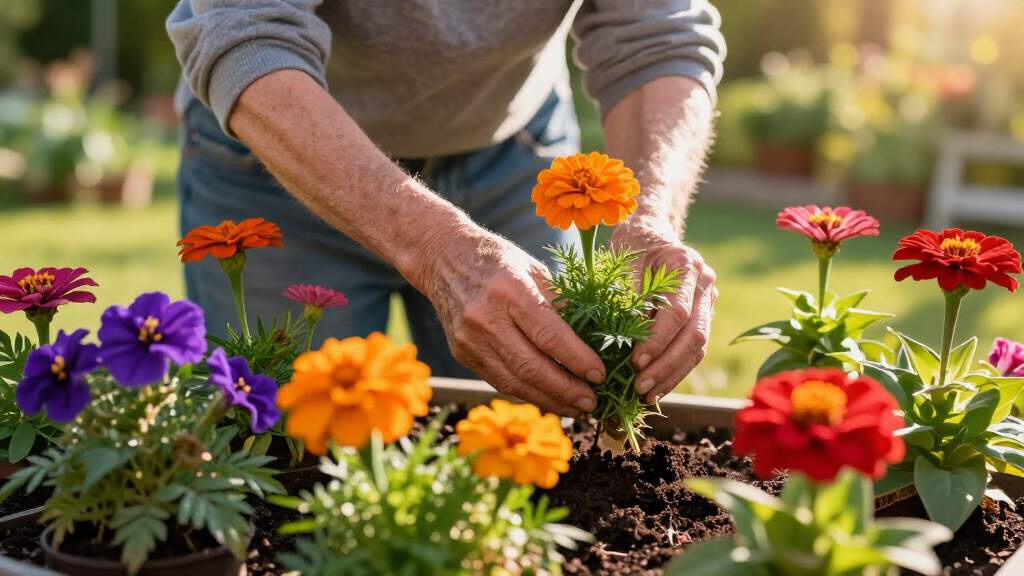
Eight fast-growing plants have been identified as ideal choices for filling late-summer garden gaps with vibrant color, according to gardening experts. These selections enable gardeners to create a lush, colorful display into early fall, addressing the common challenge of diminishing blooms in August.
Gardening specialists emphasize eight specific plants known for their rapid growth and ability to produce lavish color during late summer. These include varieties such as Sunflower ‘Autumn Beauty’, Goldenrod (Solidago spp.), Joe-Pye Weed, Black-eyed Susan (Rudbeckia hirta), New England Aster, Japanese Anemone, Goldenrod, and Montauk Daisy. These plants are praised for their quick establishment and long-lasting blooms, making them suitable for filling gaps left by earlier flowering plants.
Experts from horticultural sources note that these plants not only add color but also attract pollinators, supporting local ecosystems. Gardeners are encouraged to select species suited to their climate zones and soil conditions for optimal growth. The recommendation comes amid reports of gardeners seeking reliable late-season options to extend garden interest and curb the typical August lull in blooms.
Why Gardeners Should Consider These Late Summer Plants
These eight plants offer a practical solution for gardeners aiming to maintain vibrant, colorful gardens through late summer into fall. Their rapid growth helps fill garden gaps quickly, ensuring continuous visual interest and supporting pollinator activity. This development is significant for both aesthetic appeal and ecological health, especially as many traditional summer blooms fade by August.
fast-growing late summer garden plants
As an affiliate, we earn on qualifying purchases.
As an affiliate, we earn on qualifying purchases.
Late Summer Garden Color Challenges and Solutions
Many gardeners face a common challenge in August: the decline of early summer flowers and the need for plants that can quickly fill in gaps. Historically, late-season color has depended on a limited set of perennials and annuals, which may not always perform reliably. Recent expert recommendations highlight specific fast-growing plants that can be incorporated into existing garden beds to address this issue. These suggestions align with broader trends toward sustainable, pollinator-friendly gardening practices.
As an affiliate, we earn on qualifying purchases.
Uncertainties About Plant Performance and Garden Compatibility
While these plants are recommended for their rapid growth and late-season color, it remains unclear how they will perform across all climate zones and soil types. Some varieties may require specific care or soil amendments, and their long-term resilience in different environments is still being observed. Further research and regional trials are needed to confirm their universal suitability.
pollinator-friendly late summer plants
As an affiliate, we earn on qualifying purchases.
As an affiliate, we earn on qualifying purchases.
Next Steps for Gardeners and Horticultural Experts
Gardeners are encouraged to experiment with these plants in their own gardens this late summer, monitoring growth and bloom longevity. Horticultural organizations plan to conduct regional trials to better understand performance across diverse conditions. Additionally, landscaping professionals are expected to incorporate these plants into new garden designs aimed at extending seasonal interest.
As an affiliate, we earn on qualifying purchases.
Key Questions
Which of these plants are easiest for beginner gardeners?
Plants like Black-eyed Susan and Goldenrod are known for their ease of growth and minimal maintenance, making them suitable for beginners.
Can these plants attract pollinators in late summer?
Yes, many of these plants, such as Joe-Pye Weed and New England Aster, are highly attractive to pollinators like bees and butterflies, supporting local ecosystems.
Are these plants suitable for container gardening?
Some, like Japanese Anemone and Montauk Daisy, can be grown in containers with proper care, but others may require larger beds for optimal growth.
When is the best time to plant these species for fall blooms?
The ideal planting window is early spring or late summer, allowing plants to establish before the peak bloom period in late summer and fall.
Source: rss
Fall Picks
fall essentials
As an affiliate, we earn on qualifying purchases.