
TL;DR

Turn quiet afternoons into listening time
- Thousands of audiobooks, podcasts and originals
- Listen on your phone, tablet or Echo — also offline
- Cancel anytime
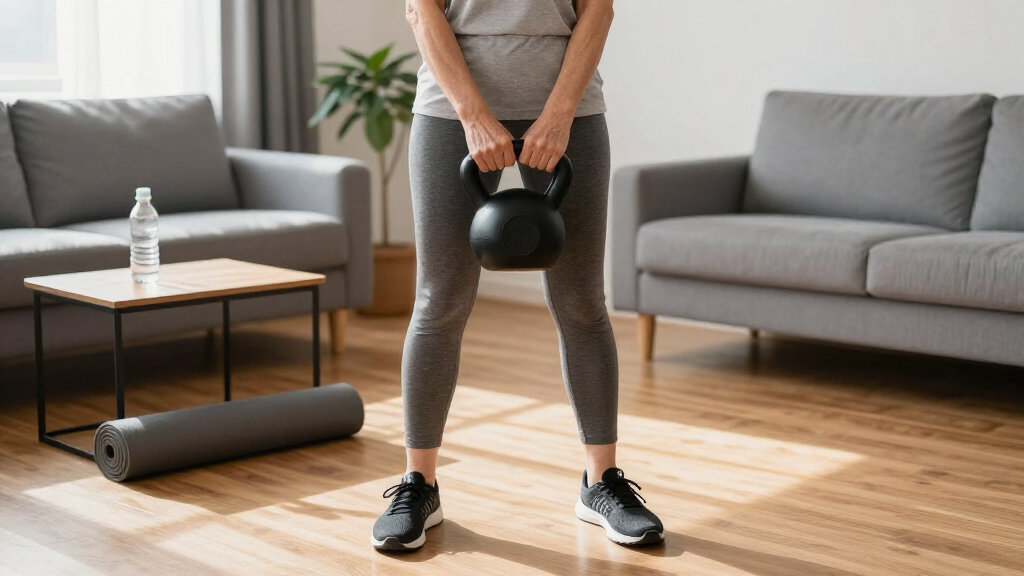
Online interest is spiking in full-body kettlebell workouts positioned as a defense against the health effects of prolonged sitting. The trend is confirmed by coverage metadata, but the specific trigger — a particular article, video, or fitness campaign — is unconfirmed.
A wellness article recommending a full-body kettlebell workout to counteract the effects of prolonged sitting is drawing renewed attention across fitness and wellness channels, according to RSS feed metadata tracking wellness content. The piece frames kettlebell training as a time-efficient way to offset the muscular and postural consequences of long hours spent seated, a concern that has become widespread as desk-based and remote work remain common. The article itself is real and currently circulating, but what specifically triggered this wave of interest — whether a seasonal fitness push, a new study, or simply algorithmic amplification — is not confirmed.
The circulating article, categorized under wellness content and distributed via RSS, promotes a full-body kettlebell routine intended to “defend against” the physical effects of extended sitting. Its core premise aligns with long-established exercise science: kettlebell training combines strength work and cardiovascular effort in compound movements — swings, squats, rows, and carries — that engage the posterior chain, hips, and back, areas that exercise physiologists have long identified as weakened or tightened by sedentary postures.
What is confirmed at this stage is limited but concrete. First, the article exists and is actively circulating in wellness feeds, which is why coverage and search interest around ‘kettlebell’ and ‘prolonged sitting’ has risen. Second, the underlying health concern it addresses is well documented: public health bodies including the World Health Organization have for years listed physical inactivity and excessive sedentary time as risk factors for cardiovascular disease, type 2 diabetes, and musculoskeletal problems. Third, kettlebell training itself is a recognized, long-practiced modality within strength and conditioning, not a novelty.
What is not confirmed is any specific claim tied to this particular workout — its exact exercises, duration, intensity, or who designed it. The metadata identifies only the headline, its wellness category, and its RSS distribution. Readers encountering the routine should treat the workout’s promised benefits as the article’s claims rather than independently verified findings.
Why Desk Workers Are Turning to Kettlebells
The spike in interest matters because it reflects a persistent, unresolved tension in modern work life: millions of people sit for most of the day, and the known health costs of that behavior continue to accumulate. WHO guidance has long recommended that adults get regular moderate-to-vigorous physical activity each week, and research consistently links high sedentary time with worse metabolic and postural outcomes — though the extent to which a single workout can “defend against” those outcomes varies by study.
Kettlebells occupy a specific niche in this conversation. Unlike machines or barbell setups, a single kettlebell is inexpensive, requires little space, and allows short, high-effort sessions — practical features for office and home workers who cannot commit to gym schedules. That convenience, rather than any newly discovered property of the equipment, is the most plausible driver of the current interest: when desk-work fatigue and back discomfort peak, kettlebell content reliably trends.
For readers, the practical takeaway is modest but real: the general principle behind the article — that regular resistance and full-body movement helps offset sedentary strain — is supported by mainstream exercise guidance. Any specific promise attached to this particular routine, however, should be weighed against the reader’s own fitness level and, where relevant, advice from a qualified health professional.
Top picks for "defend against effect"
As an affiliate, we earn on qualifying purchases.
The Sedentary Work Problem Behind the Trend
Prolonged sitting became a mass-scale issue as knowledge work shifted to desks and, since 2020, large numbers of workers moved to home offices, often with less ergonomic setup and less incidental movement. Health authorities have responded with standing-desk guidance, movement-break recommendations, and minimum weekly activity targets — the WHO advises adults to limit sedentary time and replace it with activity of any intensity.
Kettlebell training grew from a long history in strength athletics into mainstream fitness over the past two decades, valued for movements like the swing that train the hips, glutes, and back — precisely the muscle groups that weaken or tighten during long sitting. Fitness media has repeatedly published kettlebell routines targeting desk workers, so the current article fits an established content genre rather than representing a new approach. The ‘full-body’ framing emphasizes that such routines aim at overall strength and posture rather than isolated muscle groups.
“Defend against the effects of prolonged sitting with this full-body kettlebell workout”
— Article headline, via RSS wellness feed
What the Metadata Does Not Show
Several things remain unclear. The trigger for the interest spike is unconfirmed — it may be seasonal (new-year or pre-summer fitness cycles), a high-traffic publisher push, or a social media amplification effect; the RSS metadata alone cannot distinguish these. The article’s specific content — its exercises, sets, reps, and safety guidance — has not been independently reviewed here, so its quality is unknown. No named author, trainer, or institution associated with the routine has been verified. And no peer-reviewed evidence specific to this workout exists; any effectiveness claims are the publisher’s framing, not established findings.
Where This Fitness Trend Goes From Here
If the pattern of previous kettlebell and desk-workout trends holds, related content — follow-along videos, variation routines for beginners, and posture-focused programming — will likely appear across fitness platforms in the coming weeks. Readers interested in acting on the trend can wait for fuller details of the routine to emerge, or consult established sources such as certified trainers and national physical-activity guidelines in the meantime. Anyone with existing back, joint, or cardiovascular conditions should speak with a qualified health professional before starting a new resistance program. This publication will update if the source article’s full details or its authorship are confirmed.
Key Questions
What is the actual news here?
A wellness article about a full-body kettlebell workout for prolonged sitting is circulating widely via RSS, and search and coverage interest in the topic is spiking. The workout itself is not a new scientific development — the news is the surge of attention around it.
Can a kettlebell workout really counteract prolonged sitting?
General exercise guidance supports regular strength and cardiovascular activity as beneficial for people who sit for long periods, and kettlebell training is a recognized way to get both. However, the specific claim that this particular routine ‘defends against’ sitting’s effects is the article’s framing and has not been independently verified.
Do we know what exercises the workout includes?
No. Only the headline and its wellness category are confirmed via the feed metadata. The routine’s specific movements, duration, and intensity are not verified, though kettlebell programs of this type commonly feature swings, squats, rows, and carries.
Is prolonged sitting actually a health concern?
Yes — this is long-established. The World Health Organization and other health authorities link high sedentary time to increased risks including cardiovascular disease and type 2 diabetes, and recommend limiting sitting and adding regular physical activity.
Should I start this workout if I sit all day?
Regular movement and resistance training are broadly recommended for sedentary adults, but individuals with back, joint, or cardiovascular conditions should consult a qualified health professional first, and any new routine should match the person’s current fitness level.
Source: rss
Fall Picks
fall essentials
As an affiliate, we earn on qualifying purchases.