
TL;DR
Listen free for 30 days with Audible
Thousands of audiobooks and originals — cancel anytime.
Start your free trialAs an affiliate, we earn on qualifying purchases.
Nighttime safety is about reducing fall risks, preventing wandering, and managing sleep issues through practical home modifications and smart technology. Caregivers can create a safer, calmer night for loved ones with simple steps and modern tools.
Nighttime can be the most unpredictable part of caregiving. You might worry about falls, wandering, or confusion when your loved one is alone. But with a few practical tweaks and the right tools, you can transform those dark hours into a safer, more peaceful time for everyone.
This guide walks you through real-world strategies—simple environmental changes, useful tech, and behavioral tips—to keep your loved one safe while preserving their dignity and independence. Because safety isn’t about restrictions; it’s about creating a calm, controlled environment that reduces surprises and accidents.
Environmental fixes like proper lighting and clutter removal can cut fall risks by half.
Smart sensors and GPS trackers offer effective, respectful monitoring without invading privacy.
Consistent routines and calming techniques greatly reduce nighttime confusion and agitation.
Emergency preparedness—like accessible contacts and basic first aid—can prevent minor incidents from becoming crises.
Technology such as bed sensors and automated lighting supports independence while ensuring safety.
How to Spot Nighttime Risks Before They Become Emergencies
Knowing the common dangers helps you prevent accidents before they happen. Nighttime risks include falls on slippery floors, wandering into unsafe areas, or confusion leading to unsafe behaviors. A quick walk-through of your loved one’s space reveals hazards—like loose rugs, clutter, or uneven lighting—that could cause falls.
For example, imagine a senior who gets up in the dark and trips over a loose rug in the hallway. Fixing that rug or removing it altogether can cut their fall risk dramatically. Regularly walking through the home, especially at night, keeps you aware of hazards that need fixing.
Research shows that environmental safety measures can reduce fall-related injuries by up to 50%. Being proactive saves injuries—and peace of mind.
motion-activated night lights for seniors
As an affiliate, we earn on qualifying purchases.
As an affiliate, we earn on qualifying purchases.
Smart Lighting and Clutter-Free Spaces Keep Nighttime Safe
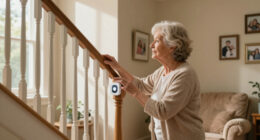
Smart lighting is a game-changer for nighttime safety. Install motion-activated lights in hallways, bathrooms, and bedrooms. These lights turn on automatically, eliminating the need to fumble for switches in the dark.
Pair lighting with clutter-free pathways. Clear away cords, loose rugs, and unnecessary furniture that could trip your loved one. Imagine a corridor bathed in gentle, automatic light—no startling switches or shadows, just a safe path.
For example, a caregiver installed nightlights along the main path to the bathroom. The result? Fewer trips and a calmer night for both of them.
In practice, combining good lighting and a tidy space can reduce falls by half. It’s a simple, effective step that makes a big difference.
As an affiliate, we earn on qualifying purchases.
Top 3 Safety Devices That Keep Watch Without Invading Privacy
Monitoring devices are your eyes and ears when you can’t be right there. Here are three top options:
- Video cameras with remote access: Small, discreet cameras that let you check in on your loved one from anywhere. They enable real-time monitoring, which can be reassuring, but it’s important to balance surveillance with respect for privacy. Over-monitoring may cause discomfort or feelings of invasion; therefore, choosing cameras that are unobtrusive and used with consent helps maintain dignity.
- Motion sensors: Devices that alert you if unexpected movement happens during the night. These are particularly useful for detecting wandering or falls without constant visual monitoring. They provide immediate alerts, so you can respond promptly, but you should consider false alarms from pets or environmental factors, which might cause unnecessary worry.
- GPS trackers: Small wearable devices that help locate someone if they wander off or get lost. They are crucial for individuals with dementia, offering peace of mind and quick response in emergencies. However, they require the individual’s cooperation and understanding, and overreliance might reduce direct supervision, so they should complement other safety measures.
For example, a family used a simple door sensor that alerts their phone if the front door opens at night. It’s non-intrusive, respects privacy, and offers peace of mind.
These tools aren’t about spying—they’re about safety, giving you quick alerts when something’s amiss.
As an affiliate, we earn on qualifying purchases.
How to Prevent Wandering Without Making the Home Feel Restrictive
Wandering is common among those with dementia—especially at night. The goal isn’t to restrict freedom but to create a safe environment. Start by installing alarms on doors or windows, which sound when opened unexpectedly.
Use visual cues—like brightly colored tape or signs—near exits to remind your loved one they shouldn’t leave. For example, a caregiver placed a vivid red sticker on the front door, making it obvious and less tempting to wander past.
Another trick: set up a cozy, engaging space near their bedroom that offers comfort without temptation. It’s about guiding behavior gently, not locking doors or creating barriers.
Research shows that alarm systems and visual cues can cut wandering incidents by up to 70%. Respectful, non-restrictive measures keep everyone calmer and foster a sense of security. These strategies also help preserve the individual’s autonomy, which is vital for their dignity and mental well-being. The tradeoff is that while these measures reduce risks, they require consistent implementation and patience to be effective. Over time, they can significantly decrease anxiety around nighttime wandering, allowing your loved one to maintain a sense of independence while staying safe.
fall prevention home modifications
As an affiliate, we earn on qualifying purchases.
As an affiliate, we earn on qualifying purchases.
Handling Nighttime Confusion or Agitation Calmly
When your loved one wakes up confused or agitated, a calm, reassuring approach works best. Speak softly, use familiar words, and avoid arguing. For example, if they’re distressed about being alone, gently remind them they’re safe and you’re nearby.
Use calming techniques—like soft music, gentle massage, or a favorite blanket—to soothe them. Sometimes, guiding them to a familiar, comfortable spot helps reduce agitation. It’s important to recognize that agitation often stems from discomfort, fear, or unmet needs, and addressing these underlying causes can prevent escalation. For example, offering a glass of water or a bathroom break might quickly restore calm. Additionally, maintaining a consistent routine helps create predictability, which reduces anxiety and confusion. Over time, these gentle, empathetic responses can improve trust and reduce the frequency and intensity of nighttime agitation, fostering a more peaceful environment for everyone involved.
Remember, patience and understanding are key. Your calm demeanor can influence their emotional state, making it easier to navigate episodes of confusion or agitation effectively.
Emergency Preparedness: What Every Caregiver Must Know
Having an emergency plan in place is essential. Keep emergency contact numbers visible near the bed. Practice quick response drills—like how to help someone who’s fallen or is unresponsive.
For example, a caregiver keeps a written list of emergency contacts taped to the nightstand. They also keep a flashlight, a basic first aid kit, and a phone within easy reach. Regularly reviewing and updating these plans ensures everyone knows what to do, reducing panic during actual emergencies. It’s also wise to discuss the plan with your loved one, so they understand what’s happening, which can reduce fear and resistance. Knowing CPR and basic first aid can be life-saving, and local community classes often offer quick, hands-on training. Being prepared isn’t just about equipment; it’s about confidence. When emergencies happen, a calm, practiced response can prevent further harm and facilitate quicker recovery, ultimately protecting your loved one’s health and safety.
Latest Tech That Makes Nighttime Safer and Easier
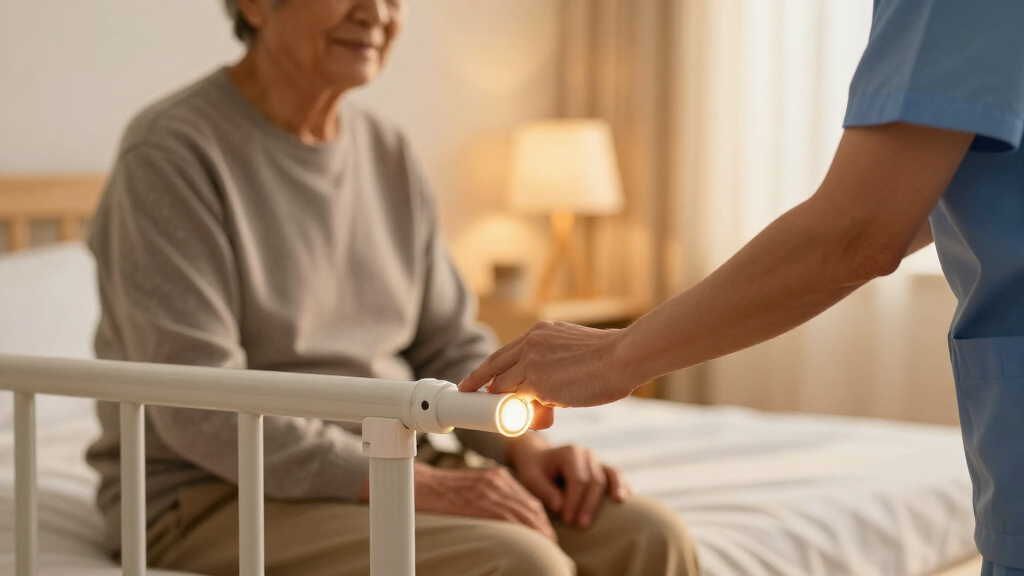
Smart home gadgets are evolving fast. Bed sensors now track movement and alert you if someone gets out of bed unexpectedly. Automated lighting can turn on gradually, mimicking natural dawn and easing transitions in the night.
Wearables with GPS and health monitoring alert caregivers if the person wanders or shows signs of distress. Sleep trackers analyze sleep quality, helping you identify issues like restless nights or sleep apnea. These innovations provide real-time data, enabling proactive responses that can prevent accidents or health issues before they escalate. For instance, a combination of a bed sensor and a GPS tracker allows caregivers to respond quickly if their loved one gets up at night or wanders outside. The key is understanding that technology can support independence and safety simultaneously, but it should complement human oversight rather than replace it. The tradeoff involves balancing privacy concerns with safety benefits, which requires thoughtful implementation tailored to each individual’s needs.
These tools are about supporting independence, reducing risks, and easing caregiver worries.
Frequently Asked Questions
What safety devices are best for monitoring loved ones at night?
Video cameras with remote access, motion sensors, and GPS trackers are among the most effective. They help you keep an eye on your loved one without being intrusive and can alert you immediately to any unusual activity.
How can I prevent wandering without making the home feel restrictive?
Use alarms on doors, visual cues like bright stickers, and create comforting spaces near bedrooms. These gentle measures guide behavior without locking doors or creating barriers, respecting independence while maintaining safety.
What environmental changes can improve safety without making the home feel like a prison?
Focus on good lighting, removing tripping hazards, and installing grab bars in bathrooms. These simple modifications enhance safety subtly and preserve a sense of normalcy and dignity.
How do I handle nighttime agitation or confusion?
Stay calm, speak softly, and use familiar words. Offer comforting objects or routines, and address basic needs quickly. This approach helps reduce distress and fosters a sense of security.
When should I seek professional help for nighttime safety concerns?
If risks persist despite adjustments, or if your loved one’s behavior worsens, consulting a healthcare professional or specialist in dementia care can provide tailored strategies and support.
Conclusion
Nighttime safety isn’t about locking your loved one away. It’s about creating a gentle, aware environment where risks are minimized and confidence is built. Small changes—like better lighting, smart tech, and calm routines—can turn restless nights into peaceful, safe hours.
Remember, your vigilance and kindness make all the difference. With the right tools and strategies, you can help your loved one sleep soundly—knowing they’re protected and respected.
Flea & tick season Picks
flea and tick prevention
As an affiliate, we earn on qualifying purchases.