
TL;DR
Using your home blood pressure cuff correctly is key to reliable readings. Proper technique, regular monitoring, and understanding recent device advances help manage hypertension confidently at home.
Choose a cuff size that fits your arm and has proper certification for accurate results.
Prepare yourself physically and environmentally—rest, sit correctly, and avoid stimulants before measuring.
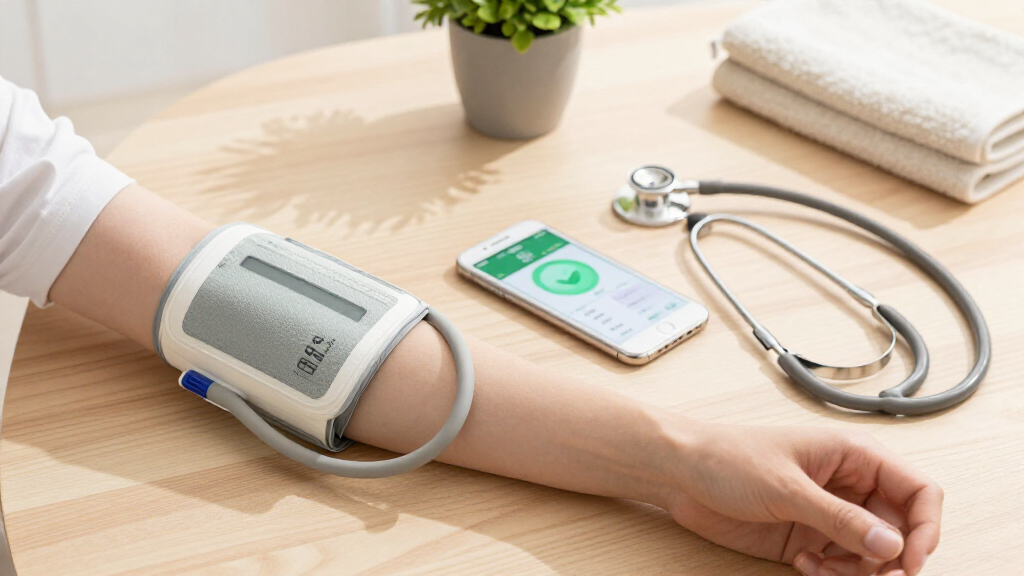
Position the cuff properly, lining up the artery marker and wrapping snugly without discomfort.
Take multiple readings, record your results, and track trends over time for better health insights.
Stay informed about new device features and guidelines to keep your readings reliable.
Choose the Right Cuff Size and Certification—Why Fit and Quality Matter
Using a cuff that fits your arm snugly is the first step toward accurate readings. Imagine trying to measure with a too-small or too-large cuff—your numbers could be off by 10 mm Hg or more. Proper fit ensures the cuff compresses the artery just enough for an accurate reading without causing discomfort or restricting blood flow excessively. Look for cuffs labeled with your arm size—small, standard, or large—and check for validation certifications from reputable groups like the American Heart Association. A well-fitting, certified cuff is your best bet for trustworthy results because it minimizes measurement errors stemming from improper sizing or subpar device quality. This is critical because inaccurate readings can lead to misdiagnosis—either missing high blood pressure or falsely diagnosing it—potentially resulting in unnecessary medication or overlooked health risks.
For example, if you have a larger arm and use a standard cuff, you might get falsely high readings, which could lead to unnecessary worry or medication adjustments. Conversely, a cuff that’s too loose on a small arm can give falsely low readings, potentially delaying treatment. Investing in a validated device that matches your arm size ensures your measurements are as close to your true blood pressure as possible, helping you and your healthcare provider make better-informed decisions.
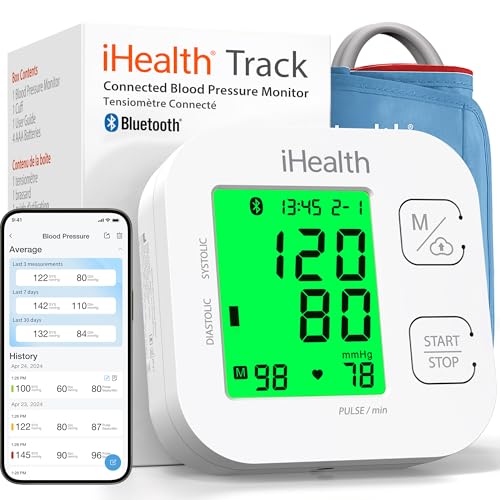
iHealth Track Smart Upper Arm Blood Pressure Monitor with Wide-Range Cuff
- Clinically Accurate: Easy operation, no calibration needed
- Large Backlit Display: Oversized numbers with color-coded readings
- Easy Data Management: Store up to 99 readings, unlimited via app
As an affiliate, we earn on qualifying purchases.
As an affiliate, we earn on qualifying purchases.
Prepare Your Body and Environment for a Trustworthy Measurement
Before you even put the cuff on, set the stage for accuracy by preparing your body and environment. Resting quietly for at least 5 minutes allows your blood vessels to stabilize after activity, providing a baseline measurement that reflects your typical blood pressure. During this time, avoid caffeine, nicotine, alcohol, or vigorous activity, as these can temporarily elevate blood pressure and give a misleading picture of your overall health. Sit comfortably with your back supported, feet flat on the floor (no crossing legs), and your arm resting on a flat surface at heart level. Maintaining this position consistently helps reduce variability between readings, making it easier to track true changes over time. If your body is tense, moving, or stressed during measurement, your blood pressure can spike temporarily, leading to inaccurate data that might cause unnecessary concern or medication adjustments. Proper preparation minimizes these effects and ensures you get a true reflection of your usual blood pressure, which is essential for effective management and early detection of issues.
For example, if you take your blood pressure right after rushing from another room or after drinking coffee, your numbers might be artificially high due to stress or stimulants. Consistent preparation not only improves accuracy but also helps you identify genuine trends versus transient fluctuations, making your monitoring more meaningful and reliable.
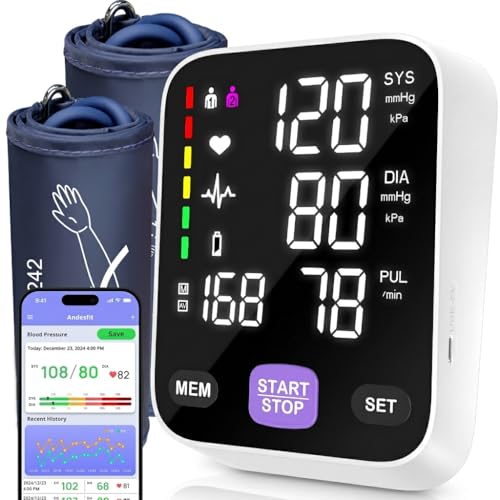
Andesfit Upper Arm Blood Pressure Monitor for Home Use 17" Large & 21" XL Extra Large Cuff Big arm, Free APP Bluetooth Sync Apple Health Track Google Fit, Large Display Smart BP Machine for Seniors
- CLINICALLY ACCURATE & FDA CLEARED: Our upper arm blood pressure…
- Two Cuffs Included for the Whole Family Large…
- Track Your Progress, Share with Doctors Bluetooth Sync…
As an affiliate, we earn on qualifying purchases.
As an affiliate, we earn on qualifying purchases.
Position the Cuff Correctly—Simple Steps for Perfect Placement
Proper cuff placement is critical because incorrect positioning can significantly distort your readings. Wrap the cuff around your upper arm, about 1 inch above the elbow, ensuring it’s snug but not tight enough to cause discomfort or restrict blood flow. The cuff’s artery mark should align with your brachial artery—think of it as lining up the arrow with the target. Proper alignment ensures the cuff compresses the artery accurately during measurement, providing a true reading. Avoid clothing between the cuff and your skin—wear a short-sleeved shirt or roll up your sleeve to ensure direct contact. Incorrect placement—such as wrapping the cuff too loosely, too tightly, or misaligning it—can lead to falsely high or low readings. For instance, a cuff too loose might slip or not compress the artery properly, resulting in an underestimated pressure, while a cuff too tight can artificially raise the reading or cause discomfort. Take a moment to position the cuff correctly, as this simple step is fundamental in obtaining reliable data. Remember, consistent and correct placement reduces measurement error and enhances the accuracy of your blood pressure monitoring, making your results more dependable for health decisions.
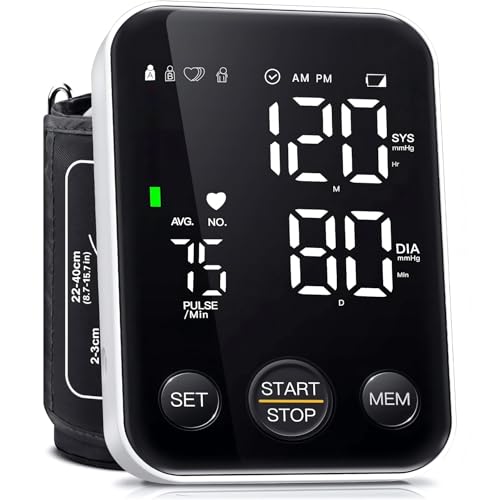
Oklar FDA Cleared Blood Pressure Monitor Upper Arm BP Machine for Home Use
- One-Button Operation: Easy and quick blood pressure measurement
- Large LED Display: Clear, backlit screen for easy reading
- Stores 240 Readings: Tracks blood pressure history for two users
As an affiliate, we earn on qualifying purchases.
As an affiliate, we earn on qualifying purchases.
How to Take Your Blood Pressure Step-by-Step (with Tips for Accuracy)
Follow these steps to ensure your reading is reliable, and understand why each step matters:
- Power on your device and sit comfortably, with your back supported and arm resting at heart level. This position prevents postural influences that can artificially alter readings, such as slouching or arm positioning below heart level, which can cause readings to be falsely high or low.
- Wrap the cuff snugly around your upper arm, lining up the artery marker. Proper placement ensures the cuff compresses the artery correctly, which is crucial for accurate measurement.
- Press start and remain silent, still, and relaxed during the measurement—no talking, no fidgeting. Movement or talking can cause fluctuations in blood pressure readings, making them inconsistent and less reliable.
- Once it stops, note the systolic and diastolic numbers. These reflect the pressure during heartbeats and between beats, respectively, providing a comprehensive picture of your cardiovascular health.
- Repeat the process 1 minute later—taking 2 or 3 readings overall—and record each result. Multiple readings help account for natural variability and ensure you’re not basing decisions on an outlier. For example, if your first reading shows 135/85, taking additional measurements can confirm whether this is a consistent value or an anomaly caused by recent activity or stress. Record the highest, lowest, or average, depending on your healthcare provider’s advice. This approach helps you and your doctor interpret your blood pressure trends more accurately, leading to better management strategies.
Understanding why each step matters helps reinforce good habits: proper positioning minimizes error, remaining still prevents fluctuations, and multiple readings provide a more reliable picture of your blood pressure over time. These practices collectively ensure your home monitoring is as precise as possible, supporting your health effectively.

MDF Instruments, Calibra Aneroid Premium Professional Sphygmomanometer, Blood Pressure Monitor with Adult Cuff & Carrying Case, Lifetime Calibration, White Dial, Black Cuff, MDF808M11
- Trusted by Medical Providers: Since 1971, lifetime calibration
- Latex-Free Cuff: Adult-sized cuff included
- Quick & Easy Measurement: For medical, home, or travel use
As an affiliate, we earn on qualifying purchases.
As an affiliate, we earn on qualifying purchases.
Keep a Log and Track Your Trends Over Time
Recording your readings helps catch patterns and provides a clearer picture of your health. Use a simple notebook, a digital app, or a printable chart—whatever makes it easiest for you. Include the date, time, and any notes—like how you felt or if you took medication beforehand. This detailed record allows you to identify trends, such as consistent morning spikes or evening drops, which are critical for managing hypertension. Recognizing these patterns can alert you and your healthcare provider to underlying issues or the effectiveness of your treatment plan. For example, if you notice your blood pressure spikes after stressful mornings or dips after relaxing activities, you can discuss these findings with your doctor to tailor your lifestyle or medication regimen. Tracking over time also helps distinguish between temporary fluctuations and persistent changes, enabling more precise adjustments to your treatment. This proactive approach empowers you to participate actively in your health management, making your home monitoring both practical and meaningful.
Stay Up-to-Date With New Tech and Guidelines
Modern blood pressure cuffs now often feature Bluetooth and app integration, making tracking easier and more accurate. Some devices automatically send your data to your phone or health portals—saving time and reducing error. These innovations can provide detailed trends and alerts, helping you and your healthcare team make timely decisions. Additionally, recent guidelines advise taking multiple readings over days rather than relying on a single measurement to diagnose hypertension accurately. This approach accounts for day-to-day variability and transient factors like stress or activity. For example, a connected cuff might log your morning readings for a week, revealing a pattern you didn’t notice—like consistently high numbers on weekends. Staying informed about device validation, technological features, and guideline updates ensures your measurements are reliable and meaningful. By leveraging these advancements, you can better understand your blood pressure trends, which is vital for effective management and early intervention when needed.
What to Do If Your Readings Are High or Low
Consistently high readings—say over 130/80 mm Hg—warrant a chat with your healthcare provider. Don’t jump to conclusions or change medications on your own. Instead, keep tracking, note any potential contributing factors like stress or recent activity, and discuss these with your doctor. Persistent high readings can indicate uncontrolled hypertension, increasing your risk for heart disease or stroke if left unmanaged. Conversely, very low readings could indicate overmedication, dehydration, or other health issues requiring professional evaluation. For example, if your usual reading is 125/78 but suddenly spikes to 150/95, record the date, time, and any relevant notes—like stress or recent activity—and share this info during your appointment. Recognizing these patterns and understanding their implications helps you and your healthcare provider make informed decisions about your treatment plan, ensuring safety and effectiveness.
Avoid Common Mistakes That Skew Your Results
Even small errors can throw off your numbers, and understanding these pitfalls helps you avoid unnecessary confusion or misdiagnosis. For example, using a cuff that’s too loose or too tight can lead to inaccurate readings; a loose cuff might not compress the artery properly, causing a falsely low reading, while a too-tight cuff can elevate the number artificially. Measuring immediately after exercise, caffeine, or smoking can temporarily raise your blood pressure, giving a misleading high reading that doesn’t reflect your usual levels. Crossing your legs or slouching while sitting can influence blood flow and pressure, leading to inconsistent results—these postural changes can either elevate or lower readings depending on the situation. Continuing to talk or fidget during measurement introduces movement artifacts, which distort the data. Lastly, using an old or unvalidated device can produce unreliable results, making it hard to track your true blood pressure. For example, a hurried reading after a morning coffee often reads 10 mm Hg higher than your actual blood pressure, which could lead to unnecessary medication adjustments. Being mindful of these details and sticking to proper technique ensures your data remains trustworthy, enabling better health management.
Frequently Asked Questions
How often should I check my blood pressure at home?
Most people benefit from checking once or twice daily—morning and evening. However, follow your healthcare provider’s advice, especially if you’re managing hypertension or medication adjustments. Consistency is key to spotting trends and making informed decisions.
What if my readings are consistently high or low?
If your readings stay above 130/80 mm Hg or below 90/60 mm Hg over several days, consult your healthcare provider. Do not change medication doses yourself—professional guidance ensures safe, effective management.
Can I rely on wrist or finger monitors instead of upper arm cuffs?
While wrist and finger monitors are convenient, upper arm cuffs generally provide more accurate results. If you use a wrist device, make sure to keep your arm at heart level and follow the instructions carefully. For best accuracy, discuss with your provider about which device suits your needs.
How do I know if my device is accurate?
Check for validation from reputable organizations and compare your device’s readings periodically with your healthcare provider’s equipment. Recalibrate or replace your device if discrepancies persist.
What should I do if my readings vary a lot each day?
Record all readings and note any factors like activity, stress, or medication. Share this data with your doctor to determine if further assessment or adjustments are needed. Consistent technique reduces variability.