
TL;DR
Long-handled tools help you reach high shelves or low spots without strain or risk. Recent advances make them lighter, more adjustable, and safer, making daily tasks easier and safer for everyone—especially seniors and those with limited mobility.
Ever tried to grab something off a high shelf or clean a dusty ceiling corner without straining your back? It’s a common challenge. Long-handled tools turn that struggle into a simple stretch, making tasks safer and less tiring.
Whether you’re an older adult wanting independence or a family caregiver helping out, these tools are a game-changer. They extend your reach, cut down on dangerous climbing, and make chores go faster. This guide explores what’s new, what to look for, and how to use long-handled tools to your advantage.
Choose lightweight, ergonomic tools with secure locking features for safety and comfort.
Adjust handle length based on your specific task—longer for high reach, shorter for close work.
Modern materials like carbon fiber and anti-vibration grips make tools easier to handle and last longer.
Manual tools are budget-friendly and simple, while powered options save effort for frequent use.
Regular cleaning, checking locks, and proper storage extend the lifespan of your tools.
What Makes a Long-Handled Tool Safe and Easy to Use?
Long-handled tools are designed to extend your reach while keeping you stable and comfortable. Choosing the right safety features and ergonomic considerations is crucial because they directly impact how effectively and safely you can perform tasks. For example, lightweight materials like fiberglass or aluminum are essential—they reduce fatigue over prolonged use, which is especially important for older adults or those with limited strength. Ergonomic grips and anti-slip handles help maintain control, reducing the chance of slips that could cause injury. These features are not just conveniences; they are safety essentials that prevent accidents and reduce strain. Adjustable handles offer customization, allowing users to set the length that best suits their height and task requirements, which minimizes awkward postures that can lead to musculoskeletal issues. Sturdy locking mechanisms ensure the tool stays at the desired length without collapsing unexpectedly, preventing accidents during use. Overall, a well-designed long-handled tool combines lightweight construction, ergonomic design, and secure locking features to promote safer, more comfortable use, especially for extended periods or repetitive tasks.

43" Extra Long Grabber Tool, Foldable Grabbers for Elderly Grab It Reaching Tool with Rotating Jaw +Magnets, 4" Wide Claw Opening Reacher Grabber Pickup Tool, Grabber Reacher Tool Heavy Duty
- Extended Reach Length: 43-inch long grabber tool
- Heavy-Duty Construction: Handles up to 5 lbs
- Rotating Head for Versatility: Rotates for easy access
As an affiliate, we earn on qualifying purchases.
As an affiliate, we earn on qualifying purchases.
Top 3 Benefits of Using Long-Handled Tools
- Reduced risk of falls: The primary benefit of long-handled tools is safety. By allowing you to reach high or low spots without climbing ladders or bending excessively, they significantly lower the chance of falls, which are among the leading causes of injury among older adults. This reduction in fall risk is especially critical because falls can lead to serious injuries, hospitalizations, or loss of independence. Using an extension tool transforms what could be a hazardous balancing act into a stable, controlled motion, thereby preserving safety and confidence in performing daily chores.
- Less strain on your body: These tools help prevent musculoskeletal injuries by minimizing awkward postures. Overreaching or bending repeatedly can lead to back pain, shoulder strain, and fatigue, especially in older adults or those with pre-existing conditions. For example, a long-handled dust mop allows you to clean ceiling corners while standing upright, reducing spinal compression and shoulder tension. This ergonomic advantage not only makes chores more comfortable but also helps prevent long-term injuries caused by poor posture or repetitive strain.
- Faster chores: Efficiency gains come from reducing the need for repositioning and taking frequent breaks. Tasks like trimming tall bushes or cleaning hard-to-reach spots are completed more quickly because you don’t need to set up ladders or reposition step stools repeatedly. For instance, a pole pruner enables you to trim tall branches from the ground, saving time and effort while reducing the physical and mental fatigue associated with ladder work. The cumulative effect is more productive, less tiring work sessions, which is especially beneficial for those managing multiple tasks or with limited energy.
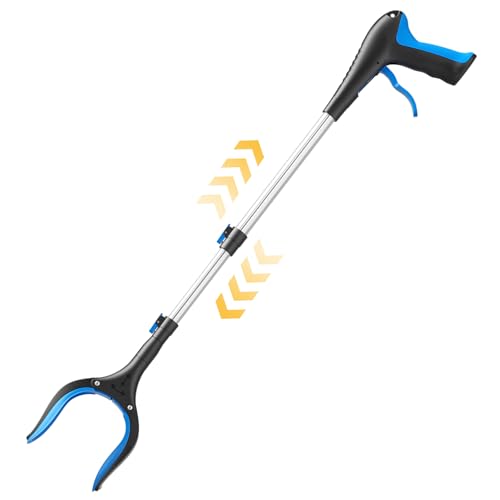
FGRHY Telescopic Grabber Reacher Tool, 5-Level Adjustable Length (23'' to 41'') – Trash Claw Gripper, Pickup Stick for Litter Picking, Yard Work, and Seniors (Blue)
- Adjustable Length: Five levels from 23'' to 41''
- Wide Jaw Opening: 4-inch anti-slip, 360° rotation
- Magnetic Tip: Retrieves metal objects easily
As an affiliate, we earn on qualifying purchases.
As an affiliate, we earn on qualifying purchases.
How to Pick the Right Length and Style for Your Tasks
Choosing the right length depends on your height, the specific tasks you need to accomplish, and the environment in which you’ll be working. For high shelves or ceiling corners, a tool that extends 6 to 10 feet provides the necessary reach without overextending, which can compromise control and safety. Conversely, for low or close-up tasks like cleaning under furniture or sweeping floors, a shorter handle—around 3 to 4 feet—offers better control and reduces unnecessary weight. The style of the handle also matters: telescoping or adjustable handles offer versatility, allowing you to switch between tasks easily. Locking mechanisms should be robust enough to hold the handle at your chosen length during use, preventing slippage that could cause accidents. When selecting a tool, consider the weight and balance—if a handle feels too heavy or unstable, it can cause fatigue or loss of control, defeating the purpose of the extension. Testing the handle for comfort, balance, and ease of locking at different lengths ensures you select a tool that enhances safety and efficiency for your specific needs.
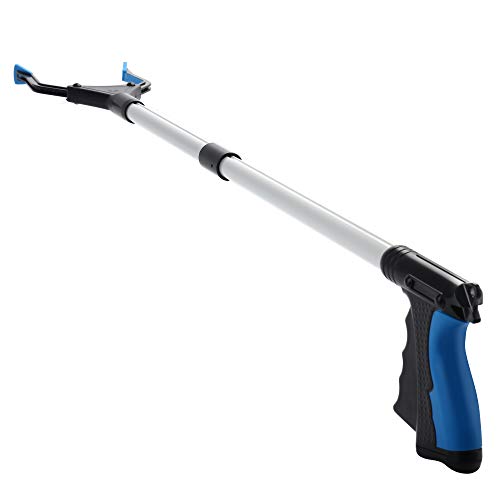
Grabber Reacher Tool, 32" Grabbers for Elderly, Lightweight Extra Long Handy Trash Claw Grabber, Mobility Aid Reaching Assist Tool for Trash Pick Up, Nabber, Litter Picker, Arm Extension (Blue)
- Easy Item Pickup: Pick up coins, trash, and more easily
- Foldable and Portable: Compact design for outdoor and indoor use
- Rotating Head: Adjusts up to 90 degrees for flexibility
As an affiliate, we earn on qualifying purchases.
As an affiliate, we earn on qualifying purchases.
Comparison Table: Manual vs. Powered Long-Handled Tools
| Feature | Manual Long-Handled Tools | Powered Long-Handled Tools |
|---|---|---|
| Ease of Use | Require physical effort; suitable for most users | Assisted by motors or sensors; ideal for those with limited strength |
| Weight | Lightweight, easy to maneuver | Heavier due to motor components, may need extra support |
| Cost | Generally more affordable | Higher price, but saves time and effort |
| Versatility | Limited to manual tasks | Often multi-functional, with features like trimming or scrubbing |
| Maintenance | Minimal, mainly cleaning and checking for wear | Includes motor upkeep and battery care |

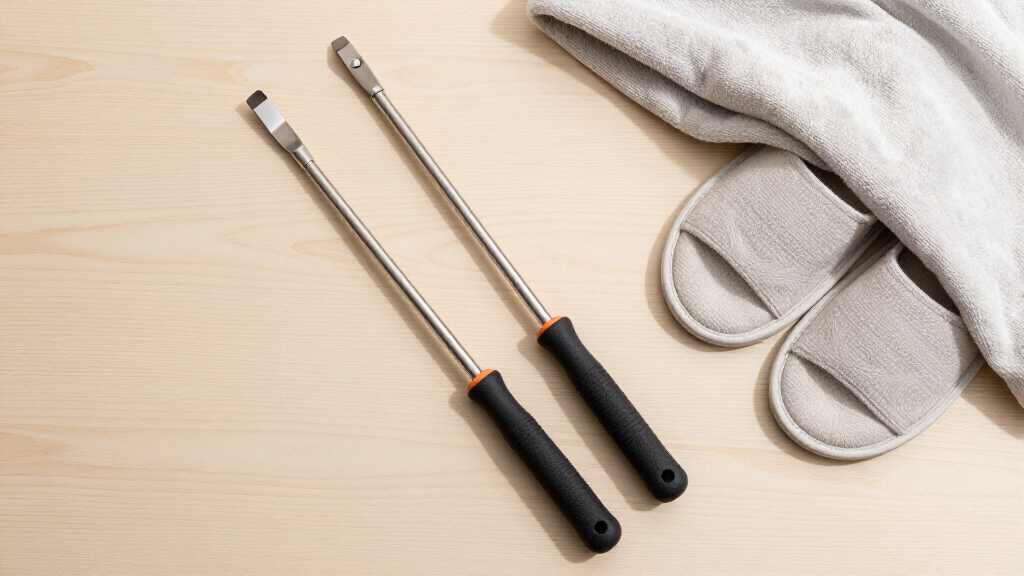
REWKCY 2-Pack 43" Extra Long Grabber Reacher Tool (Blue+Orange)
- Extended Reach: 43-inch long reach for high and low areas
- Lightweight Aluminum Body: Reduces wrist strain for easy use
- Ergonomic Handle: Contoured, non-slip grip for comfort
As an affiliate, we earn on qualifying purchases.
As an affiliate, we earn on qualifying purchases.
Latest Innovations Making Your Reach Easier
Emerging materials and technological advancements are not just making tools lighter—they are fundamentally enhancing safety, durability, and functionality. For example, carbon fiber poles are not only lightweight but also incredibly strong, allowing extended reach without adding bulk or weight that could cause fatigue or instability. Locking mechanisms in telescoping handles have become more reliable, reducing slips during use, which enhances safety, especially for prolonged tasks. Ergonomic grips with soft rubber padding are now standard, providing comfort and reducing hand fatigue, which is vital during extended use. Some advanced models incorporate sensors that alert users when they are pushing beyond safe limits, preventing overexertion or accidental damage. Eco-friendly options, such as handles made from recycled or sustainable materials, are also gaining popularity—these not only reduce environmental impact but often offer comparable durability. These innovations collectively mean that users can now enjoy safer, more efficient, and environmentally conscious tools that are easier to handle and maintain, encouraging prolonged use without compromising safety or sustainability.
How to Maintain and Store Your Long-Handled Tools for Longevity
Proper maintenance and storage are vital for ensuring your long-handled tools remain safe and effective over many seasons. After each use, thoroughly clean off dirt, sap, or dust—dirt buildup can cause corrosion or degrade moving parts over time. Regularly inspect locking mechanisms, handles, and joints for cracks, rust, or looseness; addressing issues early prevents sudden failures during use. Tighten loose components and replace worn parts promptly. When storing, choose a dry, sheltered location—exposure to moisture accelerates rust and wood warping. Hanging tools on wall hooks or storing them upright in a designated bin prevents warping and keeps them accessible. Additionally, applying a light coat of oil to metal parts can prevent rust, while storing handles in a climate-controlled environment prolongs their lifespan. For example, a well-maintained extendable pruner will stay rust-free, operate smoothly, and be ready when needed, reducing the need for replacements and costly repairs. Consistent care ensures your tools perform reliably, keeping you safe and saving money over time.
Frequently Asked Questions
How do I choose the best long-handled tool for gardening?
Focus on the primary task—pruning, raking, or digging—and select a lightweight, adjustable tool. For tall shrubs or trees, a telescoping handle that extends up to 10 feet can save you from climbing or straining. Test for comfort and stability before purchasing.Are telescoping handles durable enough for regular use?
Yes, modern telescoping handles with locking mechanisms are designed for durability. Look for models with secure locking features and made from sturdy materials like fiberglass or carbon fiber, which withstand regular use without slipping or breaking.Can powered long-handled tools replace manual ones?
Powered tools can reduce effort significantly, especially for frequent or heavy-duty tasks. However, they tend to be heavier and more expensive. If you have limited strength or mobility, they can be a worthwhile investment, but manual tools remain practical and budget-friendly for occasional use.How should I store my long-handled tools to keep them in good shape?
Store tools in a dry, sheltered area, preferably hanging on hooks or standing upright. Regularly clean off dirt and inspect locking mechanisms and handles for damage. Proper storage prevents rust, warping, and wear, extending your tools’ lifespan.Are eco-friendly options available for long-handled tools?
Yes, many manufacturers now produce tools with sustainable materials like recycled plastics or bamboo handles. These options are designed to last longer, reducing waste and environmental impact while providing the same safety and durability features.Conclusion
Long-handled tools turn daunting reach tasks into manageable chores, boosting safety and independence. Picking the right tool—lightweight, adjustable, and well-maintained—makes all the difference. Think of these tools as your extended arms, helping you do more with less risk.
Next time you need to reach high or low, remember: a simple extension can transform the way you move and work. Keep those tools in good shape, and you’ll enjoy years of safer, easier tasks—no ladder required.