
TL;DR
Prime for Young Adults — start your free trial
Fast free delivery, streaming and member deals for eligible 18–24 year olds.
Try it freeAs an affiliate, we earn on qualifying purchases.
Building a practical daily-living aid kit involves selecting personalized essentials, organizing for quick access, and incorporating new tech. Regular updates keep it effective, helping seniors and caregivers stay prepared and safe every day.
Imagine waking up and knowing everything you need is within arm’s reach — medication, a phone, emergency contacts. That’s the power of a well-crafted daily-living aid kit. It’s not just about having supplies; it’s about creating a safety net that supports independence and peace of mind.
This guide walks you through building a kit that’s personalized, organized, and ready for everyday needs and unexpected moments. Whether for yourself or a loved one, a practical aid kit can make a meaningful difference in daily life.
Personalize your aid kit based on individual health, mobility, and routines.
Organize items in clearly labeled, easy-to-reach containers for rapid access.
Regularly review and update supplies, especially medications and safety devices.
Leverage simple technology like alert systems and QR codes for added safety.
Create a compact, waterproof portable kit for travel or outings, with essential emergency items.
How to Personalize Your Aid Kit for Real Life
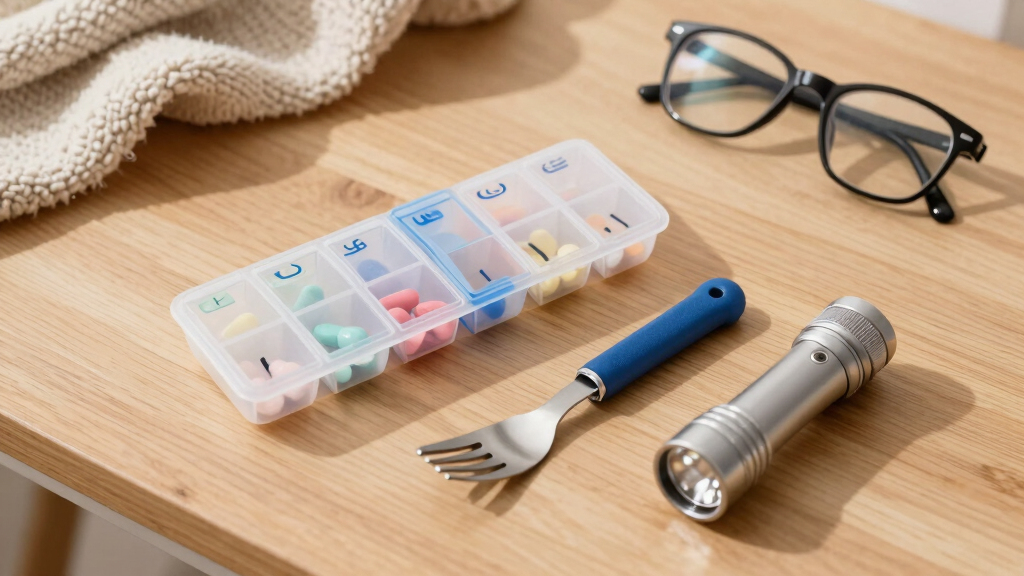
The first step is tailoring your kit to the person’s unique needs. Think about their health conditions, mobility, and daily routines. For example, if someone takes medication at specific times, include clearly labeled pill containers and a medication schedule.
Consider everyday scenarios. Does your loved one struggle with opening small bottles? Use larger caps or pump bottles. Do they have trouble hearing? Add visual alerts or flashing lights for alarms.
Personalization ensures the kit isn’t just a collection of supplies — it’s a helpful, user-friendly tool. Regularly revisit and adjust the contents as needs evolve. This ongoing customization is crucial because health and mobility needs can change over time, and what’s helpful today might not be tomorrow. The goal is to make the kit intuitive and easy to use, so it truly enhances independence rather than complicating daily routines.
As an affiliate, we earn on qualifying purchases.
Choosing the Right Items for Safety and Independence
Effective daily-living aid kits include a mix of essentials and safety tools. Here’s a quick list to get started:
- Medications and a schedule or organizer
- Hygiene supplies like hand sanitizer, wipes, and incontinence products
- Mobility aids such as a cane, walker, or grab bars
- Communication devices: a charged cell phone or emergency button
- Safety features: non-slip mats, flashlights, and emergency contact info
- Comfort items: glasses, hearing aids, or dentures
Choosing the right items isn’t just about listing necessities; it’s about understanding their importance. For instance, including a flashlight isn’t just for darkness—it’s a critical safety tool during power outages, helping prevent falls or disorientation. Similarly, having a clear list of emergency contacts easily accessible can significantly cut down response times in urgent situations. The tradeoff often lies in balancing comprehensiveness with portability; you want enough items to cover needs without making the kit cumbersome or intimidating to use. Regularly reviewing and updating these items ensures they remain relevant and functional, which is essential because outdated or worn equipment can compromise safety and effectiveness.
emergency alert button for seniors
As an affiliate, we earn on qualifying purchases.
As an affiliate, we earn on qualifying purchases.
Organizing Your Aid Kit for Quick Access in Emergencies
When every second counts, organization makes all the difference. Use clearly labeled containers or divided compartments to separate items. Think color-coded bins: red for emergency supplies, blue for hygiene, green for medications.
Place frequently used items at the top or in easy-to-reach spots. For example, keep medications and a phone in a small, accessible pouch near the bed or doorway. Use large, easy-to-open containers, especially if grip strength is limited.
Imagine a scenario where a fall occurs at night. Quick access to medications, a flashlight, and a contact list can help you respond swiftly and confidently. Proper organization reduces panic and confusion, which can worsen emergencies. It also minimizes the time spent searching for essential items, ensuring a prompt response. The tradeoff here is between meticulous organization and practicality; overly complex systems might slow down access, so simplicity and clarity are key. Regularly checking the arrangement and making adjustments based on changing needs keeps the system effective, especially as physical or cognitive abilities evolve over time.
As an affiliate, we earn on qualifying purchases.
Incorporating Technology for Smarter Safety
Technology can boost your aid kit’s effectiveness. Smart devices like medical alert systems or GPS trackers provide real-time help. Voice-activated assistants can remind someone to take medication or alert caregivers if something’s wrong.
For instance, a wearable fall detector can automatically notify emergency services if a fall is detected. QR codes or digital guides linked to your phone can give instant access to instructions or emergency contacts.
Integrating technology isn’t just about convenience; it can be a crucial lifeline. For example, a GPS tracker allows caregivers to locate a loved one quickly if they wander or get lost, which is particularly important for individuals with memory issues. Smart alert systems can send automatic notifications, reducing response times and potentially saving lives. The tradeoff is the potential complexity and cost of these devices, so choosing user-friendly and reliable options is essential. According to an anonymous researcher, integrating simple tech solutions can reduce response times by up to 30%, making a real difference in urgent moments. This highlights how technology, when thoughtfully incorporated, can significantly enhance safety without overwhelming users.
visual alert system for hearing impairment
As an affiliate, we earn on qualifying purchases.
As an affiliate, we earn on qualifying purchases.
How Often Should You Review and Refresh Your Aid Kit?
Set a regular schedule to check your kit — at least every 3 to 6 months. Look for expired medications, worn safety equipment, or outdated contact info. If a loved one’s health changes, update the contents immediately.
For example, if someone starts a new medication, add it to the kit and remove any outdated supplies. Keeping a detailed checklist helps track what needs replacement or updating, preventing forgotten items or expired supplies from compromising safety. Regular reviews are vital because they ensure the kit remains reliable and tailored to current needs. Just like maintaining a vehicle, neglecting updates can lead to failures when you need the kit most. The tradeoff involves dedicating time and effort, but this investment guarantees that the kit continues to serve its purpose effectively, providing peace of mind and safety assurance over time.
Making a Portable Aid Kit for Travel or Outings
A portable aid kit should be compact, lightweight, and waterproof. Include essential medications, a small flashlight, ID, and emergency contacts. Use a small, sturdy container that can fit in a purse, backpack, or glove compartment.
For example, a caregiver might prepare a kit with daily medications, a copy of health insurance cards, and a list of local emergency services for each destination. Planning ahead means understanding the healthcare landscape of your destination — knowing the location of nearby hospitals or clinics can be lifesaving. A well-packed portable kit not only ensures safety but also reduces stress during outings by having everything you might need in one place. It’s important to balance size with comprehensiveness; including too many items can make the kit bulky, while too few may leave gaps. Regularly reviewing and updating the contents before each trip ensures you’re prepared for different scenarios, making outings safer and more enjoyable.
Matching Items to Specific Health Conditions
Different health issues require tailored supplies. For diabetes, include blood sugar monitors, test strips, and snacks. For allergies, carry antihistamines and an EpiPen. For mobility challenges, add extra grips or seat cushions.
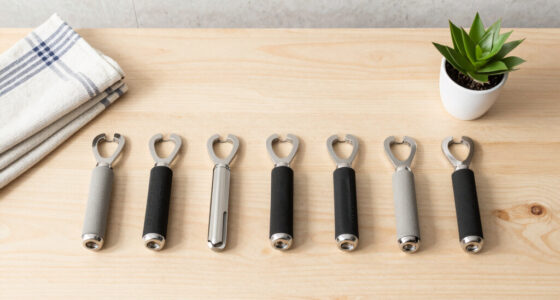
Consult with healthcare providers to identify critical supplies for each condition. For example, if someone has arthritis, including easy-grip utensils and jar openers can make daily tasks less painful, reducing frustration and the risk of accidents. Customizing your kit isn’t just about convenience—it’s about ensuring each item directly addresses the specific challenges faced by the individual. This targeted approach can significantly reduce emergency trips and improve quality of life by enabling safer, more independent daily routines. The tradeoff is the need for ongoing consultation with health professionals and regular updates, but the benefit is a tailored safety net that truly supports health and independence.
Frequently Asked Questions
What should I include in a basic daily-living aid kit?
Essential items include medications, hygiene supplies, emergency contact info, mobility aids, safety devices, and comfort items. Tailor these to your specific needs for best results.
How often should I review or update my aid kit?
Review your kit every 3 to 6 months, or whenever health needs change. Check expiration dates, replace worn safety items, and update contact info as needed.
How can I make my aid kit accessible for someone with limited mobility?
Use large, easy-to-open containers, label items clearly, and place frequently used items at reachable heights. Keep the kit in a consistent, accessible spot.
Are technology tools helpful for my aid kit?
Yes. Devices like medical alert systems, GPS trackers, and voice assistants can enhance safety. They provide quick help and peace of mind.
What should I consider when creating a travel aid kit?
Keep it compact, waterproof, and lightweight. Include essential medications, ID, emergency contacts, and local emergency info. Prepare for different destinations and situations.
Conclusion
A well-assembled daily-living aid kit isn’t just a collection of supplies — it’s a lifeline that empowers independence and safety. By tailoring, organizing, and updating your kit regularly, you turn everyday essentials into a reliable safety net.
Think of it as your personal safety toolbox, ready for whatever the day brings. With each item carefully chosen and kept within reach, you or your loved one can face daily routines with confidence and calm.
Fall yard work Picks
leaf blowers
As an affiliate, we earn on qualifying purchases.